
Pakistan

News related to Pakistan in Pakistan and around the world.

Pakistan

Islamabad Police Recruitment Enters Fourth Day Amid Multi-City Testing

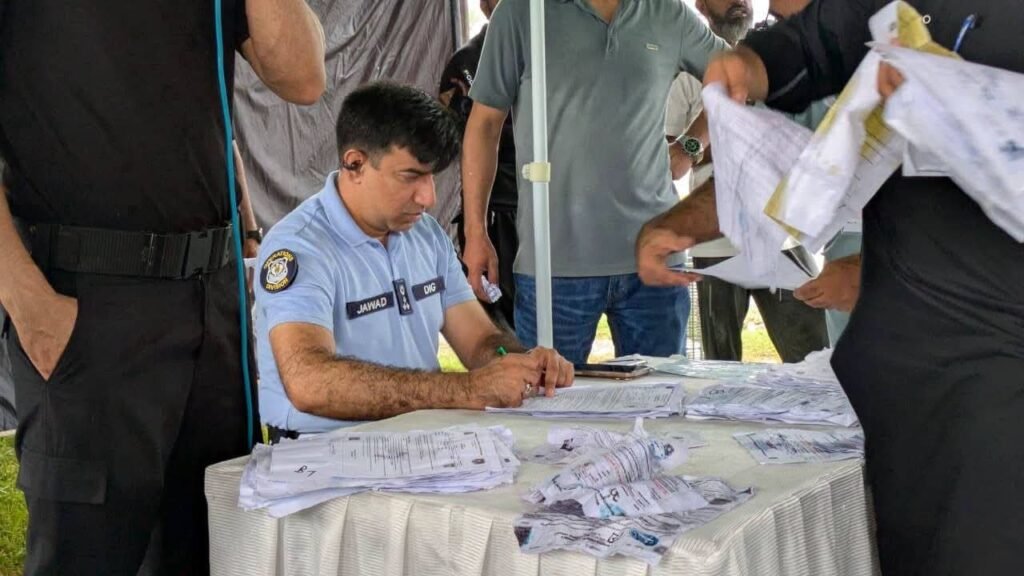
ISLAMABAD — The Islamabad Police recruitment process has reached its fourth day, with physical endurance and running tests being conducted under the vigilant supervision of senior officers. The testing is taking place across multiple cities, including Islamabad, Karachi, and Peshawar, as part of a comprehensive effort to ensure a fair and transparent recruitment process. What Happened The ongoing recruitment drive for the Islamabad Police is focused on evaluating candidates through rigorous physical endurance and running tests. These tests, which commenced earlier this week, are being held at designated test centers in Islamabad, Karachi, and Peshawar. Senior police officers are overseeing the process to maintain high standards of security and administrative efficiency. According to officials, the recruitment process is designed to be merit-based, with a strong emphasis on transparency. The presence of senior officers at the test centers is intended to ensure that all procedures are followed correctly and that candidates are facilitated appropriately throughout the process. This includes reviewing security measures and administrative arrangements to prevent any irregularities. As the recruitment enters its fourth day, the focus remains on maintaining a smooth operation across all test centers. The officials have reiterated their commitment to a fair selection process, which is crucial for the integrity of the police force. Background The recruitment process for the Islamabad Police is part of a broader initiative to strengthen law enforcement capabilities in Pakistan’s capital and other major cities. Historically, police recruitment in the country has faced challenges related to transparency and meritocracy. Efforts have been made in recent years to address these issues by implementing more stringent oversight and accountability measures. In the past, recruitment drives have been marred by allegations of favoritism and lack of transparency, which have undermined public confidence in the police force. The current recruitment process aims to rectify these issues by ensuring that all candidates are assessed purely on their abilities and qualifications. Why It Matters The recruitment of new police officers is a critical component of enhancing public safety and maintaining law and order in Pakistan’s urban centers. With cities like Islamabad, Karachi, and Peshawar facing unique security challenges, the need for a competent and well-trained police force is more pressing than ever. Economically, a transparent and merit-based recruitment process can lead to a more efficient law enforcement agency, which in turn can foster a safer environment for businesses and residents. This can attract investment and contribute to economic growth in these urban areas. Socially, the integrity of the recruitment process is vital for public trust in law enforcement. A police force that is perceived as fair and competent is more likely to garner the cooperation and support of the community it serves. This can lead to more effective policing and a reduction in crime rates. On an international level, Pakistan’s commitment to reforming its police recruitment process can enhance its reputation as a nation striving for transparency and accountability in its public institutions. This can improve diplomatic relations and open up opportunities for international collaboration in areas such as security and law enforcement training. Key Takeaways The Islamabad Police recruitment process is in its fourth day, with tests being conducted in Islamabad, Karachi, and Peshawar. Senior officers are overseeing the process to ensure transparency and merit-based selection. The recruitment aims to address past challenges related to favoritism and lack of transparency. A transparent recruitment process is crucial for public trust and effective law enforcement. Reforming police recruitment can improve Pakistan’s international reputation and foster economic growth. Source Attribution This article is based on official government statements, press releases, and public communications from relevant authorities. Author: NEN Editorial Desk | Editor: NEN Newsroom | Fact Checked By: NEN Editorial Team Author: NEN Editorial Desk  |  Editor: NEN Newsroom  |  Last Updated: July 31, 2026  |  Source: NEN Reporter This article was produced by the NEN Editorial Desk in accordance with NEN Agency’s Editorial Policy and Fact-Checking Policy.
Pakistan

Pakistan, Turkiye to Enhance Railway Ties and Revive ITI Freight Train

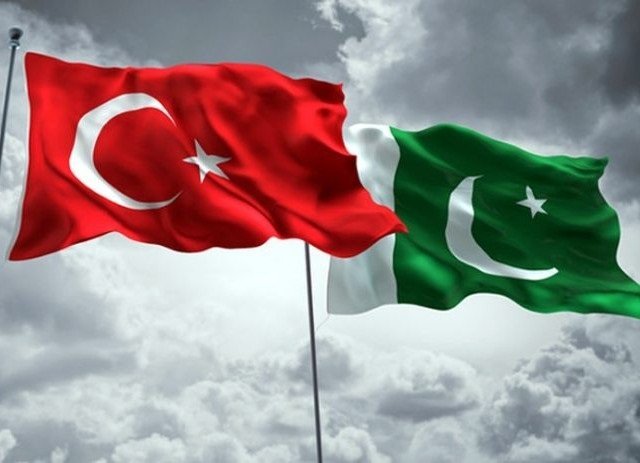
LAHORE — Pakistan and Turkiye have agreed to bolster their cooperation in the railway sector, focusing on joint investments, technology transfer, and modernization projects. This decision was made during a high-level meeting held in Ankara, as confirmed by a spokesperson from Pakistan Railways on Friday. What Happened In a significant step towards enhancing bilateral relations, delegations from Pakistan and Turkiye convened in Ankara to discuss the future of their railway cooperation. Both nations expressed their commitment to advancing joint ventures, particularly in the modernization of railway infrastructure and technology transfer. The meeting underscored the importance of reviving the Islamabad-Tehran-Istanbul (ITI) freight train service, which is seen as a strategic trade route connecting South Asia with Europe through the Middle East. The ITI freight train, often referred to as the ‘ECO Train’, is a project under the Economic Cooperation Organization (ECO) aimed at facilitating trade among member states. The train service, which was initially launched in 2009, has faced numerous operational challenges over the years, including logistical and infrastructural issues. The renewed focus on this project highlights the strategic importance both countries place on enhancing regional connectivity. Federal Minister for Railways, Khawaja Saad Rafique, emphasized the need for modernizing Pakistan’s railway infrastructure to meet international standards. “The revival of the ITI freight train is a priority for us, as it will significantly boost trade and economic ties between Pakistan, Turkiye, and other ECO member states,” he stated. The meeting also explored opportunities for joint investments in railway projects, which could lead to significant economic benefits for both nations. Background The Islamabad-Tehran-Istanbul freight train was launched as a part of the ECO’s initiative to promote regional trade and connectivity. However, the service has been sporadic due to various challenges, including outdated infrastructure and political instability in the region. The recent meeting between Pakistan and Turkiye is part of broader efforts to overcome these hurdles and enhance cooperation in the railway sector. The railway cooperation between Pakistan and Turkiye is not new. Both countries have a history of collaboration in various sectors, including defense, trade, and cultural exchanges. The recent focus on railway modernization is seen as a continuation of this long-standing partnership, with both nations recognizing the potential economic benefits of improved connectivity. Why It Matters The strengthening of railway ties between Pakistan and Turkiye holds significant implications for regional trade and connectivity. The revival of the ITI freight train is expected to facilitate smoother and more efficient trade routes between South Asia and Europe, potentially reducing transportation costs and delivery times. This could lead to increased trade volumes and economic growth for both countries. Moreover, the collaboration in railway modernization and technology transfer could have a transformative impact on Pakistan’s railway infrastructure. By adopting advanced technologies and practices from Turkiye, Pakistan could significantly improve the efficiency and safety of its railway operations, benefiting millions of passengers and freight customers. On a broader scale, the enhanced railway cooperation aligns with Pakistan’s strategic goals of improving regional connectivity and integrating its economy with global markets. It also reflects Turkiye’s ambition to strengthen its role as a key transit hub between Asia and Europe. The success of this partnership could serve as a model for other countries in the region seeking to enhance their infrastructure and trade networks. Key Takeaways Pakistan and Turkiye have agreed to strengthen cooperation in the railway sector, focusing on joint investments and technology transfer. The revival of the Islamabad-Tehran-Istanbul freight train is a key priority for both nations, aiming to enhance regional trade connectivity. The collaboration could lead to significant improvements in Pakistan’s railway infrastructure, benefiting both freight and passenger services. This initiative aligns with Pakistan’s broader goals of enhancing regional connectivity and economic integration with global markets. The partnership reflects Turkiye’s strategic interest in serving as a transit hub between Asia and Europe. Source Attribution This article is based on official government statements, press releases, and public communications from relevant authorities. Author: NEN Editorial Desk | Editor: NEN Newsroom | Fact Checked By: NEN Editorial Team Author: NEN Editorial Desk  |  Editor: NEN Newsroom  |  Last Updated: July 31, 2026  |  Source: NEN Reporter This article was produced by the NEN Editorial Desk in accordance with NEN Agency’s Editorial Policy and Fact-Checking Policy.
Pakistan

Amir Muqam Urges PPP to Respect AJK Election Results

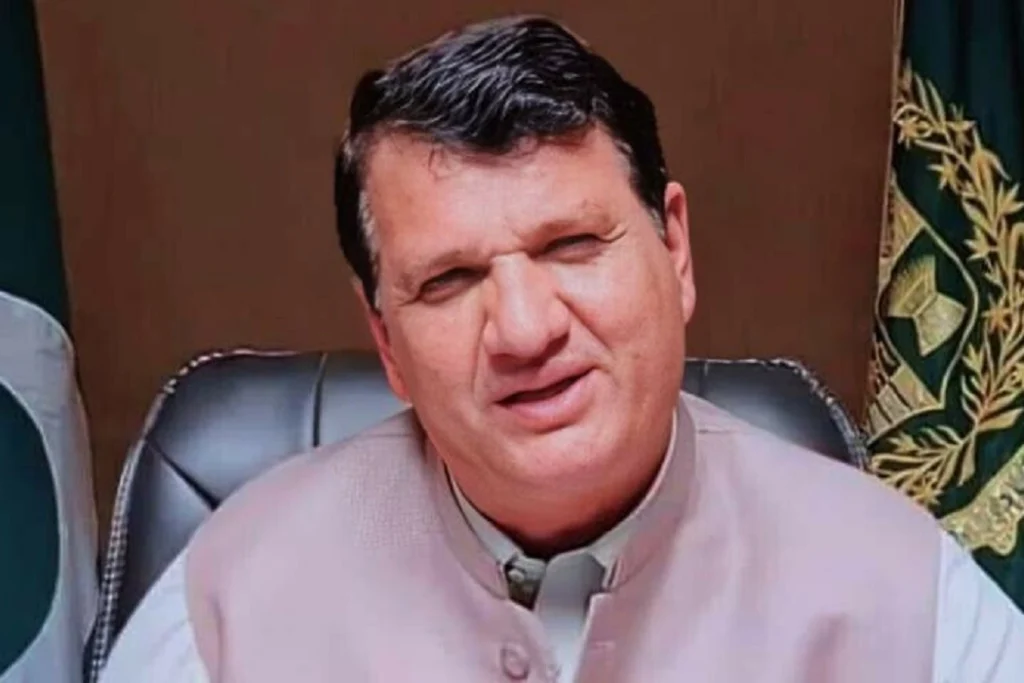
ISLAMABAD — Federal Minister for Kashmir Affairs, Gilgit-Baltistan and SAFRON, Engineer Amir Muqam, on Friday called on the Pakistan Peoples Party (PPP) to accept the results of the recent Azad Jammu and Kashmir (AJK) elections. He emphasized that the party should focus on understanding the reasons behind its electoral defeat rather than questioning the legitimacy of the results. What Happened During a press briefing, Amir Muqam addressed the concerns raised by the PPP regarding the AJK election outcomes. He stated that the party should respect the people’s mandate and reflect on why it failed to secure a majority, despite having significant influence in the region’s government and administrative framework. Muqam highlighted that the electoral process was conducted transparently, and the results reflect the genuine will of the AJK populace. Muqam further elaborated that the PPP’s allegations of electoral mismanagement were unfounded and urged the party leadership to conduct an internal review to identify the factors that led to their electoral setback. He suggested that the party should engage with the electorate to rebuild trust and address any grievances that may have contributed to their defeat. The minister’s remarks come in the wake of the AJK elections, where the PPP, despite its historical presence and influence in the region, failed to secure a significant number of seats. The elections were closely monitored by various national and international observers, who largely endorsed the process as fair and free. Background The Azad Jammu and Kashmir elections are a significant political event in the region, determining the composition of the legislative assembly that governs the area. Historically, the PPP has been a dominant force in AJK politics, often leveraging its administrative clout to influence electoral outcomes. However, recent trends have shown a shift in voter preferences, with other political parties gaining ground. The AJK elections are governed by the region’s electoral commission, which operates under a framework designed to ensure transparency and fairness. In recent years, there have been calls for electoral reforms to further enhance the credibility of the process, reflecting broader trends in Pakistan’s political landscape. Why It Matters The call by Amir Muqam for the PPP to respect the election results holds significant implications for the political stability in AJK and the broader political dynamics in Pakistan. Acceptance of electoral outcomes is crucial for maintaining democratic norms and ensuring peaceful transitions of power. By urging the PPP to respect the mandate, Muqam is advocating for political maturity and responsibility, which are essential for the region’s development. Furthermore, the PPP’s response to the election results could influence its future political strategy and standing in both AJK and national politics. Acknowledging the electoral defeat and addressing the underlying causes could enable the party to reconnect with its voter base and regain its influence. Conversely, continued allegations of electoral malpractice without substantive evidence could undermine its credibility and alienate potential supporters. The situation also underscores the evolving political landscape in AJK, where traditional power dynamics are being challenged by emerging political forces. This shift reflects broader trends in Pakistan, where voters are increasingly demanding accountability and performance from their elected representatives. Key Takeaways Amir Muqam has urged the PPP to respect the AJK election results and reflect on their electoral defeat. The PPP has historically been influential in AJK politics but failed to secure significant seats in the recent elections. Muqam emphasized the transparency of the electoral process and dismissed allegations of mismanagement. The call for respecting the mandate is crucial for political stability and democratic norms in AJK. The PPP’s response to the election results could impact its future political strategy and credibility. Source Attribution This article is based on official government statements, press releases, and public communications from relevant authorities. Author: NEN Editorial Desk | Editor: NEN Newsroom | Fact Checked By: NEN Editorial Team Author: NEN Editorial Desk  |  Editor: NEN Newsroom  |  Last Updated: July 31, 2026  |  Source: NEN Reporter This article was produced by the NEN Editorial Desk in accordance with NEN Agency’s Editorial Policy and Fact-Checking Policy.

Pakistan

GCWUS Implements HEC’s Mandatory AI Curriculum for All Degrees

ISLAMABAD — Government College Women University Sialkot (GCWUS) has announced the introduction of a new policy from the Higher Education Commission (HEC), mandating artificial intelligence (AI) courses for all degree programs starting in Fall 2026. This initiative, detailed in a recent university release, aims to integrate AI education across various disciplines, ensuring students are equipped with essential skills for the evolving job market. What Happened The announcement from GCWUS marks a significant step in aligning with the Higher Education Commission’s strategic goals to enhance technological proficiency among graduates. According to the university’s release, the AI course will become a compulsory component of the curriculum for all undergraduate and postgraduate programs. The decision underscores the increasing importance of AI in various fields and the necessity for students to gain foundational knowledge in this area. HEC’s policy, which will be implemented nationwide, is designed to prepare students for a future where AI technologies are expected to play a pivotal role in numerous sectors. The university’s Vice Chancellor, Dr. Rukhsana Kausar, stated, “By incorporating AI into our curriculum, we are not only complying with HEC’s directives but also preparing our students for the challenges and opportunities of the future job market.” The AI courses will cover fundamental concepts such as machine learning, data analysis, and AI ethics, providing students with a comprehensive understanding of how AI can be applied across various industries. The curriculum is expected to be developed in collaboration with industry experts and academic professionals to ensure it meets both educational standards and market demands. Background The introduction of mandatory AI courses is part of a broader initiative by the Higher Education Commission to modernize the educational framework in Pakistan. Over the past few years, there has been a growing recognition of the need to integrate technology and innovation into the academic curriculum to keep pace with global advancements. This policy reflects HEC’s commitment to fostering a technologically adept workforce that can contribute to the country’s economic development. Previously, HEC has launched several initiatives to promote digital literacy and technological education, including the establishment of centers of excellence in AI and data science at various universities. The mandatory AI course policy is a continuation of these efforts, aiming to ensure that all graduates possess the necessary skills to thrive in a digital economy. Why It Matters The integration of AI courses into all degree programs is a significant development for Pakistan’s education sector. As AI continues to transform industries worldwide, the demand for professionals with AI skills is expected to increase. By making AI education mandatory, Pakistan is positioning itself to meet this demand and enhance its competitiveness in the global market. For students, this policy provides an opportunity to gain valuable skills that are increasingly sought after by employers. With AI technologies becoming integral to fields such as healthcare, finance, and manufacturing, graduates with AI expertise will have a competitive edge in the job market. This initiative also aligns with global educational trends, where countries are prioritizing STEM (Science, Technology, Engineering, and Mathematics) education to drive innovation and economic growth. On a broader scale, the policy could have significant economic implications for Pakistan. By developing a workforce skilled in AI, the country can attract foreign investment in technology sectors and foster the growth of domestic tech industries. This could lead to job creation, increased productivity, and enhanced economic resilience. Key Takeaways GCWUS will implement HEC’s mandatory AI courses for all degree programs starting Fall 2026. The policy aims to equip students with essential AI skills for the evolving job market. AI courses will cover machine learning, data analysis, and AI ethics. This initiative is part of HEC’s broader efforts to modernize Pakistan’s educational framework. The policy could enhance Pakistan’s competitiveness and attract foreign investment in technology sectors. Source Attribution This article is based on official government statements, press releases, and public communications from relevant authorities. Author: NEN Editorial Desk | Editor: NEN Newsroom | Fact Checked By: NEN Editorial Team Author: NEN Editorial Desk  |  Editor: NEN Newsroom  |  Last Updated: July 31, 2026  |  Source: NEN Reporter This article was produced by the NEN Editorial Desk in accordance with NEN Agency’s Editorial Policy and Fact-Checking Policy.
Pakistan

Gold Prices Climb By Rs3,000 Per Tola In Pakistan

ISLAMABAD — Gold prices in Pakistan experienced a significant rise on Friday, with the cost of 24-karat gold increasing by Rs3,000 per tola, reaching Rs430,436. This adjustment in the local market was confirmed by the All Pakistan Sarafa Gems and Jewellers Association. What Happened The local gold market saw a notable surge in prices as the rate for 24-karat gold per tola rose by Rs3,000, settling at Rs430,436. This increase was reported by the All Pakistan Sarafa Gems and Jewellers Association, which regularly provides updates on precious metal prices. The rise in gold prices is attributed to various factors, including fluctuations in the international market and the value of the Pakistani rupee against the US dollar. According to industry experts, the demand for gold typically increases during times of economic uncertainty, as investors seek safe-haven assets. This trend is consistent with global patterns where gold prices often rise when there is volatility in financial markets. The current geopolitical tensions and economic challenges have contributed to the increased demand for gold, thereby driving up prices. In addition to the rise in gold prices, the local currency’s depreciation against the US dollar has also played a role. As the rupee weakens, the cost of importing gold increases, which in turn affects local prices. The recent fluctuations in the rupee’s value have made gold more expensive for Pakistani buyers. Background Gold has long been considered a valuable commodity and a hedge against inflation and currency devaluation. In Pakistan, gold is not only a popular investment but also holds cultural significance, often being used in weddings and other traditional ceremonies. The price of gold in the country is influenced by both international market trends and domestic economic conditions. Historically, gold prices in Pakistan have seen periods of significant increases, particularly during times of economic instability. For instance, during the global financial crisis of 2008, gold prices surged as investors sought refuge in the precious metal. Similarly, the COVID-19 pandemic led to another spike in gold prices as uncertainty gripped global markets. Why It Matters The recent rise in gold prices has several implications for the Pakistani economy and its citizens. For investors, the increase represents a potential opportunity to profit from the appreciation of their gold holdings. However, for consumers, particularly those planning weddings or other events requiring gold jewelry, the higher prices may pose a financial burden. The economic impact of rising gold prices extends beyond individual consumers. As gold becomes more expensive, it can contribute to inflationary pressures within the economy. This is particularly concerning for Pakistan, where inflation rates have already been a challenge for policymakers. The central bank may need to consider these factors when making decisions about interest rates and monetary policy. On the international front, Pakistan’s gold market is closely tied to global trends. The country’s gold imports are influenced by international prices and currency exchange rates. As such, any significant changes in global gold prices can have a direct impact on Pakistan’s trade balance and foreign exchange reserves. Key Takeaways Gold prices in Pakistan increased by Rs3,000 per tola, reaching Rs430,436. The rise is attributed to international market fluctuations and the rupee’s depreciation. Higher gold prices can affect consumers, particularly those purchasing jewelry for cultural events. Inflationary pressures may increase as gold becomes more expensive, impacting economic policy. Pakistan’s gold market is influenced by global trends and exchange rates. Source Attribution This article is based on official statements and data provided by the All Pakistan Sarafa Gems and Jewellers Association and other relevant authorities. Author: NEN Editorial Desk | Editor: NEN Newsroom | Fact Checked By: NEN Editorial Team Author: NEN Editorial Desk  |  Editor: NEN Newsroom  |  Last Updated: July 31, 2026  |  Source: NEN Reporter This article was produced by the NEN Editorial Desk in accordance with NEN Agency’s Editorial Policy and Fact-Checking Policy.

Pakistan

President Approves Nishan-i-Imtiaz (Military) for General Syed Aamer Raza

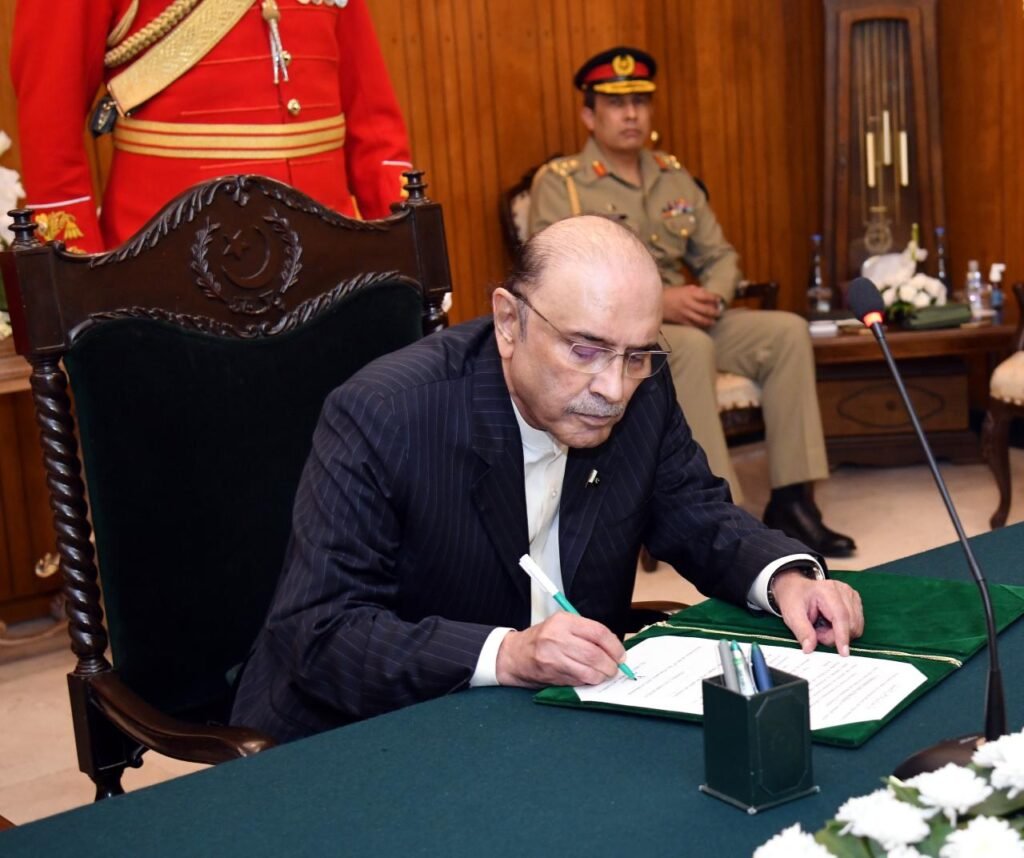
ISLAMABAD — President Asif Ali Zardari has approved the conferment of the Nishan-i-Imtiaz (Military) upon General Syed Aamer Raza, who currently serves as the Commander of the National Strategic Command. This prestigious military honor follows his recent promotion to the rank of four-star general, a decision made by Prime Minister Shehbaz Sharif on July 24. What Happened On July 31, the President House released a statement announcing the conferment of the Nishan-i-Imtiaz (Military) on General Syed Aamer Raza. This award is one of Pakistan’s highest military honors, recognizing outstanding service and contributions to the nation. General Raza’s elevation to a four-star general and his appointment as the Commander of the National Strategic Command were pivotal in this recognition. General Raza’s career has been marked by significant achievements and leadership roles within the Pakistan Army. Prior to his current appointment, he served as the Chief of the General Staff, a position that involves overseeing the administrative and operational functions of the army. His leadership skills and strategic acumen have been acknowledged through this prestigious award. The decision to honor General Raza with the Nishan-i-Imtiaz (Military) underscores the trust and confidence placed in him by the country’s leadership. His recent promotion and new responsibilities reflect his capability to lead Pakistan’s strategic military operations, particularly in areas critical to national security. Background The Nishan-i-Imtiaz (Military) is awarded to individuals who have demonstrated exceptional service to Pakistan’s armed forces. Established in 1957, the honor is conferred upon military personnel who have shown extraordinary leadership and dedication to national defense. The award ceremony is typically held at the President House, where the recipient is formally recognized for their contributions. General Syed Aamer Raza’s military career spans several decades, during which he has held various key positions. His role as the Chief of the General Staff involved significant responsibilities, including strategic planning and operational management. His recent promotion to a four-star general was accompanied by his appointment as the Commander of the National Strategic Command, a role critical to overseeing Pakistan’s strategic military capabilities. Why It Matters The conferment of the Nishan-i-Imtiaz (Military) on General Raza is significant for several reasons. Firstly, it highlights the importance of leadership within the Pakistan Army, particularly in roles that involve strategic decision-making and national security. General Raza’s appointment as the Commander of the National Strategic Command places him at the forefront of Pakistan’s defense strategy, a position that requires exceptional leadership and vision. Economically, the recognition of military leaders through such honors can boost morale within the armed forces, encouraging a culture of excellence and dedication. This, in turn, can lead to more effective military operations and a stronger national defense posture. Socially, the award serves as a symbol of the nation’s appreciation for the sacrifices and contributions of its military personnel. Politically, the conferment of such honors can strengthen the relationship between the military and civilian leadership, fostering a collaborative approach to national security issues. It also sends a message to the international community about Pakistan’s commitment to maintaining a robust and capable military force. Key Takeaways President Asif Ali Zardari has approved the Nishan-i-Imtiaz (Military) for General Syed Aamer Raza. General Raza was recently promoted to a four-star general and appointed as the Commander of the National Strategic Command. The Nishan-i-Imtiaz (Military) is one of Pakistan’s highest military honors, recognizing exceptional service. General Raza’s career includes significant roles such as Chief of the General Staff. The award underscores the importance of leadership in national security and military operations. Source Attribution This article is based on official government statements and public communications from relevant authorities. Author: NEN Editorial Desk | Editor: NEN Newsroom | Fact Checked By: NEN Editorial Team Author: NEN Editorial Desk  |  Editor: NEN Newsroom  |  Last Updated: July 31, 2026  |  Source: Press Release from Pakistan Army This article was produced by the NEN Editorial Desk in accordance with NEN Agency’s Editorial Policy and Fact-Checking Policy.

Pakistan

Police Neutralize Two Suspects, Rescue Kidnapped Woman in Haripur Operation

ATTOCK — In a high-stakes joint operation, police forces successfully neutralized two wanted suspects and rescued a kidnapped woman in the Haripur district of Khyber Pakhtunkhwa, authorities confirmed on Friday. The operation was aimed at dismantling a criminal network involved in multiple serious offenses, including kidnapping for ransom. What Happened The operation was executed by the Crime Control Department (CCD) in collaboration with the Haripur police. The focus was on apprehending individuals accused of heinous crimes such as kidnapping for ransom, terrorism, armed robbery, targeted killings, sexual assault, and extortion. The raid occurred in the Dhenda Bypass area, within the jurisdiction of the Khallabat police station. Led by CCD Attock District Officer Yasir Matloob Kiani and Inspector Syed Imran Haider Kazmi, with support from the Haripur Police and the Elite Police Force, the operation targeted Zarghamullah and his father Khalid Mehmood Khan. Upon the police’s attempt to arrest them, the suspects opened fire, resulting in a gun battle that lasted over two hours. During the confrontation, the suspects reportedly used their family members as human shields. However, police officers managed to evacuate the family safely before continuing the operation. After the exchange of gunfire, the bodies of Zarghamullah and his father were recovered. Several accomplices managed to flee, prompting a search operation to locate them. In a subsequent intelligence-led raid, police rescued a woman who had been kidnapped and held for a ransom of 50 million rupees. The case had been registered on July 14 at the Attock City Police Station. The area was secured to minimize civilian risk, and the bodies were sent to the Trauma Centre in Haripur for post-mortem examinations. Background Kidnapping for ransom has been a persistent issue in various regions of Pakistan, with organized criminal groups often targeting affluent individuals or their family members. The CCD and local police forces have been actively working to combat such crimes, employing intelligence-based operations to dismantle these networks. The Khyber Pakhtunkhwa province, in particular, has seen a rise in criminal activities, prompting law enforcement agencies to enhance their efforts in curbing these offenses. The collaboration between different police departments and specialized units like the CCD is part of a broader strategy to improve security and public safety. Why It Matters This operation underscores the ongoing challenges faced by law enforcement agencies in Pakistan as they combat organized crime and ensure public safety. The successful rescue of the kidnapped woman not only highlights the effectiveness of coordinated police efforts but also serves as a reassurance to the public about the commitment of law enforcement agencies to protect citizens. Economically, the operation’s success could deter future ransom-based kidnappings, potentially reducing the financial burden on victims’ families and the broader community. Socially, it reinforces the rule of law and the state’s ability to maintain order, which is crucial for public confidence in governmental institutions. Politically, such operations can bolster the government’s image, demonstrating its capability and resolve in addressing security challenges. Internationally, successful law enforcement operations contribute to improving Pakistan’s reputation as a nation committed to upholding law and order, which can have positive implications for foreign investment and tourism. Key Takeaways Police neutralized two suspects and rescued a kidnapped woman in Haripur. The operation targeted a criminal network involved in multiple serious crimes. A gun battle ensued, lasting over two hours, before the suspects were neutralized. The rescued woman had been kidnapped for a ransom of 50 million rupees. Law enforcement agencies continue to combat organized crime in Pakistan. Source Attribution This article is based on official government statements, press releases, and public communications from relevant authorities. Author: NEN Editorial Desk | Editor: NEN Newsroom | Fact Checked By: NEN Editorial Team Author: NEN Editorial Desk  |  Editor: NEN Newsroom  |  Last Updated: July 31, 2026  |  Source: NEN Reporter This article was produced by the NEN Editorial Desk in accordance with NEN Agency’s Editorial Policy and Fact-Checking Policy.
Pakistan

CPSP Plans New Regional Office at Gomal Medical College

DERA ISMAIL KHAN — The College of Physicians and Surgeons Pakistan (CPSP) is set to establish a new regional office at Gomal Medical College (GMC) in Dera Ismail Khan. This initiative aims to enhance postgraduate medical education in southern Pakistan, following a recent visit by a high-level delegation from CPSP to inspect the proposed site. What Happened On their visit to Gomal Medical College, the CPSP delegation evaluated the facilities and infrastructure for the establishment of a regional office. The delegation’s visit marks a significant step in expanding the reach of CPSP’s educational and training programs in the region. The proposed office is expected to serve as a hub for postgraduate medical education, providing resources and support to medical professionals pursuing advanced studies. Dr. Zafar Ullah Chaudhry, President of CPSP, emphasized the importance of this expansion, stating, “The establishment of a regional office in Dera Ismail Khan will facilitate local medical professionals in accessing CPSP’s programs and resources without the need to travel to major urban centers.” The initiative is part of CPSP’s broader strategy to decentralize medical education and make it more accessible across Pakistan. The new office will offer various services, including workshops, seminars, and training sessions for medical professionals. It will also function as a venue for examinations and assessments, thereby reducing the logistical challenges faced by candidates from remote areas. Background The College of Physicians and Surgeons Pakistan, established in 1962, is a premier institution responsible for the postgraduate medical education and training of doctors in Pakistan. It offers a range of programs, including Fellowships and Memberships in various medical specialties. CPSP’s role is crucial in maintaining the standards of medical education and ensuring that doctors are well-equipped to meet the healthcare needs of the nation. Gomal Medical College, located in Dera Ismail Khan, is a key institution in the region, providing medical education to students from the southern parts of Khyber Pakhtunkhwa and beyond. The college’s collaboration with CPSP is expected to further enhance its educational offerings and attract more students and professionals to the area. Why It Matters The establishment of a CPSP regional office at Gomal Medical College is significant for several reasons. Economically, it is expected to boost the local economy by attracting medical professionals and students to the area, leading to increased demand for housing, services, and other amenities. This move also has the potential to create job opportunities within the new office and related sectors. Socially, the presence of a CPSP office will improve access to quality medical education and training for professionals in southern Pakistan. This is particularly important in regions where access to advanced medical education has been limited. By reducing the need for travel to major cities, the new office will make it easier for local doctors to pursue further education and specialization, ultimately improving healthcare services in the region. Politically, the initiative aligns with the government’s goals to decentralize educational resources and promote development in less urbanized areas. It reflects a commitment to equitable access to education and professional development opportunities across the country. Key Takeaways The CPSP plans to establish a regional office at Gomal Medical College in Dera Ismail Khan. This initiative aims to enhance access to postgraduate medical education in southern Pakistan. The new office will provide resources, training, and examination facilities for medical professionals. The move is expected to boost the local economy and improve healthcare services in the region. It aligns with the government’s strategy to decentralize educational resources. Source Attribution This article is based on official government statements, press releases, and public communications from relevant authorities. Author: NEN Editorial Desk | Editor: NEN Newsroom | Fact Checked By: NEN Editorial Team Author: NEN Editorial Desk  |  Editor: NEN Newsroom  |  Last Updated: July 31, 2026  |  Source: NEN Reporter This article was produced by the NEN Editorial Desk in accordance with NEN Agency’s Editorial Policy and Fact-Checking Policy.
Pakistan

Pakistan Aims for 6% Growth Through Product and Market Diversification

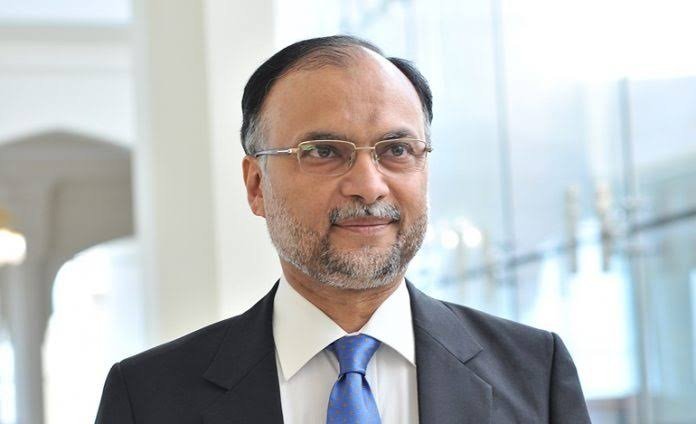
ISLAMABAD — Pakistan is set to embark on a strategic diversification of its product and market portfolios to achieve a sustainable economic growth rate of six percent, according to Federal Minister for Planning, Development and Special Initiatives, Professor Ahsan Iqbal. The announcement was made on Thursday, highlighting the government’s commitment to bolstering export-led growth. What Happened In a recent statement, Federal Minister Ahsan Iqbal outlined the government’s strategy to enhance Pakistan’s economic growth by diversifying its export products and exploring new international markets. This initiative is part of a broader economic plan aimed at achieving a consistent growth rate of six percent. Minister Iqbal emphasized the importance of this approach, stating, “Diversification is crucial for sustainable growth and reducing dependency on a limited range of products and markets.” The government plans to introduce new policies that will encourage innovation and competitiveness among local industries. These policies are expected to foster an environment conducive to the development of new products and services that can compete on a global scale. Additionally, efforts will be made to identify and penetrate emerging markets that offer untapped potential for Pakistani exports. Minister Iqbal also highlighted the role of technology and innovation in this diversification strategy. By leveraging advancements in technology, Pakistan aims to enhance the quality and appeal of its products, making them more attractive to international buyers. “We must integrate technology into our production processes to meet global standards and demands,” he added. Background Historically, Pakistan’s economy has been heavily reliant on a narrow range of export products, primarily textiles and agriculture. This reliance has made the economy vulnerable to global market fluctuations and demand shifts. Previous attempts to diversify the economy have faced challenges, including political instability, lack of infrastructure, and limited access to technology. In recent years, the government has initiated several programs to address these challenges, including investments in infrastructure and technology. However, achieving significant diversification has remained elusive. The current initiative led by Minister Iqbal represents a renewed effort to overcome these obstacles and position Pakistan as a competitive player in the global market. Why It Matters The diversification of products and markets is critical for Pakistan’s economic stability and growth. By reducing dependency on traditional exports, the country can mitigate the risks associated with global economic downturns and trade disruptions. This strategy also opens up opportunities for job creation and increased foreign investment, both of which are essential for economic development. Economically, achieving a six percent growth rate would mark a significant improvement over recent years, where growth has been hampered by various internal and external factors. A diversified export portfolio could lead to a more resilient economy, capable of withstanding global economic shocks. Socially, this initiative could lead to improvements in living standards as new industries emerge and employment opportunities increase. It also has the potential to foster innovation and entrepreneurship, particularly among the youth, who are a vital demographic in Pakistan’s economic landscape. Internationally, a successful diversification strategy could enhance Pakistan’s trade relations and strengthen its position in global markets. By expanding its reach into new markets, Pakistan can build stronger economic ties and increase its influence on the international stage. Key Takeaways Pakistan aims to achieve a six percent economic growth rate through diversification of products and markets. The government plans to introduce policies that encourage innovation and competitiveness. Technology and innovation are central to the diversification strategy. Diversification could lead to economic stability, job creation, and increased foreign investment. Successful implementation could strengthen Pakistan’s international trade relations. Source Attribution This article is based on official government statements, press releases, and public communications from relevant authorities. Author: NEN Editorial Desk | Editor: NEN Newsroom | Fact Checked By: NEN Editorial Team Author: NEN Editorial Desk  |  Editor: NEN Newsroom  |  Last Updated: July 31, 2026  |  Source: NEN Reporter This article was produced by the NEN Editorial Desk in accordance with NEN Agency’s Editorial Policy and Fact-Checking Policy.

Pakistan

Pakistani Rupee Marginally Appreciates Against US Dollar

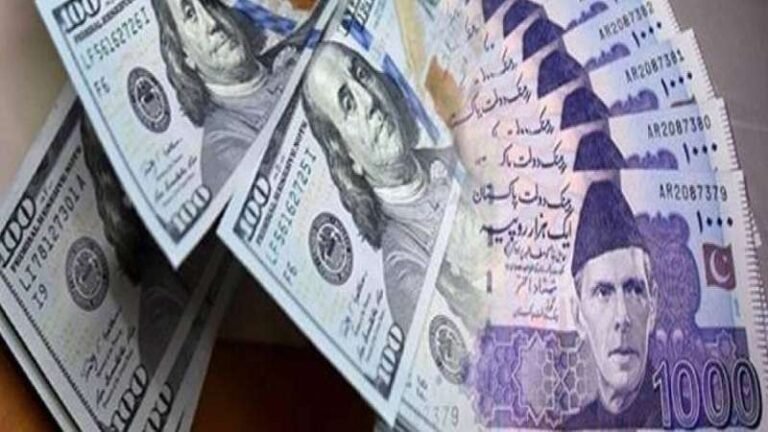
ISLAMABAD — On Thursday, the Pakistani Rupee experienced a slight appreciation of 01 paisa against the US Dollar in interbank trading, closing at Rs 277.81. This marks a minor improvement from the previous day’s closing rate of Rs 277.82, as reported by the Forex Association of Pakistan (FAP). What Happened The Pakistani Rupee’s appreciation by 01 paisa against the US Dollar reflects a subtle shift in the currency market dynamics. The closing rate of Rs 277.81 on Thursday indicates a fractional gain from Wednesday’s rate of Rs 277.82. The Forex Association of Pakistan (FAP) provided these figures, highlighting the minute fluctuations in the currency’s value. In the open market, the buying and selling rates of the US Dollar were recorded at slightly varied figures, showing the ongoing volatility in currency exchanges. While the interbank market saw a marginal gain, the open market rates continue to reflect broader economic conditions and investor sentiments. Currency traders and financial analysts closely monitor these fluctuations, as even minor changes can have significant implications for importers, exporters, and the overall economic landscape. The current exchange rate dynamics are influenced by multiple factors, including international market trends, domestic economic policies, and geopolitical developments. Background The Pakistani Rupee has experienced significant volatility over the past few years, influenced by both domestic and international factors. Historically, the Rupee has been under pressure due to a widening current account deficit, inflationary pressures, and external debt obligations. In recent months, the Rupee’s value has been affected by fluctuations in global oil prices, remittance inflows, and the government’s fiscal policies aimed at stabilizing the economy. The State Bank of Pakistan (SBP) has also played a crucial role in managing the currency’s stability through interventions and monetary policy adjustments. Previous trends have shown that the Rupee often faces depreciation pressures during periods of political instability or economic uncertainty. However, strategic interventions by the central bank and government measures have occasionally led to temporary stabilizations or appreciations, as seen in the current scenario. Why It Matters The slight appreciation of the Rupee against the US Dollar, though minimal, carries significant implications for Pakistan’s economy. A stronger Rupee can help reduce the cost of imports, particularly essential commodities such as oil, which can, in turn, ease inflationary pressures on the economy. For businesses engaged in international trade, currency stability is crucial. Importers benefit from a stronger Rupee as it lowers the cost of foreign goods, while exporters may face challenges as their products become relatively more expensive in international markets. The balance between these opposing forces is critical for maintaining economic equilibrium. Additionally, the currency’s performance is a key indicator for foreign investors assessing the stability and attractiveness of Pakistan’s market. A stable or appreciating Rupee can boost investor confidence, potentially leading to increased foreign direct investment (FDI) and portfolio investments. The Rupee’s value also affects the country’s external debt obligations, as a stronger currency can reduce the burden of dollar-denominated debt repayments. This can provide the government with more fiscal space to allocate resources towards development projects and social welfare programs. Key Takeaways The Pakistani Rupee appreciated by 01 paisa against the US Dollar in interbank trading, closing at Rs 277.81. This minor appreciation reflects the ongoing volatility and complex dynamics of the currency market. The Rupee’s performance is influenced by factors such as global oil prices, remittance inflows, and domestic economic policies. A stronger Rupee can reduce import costs and ease inflationary pressures, benefiting the economy. Currency stability is crucial for attracting foreign investment and managing external debt obligations. Source Attribution This article is based on official government statements, press releases, and public communications from relevant authorities. Author: NEN Editorial Desk | Editor: NEN Newsroom | Fact Checked By: NEN Editorial Team Author: NEN Editorial Desk  |  Editor: NEN Newsroom  |  Last Updated: July 31, 2026  |  Source: NEN Reporter This article was produced by the NEN Editorial Desk in accordance with NEN Agency’s Editorial Policy and Fact-Checking Policy.

Scroll to Top