
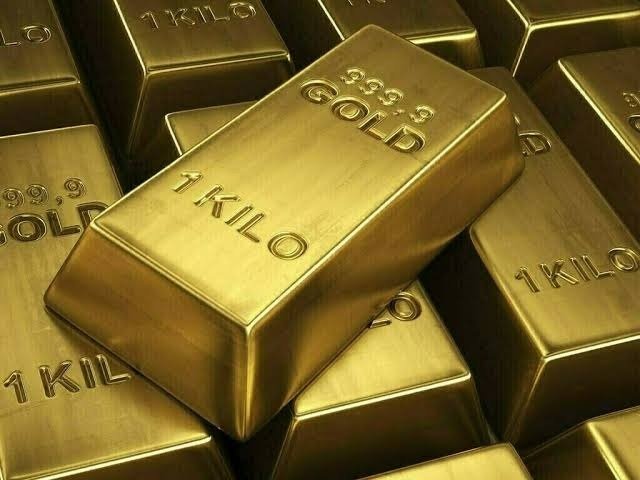
ISLAMABAD — Gold prices in Pakistan experienced a significant rise on Friday, with the cost of 24-karat gold increasing by Rs3,000 per tola, reaching Rs430,436. This adjustment in the local market was confirmed by the All Pakistan Sarafa Gems and Jewellers Association.
What Happened
The local gold market saw a notable surge in prices as the rate for 24-karat gold per tola rose by Rs3,000, settling at Rs430,436. This increase was reported by the All Pakistan Sarafa Gems and Jewellers Association, which regularly provides updates on precious metal prices. The rise in gold prices is attributed to various factors, including fluctuations in the international market and the value of the Pakistani rupee against the US dollar.
According to industry experts, the demand for gold typically increases during times of economic uncertainty, as investors seek safe-haven assets. This trend is consistent with global patterns where gold prices often rise when there is volatility in financial markets. The current geopolitical tensions and economic challenges have contributed to the increased demand for gold, thereby driving up prices.
In addition to the rise in gold prices, the local currency’s depreciation against the US dollar has also played a role. As the rupee weakens, the cost of importing gold increases, which in turn affects local prices. The recent fluctuations in the rupee’s value have made gold more expensive for Pakistani buyers.
Background
Gold has long been considered a valuable commodity and a hedge against inflation and currency devaluation. In Pakistan, gold is not only a popular investment but also holds cultural significance, often being used in weddings and other traditional ceremonies. The price of gold in the country is influenced by both international market trends and domestic economic conditions.
Historically, gold prices in Pakistan have seen periods of significant increases, particularly during times of economic instability. For instance, during the global financial crisis of 2008, gold prices surged as investors sought refuge in the precious metal. Similarly, the COVID-19 pandemic led to another spike in gold prices as uncertainty gripped global markets.
Why It Matters
The recent rise in gold prices has several implications for the Pakistani economy and its citizens. For investors, the increase represents a potential opportunity to profit from the appreciation of their gold holdings. However, for consumers, particularly those planning weddings or other events requiring gold jewelry, the higher prices may pose a financial burden.
The economic impact of rising gold prices extends beyond individual consumers. As gold becomes more expensive, it can contribute to inflationary pressures within the economy. This is particularly concerning for Pakistan, where inflation rates have already been a challenge for policymakers. The central bank may need to consider these factors when making decisions about interest rates and monetary policy.
On the international front, Pakistan’s gold market is closely tied to global trends. The country’s gold imports are influenced by international prices and currency exchange rates. As such, any significant changes in global gold prices can have a direct impact on Pakistan’s trade balance and foreign exchange reserves.
Key Takeaways
- Gold prices in Pakistan increased by Rs3,000 per tola, reaching Rs430,436.
- The rise is attributed to international market fluctuations and the rupee’s depreciation.
- Higher gold prices can affect consumers, particularly those purchasing jewelry for cultural events.
- Inflationary pressures may increase as gold becomes more expensive, impacting economic policy.
- Pakistan’s gold market is influenced by global trends and exchange rates.
Source Attribution
This article is based on official statements and data provided by the All Pakistan Sarafa Gems and Jewellers Association and other relevant authorities.














