
Pakistan

News related to Pakistan in Pakistan and around the world.

Pakistan

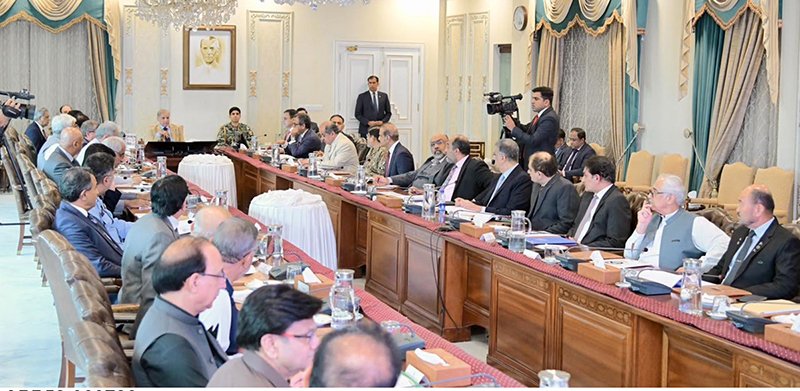
Prime Minister Shehbaz Sharif Reviews Power Division Challenges

ISLAMABAD — Prime Minister Shehbaz Sharif convened a high-level meeting on July 30 to address pressing issues within Pakistan’s Power Division. The meeting, held in Islamabad, focused on evaluating the current challenges and strategizing solutions to enhance the efficiency of the power sector. What Happened The meeting was chaired by Prime Minister Shehbaz Sharif and attended by key officials from the Power Division and other related departments. The primary agenda was to discuss the ongoing challenges faced by the power sector, including load shedding, circular debt, and the need for infrastructure upgrades. During the meeting, Prime Minister Sharif emphasized the importance of addressing these issues promptly to ensure a stable and reliable power supply across the country. “The energy sector is vital for our economic growth and development,” he stated, urging the officials to prioritize solutions that would lead to sustainable improvements. The discussions also covered the financial constraints faced by the Power Division, with a particular focus on the burgeoning circular debt, which has been a persistent problem for the sector. The Prime Minister directed the officials to devise a comprehensive plan to tackle this issue, highlighting the need for financial discipline and accountability. Furthermore, the meeting explored potential investments in renewable energy sources as a long-term strategy to diversify Pakistan’s energy mix. The Prime Minister stressed the significance of transitioning towards cleaner energy to mitigate environmental impacts and reduce dependency on imported fuels. Background Pakistan’s power sector has long been plagued by inefficiencies, including outdated infrastructure, financial mismanagement, and a growing demand-supply gap. The circular debt, which has reached alarming levels, continues to hinder the sector’s performance. Previous governments have attempted various reforms, but challenges persist, necessitating urgent attention from the current administration. The Power Division is responsible for overseeing the generation, transmission, and distribution of electricity in Pakistan. It plays a crucial role in ensuring that the country’s energy needs are met efficiently and sustainably. However, the division has struggled with operational inefficiencies and financial constraints, impacting its ability to deliver consistent power supply. Why It Matters The power sector’s challenges have far-reaching implications for Pakistan’s economy and its citizens. Frequent power outages disrupt daily life and hinder industrial productivity, affecting economic growth. Addressing these issues is crucial for attracting foreign investment and fostering a conducive business environment. The circular debt, in particular, poses a significant threat to the sector’s viability. It creates a financial burden on the government and limits the ability of power producers to invest in infrastructure upgrades and maintenance. Resolving this issue is essential for ensuring the sector’s sustainability and reliability. Moreover, transitioning to renewable energy sources is not only an environmental imperative but also a strategic move to enhance energy security. By reducing reliance on imported fuels, Pakistan can mitigate the impact of global energy price fluctuations and improve its trade balance. For citizens, a stable power supply means improved quality of life, with fewer disruptions to essential services and economic activities. It also supports the government’s broader goals of poverty alleviation and social development by enabling education, healthcare, and other critical services. Key Takeaways Prime Minister Shehbaz Sharif chaired a meeting to address challenges in the Power Division. The meeting focused on issues like load shedding, circular debt, and infrastructure upgrades. Emphasis was placed on transitioning to renewable energy for sustainable growth. Circular debt remains a significant hurdle for the sector’s financial health. Stable power supply is crucial for economic growth and improving citizens’ quality of life. Source Attribution This article is based on official government statements and public communications from relevant authorities. Author: NEN Editorial Desk | Editor: NEN Newsroom | Fact Checked By: NEN Editorial Team Author: NEN Editorial Desk  |  Editor: NEN Newsroom  |  Last Updated: July 31, 2026  |  Source: Press Release from Government of Pakistan This article was produced by the NEN Editorial Desk in accordance with NEN Agency’s Editorial Policy and Fact-Checking Policy.
Pakistan

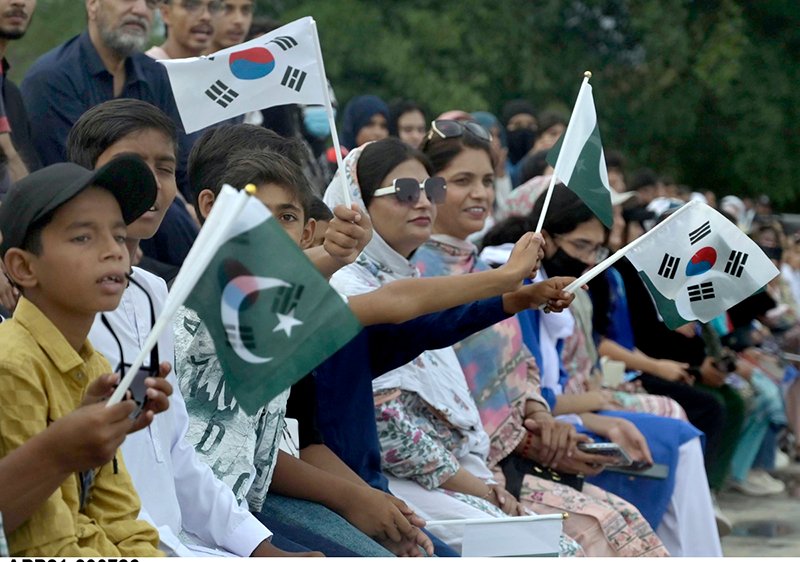
Pakistan-South Korea Hockey Series Kicks Off at Naseer Bunda Stadium

ISLAMABAD — The Pakistan-South Korea men’s field hockey test series commenced on July 30, 2023, at the Naseer Bunda Hockey Stadium in Islamabad, drawing an enthusiastic crowd of spectators eager to witness the first match of the series. What Happened The opening match of the test series between Pakistan and South Korea took place at the historic Naseer Bunda Hockey Stadium, located in the heart of Islamabad. The stadium was filled with hockey fans who gathered to support their national team and enjoy a thrilling display of skill and competition. The match marked the beginning of a series aimed at fostering sportsmanship and strengthening ties between the two nations through sports. The game was a closely contested affair, with both teams showcasing their prowess on the field. Players from both sides demonstrated exceptional skills, keeping the audience engaged with fast-paced action and strategic plays. The atmosphere was electric, with fans cheering and applauding every move and goal. Officials from the Pakistan Hockey Federation (PHF) were present at the event, emphasizing the importance of such international fixtures in promoting hockey in the region. A PHF spokesperson stated, “This series is a significant opportunity for our players to gain valuable experience against a strong opponent like South Korea.” The match concluded with a competitive scoreline, reflecting the high level of play exhibited by both teams. The series is expected to continue with more matches scheduled in the coming days, providing further opportunities for both teams to showcase their abilities. Background Field hockey has a rich history in Pakistan, with the national team having achieved significant success on the international stage in the past. Pakistan has won several Olympic and World Cup titles, making it one of the most successful teams in the history of the sport. However, in recent years, the team has faced challenges in maintaining its top-tier status, partly due to limited international exposure and competition. The Pakistan-South Korea test series is part of ongoing efforts by the PHF to revitalize the sport in the country. By hosting international matches, the federation aims to provide local players with the experience and exposure needed to compete at higher levels. South Korea, known for its competitive hockey team, offers a formidable challenge that can help Pakistani players hone their skills. Why It Matters This series holds significant importance for Pakistan’s hockey landscape. Firstly, it serves as a platform for local players to gain international experience, which is crucial for their development and the overall improvement of the national team. Competing against a team like South Korea, known for its tactical acumen and disciplined play, provides valuable learning opportunities for Pakistani players. Economically, hosting international sports events can boost local tourism and generate revenue for the host city. The influx of visitors, including teams, officials, and fans, contributes to the local economy through spending on accommodation, food, and other services. Moreover, successful hosting of such events can enhance Pakistan’s reputation as a viable destination for international sports competitions. Socially, the series promotes the spirit of sportsmanship and unity among the youth, inspiring them to take up the sport and pursue excellence. It also strengthens bilateral relations between Pakistan and South Korea, showcasing sports as a means of fostering diplomatic ties and cultural exchange. Key Takeaways The Pakistan-South Korea men’s field hockey test series began on July 30, 2023, in Islamabad. The series aims to provide international exposure to Pakistani players and promote hockey in the region. Officials from the Pakistan Hockey Federation emphasized the importance of such fixtures for player development. The event contributes to the local economy and enhances Pakistan’s image as a host for international sports. The series fosters diplomatic relations and cultural exchange between Pakistan and South Korea. Source Attribution This article is based on official government statements, press releases, and public communications from relevant authorities. Author: NEN Editorial Desk | Editor: NEN Newsroom | Fact Checked By: NEN Editorial Team Author: NEN Editorial Desk  |  Editor: NEN Newsroom  |  Last Updated: July 30, 2026  |  Source: NEN Reporter This article was produced by the NEN Editorial Desk in accordance with NEN Agency’s Editorial Policy and Fact-Checking Policy.

Pakistan

Pakistan Aims for 6% Growth Through Product and Market Diversification

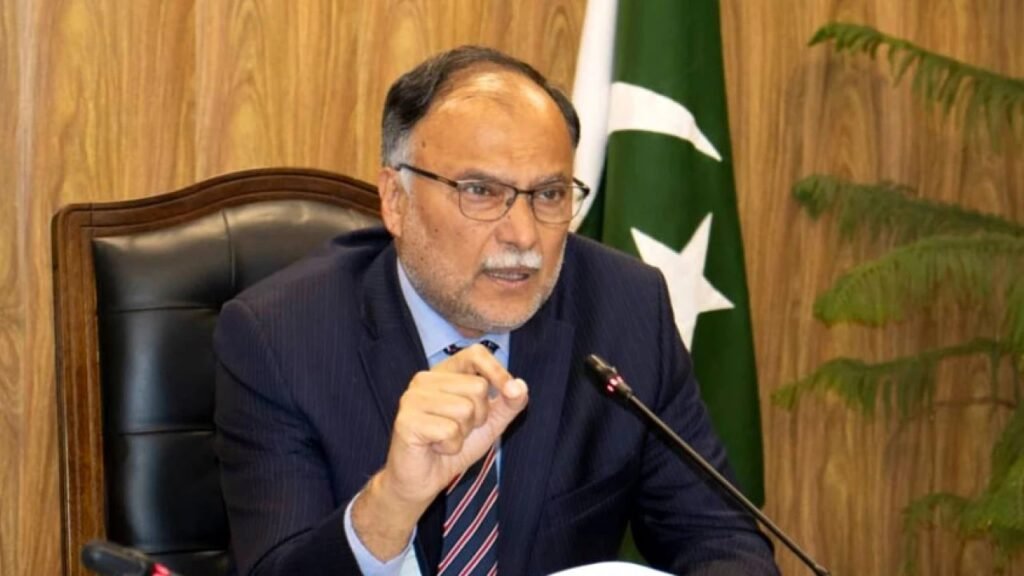
ISLAMABAD — The Pakistani government is actively working to diversify its product and market portfolios to achieve a sustainable export-led economic growth rate of at least six percent, according to Federal Minister for Planning, Development and Special Initiatives Ahsan Iqbal. This strategy, announced on Thursday, aims to stabilize and expand the country’s economic landscape. What Happened Federal Minister Ahsan Iqbal outlined the government’s strategic approach to economic growth during a press briefing, emphasizing the importance of diversifying both the products and markets that constitute Pakistan’s export portfolio. “We are committed to achieving a sustainable growth rate of at least six percent by diversifying our exports and entering new markets,” Iqbal stated. The minister highlighted the need for innovation in Pakistan’s export sector, which has traditionally been dominated by textiles and agriculture. By expanding into technology, pharmaceuticals, and engineering goods, the government aims to reduce dependency on a narrow range of products. This diversification is expected to mitigate risks associated with market fluctuations and enhance the resilience of the national economy. Iqbal also stressed the importance of tapping into new international markets. The government plans to strengthen trade ties with emerging economies in Africa, Latin America, and Central Asia, alongside deepening existing relationships with traditional partners like China, the United States, and the European Union. Background Historically, Pakistan’s economy has relied heavily on a limited range of exports, primarily textiles, which account for a significant portion of the country’s foreign exchange earnings. This reliance has made the economy vulnerable to global market changes and competition from other textile-producing nations. In recent years, the government has recognized the need to broaden its economic base. Past initiatives have included efforts to boost exports in sectors such as information technology and agriculture, but challenges such as infrastructure deficits and regulatory hurdles have impeded substantial progress. Previous administrations have also attempted to diversify trade partners, but geopolitical tensions and inconsistent policy implementation have often stalled these efforts. The current strategy seeks to overcome these barriers through comprehensive policy reforms and international collaboration. Why It Matters The government’s diversification strategy is crucial for Pakistan’s economic stability and growth. By expanding the range of exportable goods and exploring new markets, Pakistan aims to create a more robust economic framework that can withstand global economic shifts. Economically, achieving a six percent growth rate could significantly improve living standards in Pakistan. It would likely lead to increased employment opportunities, higher incomes, and improved public services. For a country with a burgeoning young population, such growth is essential to absorb the labor force entering the market each year. Socially, a diversified economy can contribute to reducing poverty and inequality by providing a broader array of job opportunities across different sectors. It can also foster innovation and entrepreneurship, leading to a more dynamic and competitive business environment. On the international front, strengthening trade relations with a diverse set of countries can enhance Pakistan’s geopolitical standing. By reducing economic dependency on a few trading partners, Pakistan can gain more leverage in international negotiations and foster stronger diplomatic ties. Key Takeaways Pakistan aims to achieve six percent export-led growth through product and market diversification. The government plans to expand beyond traditional textile exports into technology and pharmaceuticals. New trade relationships are being sought with emerging markets in Africa, Latin America, and Central Asia. Diversification is expected to enhance economic resilience and mitigate market risks. The strategy could improve employment, reduce poverty, and strengthen Pakistan’s international position. Source Attribution This article is based on official government statements, press releases, and public communications from relevant authorities. Author: NEN Editorial Desk | Editor: NEN Newsroom | Fact Checked By: NEN Editorial Team Author: NEN Editorial Desk  |  Editor: NEN Newsroom  |  Last Updated: July 30, 2026  |  Source: NEN Reporter This article was produced by the NEN Editorial Desk in accordance with NEN Agency’s Editorial Policy and Fact-Checking Policy.
Pakistan

Gold Prices Increase by Rs1,000 Per Tola in Pakistan

ISLAMABAD — The price of gold in Pakistan experienced a notable increase on Thursday, with the cost of 24-karat gold rising by Rs1,000 per tola, reaching a new rate of Rs427,436. This adjustment in gold prices was confirmed by the All Pakistan Sarafa Gems and Jewellers Association, reflecting ongoing fluctuations in the precious metals market. What Happened The All Pakistan Sarafa Gems and Jewellers Association reported a significant rise in gold prices, with the cost per tola of 24-karat gold reaching Rs427,436. This increase of Rs1,000 per tola marks a substantial shift in the local market dynamics. The association’s data indicates that this adjustment is part of a broader trend influenced by both domestic and international market conditions. Gold prices are subject to various factors, including changes in the international market, currency exchange rates, and local demand. The recent increase aligns with global trends where gold prices have been fluctuating due to economic uncertainties and geopolitical tensions. The local market’s response to these international cues is evident in the latest price adjustments. According to market analysts, the rise in gold prices can also be attributed to the depreciation of the Pakistani rupee against the US dollar. As the rupee weakens, the cost of importing gold increases, subsequently affecting local prices. This scenario is compounded by the ongoing economic challenges faced by Pakistan, including inflationary pressures and fiscal constraints. Background Gold has historically been a significant asset in Pakistan, both as an investment and a cultural commodity. Traditionally, gold is purchased for weddings, religious festivals, and as a hedge against inflation. The price of gold in Pakistan is influenced by international market trends, as well as local economic conditions. In recent years, the gold market in Pakistan has experienced volatility, driven by global economic shifts and local currency fluctuations. The All Pakistan Sarafa Gems and Jewellers Association regularly updates gold prices, providing a benchmark for traders and consumers. These updates are crucial for maintaining market stability and ensuring transparency in pricing. Why It Matters The increase in gold prices has significant implications for various stakeholders in Pakistan. For consumers, particularly those planning weddings or purchasing gold as an investment, the rise in prices may necessitate adjustments in budgeting and expenditure. The cultural significance of gold in Pakistan means that price changes can have a direct impact on household financial planning. For investors, the rise in gold prices presents both opportunities and challenges. On one hand, higher prices can lead to increased returns on gold investments. On the other hand, potential buyers may face barriers to entry due to the elevated costs. This dynamic can influence investment strategies and portfolio diversification decisions. Economically, the increase in gold prices reflects broader trends in inflation and currency depreciation. As the cost of living rises, the purchasing power of consumers is affected, leading to potential shifts in consumption patterns. Moreover, the impact on the jewellery industry, a significant sector in Pakistan’s economy, could result in changes in production and sales strategies. Key Takeaways The price of 24-karat gold in Pakistan rose by Rs1,000 per tola, reaching Rs427,436. Factors influencing the price increase include international market trends and local currency depreciation. The rise in gold prices affects consumers, investors, and the jewellery industry in Pakistan. Gold remains a culturally significant asset in Pakistan, influencing financial planning and investment strategies. The economic implications of rising gold prices are linked to broader inflationary pressures and currency fluctuations. Source Attribution This article is based on official government statements, press releases, and public communications from relevant authorities. Author: NEN Editorial Desk | Editor: NEN Newsroom | Fact Checked By: NEN Editorial Team Author: NEN Editorial Desk  |  Editor: NEN Newsroom  |  Last Updated: July 30, 2026  |  Source: NEN Reporter This article was produced by the NEN Editorial Desk in accordance with NEN Agency’s Editorial Policy and Fact-Checking Policy.
Pakistan

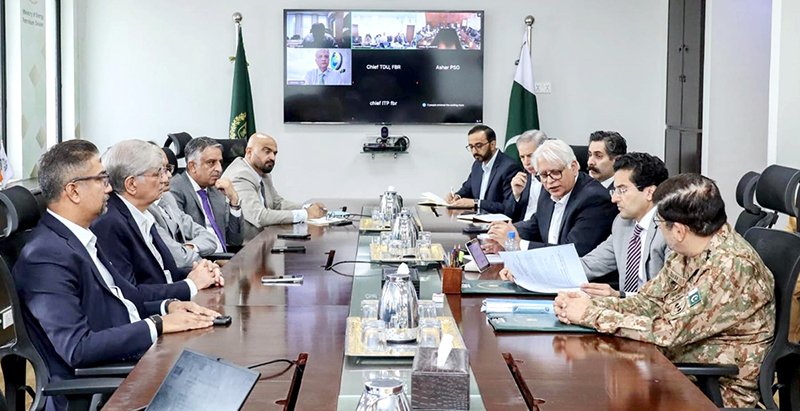
Government Raises Petrol And Diesel Prices Effective July 31, 2026

ISLAMABAD — The federal government announced an increase in the prices of petroleum products, with petrol rising by Rs1.09 and diesel by Rs2.42 per litre, effective from July 31, 2026. This adjustment is part of the revised petroleum pricing mechanism implemented by the Oil and Gas Regulatory Authority (OGRA). What Happened The Ministry of Energy (Petroleum Division) issued a notification detailing the new ex-depot prices of petroleum products. The decision, effective from July 31, 2026, comes as part of the government’s routine adjustments to align domestic fuel prices with international market trends. According to the notification, the price of petrol has been increased by Rs1.09 per litre, while high-speed diesel has seen a rise of Rs2.42 per litre. The increase in fuel prices is a response to fluctuating global oil prices, which have seen significant changes due to various geopolitical and economic factors. The government periodically reviews and adjusts fuel prices to ensure that domestic rates reflect international market conditions, aiming to stabilize the local economy while managing the fiscal deficit. OGRA, the regulatory body responsible for overseeing the oil and gas sector, plays a crucial role in determining these price adjustments. The authority considers various factors, including the exchange rate, international oil prices, and domestic market conditions, before finalizing any changes. Background Pakistan’s petroleum pricing mechanism has been subject to periodic revisions, with the government adjusting prices based on international oil market trends. The country imports a significant portion of its petroleum needs, making it vulnerable to global price fluctuations. Historically, changes in fuel prices have had a direct impact on inflation and the cost of living, affecting transportation costs and the prices of goods and services. The government has often faced criticism for fuel price hikes, as they directly affect the daily lives of citizens. However, these adjustments are deemed necessary to maintain economic stability and ensure the availability of petroleum products in the domestic market. The pricing mechanism is designed to balance consumer interests with fiscal responsibility, aiming to minimize the impact on the economy while ensuring revenue generation for the government. Why It Matters The increase in petrol and diesel prices has significant implications for the Pakistani economy and its citizens. Fuel prices are a critical component of the overall cost of living, influencing transportation costs, commodity prices, and inflation rates. As such, any increase can lead to higher expenses for households and businesses, potentially affecting economic growth and consumer spending. For the government, adjusting fuel prices is a delicate balancing act between generating revenue and managing public discontent. The additional revenue from increased fuel prices can help address fiscal challenges, including budget deficits and funding for essential services. However, it also risks exacerbating inflationary pressures, which can lead to public dissatisfaction and political challenges. Internationally, the adjustment reflects Pakistan’s reliance on global oil markets and underscores the importance of energy security and diversification. As the country continues to navigate economic challenges, including foreign exchange constraints and trade imbalances, managing fuel prices remains a critical aspect of economic policy. Key Takeaways The government has increased petrol prices by Rs1.09 and diesel by Rs2.42 per litre, effective July 31, 2026. The price adjustment aligns domestic fuel prices with international market trends. OGRA plays a key role in determining price changes based on various economic factors. Fuel price increases impact inflation, transportation costs, and the cost of living. The adjustment highlights Pakistan’s reliance on global oil markets and the need for energy diversification. Source Attribution This article is based on official government statements, press releases, and public communications from relevant authorities. Author: NEN Editorial Desk | Editor: NEN Newsroom | Fact Checked By: NEN Editorial Team Author: NEN Editorial Desk  |  Editor: NEN Newsroom  |  Last Updated: July 30, 2026  |  Source: Press Release from Ministry of Energy This article was produced by the NEN Editorial Desk in accordance with NEN Agency’s Editorial Policy and Fact-Checking Policy.

Pakistan

Federal Committee Reviews Petroleum Pricing Mechanism in Islamabad

ISLAMABAD — The fifth meeting of the committee established by Prime Minister Shehbaz Sharif to evaluate the petroleum pricing mechanism convened on July 30 under the leadership of Federal Minister for Petroleum, Ali Pervaiz Malik. The meeting aimed to address the ongoing challenges in the petroleum sector and explore potential adjustments to the pricing framework in Pakistan. What Happened The meeting, held in Islamabad, was attended by key stakeholders from the petroleum industry, government officials, and economic experts. During the session, participants engaged in comprehensive discussions on the current petroleum pricing mechanism, examining its impact on the economy and consumers. Federal Minister Ali Pervaiz Malik emphasized the need for a transparent and fair pricing strategy that aligns with international standards while considering the economic realities of Pakistan. According to official statements, the committee reviewed various pricing models and international practices to identify potential improvements. The discussions also focused on the implications of global oil price fluctuations and their direct effects on Pakistan’s economy. Minister Malik stated, “Our objective is to ensure that the pricing mechanism is both sustainable and equitable, providing relief to consumers while maintaining the financial health of the sector.” The meeting concluded with a consensus on the necessity for further analysis and consultation with industry experts to refine the pricing strategy. The committee plans to present its findings and recommendations to the Prime Minister in the coming weeks. Background The petroleum pricing mechanism in Pakistan has been a subject of intense debate and scrutiny over the years. Historically, the government has faced challenges in balancing consumer interests with the financial viability of the petroleum sector. Frequent fluctuations in international oil prices, coupled with domestic economic pressures, have complicated the pricing strategy. In recent years, the government has implemented various measures to stabilize prices, including subsidies and adjustments in tax rates. However, these efforts have often been met with criticism from both consumers and industry stakeholders, who argue that the system lacks transparency and predictability. Why It Matters The review of the petroleum pricing mechanism holds significant implications for Pakistan’s economy and its citizens. Petroleum products are a critical component of the country’s energy mix, influencing transportation costs, industrial production, and overall inflation rates. Any changes to the pricing structure could have widespread economic repercussions. For consumers, a fair and transparent pricing mechanism could lead to more predictable fuel costs, easing the financial burden on households and businesses. This is particularly important in the current economic climate, where inflationary pressures are affecting purchasing power and living standards. From an economic perspective, a well-structured pricing mechanism can enhance the financial stability of the petroleum sector, attracting investment and fostering growth. It can also improve the government’s fiscal position by optimizing revenue from petroleum taxes and reducing the need for subsidies. Internationally, aligning Pakistan’s pricing strategy with global standards could enhance the country’s credibility and attractiveness to foreign investors. It signals a commitment to economic reform and stability, which is crucial for fostering international partnerships and trade relations. Key Takeaways The committee, led by Federal Minister Ali Pervaiz Malik, reviewed the petroleum pricing mechanism in Islamabad. Discussions focused on aligning the pricing strategy with international standards and economic realities. The review aims to ensure a fair and transparent pricing system for consumers and the industry. Changes to the pricing mechanism could significantly impact Pakistan’s economy and inflation rates. The committee plans to present its recommendations to the Prime Minister soon. Source Attribution This article is based on official government statements, press releases, and public communications from relevant authorities. Author: NEN Editorial Desk | Editor: NEN Newsroom | Fact Checked By: NEN Editorial Team Author: NEN Editorial Desk  |  Editor: NEN Newsroom  |  Last Updated: July 30, 2026  |  Source: Press Release from Government of Pakistan This article was produced by the NEN Editorial Desk in accordance with NEN Agency’s Editorial Policy and Fact-Checking Policy.

Pakistan

Pakistan Triumphs Over South Korea 3-1 In Hockey Series Opener

ISLAMABAD — Pakistan’s national hockey team commenced their four-match test series against South Korea with a decisive 3-1 victory in the first match held at the Naseer Bunda Hockey Stadium on Thursday. The home team exhibited a commanding performance, particularly in the second quarter, setting a positive tone for the series. What Happened The opening match of the series saw Pakistan asserting dominance early on, with their offensive strategies paying off. The team scored twice in the second quarter, establishing a strong lead against the South Korean team. The Pakistani players demonstrated exceptional skill and coordination, which was evident in their ability to break through the South Korean defense. Pakistan’s first goal came from a well-executed penalty corner, with forward Ali Shan making no mistake in finding the back of the net. The second goal followed shortly after, with midfielder Ammad Butt capitalizing on a defensive error by the South Koreans. The third goal, which sealed the victory for Pakistan, was scored in the final quarter by Rizwan Ali, who converted another penalty corner opportunity. South Korea managed to score a consolation goal in the third quarter, but it was not enough to challenge Pakistan’s lead. The visitors struggled to maintain possession and were unable to penetrate the robust Pakistani defense effectively. Background Pakistan and South Korea have a long-standing rivalry in field hockey, with both teams having a rich history in the sport. Pakistan, once a dominant force in international hockey, has been working to regain its status on the global stage. The test series against South Korea is seen as a crucial opportunity for Pakistan to test its mettle against a competitive Asian counterpart. Historically, Pakistan has been one of the most successful teams in field hockey, with three Olympic gold medals and four World Cup titles. However, in recent decades, the team has faced challenges, including a decline in international rankings and a lack of resources. The Pakistan Hockey Federation has been making efforts to revive the sport in the country, focusing on grassroots development and international exposure for the players. Why It Matters This victory is significant for Pakistan’s hockey team as it boosts morale and provides momentum for the remaining matches in the series. A strong performance against South Korea, a team known for its disciplined play and tactical acumen, indicates that Pakistan is on the right track in its efforts to reclaim its former glory. The win also has implications for the team’s international standing. Success in this series could improve Pakistan’s ranking, which is crucial for qualifying for major international tournaments such as the Olympics and the World Cup. Furthermore, it provides the players with valuable experience and exposure, which is essential for their development and the overall progress of the sport in Pakistan. On a broader scale, the victory is a source of national pride and can inspire young athletes across the country to take up the sport. Hockey, once the national sport of Pakistan, has the potential to unite communities and foster a sense of national identity. Reviving interest in hockey can also lead to increased investment and support for the sport, which is necessary for its sustained development. Key Takeaways Pakistan defeated South Korea 3-1 in the first match of a four-match test series. The match was held at the Naseer Bunda Hockey Stadium in Islamabad. Pakistan’s goals were scored by Ali Shan, Ammad Butt, and Rizwan Ali. The victory is crucial for boosting Pakistan’s international hockey standing. This win could inspire renewed interest and investment in field hockey in Pakistan. Source Attribution This article is based on official statements and public communications from the Pakistan Hockey Federation and other relevant authorities. Author: NEN Editorial Desk | Editor: NEN Newsroom | Fact Checked By: NEN Editorial Team Author: NEN Editorial Desk  |  Editor: NEN Newsroom  |  Last Updated: July 30, 2026  |  Source: NEN Reporter This article was produced by the NEN Editorial Desk in accordance with NEN Agency’s Editorial Policy and Fact-Checking Policy.
Pakistan

Petroleum Imports Rise 5.76% to $16.86 Billion in Pakistan for FY2025

ISLAMABAD — Pakistan’s petroleum imports increased by 5.76 percent, reaching $16.862 billion in the fiscal year 2025-26 compared to the previous year, according to the Pakistan Bureau of Statistics (PBS). This growth reflects changes in the import dynamics of various petroleum products, impacting the country’s energy sector and economic landscape. What Happened The overall petroleum imports for the fiscal year 2025-26 totaled $16,862.742 million, up from $15,943.726 million in the prior fiscal year. This rise was driven by significant increases in specific petroleum commodities. The import of petroleum products, a major component of the petroleum group, rose by 7.05 percent, amounting to $6,386.458 million compared to $5,966.060 million the previous year. Petroleum crude imports saw a substantial increase of 31.58 percent, escalating from $5,446.205 million to $7,165.937 million. Furthermore, the import of Liquefied Petroleum Gas (LPG) experienced a moderate rise of 3.21 percent, reaching $1,088.778 million from $1,054.937 million during the same period in the previous fiscal year. Conversely, the import of Liquefied Natural Gas (LNG) declined significantly by 36.10 percent, dropping from $3,476.159 million to $2,221.183 million. Other petroleum group products saw a slight increase of 5.88 percent, totaling $0.386 million compared to $0.365 million previously. On a year-on-year basis, the month of June 2026 witnessed a sharp increase in petroleum imports by 45.55 percent, reaching $1,909.516 million, compared to $1,311.918 million in June 2025. Additionally, on a month-on-month basis, imports rose by 32.98 percent in June 2026 from $1,435.930 million in May 2025. Background Pakistan’s energy sector heavily relies on imported petroleum products to meet its domestic energy demands. Historically, fluctuations in global oil prices and domestic economic conditions have significantly influenced the volume and cost of petroleum imports. The country’s energy policy and import strategies are shaped by these factors, alongside efforts to diversify energy sources and enhance self-sufficiency. The government has been working to balance the need for energy security with the economic implications of high import bills. Efforts have included exploring alternative energy sources, improving energy efficiency, and negotiating favorable trade terms to manage the impact of global oil price volatility on the national economy. Why It Matters The increase in petroleum imports has several implications for Pakistan’s economy. Firstly, it affects the country’s trade balance, as a higher import bill can widen the trade deficit, putting pressure on foreign exchange reserves. This situation necessitates careful economic management to ensure that the country can sustain its import needs without destabilizing its financial position. Economically, the rise in petroleum imports reflects ongoing energy consumption needs, driven by industrial growth and urbanization. However, the decline in LNG imports suggests a shift in the energy mix or a response to changing market conditions, which could impact energy pricing and availability for consumers and industries. Socially, the cost of energy imports can influence domestic fuel prices, affecting transportation and production costs across various sectors. This, in turn, impacts the cost of living and the overall inflation rate, influencing the purchasing power of citizens and the economic stability of households. Internationally, Pakistan’s import patterns can affect its trade relations, particularly with major oil-exporting countries. The country must navigate these relationships to secure favorable terms and ensure a stable supply of energy resources. Key Takeaways Petroleum imports in Pakistan increased by 5.76% to $16.86 billion in FY2025. Petroleum crude imports rose significantly by 31.58%, while LNG imports decreased by 36.10%. The increase in imports impacts Pakistan’s trade balance and foreign exchange reserves. Changes in energy import patterns reflect shifts in domestic energy consumption and market conditions. Economic and social implications include potential effects on inflation and household purchasing power. Source Attribution This article is based on official government statements, press releases, and public communications from the Pakistan Bureau of Statistics. Author: NEN Editorial Desk | Editor: NEN Newsroom | Fact Checked By: NEN Editorial Team Author: NEN Editorial Desk  |  Editor: NEN Newsroom  |  Last Updated: July 30, 2026  |  Source: NEN Reporter This article was produced by the NEN Editorial Desk in accordance with NEN Agency’s Editorial Policy and Fact-Checking Policy.

Pakistan

NBP Releases Latest Exchange Rates for Major Currencies

KARACHI — The Treasury Management Division of the National Bank of Pakistan (NBP) released the latest exchange rates for various major currencies on Thursday, July 30. The rates reflect the buying and selling prices for a range of international currencies against the Pakistani Rupee. What Happened The National Bank of Pakistan (NBP) announced its updated exchange rates for Thursday, detailing the buying and selling prices of several key currencies. According to the NBP, the US Dollar is being sold at Rs278.20 and bought at Rs277.70. The Euro is priced at Rs318.58 for selling and Rs318.01 for buying. The British Pound stands at Rs371.34 for selling and Rs370.67 for buying. Other notable currencies include the Japanese Yen, which is being sold at Rs1.7015 and bought at Rs1.6984, and the Swiss Franc, with a selling price of Rs341.17 and a buying price of Rs340.56. The Canadian Dollar is available at Rs197.99 for selling and Rs197.64 for buying, while the Australian Dollar is priced at Rs193.52 for selling and Rs193.17 for buying. Additionally, the NBP has set the exchange rates for the Swedish Krona at Rs28.79 for selling and Rs28.74 for buying, and the Norwegian Krone at Rs28.95 for selling and Rs28.90 for buying. The Danish Krone is available at Rs42.62 for selling and Rs42.54 for buying. The New Zealand Dollar is priced at Rs161.61 for selling and Rs161.32 for buying. In the Asian currency market, the Singapore Dollar is being sold at Rs215.67 and bought at Rs215.28, while the Hong Kong Dollar is priced at Rs35.47 for selling and Rs35.41 for buying. The Korean Won is set at Rs0.1928 for selling and Rs0.1925 for buying, and the Chinese Yuan is available at Rs41.15 for selling and Rs41.08 for buying. The exchange rates for the Malaysian Ringgit, Thai Baht, UAE Dirham, Saudi Riyal, Qatari Riyal, and Kuwaiti Dinar have also been updated. The Malaysian Ringgit is priced at Rs68.10 for selling and Rs67.98 for buying, while the Thai Baht is available at Rs8.30 for selling and Rs8.28 for buying. The UAE Dirham is set at Rs75.75 for selling and Rs75.61 for buying. The Saudi Riyal is priced at Rs74.10 for selling and Rs73.97 for buying, and the Qatari Riyal is available at Rs76.31 for selling and Rs76.18 for buying. Lastly, the Kuwaiti Dinar is being sold at Rs903.83 and bought at Rs902.21. Background The National Bank of Pakistan regularly updates its exchange rates to reflect the current market conditions and ensure transparency in financial transactions. Exchange rates are crucial for businesses, investors, and individuals engaging in international trade and remittances. The rates are influenced by various factors, including economic indicators, geopolitical events, and market speculation. Historically, the exchange rate of the Pakistani Rupee has been subject to fluctuations due to economic challenges, including inflation, trade deficits, and changes in foreign exchange reserves. The State Bank of Pakistan plays a significant role in managing the country’s monetary policy and exchange rate stability. Why It Matters The release of updated exchange rates by the NBP is significant for several reasons. Firstly, it provides businesses and individuals with the necessary information to make informed decisions regarding foreign exchange transactions. Accurate and timely exchange rate information is essential for exporters, importers, and those involved in the remittance market. For the Pakistani economy, exchange rates impact inflation, purchasing power, and the overall economic stability. A weaker Rupee can lead to higher import costs, contributing to inflationary pressures. Conversely, a stronger Rupee can enhance purchasing power but may affect the competitiveness of Pakistani exports. On an international level, exchange rates influence foreign investment decisions. Investors consider currency stability when evaluating investment opportunities in emerging markets like Pakistan. Therefore, the NBP’s exchange rate updates are closely monitored by both domestic and international stakeholders. Key Takeaways The NBP has released updated exchange rates for major currencies against the Pakistani Rupee. The US Dollar is being sold at Rs278.20 and bought at Rs277.70. Exchange rates impact inflation, purchasing power, and economic stability in Pakistan. Accurate exchange rate information is crucial for businesses and individuals involved in foreign transactions. Exchange rates are influenced by economic indicators, geopolitical events, and market speculation. Source Attribution This article is based on official government statements, press releases, and public communications from relevant authorities. Author: NEN Editorial Desk | Editor: NEN Newsroom | Fact Checked By: NEN Editorial Team Author: NEN Editorial Desk  |  Editor: NEN Newsroom  |  Last Updated: July 30, 2026  |  Source: NEN Reporter This article was produced by the NEN Editorial Desk in accordance with NEN Agency’s Editorial Policy and Fact-Checking Policy.

Pakistan

MG JW Automobile and RANCON Group Sign MoU to Enhance Vehicle Exports

ISLAMABAD — MG JW Automobile Pakistan and Bangladesh’s RANCON Group have signed a Memorandum of Understanding (MoU) aimed at boosting vehicle exports and fostering cooperation in the automotive sector between the two nations. The signing ceremony took place on Thursday, with Special Assistant to the Prime Minister on Industries and Production, Haroon Akhtar Khan, in attendance. What Happened The MoU between MG JW Automobile and RANCON Group signifies a strategic partnership designed to enhance the export of vehicles from Pakistan to Bangladesh. The agreement was formalized in a ceremony attended by key industry stakeholders and government officials, emphasizing the importance of bilateral trade relations in the automotive sector. According to the details shared during the event, the collaboration aims to leverage the strengths of both companies to expand their market presence in South Asia. Haroon Akhtar Khan, who witnessed the signing, highlighted the potential for increased economic cooperation between Pakistan and Bangladesh. He stated, “This agreement is a testament to the growing industrial ties between our countries and will pave the way for further economic collaboration.” The partnership is expected to facilitate technology transfer, enhance production capacities, and improve the overall quality of vehicles produced by both companies. The MoU outlines a framework for joint ventures, knowledge sharing, and the development of new automotive technologies that could benefit both markets. Background MG JW Automobile is a prominent player in Pakistan’s automotive industry, known for its production of a range of vehicles, including SUVs and sedans. The company has been actively seeking to expand its export markets as part of its growth strategy. RANCON Group, on the other hand, is a leading conglomerate in Bangladesh with interests in various sectors, including automotive, real estate, and telecommunications. The automotive sector in Pakistan has been undergoing significant changes, with the government implementing policies to encourage local manufacturing and exports. The Automotive Development Policy (2016-2021) was a pivotal step in this direction, aimed at attracting investment and fostering competition in the industry. Historically, trade relations between Pakistan and Bangladesh have been limited, with both countries primarily focusing on their respective regional markets. However, recent efforts to enhance bilateral trade have set the stage for increased collaboration in various sectors, including automotive. Why It Matters The MoU between MG JW Automobile and RANCON Group is significant for several reasons. Economically, it represents a potential boost to Pakistan’s automotive exports, contributing to the country’s foreign exchange earnings and supporting local industry growth. By tapping into the Bangladeshi market, MG JW Automobile can diversify its export portfolio and reduce dependence on traditional markets. Socially, the collaboration could lead to job creation and skill development in both countries. As the partnership progresses, it is likely to generate employment opportunities in manufacturing, sales, and after-sales services. Moreover, the exchange of technology and expertise can enhance the skill sets of workers in the automotive industry. Politically, the agreement is a step towards strengthening bilateral relations between Pakistan and Bangladesh. Improved economic ties can lead to greater political cooperation and understanding, fostering a more stable regional environment. On an international level, this collaboration aligns with the global trend of regional partnerships aimed at boosting economic growth and sustainability. By working together, Pakistan and Bangladesh can enhance their competitiveness in the global automotive market. Key Takeaways MG JW Automobile and Bangladesh’s RANCON Group have signed an MoU to boost vehicle exports. The agreement aims to enhance cooperation in the automotive sector between Pakistan and Bangladesh. The partnership is expected to facilitate technology transfer and production capacity enhancement. This collaboration could lead to job creation and skill development in both countries. The MoU strengthens bilateral relations, contributing to regional stability and economic growth. Source Attribution This article is based on official government statements, press releases, and public communications from relevant authorities. Author: NEN Editorial Desk | Editor: NEN Newsroom | Fact Checked By: NEN Editorial Team Author: NEN Editorial Desk  |  Editor: NEN Newsroom  |  Last Updated: July 30, 2026  |  Source: NEN Reporter This article was produced by the NEN Editorial Desk in accordance with NEN Agency’s Editorial Policy and Fact-Checking Policy.

Scroll to Top