
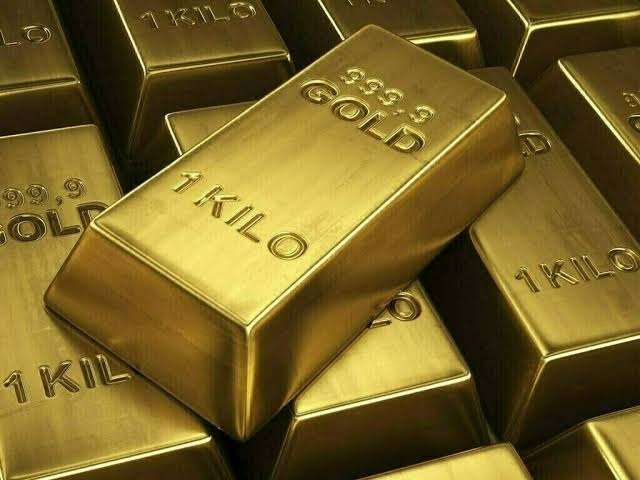
ISLAMABAD — The price of gold in Pakistan experienced a notable increase on Thursday, with the cost of 24-karat gold rising by Rs1,000 per tola, reaching a new rate of Rs427,436. This adjustment in gold prices was confirmed by the All Pakistan Sarafa Gems and Jewellers Association, reflecting ongoing fluctuations in the precious metals market.
What Happened
The All Pakistan Sarafa Gems and Jewellers Association reported a significant rise in gold prices, with the cost per tola of 24-karat gold reaching Rs427,436. This increase of Rs1,000 per tola marks a substantial shift in the local market dynamics. The association’s data indicates that this adjustment is part of a broader trend influenced by both domestic and international market conditions.
Gold prices are subject to various factors, including changes in the international market, currency exchange rates, and local demand. The recent increase aligns with global trends where gold prices have been fluctuating due to economic uncertainties and geopolitical tensions. The local market’s response to these international cues is evident in the latest price adjustments.
According to market analysts, the rise in gold prices can also be attributed to the depreciation of the Pakistani rupee against the US dollar. As the rupee weakens, the cost of importing gold increases, subsequently affecting local prices. This scenario is compounded by the ongoing economic challenges faced by Pakistan, including inflationary pressures and fiscal constraints.
Background
Gold has historically been a significant asset in Pakistan, both as an investment and a cultural commodity. Traditionally, gold is purchased for weddings, religious festivals, and as a hedge against inflation. The price of gold in Pakistan is influenced by international market trends, as well as local economic conditions.
In recent years, the gold market in Pakistan has experienced volatility, driven by global economic shifts and local currency fluctuations. The All Pakistan Sarafa Gems and Jewellers Association regularly updates gold prices, providing a benchmark for traders and consumers. These updates are crucial for maintaining market stability and ensuring transparency in pricing.
Why It Matters
The increase in gold prices has significant implications for various stakeholders in Pakistan. For consumers, particularly those planning weddings or purchasing gold as an investment, the rise in prices may necessitate adjustments in budgeting and expenditure. The cultural significance of gold in Pakistan means that price changes can have a direct impact on household financial planning.
For investors, the rise in gold prices presents both opportunities and challenges. On one hand, higher prices can lead to increased returns on gold investments. On the other hand, potential buyers may face barriers to entry due to the elevated costs. This dynamic can influence investment strategies and portfolio diversification decisions.
Economically, the increase in gold prices reflects broader trends in inflation and currency depreciation. As the cost of living rises, the purchasing power of consumers is affected, leading to potential shifts in consumption patterns. Moreover, the impact on the jewellery industry, a significant sector in Pakistan’s economy, could result in changes in production and sales strategies.
Key Takeaways
- The price of 24-karat gold in Pakistan rose by Rs1,000 per tola, reaching Rs427,436.
- Factors influencing the price increase include international market trends and local currency depreciation.
- The rise in gold prices affects consumers, investors, and the jewellery industry in Pakistan.
- Gold remains a culturally significant asset in Pakistan, influencing financial planning and investment strategies.
- The economic implications of rising gold prices are linked to broader inflationary pressures and currency fluctuations.
Source Attribution
This article is based on official government statements, press releases, and public communications from relevant authorities.














