
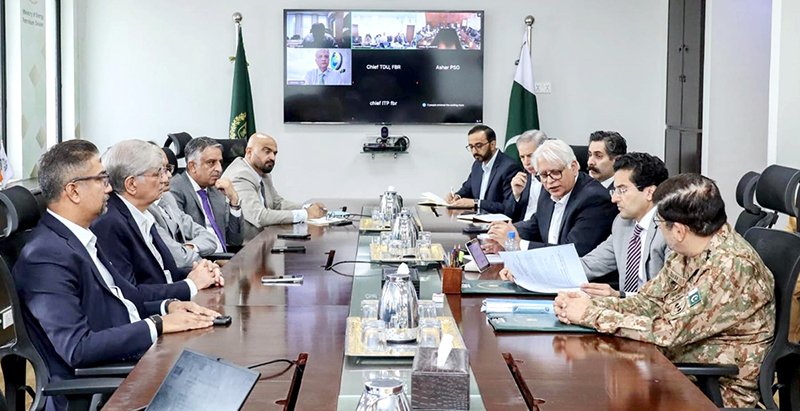
ISLAMABAD — The fifth meeting of the committee established by Prime Minister Shehbaz Sharif to evaluate the petroleum pricing mechanism convened on July 30 under the leadership of Federal Minister for Petroleum, Ali Pervaiz Malik. The meeting aimed to address the ongoing challenges in the petroleum sector and explore potential adjustments to the pricing framework in Pakistan.
What Happened
The meeting, held in Islamabad, was attended by key stakeholders from the petroleum industry, government officials, and economic experts. During the session, participants engaged in comprehensive discussions on the current petroleum pricing mechanism, examining its impact on the economy and consumers. Federal Minister Ali Pervaiz Malik emphasized the need for a transparent and fair pricing strategy that aligns with international standards while considering the economic realities of Pakistan.
According to official statements, the committee reviewed various pricing models and international practices to identify potential improvements. The discussions also focused on the implications of global oil price fluctuations and their direct effects on Pakistan’s economy. Minister Malik stated, “Our objective is to ensure that the pricing mechanism is both sustainable and equitable, providing relief to consumers while maintaining the financial health of the sector.”
The meeting concluded with a consensus on the necessity for further analysis and consultation with industry experts to refine the pricing strategy. The committee plans to present its findings and recommendations to the Prime Minister in the coming weeks.
Background
The petroleum pricing mechanism in Pakistan has been a subject of intense debate and scrutiny over the years. Historically, the government has faced challenges in balancing consumer interests with the financial viability of the petroleum sector. Frequent fluctuations in international oil prices, coupled with domestic economic pressures, have complicated the pricing strategy.
In recent years, the government has implemented various measures to stabilize prices, including subsidies and adjustments in tax rates. However, these efforts have often been met with criticism from both consumers and industry stakeholders, who argue that the system lacks transparency and predictability.
Why It Matters
The review of the petroleum pricing mechanism holds significant implications for Pakistan’s economy and its citizens. Petroleum products are a critical component of the country’s energy mix, influencing transportation costs, industrial production, and overall inflation rates. Any changes to the pricing structure could have widespread economic repercussions.
For consumers, a fair and transparent pricing mechanism could lead to more predictable fuel costs, easing the financial burden on households and businesses. This is particularly important in the current economic climate, where inflationary pressures are affecting purchasing power and living standards.
From an economic perspective, a well-structured pricing mechanism can enhance the financial stability of the petroleum sector, attracting investment and fostering growth. It can also improve the government’s fiscal position by optimizing revenue from petroleum taxes and reducing the need for subsidies.
Internationally, aligning Pakistan’s pricing strategy with global standards could enhance the country’s credibility and attractiveness to foreign investors. It signals a commitment to economic reform and stability, which is crucial for fostering international partnerships and trade relations.
Key Takeaways
- The committee, led by Federal Minister Ali Pervaiz Malik, reviewed the petroleum pricing mechanism in Islamabad.
- Discussions focused on aligning the pricing strategy with international standards and economic realities.
- The review aims to ensure a fair and transparent pricing system for consumers and the industry.
- Changes to the pricing mechanism could significantly impact Pakistan’s economy and inflation rates.
- The committee plans to present its recommendations to the Prime Minister soon.
Source Attribution
This article is based on official government statements, press releases, and public communications from relevant authorities.














