
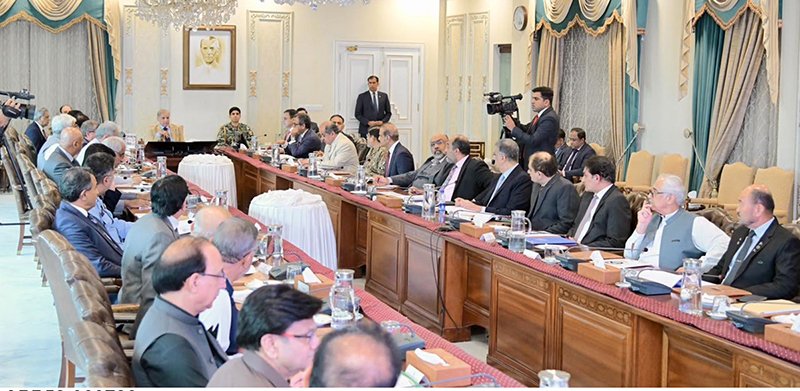
ISLAMABAD — Prime Minister Shehbaz Sharif convened a high-level meeting on July 30 to address pressing issues within Pakistan’s Power Division. The meeting, held in Islamabad, focused on evaluating the current challenges and strategizing solutions to enhance the efficiency of the power sector.
What Happened
The meeting was chaired by Prime Minister Shehbaz Sharif and attended by key officials from the Power Division and other related departments. The primary agenda was to discuss the ongoing challenges faced by the power sector, including load shedding, circular debt, and the need for infrastructure upgrades.
During the meeting, Prime Minister Sharif emphasized the importance of addressing these issues promptly to ensure a stable and reliable power supply across the country. “The energy sector is vital for our economic growth and development,” he stated, urging the officials to prioritize solutions that would lead to sustainable improvements.
The discussions also covered the financial constraints faced by the Power Division, with a particular focus on the burgeoning circular debt, which has been a persistent problem for the sector. The Prime Minister directed the officials to devise a comprehensive plan to tackle this issue, highlighting the need for financial discipline and accountability.
Furthermore, the meeting explored potential investments in renewable energy sources as a long-term strategy to diversify Pakistan’s energy mix. The Prime Minister stressed the significance of transitioning towards cleaner energy to mitigate environmental impacts and reduce dependency on imported fuels.
Background
Pakistan’s power sector has long been plagued by inefficiencies, including outdated infrastructure, financial mismanagement, and a growing demand-supply gap. The circular debt, which has reached alarming levels, continues to hinder the sector’s performance. Previous governments have attempted various reforms, but challenges persist, necessitating urgent attention from the current administration.
The Power Division is responsible for overseeing the generation, transmission, and distribution of electricity in Pakistan. It plays a crucial role in ensuring that the country’s energy needs are met efficiently and sustainably. However, the division has struggled with operational inefficiencies and financial constraints, impacting its ability to deliver consistent power supply.
Why It Matters
The power sector’s challenges have far-reaching implications for Pakistan’s economy and its citizens. Frequent power outages disrupt daily life and hinder industrial productivity, affecting economic growth. Addressing these issues is crucial for attracting foreign investment and fostering a conducive business environment.
The circular debt, in particular, poses a significant threat to the sector’s viability. It creates a financial burden on the government and limits the ability of power producers to invest in infrastructure upgrades and maintenance. Resolving this issue is essential for ensuring the sector’s sustainability and reliability.
Moreover, transitioning to renewable energy sources is not only an environmental imperative but also a strategic move to enhance energy security. By reducing reliance on imported fuels, Pakistan can mitigate the impact of global energy price fluctuations and improve its trade balance.
For citizens, a stable power supply means improved quality of life, with fewer disruptions to essential services and economic activities. It also supports the government’s broader goals of poverty alleviation and social development by enabling education, healthcare, and other critical services.
Key Takeaways
- Prime Minister Shehbaz Sharif chaired a meeting to address challenges in the Power Division.
- The meeting focused on issues like load shedding, circular debt, and infrastructure upgrades.
- Emphasis was placed on transitioning to renewable energy for sustainable growth.
- Circular debt remains a significant hurdle for the sector’s financial health.
- Stable power supply is crucial for economic growth and improving citizens’ quality of life.
Source Attribution
This article is based on official government statements and public communications from relevant authorities.














