
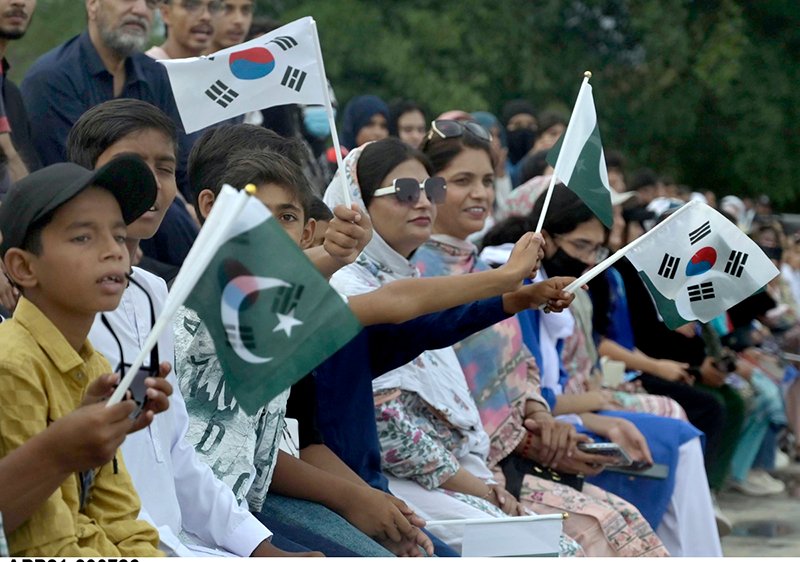
ISLAMABAD — The Pakistan-South Korea men’s field hockey test series commenced on July 30, 2023, at the Naseer Bunda Hockey Stadium in Islamabad, drawing an enthusiastic crowd of spectators eager to witness the first match of the series.
What Happened
The opening match of the test series between Pakistan and South Korea took place at the historic Naseer Bunda Hockey Stadium, located in the heart of Islamabad. The stadium was filled with hockey fans who gathered to support their national team and enjoy a thrilling display of skill and competition. The match marked the beginning of a series aimed at fostering sportsmanship and strengthening ties between the two nations through sports.
The game was a closely contested affair, with both teams showcasing their prowess on the field. Players from both sides demonstrated exceptional skills, keeping the audience engaged with fast-paced action and strategic plays. The atmosphere was electric, with fans cheering and applauding every move and goal.
Officials from the Pakistan Hockey Federation (PHF) were present at the event, emphasizing the importance of such international fixtures in promoting hockey in the region. A PHF spokesperson stated, “This series is a significant opportunity for our players to gain valuable experience against a strong opponent like South Korea.”
The match concluded with a competitive scoreline, reflecting the high level of play exhibited by both teams. The series is expected to continue with more matches scheduled in the coming days, providing further opportunities for both teams to showcase their abilities.
Background
Field hockey has a rich history in Pakistan, with the national team having achieved significant success on the international stage in the past. Pakistan has won several Olympic and World Cup titles, making it one of the most successful teams in the history of the sport. However, in recent years, the team has faced challenges in maintaining its top-tier status, partly due to limited international exposure and competition.
The Pakistan-South Korea test series is part of ongoing efforts by the PHF to revitalize the sport in the country. By hosting international matches, the federation aims to provide local players with the experience and exposure needed to compete at higher levels. South Korea, known for its competitive hockey team, offers a formidable challenge that can help Pakistani players hone their skills.
Why It Matters
This series holds significant importance for Pakistan’s hockey landscape. Firstly, it serves as a platform for local players to gain international experience, which is crucial for their development and the overall improvement of the national team. Competing against a team like South Korea, known for its tactical acumen and disciplined play, provides valuable learning opportunities for Pakistani players.
Economically, hosting international sports events can boost local tourism and generate revenue for the host city. The influx of visitors, including teams, officials, and fans, contributes to the local economy through spending on accommodation, food, and other services. Moreover, successful hosting of such events can enhance Pakistan’s reputation as a viable destination for international sports competitions.
Socially, the series promotes the spirit of sportsmanship and unity among the youth, inspiring them to take up the sport and pursue excellence. It also strengthens bilateral relations between Pakistan and South Korea, showcasing sports as a means of fostering diplomatic ties and cultural exchange.
Key Takeaways
- The Pakistan-South Korea men’s field hockey test series began on July 30, 2023, in Islamabad.
- The series aims to provide international exposure to Pakistani players and promote hockey in the region.
- Officials from the Pakistan Hockey Federation emphasized the importance of such fixtures for player development.
- The event contributes to the local economy and enhances Pakistan’s image as a host for international sports.
- The series fosters diplomatic relations and cultural exchange between Pakistan and South Korea.
Source Attribution
This article is based on official government statements, press releases, and public communications from relevant authorities.














