
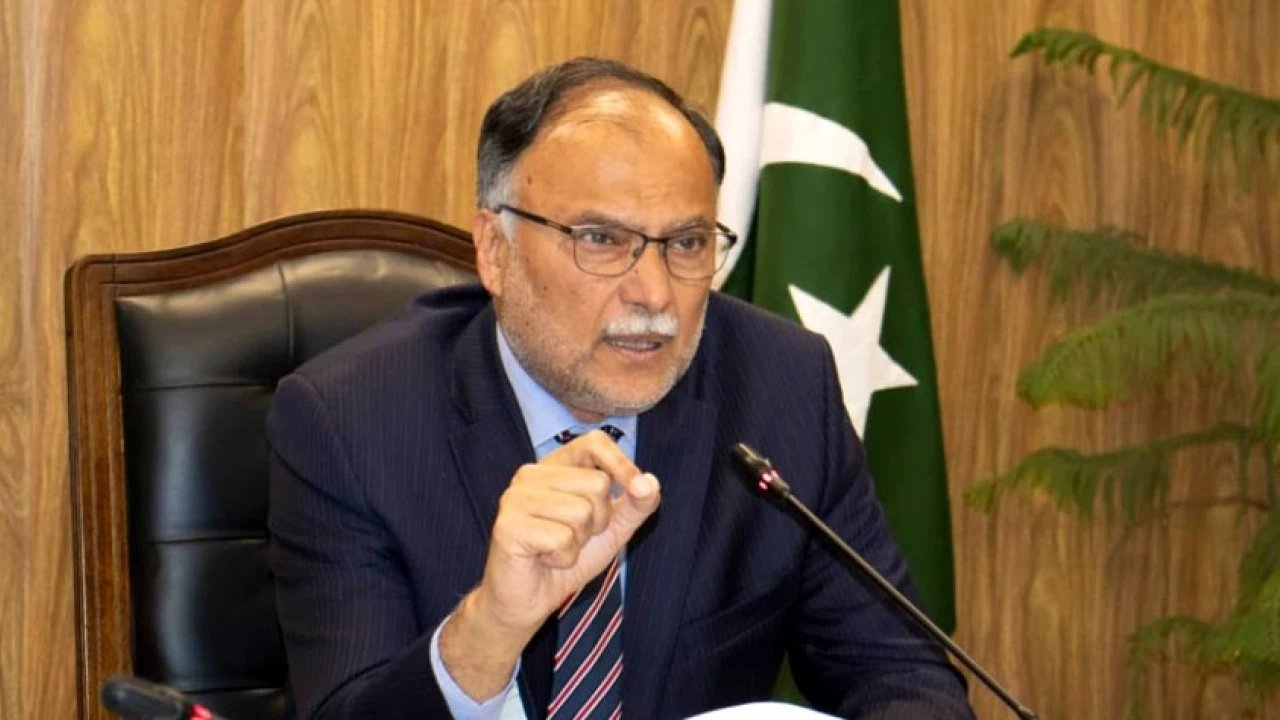
ISLAMABAD — The Pakistani government is actively working to diversify its product and market portfolios to achieve a sustainable export-led economic growth rate of at least six percent, according to Federal Minister for Planning, Development and Special Initiatives Ahsan Iqbal. This strategy, announced on Thursday, aims to stabilize and expand the country’s economic landscape.
What Happened
Federal Minister Ahsan Iqbal outlined the government’s strategic approach to economic growth during a press briefing, emphasizing the importance of diversifying both the products and markets that constitute Pakistan’s export portfolio. “We are committed to achieving a sustainable growth rate of at least six percent by diversifying our exports and entering new markets,” Iqbal stated.
The minister highlighted the need for innovation in Pakistan’s export sector, which has traditionally been dominated by textiles and agriculture. By expanding into technology, pharmaceuticals, and engineering goods, the government aims to reduce dependency on a narrow range of products. This diversification is expected to mitigate risks associated with market fluctuations and enhance the resilience of the national economy.
Iqbal also stressed the importance of tapping into new international markets. The government plans to strengthen trade ties with emerging economies in Africa, Latin America, and Central Asia, alongside deepening existing relationships with traditional partners like China, the United States, and the European Union.
Background
Historically, Pakistan’s economy has relied heavily on a limited range of exports, primarily textiles, which account for a significant portion of the country’s foreign exchange earnings. This reliance has made the economy vulnerable to global market changes and competition from other textile-producing nations.
In recent years, the government has recognized the need to broaden its economic base. Past initiatives have included efforts to boost exports in sectors such as information technology and agriculture, but challenges such as infrastructure deficits and regulatory hurdles have impeded substantial progress.
Previous administrations have also attempted to diversify trade partners, but geopolitical tensions and inconsistent policy implementation have often stalled these efforts. The current strategy seeks to overcome these barriers through comprehensive policy reforms and international collaboration.
Why It Matters
The government’s diversification strategy is crucial for Pakistan’s economic stability and growth. By expanding the range of exportable goods and exploring new markets, Pakistan aims to create a more robust economic framework that can withstand global economic shifts.
Economically, achieving a six percent growth rate could significantly improve living standards in Pakistan. It would likely lead to increased employment opportunities, higher incomes, and improved public services. For a country with a burgeoning young population, such growth is essential to absorb the labor force entering the market each year.
Socially, a diversified economy can contribute to reducing poverty and inequality by providing a broader array of job opportunities across different sectors. It can also foster innovation and entrepreneurship, leading to a more dynamic and competitive business environment.
On the international front, strengthening trade relations with a diverse set of countries can enhance Pakistan’s geopolitical standing. By reducing economic dependency on a few trading partners, Pakistan can gain more leverage in international negotiations and foster stronger diplomatic ties.
Key Takeaways
- Pakistan aims to achieve six percent export-led growth through product and market diversification.
- The government plans to expand beyond traditional textile exports into technology and pharmaceuticals.
- New trade relationships are being sought with emerging markets in Africa, Latin America, and Central Asia.
- Diversification is expected to enhance economic resilience and mitigate market risks.
- The strategy could improve employment, reduce poverty, and strengthen Pakistan’s international position.
Source Attribution
This article is based on official government statements, press releases, and public communications from relevant authorities.














