
Pakistan

News related to Pakistan in Pakistan and around the world.

Pakistan

Commerce Minister Advocates Enhanced Support for SMEs and Export Diversification

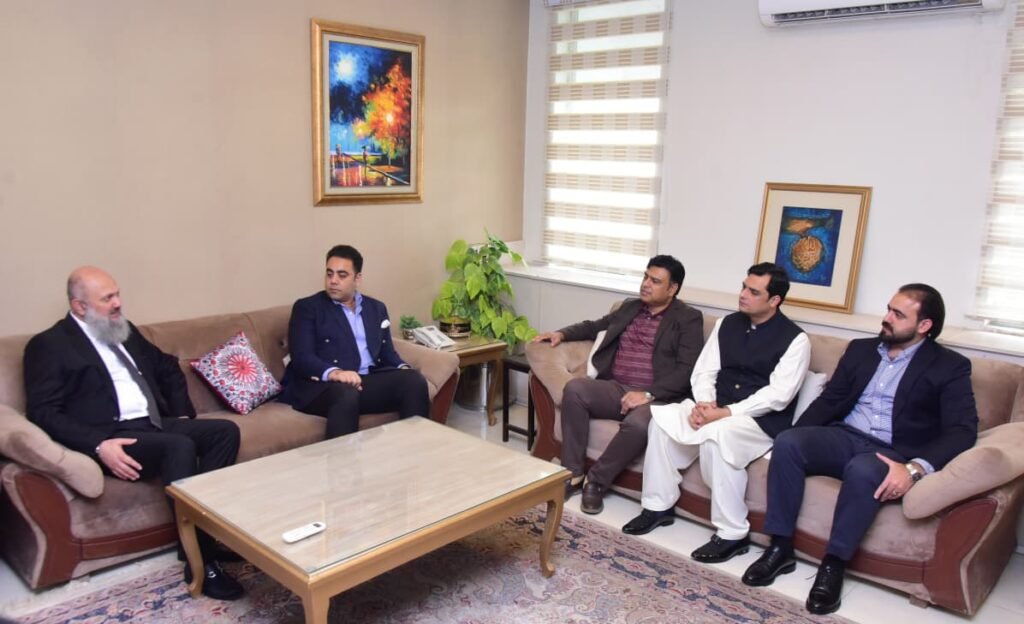
ISLAMABAD — Federal Minister for Commerce Jam Kamal Khan has called for increased support for small and medium enterprises (SMEs), export diversification, and industrial reforms in Pakistan. During a meeting with the Gujranwala Small Chamber of Commerce, held on Thursday, the minister discussed the various challenges facing the SME sector, including access to finance and regulatory hurdles. What Happened In a comprehensive dialogue with the delegation from the Gujranwala Small Chamber of Commerce, Commerce Minister Jam Kamal Khan emphasized the critical role of SMEs in Pakistan’s economic landscape. The meeting, which took place on Thursday, focused on identifying and addressing the barriers that hinder the growth and competitiveness of SMEs. According to the minister, SMEs are pivotal in driving economic growth, creating jobs, and enhancing export potential. The minister highlighted the need for a supportive regulatory framework that facilitates easier access to finance for SMEs. He pointed out that many small businesses struggle with obtaining necessary funding due to stringent banking requirements and lack of collateral. “We must work towards creating a more conducive environment for SMEs to thrive,” he stated, urging financial institutions to develop more SME-friendly lending policies. Furthermore, the minister stressed the importance of export diversification as a means to stabilize the economy and reduce dependency on a limited range of export goods. He advocated for the exploration of new markets and the promotion of non-traditional export sectors. “Diversifying our export base is essential for sustainable economic growth,” he remarked, adding that the government is committed to supporting initiatives that enhance industrial competitiveness. Background SMEs form the backbone of Pakistan’s economy, contributing significantly to GDP and employment. Historically, the sector has faced numerous challenges, including limited access to credit, inadequate infrastructure, and complex regulatory procedures. The government has initiated several programs aimed at supporting SMEs, such as the Prime Minister’s Youth Business Loan Scheme and the establishment of SME support centers. Export diversification has been a longstanding goal for Pakistan, which has traditionally relied on textiles as its primary export. Efforts to expand into other sectors, such as information technology, agriculture, and engineering goods, have been ongoing but require further policy support and investment. Why It Matters The emphasis on strengthening SMEs and diversifying exports is crucial for Pakistan’s economic resilience. SMEs are a significant source of employment, and their growth can lead to increased job creation and poverty alleviation. By addressing the financial and regulatory barriers faced by SMEs, the government can unlock the sector’s potential, leading to broader economic benefits. Export diversification is equally important as it reduces the country’s vulnerability to global market fluctuations. By expanding into new markets and sectors, Pakistan can achieve a more balanced trade portfolio, which is vital for economic stability. This approach not only enhances the country’s export revenues but also fosters innovation and competitiveness within the industrial sector. Moreover, these initiatives align with Pakistan’s broader economic reforms aimed at improving the ease of doing business, attracting foreign investment, and enhancing industrial productivity. As the country navigates economic challenges, including inflation and fiscal deficits, strengthening the SME sector and diversifying exports can provide a pathway to sustainable growth. Key Takeaways Commerce Minister Jam Kamal Khan calls for increased support for SMEs and export diversification. The minister emphasizes the need for a supportive regulatory framework and better access to finance for SMEs. Export diversification is highlighted as essential for sustainable economic growth and stability. SMEs play a critical role in Pakistan’s economy, contributing to GDP and employment. Government initiatives aim to address the challenges faced by SMEs and promote industrial competitiveness. Source Attribution This article is based on official government statements and public communications from relevant authorities. Author: NEN Editorial Desk | Editor: NEN Newsroom | Fact Checked By: NEN Editorial Team Author: NEN Editorial Desk  |  Editor: NEN Newsroom  |  Last Updated: July 30, 2026  |  Source: Press Release from Government of Pakistan This article was produced by the NEN Editorial Desk in accordance with NEN Agency’s Editorial Policy and Fact-Checking Policy.


Pakistan

President Zardari Condemns Hangu Police Checkpost Terrorist Attack

ISLAMABAD — President Asif Ali Zardari on Thursday condemned the terrorist attack on a police checkpost in Hangu district, expressing deep grief over the loss of lives, including Deputy Superintendent of Police (DSP) Diyar Khan. The attack, attributed to the militant group Fitna al-Khawarij, highlights ongoing security challenges in the region. What Happened On Thursday, a police checkpost in Hangu district came under attack by militants identified as members of the Fitna al-Khawarij group. The assault resulted in the martyrdom of DSP Diyar Khan and several other police personnel. The attack is part of a series of violent incidents targeting security forces in the area, underscoring the persistent threat posed by militant groups. President Zardari expressed his condolences to the families of the martyred officers, recognizing their sacrifices as a testament to the bravery and dedication of Pakistan’s law enforcement agencies. “The sacrifices of our brave police officers and personnel are a national asset and will not go in vain,” he stated, reaffirming the government’s commitment to combating terrorism. The attack has prompted an immediate response from security forces, who have launched a search operation in the surrounding areas to apprehend the perpetrators. The incident has also led to heightened security measures across the district to prevent further attacks. Background Hangu district, located in the Khyber Pakhtunkhwa province, has been a focal point of militant activity over the years. The region’s proximity to the tribal areas, historically a stronghold for various militant groups, has made it a frequent target for terrorist attacks. The Pakistani government has been engaged in continuous efforts to stabilize the region through military operations and peace initiatives. In recent years, the resurgence of militant activities has posed significant challenges to the security apparatus. The government has implemented various counter-terrorism strategies, including intelligence-based operations and community engagement programs, to curb the influence of extremist groups. Why It Matters The attack on the Hangu police checkpost is a stark reminder of the ongoing security challenges facing Pakistan. It underscores the persistent threat posed by militant groups, which continue to target security forces and disrupt peace in the region. The incident highlights the need for a robust and coordinated response from both federal and provincial authorities to address the root causes of militancy. The martyrdom of DSP Diyar Khan and his colleagues is a significant loss for the police force, which plays a crucial role in maintaining law and order. The attack has raised concerns about the safety of law enforcement personnel, who are often on the front lines in the fight against terrorism. It also emphasizes the importance of providing adequate resources and support to security forces to enhance their operational capabilities. On a broader scale, the attack impacts Pakistan’s efforts to project stability and security to international partners and investors. Persistent security threats can hinder economic growth and development, making it imperative for the government to address these challenges effectively. Key Takeaways President Asif Ali Zardari condemned the terrorist attack on a police checkpost in Hangu, expressing grief over the loss of lives. The attack, carried out by the Fitna al-Khawarij group, resulted in the martyrdom of DSP Diyar Khan and other police personnel. Security forces have launched operations to apprehend the attackers and prevent further incidents. Hangu district’s proximity to tribal areas makes it a frequent target for militant activities. The incident underscores the need for enhanced security measures and support for law enforcement agencies. Source Attribution This article is based on official government statements, press releases, and public communications from relevant authorities. Author: NEN Editorial Desk | Editor: NEN Newsroom | Fact Checked By: NEN Editorial Team Author: NEN Editorial Desk  |  Editor: NEN Newsroom  |  Last Updated: July 30, 2026  |  Source: Press Release from Government of Pakistan This article was produced by the NEN Editorial Desk in accordance with NEN Agency’s Editorial Policy and Fact-Checking Policy.

Pakistan

KP Chief Minister Condemns Hangu Police Check Post Attack, Demands Report

HANGU — Khyber Pakhtunkhwa Chief Minister Muhammad Sohail Afridi on Thursday condemned the terrorist attack on a police check post in Hangu district, calling for a comprehensive report from the Inspector General of Police. The attack, which took place earlier this week, has raised concerns about the security situation in the region. What Happened The attack on the police check post in Hangu district occurred late Wednesday night, resulting in casualties among law enforcement personnel. While the exact number of casualties has not been officially confirmed, initial reports suggest that several officers were injured in the assault. The attackers, whose identities remain unknown, managed to flee the scene before additional security forces arrived. Chief Minister Afridi expressed his strong condemnation of the attack, emphasizing the need for a thorough investigation to bring the perpetrators to justice. “Such acts of violence are unacceptable and will not deter our resolve to maintain peace and security in the province,” Afridi stated in a public address. He has directed the Inspector General of Police to expedite the investigation and provide a detailed report on the incident. The provincial government has also announced increased security measures in the area to prevent further incidents. Additional police forces have been deployed, and checkpoints are being reinforced to ensure the safety of residents and law enforcement personnel. Background Hangu district has historically been a hotspot for militant activity, given its strategic location near the tribal areas and the Afghanistan border. The region has witnessed numerous attacks over the past decade, targeting both security forces and civilians. The Pakistani government has been working to stabilize the area through military operations and development initiatives aimed at curbing extremism. In recent years, the security situation in Khyber Pakhtunkhwa has seen improvements due to concerted efforts by the military and law enforcement agencies. However, sporadic attacks continue to pose challenges, highlighting the persistent threat of terrorism in the region. Why It Matters The attack on the Hangu police check post is a stark reminder of the ongoing security challenges faced by Pakistan, particularly in regions bordering Afghanistan. The incident underscores the need for continued vigilance and enhanced security measures to protect both civilians and security personnel. Economically, such attacks can deter investment and development efforts in the region, as security concerns remain a significant factor for potential investors. The provincial government’s response to the attack, including the demand for a detailed report and increased security measures, is crucial in restoring confidence among residents and stakeholders. Politically, the attack places pressure on the provincial administration to demonstrate effective governance and security management. The public’s perception of safety and the government’s ability to protect its citizens are critical factors in maintaining political stability in the region. Internationally, the incident may affect Pakistan’s relations with neighboring countries, particularly Afghanistan, as cross-border militancy remains a contentious issue. Collaborative efforts and intelligence-sharing between the two nations are essential to address the root causes of terrorism and ensure regional stability. Key Takeaways Khyber Pakhtunkhwa Chief Minister Afridi condemned the Hangu police check post attack and sought a detailed report. The attack resulted in casualties among law enforcement officers, with the perpetrators still at large. Hangu district is a historically volatile region due to its proximity to tribal areas and Afghanistan. The incident highlights ongoing security challenges and the need for enhanced measures in the region. Political and economic implications include potential impacts on investment and regional stability. Source Attribution This article is based on official government statements, press releases, and public communications from relevant authorities. Author: NEN Editorial Desk | Editor: NEN Newsroom | Fact Checked By: NEN Editorial Team Author: NEN Editorial Desk  |  Editor: NEN Newsroom  |  Last Updated: July 30, 2026  |  Source: NEN Reporter This article was produced by the NEN Editorial Desk in accordance with NEN Agency’s Editorial Policy and Fact-Checking Policy.

Pakistan

RDA Issues Notices to 13 Illegal Housing Schemes in Rawalpindi

RAWALPINDI — The Rawalpindi Development Authority (RDA) has taken decisive action against unauthorized housing developments by issuing show-cause notices to the proprietors of 13 illegal housing schemes. This move, announced on Tuesday, aims to curb unauthorized development, illegal plot bookings, and unlawful advertising practices within the region. What Happened The RDA’s recent crackdown targets 13 housing schemes and land sub-divisions that have been operating without the necessary legal approvals. According to an official statement, these schemes have been involved in unauthorized development activities, which include illegal plot bookings and misleading advertising campaigns designed to attract unsuspecting investors. The authority has issued show-cause notices to the owners and developers of these schemes, demanding an immediate halt to all unauthorized activities. The RDA has also warned potential investors to exercise caution and verify the legal status of housing projects before making any financial commitments. The notice serves as a formal warning to the developers, urging them to comply with the legal requirements or face stringent legal actions. RDA’s spokesperson emphasized the importance of adhering to the legal framework governing real estate development in the region. “We are committed to ensuring that all housing schemes operate within the legal parameters set by the government. Unauthorized developments not only violate the law but also pose significant risks to investors and the community,” the spokesperson stated. Background Illegal housing schemes have been a persistent issue in Rawalpindi and other parts of Pakistan, often resulting in financial losses for investors and legal complications for developers. The RDA, as the regulatory body, is responsible for overseeing urban development and ensuring compliance with legal standards. In recent years, the authority has ramped up efforts to identify and take action against unauthorized developments. The problem of illegal housing schemes is compounded by the rapid urbanization and high demand for residential properties in the region. Many developers, seeking to capitalize on this demand, bypass legal procedures, leading to projects that lack proper infrastructure and legal backing. The RDA’s actions are part of a broader initiative to regulate the real estate sector and protect consumer interests. Why It Matters The issuance of notices to these illegal housing schemes is significant for several reasons. Firstly, it underscores the RDA’s commitment to enforcing legal compliance in the real estate sector. By taking action against unauthorized developments, the authority aims to protect investors from potential financial losses and ensure that urban development occurs in a structured and sustainable manner. Secondly, this move is crucial for maintaining public trust in the real estate market. Illegal schemes often result in incomplete projects, lack of basic amenities, and legal disputes, all of which can deter potential investors. By cracking down on such schemes, the RDA is working to create a more transparent and reliable market environment. Moreover, the RDA’s actions have broader implications for urban planning and development in Rawalpindi. By regulating housing schemes, the authority can ensure that developments align with the city’s infrastructure capabilities and environmental considerations. This approach is essential for sustainable urban growth and the well-being of residents. Key Takeaways The RDA has issued show-cause notices to 13 illegal housing schemes in Rawalpindi. The notices address unauthorized development, illegal plot bookings, and unlawful advertising. Potential investors are advised to verify the legal status of housing projects before investing. The RDA’s actions aim to protect investors and ensure sustainable urban development. Illegal housing schemes pose significant risks to investors and urban infrastructure. Source Attribution This article is based on official statements and public communications from the Rawalpindi Development Authority and other relevant authorities. Author: NEN Editorial Desk | Editor: NEN Newsroom | Fact Checked By: NEN Editorial Team Author: NEN Editorial Desk  |  Editor: NEN Newsroom  |  Last Updated: July 30, 2026  |  Source: NEN Reporter This article was produced by the NEN Editorial Desk in accordance with NEN Agency’s Editorial Policy and Fact-Checking Policy.
Pakistan

Faisalabad District Intensifies Anti-Dengue Efforts Amid Monsoon Season

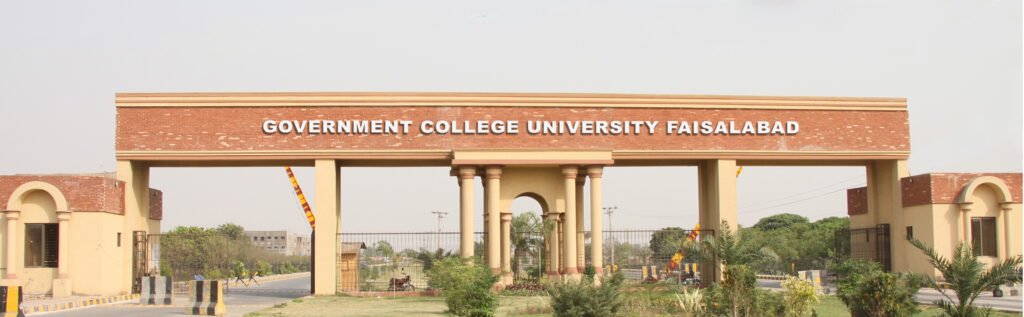
FAISALABAD — The district administration of Faisalabad has ramped up its anti-dengue surveillance operations in response to the ongoing monsoon season, which provides ideal conditions for the breeding of dengue-carrying mosquitoes. This initiative was confirmed during a meeting chaired by Deputy Commissioner Noman Siddique on Wednesday, where the current dengue situation and preventive measures were thoroughly reviewed. What Happened The meeting, attended by Assistant Commissioners, Health Department officials, and other concerned officers, focused on the heightened risk of dengue larvae breeding due to the monsoon rains. Deputy Commissioner Siddique emphasized the need for all departments to remain vigilant and proactive. He instructed that water should not be allowed to accumulate in any area post-rainfall, as stagnant water serves as a breeding ground for mosquitoes. Specific instructions were given to inspect potential hotspots, including junkyards, tire shops, and under-construction buildings, to ensure they do not become breeding sites. Anti-dengue teams have been directed to maintain active field presence and submit daily surveillance reports. The Deputy Commissioner warned that any negligence or carelessness in these field activities would not be tolerated. In addition to the administrative efforts, Deputy Commissioner Siddique appealed to the public to adopt precautionary measures during the monsoon season. He advised citizens to keep the roofs of their houses, pots, water containers, and tanks clean to prevent mosquito breeding. Background Dengue fever, a mosquito-borne viral infection, poses a significant health challenge in Pakistan, particularly during the monsoon season when the Aedes aegypti mosquito, the primary vector, finds optimal conditions for breeding. Historically, the country has experienced outbreaks that have put immense pressure on the healthcare system. In recent years, the government has implemented several initiatives to combat dengue, including public awareness campaigns, community engagement, and the deployment of surveillance and fumigation teams. Despite these efforts, the recurring nature of dengue outbreaks highlights the need for continuous vigilance and improved preventive strategies. Why It Matters The intensification of anti-dengue measures in Faisalabad is crucial not only for the health and safety of its residents but also for the broader public health landscape in Pakistan. Dengue fever can lead to severe health complications, including dengue hemorrhagic fever and dengue shock syndrome, which can be fatal if not treated promptly. Economically, dengue outbreaks can strain public health resources, diverting funds and attention from other critical health issues. The proactive measures taken by the Faisalabad administration aim to mitigate these impacts by reducing the incidence of dengue cases through effective surveillance and community cooperation. Socially, the initiative underscores the importance of community involvement in public health efforts. By urging citizens to maintain cleanliness and eliminate potential mosquito breeding sites, the administration is fostering a sense of shared responsibility in combating the dengue threat. Internationally, Pakistan’s efforts to control dengue are part of a larger global health initiative to reduce the burden of mosquito-borne diseases. Successful management of dengue in Pakistan contributes to regional health security and aligns with global health goals. Key Takeaways The Faisalabad district administration has intensified anti-dengue surveillance due to the monsoon season. Deputy Commissioner Noman Siddique has directed all departments to be on high alert and inspect potential mosquito breeding sites. Citizens are urged to maintain cleanliness to prevent mosquito breeding in their homes and surroundings. Dengue fever remains a significant public health challenge in Pakistan, requiring continuous vigilance and preventive measures. The initiative is part of broader efforts to manage mosquito-borne diseases regionally and globally. Source Attribution This article is based on official government statements, press releases, and public communications from relevant authorities. Author: NEN Editorial Desk | Editor: NEN Newsroom | Fact Checked By: NEN Editorial Team Author: NEN Editorial Desk  |  Editor: NEN Newsroom  |  Last Updated: July 30, 2026  |  Source: NEN Reporter This article was produced by the NEN Editorial Desk in accordance with NEN Agency’s Editorial Policy and Fact-Checking Policy.
Pakistan

GCUF Syndicate Endorses Key Academic, Financial, Administrative Reforms

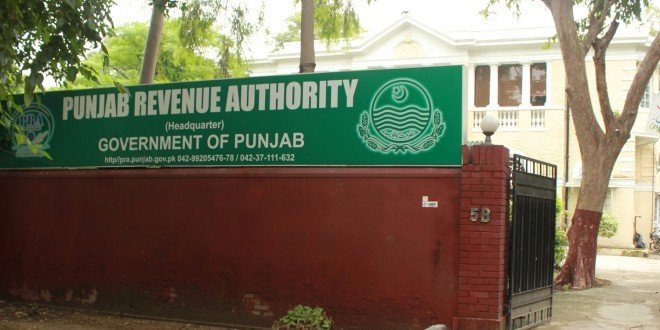
FAISALABAD — The Syndicate of Government College University Faisalabad (GCUF) has sanctioned significant academic, financial, and administrative reforms during its 77th meeting. The session was presided over by Vice Chancellor Prof. Dr. Rauf-i-Azam at the Vice Chancellor Secretariat, New Campus. What Happened The meeting of the GCUF Syndicate saw the approval of several pivotal measures aimed at enhancing the university’s operational efficiency and academic standards. The Vice Chancellor, Prof. Dr. Rauf-i-Azam, led the discussions, emphasizing the need for strategic improvements across various domains of the university’s functioning. Among the key decisions was the endorsement of new academic programs designed to align with contemporary educational demands and market trends. These programs are expected to broaden the academic offerings of GCUF, making it more competitive and appealing to prospective students. Additionally, the syndicate approved a comprehensive financial plan aimed at optimizing resource allocation and ensuring fiscal sustainability. Administrative reforms were also a focal point of the meeting. The syndicate agreed on measures to streamline administrative processes, enhance transparency, and improve governance. This includes the implementation of digital solutions to facilitate more efficient management and communication within the university. Prof. Dr. Rauf-i-Azam highlighted the importance of these reforms, stating, “Our objective is to position GCUF as a leading institution that not only excels in academic excellence but also in administrative efficiency and financial prudence.” He further added that these steps are crucial for the university’s growth and its ability to meet the evolving needs of students and faculty alike. Background Government College University Faisalabad, established in 2002, has been a prominent institution in the region, offering a wide range of undergraduate and postgraduate programs. Over the years, GCUF has expanded its academic portfolio and infrastructure to accommodate a growing student population. The university’s governance structure includes a syndicate, which is responsible for making key decisions related to its academic, financial, and administrative affairs. The syndicate’s role is critical in shaping the university’s strategic direction and ensuring that it adheres to the policies and standards set by the Higher Education Commission of Pakistan. Previous meetings have focused on infrastructure development, faculty recruitment, and curriculum enhancement, reflecting the university’s commitment to continuous improvement. Why It Matters The approval of these measures by the GCUF Syndicate is significant for several reasons. Firstly, the introduction of new academic programs is expected to attract a diverse student body, thereby increasing enrollment and enhancing the university’s reputation. This aligns with national educational goals to improve higher education accessibility and quality. Financially, the approved plan aims to ensure that GCUF can sustain its operations without compromising on quality. By optimizing resource allocation, the university can invest in critical areas such as research, faculty development, and infrastructure, which are essential for maintaining academic excellence. Administratively, the reforms are poised to create a more transparent and efficient governance model. This is particularly important in the context of Pakistan’s higher education sector, where issues of governance and accountability have been longstanding challenges. By adopting digital solutions, GCUF sets a precedent for other institutions to follow, potentially leading to broader systemic improvements. Overall, these reforms are not only pivotal for GCUF but also contribute to the broader objectives of enhancing the quality and competitiveness of higher education in Pakistan. As the country strives to improve its educational standards, initiatives like these play a crucial role in achieving those goals. Key Takeaways The GCUF Syndicate approved major academic, financial, and administrative reforms in its 77th meeting. New academic programs have been introduced to align with market trends and educational demands. A comprehensive financial plan has been endorsed to optimize resource allocation and ensure sustainability. Administrative reforms include digital solutions to enhance transparency and efficiency. These measures aim to position GCUF as a leading institution in academic excellence and governance. Source Attribution This article is based on official statements and public communications from Government College University Faisalabad. Author: NEN Editorial Desk | Editor: NEN Newsroom | Fact Checked By: NEN Editorial Team Author: NEN Editorial Desk  |  Editor: NEN Newsroom  |  Last Updated: July 29, 2026  |  Source: NEN Reporter This article was produced by the NEN Editorial Desk in accordance with NEN Agency’s Editorial Policy and Fact-Checking Policy.
Pakistan

Punjab Revenue Authority Targets EIMS Non-Compliance in Business Sector

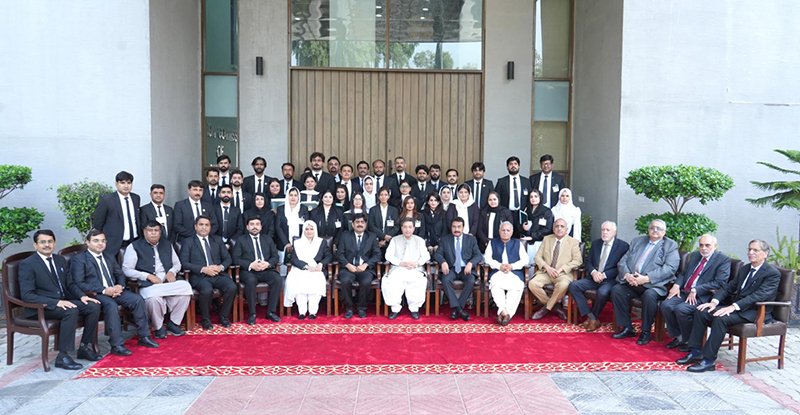
LAHORE — The Punjab Revenue Authority (PRA) is set to intensify its enforcement actions against businesses that fail to comply with the Electronic Invoice Monitoring System (EIMS). This decision was announced by PRA Chairman Moazzam Iqbal Sipra during a recent meeting held to evaluate the authority’s performance in business registration, EIMS implementation, and tax collection. What Happened On Wednesday, PRA Chairman Moazzam Iqbal Sipra convened a meeting to scrutinize the divisional performance of the authority concerning business registration and tax collection. During this meeting, he emphasized the need for strict enforcement against businesses not adhering to the EIMS. The system, which is crucial for monitoring sales and ensuring tax compliance, has faced resistance from some sectors, prompting the PRA to take decisive steps. The Chairman instructed field officers to expedite their efforts in ensuring that businesses across Punjab are registered and compliant with the EIMS. He stated, “The integrity of our tax system relies on the full implementation of the EIMS. Non-compliance will not be tolerated, and strict actions will be taken against violators.” The meeting underscored the importance of the EIMS in enhancing transparency and accountability within the business sector. The PRA’s initiative is part of a broader strategy to increase tax revenues by ensuring that all taxable transactions are accurately reported. The meeting also reviewed the progress of ongoing campaigns aimed at increasing business registration and compliance rates. Background The Electronic Invoice Monitoring System was introduced as a part of the government’s efforts to modernize the tax collection process and curb tax evasion. The system requires businesses to issue electronic invoices for every transaction, thereby creating a digital record that can be monitored by tax authorities. This initiative aligns with global practices where digital invoicing is used to enhance tax compliance and reduce the informal economy. Historically, tax evasion has been a significant challenge in Pakistan, with a large portion of the economy operating informally. The introduction of systems like EIMS is seen as a crucial step towards formalizing the economy and broadening the tax base. The PRA has been actively working to integrate technology into its operations, aiming to improve efficiency and transparency. Why It Matters The enforcement of EIMS is pivotal for Pakistan’s economic stability and growth. By ensuring that businesses comply with electronic invoicing, the government can significantly increase its tax revenues, which are essential for funding public services and infrastructure projects. This move is expected to reduce the tax gap, which is the difference between the taxes owed and the taxes collected. For businesses, compliance with the EIMS means adapting to new technological requirements, which may initially pose challenges, especially for smaller enterprises. However, in the long run, it is anticipated to streamline operations and reduce the burden of manual record-keeping. The increased transparency and accountability could also enhance the business environment, attracting more investment into the region. On a broader scale, the successful implementation of the EIMS could serve as a model for other provinces in Pakistan, encouraging nationwide adoption of similar systems. This could lead to a more uniform and efficient tax system across the country, contributing to economic growth and development. Key Takeaways The Punjab Revenue Authority is enforcing strict compliance with the Electronic Invoice Monitoring System. PRA Chairman Moazzam Iqbal Sipra has directed field officers to accelerate enforcement efforts. The EIMS aims to enhance tax compliance and transparency in business transactions. Successful implementation could significantly increase tax revenues and reduce the informal economy. This initiative aligns with global practices and could serve as a model for other regions in Pakistan. Source Attribution This article is based on official government statements and public communications from relevant authorities. Author: NEN Editorial Desk | Editor: NEN Newsroom | Fact Checked By: NEN Editorial Team Author: NEN Editorial Desk  |  Editor: NEN Newsroom  |  Last Updated: July 29, 2026  |  Source: NEN Reporter This article was produced by the NEN Editorial Desk in accordance with NEN Agency’s Editorial Policy and Fact-Checking Policy.

Pakistan

Hyderabad Bar Association Visits Election Commission Secretariat in Islamabad

ISLAMABAD — Chief Election Commissioner Sikandar Sultan Raja, along with officials from the Election Commission of Pakistan (ECP), welcomed a delegation from the Hyderabad High Court Bar Association at the Election Commission Secretariat on Tuesday. The visit aimed to enhance understanding of the electoral process and foster collaboration between legal professionals and electoral authorities. What Happened The delegation from the Hyderabad High Court Bar Association, comprising senior lawyers and legal experts, visited the Election Commission Secretariat in Islamabad. The visit was part of a study tour intended to provide the delegation with insights into the functioning and responsibilities of the ECP. Chief Election Commissioner Sikandar Sultan Raja and other senior ECP officials engaged with the delegation, discussing various aspects of the electoral process in Pakistan. During the visit, the delegation was briefed on the ECP’s role in ensuring free and fair elections across the country. The discussions covered topics such as the electoral roll, voter registration, and measures to enhance transparency and accountability in the election process. The ECP officials highlighted the commission’s ongoing efforts to improve the electoral framework, including the use of technology to streamline operations. Chief Election Commissioner Raja emphasized the importance of collaboration between the judiciary and the election commission to uphold democratic principles. He stated, “The judiciary plays a crucial role in the electoral process, and its cooperation is vital for the success of free and fair elections.” The delegation expressed appreciation for the ECP’s efforts and shared their perspectives on legal challenges related to elections. They also discussed potential areas for further collaboration, particularly in the context of legal reforms and electoral dispute resolution. Background The Election Commission of Pakistan is an independent constitutional body responsible for organizing and conducting elections in Pakistan. It ensures that elections are held in a transparent, impartial, and just manner. The ECP has been working on various reforms to enhance the electoral process, including the introduction of electronic voting machines and biometric verification systems. The Hyderabad High Court Bar Association, representing legal professionals from the Hyderabad region, plays a significant role in the legal landscape of Pakistan. The association frequently engages with government bodies and institutions to advocate for legal reforms and the protection of legal rights. Why It Matters The visit of the Hyderabad High Court Bar Association to the Election Commission Secretariat is significant for several reasons. Firstly, it underscores the importance of collaboration between legal professionals and electoral authorities in strengthening democratic processes. By fostering dialogue and understanding, such interactions can lead to more effective legal frameworks and improved electoral practices. Secondly, the visit highlights the ongoing efforts of the ECP to engage with various stakeholders in the electoral process. By opening its doors to legal experts and other professionals, the ECP demonstrates its commitment to transparency and accountability. This approach can enhance public trust in the electoral system and encourage greater participation in the democratic process. Furthermore, the discussions during the visit could pave the way for legal reforms that address current challenges in the electoral system. By involving legal professionals in the conversation, the ECP can gain valuable insights into potential legal issues and develop strategies to mitigate them. This collaboration can ultimately lead to a more robust and resilient electoral framework in Pakistan. Key Takeaways The Hyderabad High Court Bar Association visited the Election Commission Secretariat for a study tour. Discussions focused on the electoral process, transparency, and collaboration between the judiciary and ECP. The visit highlights the ECP’s commitment to engaging with stakeholders and enhancing the electoral framework. The collaboration aims to strengthen democratic processes and improve public trust in elections. Potential legal reforms and strategies were discussed to address electoral challenges. Source Attribution This article is based on official government statements, press releases, and public communications from relevant authorities. Author: NEN Editorial Desk | Editor: NEN Newsroom | Fact Checked By: NEN Editorial Team Author: NEN Editorial Desk  |  Editor: NEN Newsroom  |  Last Updated: July 29, 2026  |  Source: Press Release from Government of Pakistan This article was produced by the NEN Editorial Desk in accordance with NEN Agency’s Editorial Policy and Fact-Checking Policy.

Pakistan

Azadi Cup Tenpin Bowling Championship to Begin August 8 in Islamabad

ISLAMABAD — The Azadi Cup Tenpin Bowling Championship is set to commence on August 8 at the Leisure City Bowling Club, located in Safa Gold Mall, F-7 Markaz, Islamabad. Organized by the Pakistan Tenpin Bowling Federation (PTBF), the event will attract players from across the country, showcasing their skills in a competitive environment. What Happened The Pakistan Tenpin Bowling Federation has announced the schedule for the much-anticipated Azadi Cup Tenpin Bowling Championship, which will take place from August 8. The event will be held at the Leisure City Bowling Club, a premier venue known for hosting national and international bowling events. According to Lt. Col. (R) Kamran Khalid Janjua, Secretary General of PTBF, the championship will feature a range of categories, allowing both seasoned professionals and emerging talent to compete. Participants from various regions of Pakistan are expected to gather in Islamabad, bringing together a diverse group of athletes. The championship aims to promote tenpin bowling as a sport and provide a platform for players to demonstrate their abilities. “We are excited to host the Azadi Cup, which not only celebrates our country’s independence but also encourages the growth of tenpin bowling in Pakistan,” said Lt. Col. (R) Kamran Khalid Janjua. The event is anticipated to draw significant attention from sports enthusiasts and the general public, with organizers ensuring that all necessary arrangements are in place for a successful championship. The PTBF has been actively working to increase the sport’s popularity and improve the infrastructure required for training and competitions. Background Tenpin bowling has been gaining popularity in Pakistan over the past decade, with the PTBF playing a crucial role in its development. Established to promote and regulate the sport, the federation has organized numerous events to engage the youth and foster competitive spirit. The Azadi Cup, named in honor of Pakistan’s Independence Day, has become an annual fixture in the country’s sports calendar. Historically, bowling in Pakistan was limited to a few urban centers, but recent efforts by the PTBF have expanded its reach. The federation has been instrumental in setting up training facilities and organizing workshops to introduce the sport to new audiences. The Azadi Cup serves as both a celebration of the sport’s growth and an opportunity to scout for talent that can represent Pakistan in international competitions. Why It Matters The Azadi Cup Tenpin Bowling Championship holds significant importance for several reasons. Economically, it provides a boost to local businesses, including hotels, restaurants, and transport services, as players and spectators travel to Islamabad for the event. The influx of visitors contributes to the city’s economy, supporting various sectors. Socially, the championship promotes sportsmanship and healthy competition among the youth. It encourages physical activity and offers an alternative form of recreation, which is crucial in a country where sports infrastructure is still developing. By engaging young people in sports, events like the Azadi Cup help in reducing sedentary lifestyles and promoting a culture of fitness. Politically, the event underscores Pakistan’s commitment to sports development and international engagement. By hosting national championships, the country positions itself as a hub for sports in the region, which can lead to increased opportunities for hosting international tournaments. This aligns with broader government objectives to enhance Pakistan’s image on the global stage. Key Takeaways The Azadi Cup Tenpin Bowling Championship will start on August 8 in Islamabad. The event is organized by the Pakistan Tenpin Bowling Federation at Leisure City Bowling Club. Players from across Pakistan will participate, promoting the sport nationally. The championship contributes economically and socially to Islamabad. The event aligns with Pakistan’s goals to enhance its sports infrastructure and international presence. Source Attribution This article is based on official statements and public communications from the Pakistan Tenpin Bowling Federation. Author: NEN Editorial Desk | Editor: NEN Newsroom | Fact Checked By: NEN Editorial Team Author: NEN Editorial Desk  |  Editor: NEN Newsroom  |  Last Updated: July 29, 2026  |  Source: NEN Reporter This article was produced by the NEN Editorial Desk in accordance with NEN Agency’s Editorial Policy and Fact-Checking Policy.

Pakistan

Pakistan Stock Exchange Sheds Over 1,580 Points Amid Selling Pressure

ISLAMABAD — The Pakistan Stock Exchange (PSX) experienced a significant downturn on Wednesday, with the benchmark KSE-100 Index plummeting by 1,580.90 points. This decline, representing a 0.89 percent drop, saw the index close at 176,042.99 points compared to the previous session’s 177,623.88 points. What Happened The PSX faced a substantial sell-off as investors reacted to a combination of domestic and international factors. The KSE-100 Index, which serves as a barometer for market performance, saw a sharp decline, reflecting the market’s bearish sentiment. The trading session was marked by a lack of buying interest, leading to a significant drop in stock prices across various sectors. Market analysts attributed the decline to several factors, including ongoing political uncertainties and economic challenges facing the country. The depreciation of the Pakistani rupee against the US dollar has also contributed to investor apprehension, as it raises concerns about inflation and the cost of imports. In addition, global economic trends have influenced investor behavior. The anticipation of interest rate hikes by major economies, such as the United States, has led to a shift in investment strategies, with investors seeking safer assets. This global trend has exerted additional pressure on emerging markets like Pakistan. Commenting on the situation, a market analyst stated, “The current market sentiment is driven by a combination of local economic challenges and global uncertainties. Investors are cautious, and this is reflected in the significant sell-off we witnessed today.” Background The Pakistan Stock Exchange has been experiencing volatility over the past few months, influenced by both domestic and international factors. Historically, the PSX has been sensitive to political developments and macroeconomic indicators. The country’s economic policies, fiscal deficits, and foreign exchange reserves have been under scrutiny, affecting investor confidence. In recent years, Pakistan has faced economic challenges, including a high inflation rate and a widening current account deficit. These issues have been exacerbated by political instability and delays in implementing structural reforms. The government has been negotiating with international financial institutions to secure financial assistance and stabilize the economy. Why It Matters The decline in the PSX is significant for several reasons. Economically, it reflects the challenges facing Pakistan’s financial markets and the broader economy. A sustained downturn in the stock market can erode investor confidence, leading to reduced capital inflows and investment in the country. Socially, the impact of a declining stock market can be felt by ordinary citizens, particularly those with investments in stocks or mutual funds. A decrease in market value can affect savings and retirement funds, impacting financial security for many individuals. Politically, the performance of the stock market is often seen as an indicator of economic health. A struggling market can put pressure on the government to implement policies that stabilize the economy and restore investor confidence. This situation may influence upcoming policy decisions and economic reforms. Internationally, the performance of the PSX can affect Pakistan’s standing in global financial markets. A volatile market may deter foreign investors, who seek stability and predictable returns. This can impact Pakistan’s ability to attract foreign direct investment, which is crucial for economic growth and development. Key Takeaways The PSX KSE-100 Index fell by 1,580.90 points, a 0.89 percent decrease. Investor sentiment was influenced by domestic economic challenges and global trends. The depreciation of the Pakistani rupee contributed to market apprehension. The decline reflects broader economic and political uncertainties in Pakistan. Internationally, the PSX’s performance affects investor confidence and capital inflows. Source Attribution This article is based on official government statements, press releases, and public communications from relevant authorities. Author: NEN Editorial Desk | Editor: NEN Newsroom | Fact Checked By: NEN Editorial Team Author: NEN Editorial Desk  |  Editor: NEN Newsroom  |  Last Updated: July 29, 2026  |  Source: NEN Reporter This article was produced by the NEN Editorial Desk in accordance with NEN Agency’s Editorial Policy and Fact-Checking Policy.

Scroll to Top