
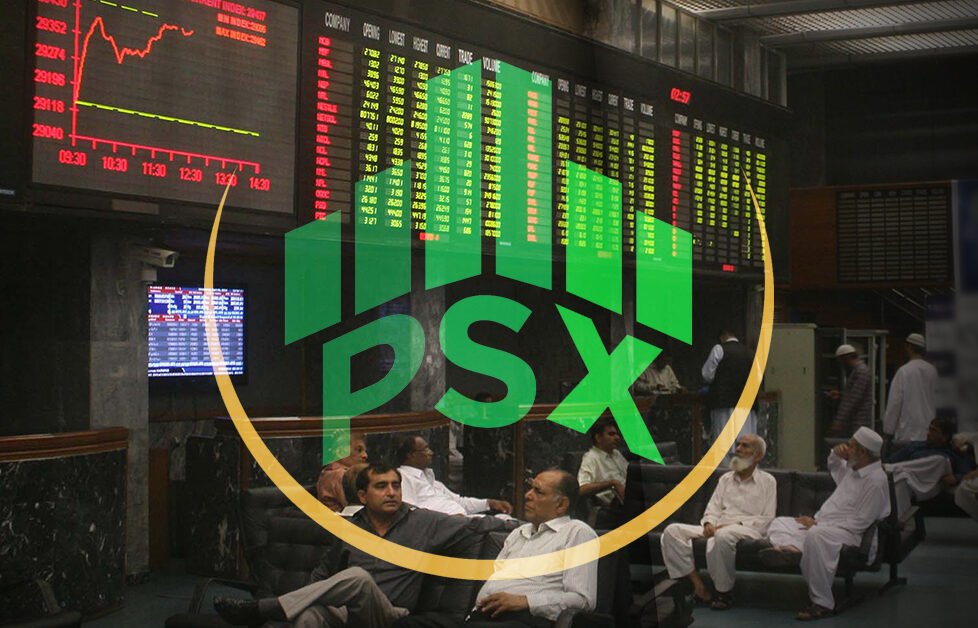
ISLAMABAD — The Pakistan Stock Exchange (PSX) experienced a significant downturn on Wednesday, with the benchmark KSE-100 Index plummeting by 1,580.90 points. This decline, representing a 0.89 percent drop, saw the index close at 176,042.99 points compared to the previous session’s 177,623.88 points.
What Happened
The PSX faced a substantial sell-off as investors reacted to a combination of domestic and international factors. The KSE-100 Index, which serves as a barometer for market performance, saw a sharp decline, reflecting the market’s bearish sentiment. The trading session was marked by a lack of buying interest, leading to a significant drop in stock prices across various sectors.
Market analysts attributed the decline to several factors, including ongoing political uncertainties and economic challenges facing the country. The depreciation of the Pakistani rupee against the US dollar has also contributed to investor apprehension, as it raises concerns about inflation and the cost of imports.
In addition, global economic trends have influenced investor behavior. The anticipation of interest rate hikes by major economies, such as the United States, has led to a shift in investment strategies, with investors seeking safer assets. This global trend has exerted additional pressure on emerging markets like Pakistan.
Commenting on the situation, a market analyst stated, “The current market sentiment is driven by a combination of local economic challenges and global uncertainties. Investors are cautious, and this is reflected in the significant sell-off we witnessed today.”
Background
The Pakistan Stock Exchange has been experiencing volatility over the past few months, influenced by both domestic and international factors. Historically, the PSX has been sensitive to political developments and macroeconomic indicators. The country’s economic policies, fiscal deficits, and foreign exchange reserves have been under scrutiny, affecting investor confidence.
In recent years, Pakistan has faced economic challenges, including a high inflation rate and a widening current account deficit. These issues have been exacerbated by political instability and delays in implementing structural reforms. The government has been negotiating with international financial institutions to secure financial assistance and stabilize the economy.
Why It Matters
The decline in the PSX is significant for several reasons. Economically, it reflects the challenges facing Pakistan’s financial markets and the broader economy. A sustained downturn in the stock market can erode investor confidence, leading to reduced capital inflows and investment in the country.
Socially, the impact of a declining stock market can be felt by ordinary citizens, particularly those with investments in stocks or mutual funds. A decrease in market value can affect savings and retirement funds, impacting financial security for many individuals.
Politically, the performance of the stock market is often seen as an indicator of economic health. A struggling market can put pressure on the government to implement policies that stabilize the economy and restore investor confidence. This situation may influence upcoming policy decisions and economic reforms.
Internationally, the performance of the PSX can affect Pakistan’s standing in global financial markets. A volatile market may deter foreign investors, who seek stability and predictable returns. This can impact Pakistan’s ability to attract foreign direct investment, which is crucial for economic growth and development.
Key Takeaways
- The PSX KSE-100 Index fell by 1,580.90 points, a 0.89 percent decrease.
- Investor sentiment was influenced by domestic economic challenges and global trends.
- The depreciation of the Pakistani rupee contributed to market apprehension.
- The decline reflects broader economic and political uncertainties in Pakistan.
- Internationally, the PSX’s performance affects investor confidence and capital inflows.
Source Attribution
This article is based on official government statements, press releases, and public communications from relevant authorities.














