
Pakistan

News related to Pakistan in Pakistan and around the world.

Pakistan

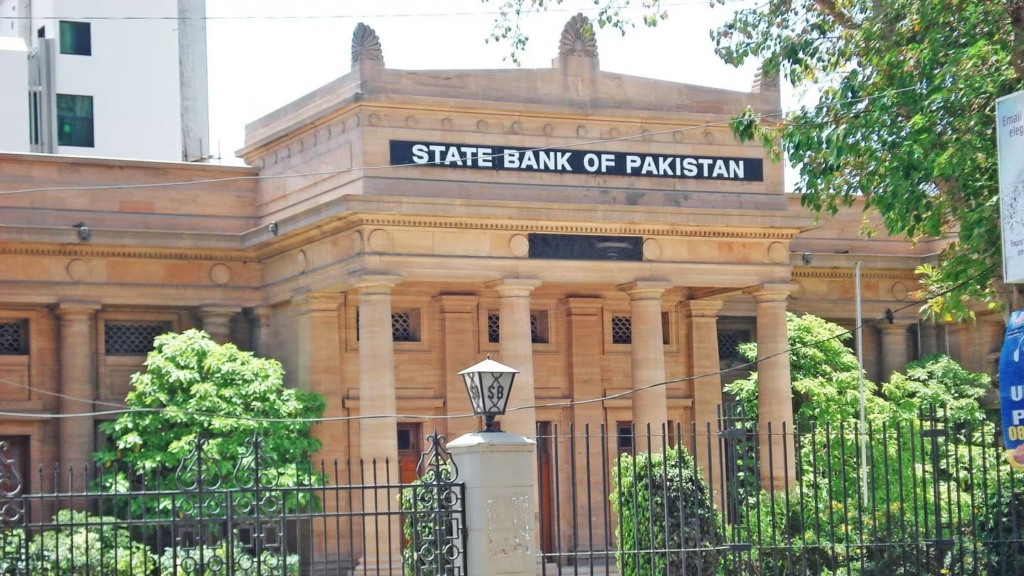
SBP Calls for Research Papers Ahead of National Economic Conference

KARACHI — The State Bank of Pakistan (SBP) has announced plans to host the National Conference on Pakistan Economy, inviting researchers, academics, and policymakers to submit original research papers. The conference, aimed at addressing economic challenges and formulating future strategies, will provide a platform for discussion on policy initiatives and key reforms. What Happened On Wednesday, the State Bank of Pakistan unveiled its plan to convene the National Conference on Pakistan Economy, a significant event aimed at tackling the country’s pressing economic issues. The central bank has extended an invitation to researchers, academics, and policymakers to contribute their insights through high-quality research papers. These papers are expected to provide a comprehensive analysis of the current economic landscape, explore potential policy initiatives, and propose key reforms necessary for sustainable growth. The conference is designed to foster a collaborative environment where experts can exchange ideas and strategies to address the multifaceted economic challenges facing Pakistan. By encouraging the submission of research papers, the SBP aims to gather diverse perspectives and innovative solutions that can inform the country’s economic policies and strategic direction. According to the SBP’s announcement, the conference will cover a wide range of topics, including macroeconomic stability, fiscal policy, monetary policy, and structural reforms. The central bank emphasized the importance of evidence-based research in shaping effective economic policies and highlighted the role of academic contributions in driving policy innovation. Background Pakistan’s economy has faced numerous challenges in recent years, including high inflation, fiscal deficits, and a volatile exchange rate. The government and the SBP have been working to implement reforms aimed at stabilizing the economy and promoting sustainable growth. Previous efforts have included measures to enhance fiscal discipline, improve tax collection, and manage external debt. The National Conference on Pakistan Economy is part of a broader initiative by the SBP to engage with stakeholders and leverage academic expertise in addressing these challenges. Historically, the SBP has organized similar conferences and seminars to facilitate dialogue between policymakers and researchers, with the goal of aligning economic policies with empirical evidence and global best practices. Why It Matters The upcoming conference holds significant importance for Pakistan’s economic trajectory. By bringing together experts from various fields, the SBP aims to create a comprehensive framework for addressing the country’s economic challenges. This initiative is crucial for several reasons: Firstly, the conference provides an opportunity to reassess current policies and identify areas that require reform. With input from researchers and policymakers, the SBP can develop strategies that are both innovative and grounded in empirical evidence. This approach is essential for tackling complex issues such as inflation control, fiscal management, and economic growth. Secondly, the conference underscores the importance of collaboration between the public and academic sectors. By involving academics in the policy-making process, the SBP can benefit from cutting-edge research and diverse perspectives. This collaboration can lead to more effective and sustainable economic policies that are responsive to the needs of the Pakistani population. Lastly, the conference is an opportunity to showcase Pakistan’s commitment to economic reform on an international stage. By engaging with global experts and sharing insights, Pakistan can strengthen its economic partnerships and attract foreign investment. This is particularly important as the country seeks to enhance its economic resilience and competitiveness in the global market. Key Takeaways The SBP has announced the National Conference on Pakistan Economy, inviting research papers from experts. The conference aims to address economic challenges and propose policy initiatives and reforms. It provides a platform for collaboration between researchers, academics, and policymakers. The conference is part of the SBP’s broader initiative to engage stakeholders in economic policy-making. It highlights Pakistan’s commitment to economic reform and international collaboration. Source Attribution This article is based on official government statements, press releases, and public communications from relevant authorities. Author: NEN Editorial Desk | Editor: NEN Newsroom | Fact Checked By: NEN Editorial Team Author: NEN Editorial Desk  |  Editor: NEN Newsroom  |  Last Updated: July 29, 2026  |  Source: NEN Reporter This article was produced by the NEN Editorial Desk in accordance with NEN Agency’s Editorial Policy and Fact-Checking Policy.
Pakistan

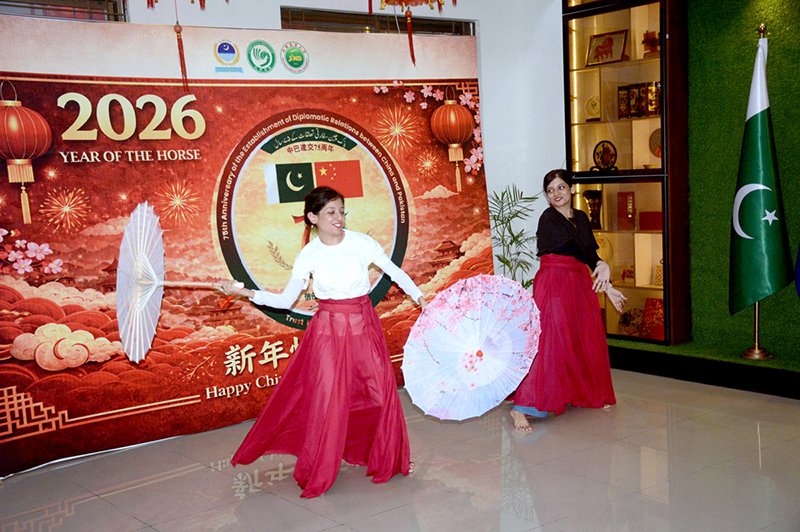
Chinese Ambassador Jiang Zaidong Visits Confucius Institute at UAF

FAISALABAD — Chinese Ambassador to Pakistan, Jiang Zaidong, was warmly welcomed by students of the University of Agriculture Faisalabad (UAF) during his visit to the Confucius Institute at the university. The visit, which took place on July 29, 2026, featured a cultural tableau presented by the students, showcasing the strong educational and cultural ties between Pakistan and China. What Happened During his visit to the University of Agriculture Faisalabad, Ambassador Jiang Zaidong was greeted with a vibrant cultural performance by the students. The tableau, a traditional form of artistic expression, was organized to honor the ambassador and to highlight the cultural exchange facilitated by the Confucius Institute. The event underscored the importance of educational and cultural collaboration between the two nations. Ambassador Jiang, in his address, expressed his appreciation for the warm reception and emphasized the role of the Confucius Institute in fostering mutual understanding and cooperation. “The Confucius Institute plays a pivotal role in bridging cultural and educational gaps between our countries,” he stated. He further highlighted the importance of such institutes in promoting language learning and cultural exchange. The visit also included a group photo session with the students and faculty, symbolizing the friendship and partnership between China and Pakistan. The Confucius Institute at UAF has been instrumental in promoting Chinese language and culture, offering various programs and activities that enhance bilateral relations. Background The Confucius Institute at the University of Agriculture Faisalabad is part of a global network of institutes established to promote Chinese language and culture. These institutes are a collaborative effort between Chinese universities and host institutions worldwide. The UAF Confucius Institute has been active in organizing cultural events, language courses, and exchange programs, contributing significantly to the understanding of Chinese culture in Pakistan. Historically, China and Pakistan have shared a strong diplomatic relationship, often referred to as an “all-weather friendship.” This partnership extends beyond political and economic ties, encompassing educational and cultural exchanges that have been facilitated by institutions like the Confucius Institute. Why It Matters The visit of Ambassador Jiang Zaidong to the Confucius Institute at UAF is a testament to the enduring relationship between China and Pakistan. It highlights the importance of cultural diplomacy in strengthening bilateral ties. The presence of the Confucius Institute in Faisalabad serves as a bridge for cultural and educational exchange, fostering a deeper understanding between the two nations. For Pakistan, such visits and collaborations are crucial in enhancing educational opportunities and cultural awareness. They provide students with the chance to engage with different cultures, broadening their perspectives and preparing them for global challenges. The institute’s activities also contribute to the local economy by attracting students and scholars interested in Chinese language and culture. On a broader scale, the relationship between China and Pakistan is significant for regional stability and development. Educational and cultural exchanges form the foundation of a strong partnership that extends into economic and strategic domains. The Confucius Institute’s role in this context is vital, as it nurtures the next generation of leaders who will continue to uphold and advance this partnership. Key Takeaways Chinese Ambassador Jiang Zaidong visited the Confucius Institute at the University of Agriculture Faisalabad. The visit featured a cultural tableau by UAF students, celebrating Pakistan-China relations. The Confucius Institute promotes Chinese language and culture, enhancing bilateral ties. Such cultural exchanges are crucial for educational and economic development in Pakistan. The visit underscores the importance of cultural diplomacy in strengthening international relations. Source Attribution This article is based on official government statements, press releases, and public communications from relevant authorities. Author: NEN Editorial Desk | Editor: NEN Newsroom | Fact Checked By: NEN Editorial Team Author: NEN Editorial Desk  |  Editor: NEN Newsroom  |  Last Updated: July 29, 2026  |  Source: NEN Reporter This article was produced by the NEN Editorial Desk in accordance with NEN Agency’s Editorial Policy and Fact-Checking Policy.
Pakistan

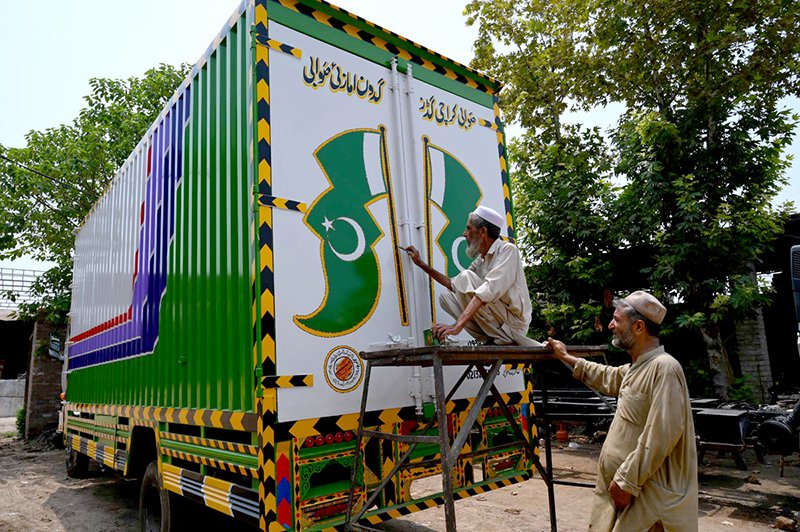
Truck Art Painter Crafts Pakistani Flag on Peshawar Delivery Truck

PESHAWAR — A skilled truck art painter is meticulously applying the final touches to a Pakistani flag on a delivery truck at his workshop located on the bustling Ring Road in Peshawar. This artistic endeavor is part of a broader cultural tradition that celebrates Pakistan’s vibrant truck art scene. What Happened The truck art painter, whose work is renowned for its intricate designs and vivid colors, is currently focused on adorning a delivery truck with the national flag. This task is being executed at his workshop, strategically situated on Peshawar’s Ring Road, a hub for transport and trade. The painter, who prefers to remain unnamed, has been involved in the truck art industry for over two decades, contributing to the cultural tapestry of Pakistan through his artistic expressions. Truck art in Pakistan is not merely decorative; it is a form of storytelling that reflects the country’s rich heritage and traditions. The painter explained, “Each piece of art tells a story, and the Pakistani flag is a symbol of unity and pride for our nation.” His dedication to capturing the essence of the flag’s symbolism is evident in the careful attention to detail and the vibrant hues used in the artwork. The process of painting a truck involves several stages, starting with the preparation of the surface, followed by sketching the design, and finally, the application of paint. The painter uses a combination of traditional techniques and modern tools to ensure precision and durability. This particular project, featuring the Pakistani flag, is expected to be completed within a week, just in time for an upcoming national event. Background Truck art is a celebrated form of folk art in Pakistan, with roots tracing back to the mid-20th century. Initially, it served as a means for truck owners to personalize their vehicles and attract more business. Over the years, it has evolved into a cultural phenomenon, with artists incorporating elements of poetry, religious symbols, and nationalistic themes into their designs. The tradition of truck art is deeply embedded in Pakistan’s cultural landscape, particularly in cities like Peshawar, Karachi, and Lahore, where the transport industry thrives. The vibrant and elaborate designs often feature intricate floral patterns, calligraphy, and portraits of famous personalities, making each truck a unique piece of art. Why It Matters The significance of truck art in Pakistan extends beyond aesthetics; it is a reflection of the country’s identity and values. The depiction of the Pakistani flag on a delivery truck is a powerful statement of national pride and unity, particularly in a region that has faced its share of challenges. Economically, the truck art industry provides livelihoods for thousands of artists, craftsmen, and suppliers across the country. It sustains a network of workshops and businesses that contribute to the local economy. Socially, truck art fosters a sense of community and belonging among drivers and artists, who often collaborate to create these mobile masterpieces. On an international level, Pakistani truck art has gained recognition and admiration, showcasing the country’s rich cultural heritage to a global audience. Exhibitions and collaborations with international artists have further elevated its status as a unique and cherished art form. Key Takeaways A truck art painter in Peshawar is completing a Pakistani flag design on a delivery truck. Truck art is a significant cultural tradition in Pakistan, symbolizing national pride and unity. The industry supports thousands of livelihoods and contributes to the local economy. Pakistani truck art has gained international recognition, enhancing cultural diplomacy. The project is expected to be completed within a week, aligning with a national event. Source Attribution This article is based on official government statements, press releases, and public communications from relevant authorities. Author: NEN Editorial Desk | Editor: NEN Newsroom | Fact Checked By: NEN Editorial Team Author: NEN Editorial Desk  |  Editor: NEN Newsroom  |  Last Updated: July 29, 2026  |  Source: NEN Reporter This article was produced by the NEN Editorial Desk in accordance with NEN Agency’s Editorial Policy and Fact-Checking Policy.
Pakistan

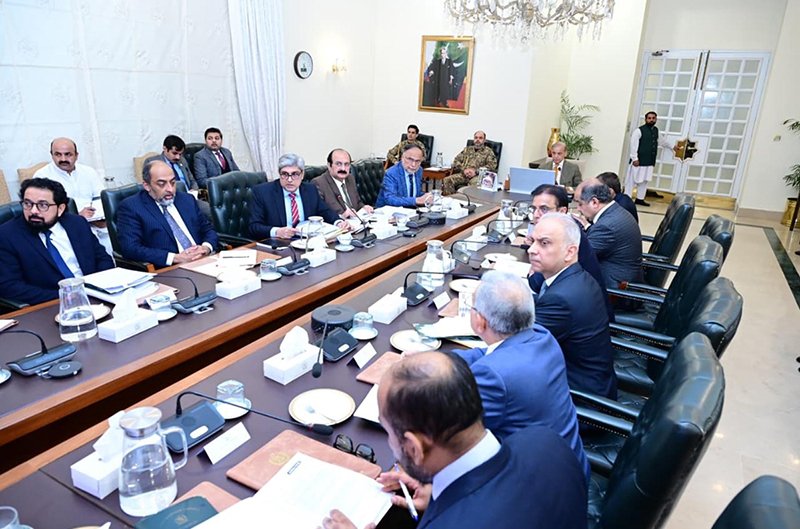
Prime Minister Shehbaz Sharif Leads Danish Authority Board Meeting

ISLAMABAD — Prime Minister Shehbaz Sharif chaired a meeting of the Danish Authority Board in Islamabad on Tuesday, focusing on enhancing bilateral cooperation and exploring new avenues for collaboration between Pakistan and Denmark. The meeting aimed to strengthen ties and discuss strategic initiatives in various sectors. What Happened Prime Minister Shehbaz Sharif presided over the Danish Authority Board meeting, which was attended by key officials from both Pakistan and Denmark. The discussions centered on expanding cooperation in renewable energy, trade, and investment, as well as addressing climate change challenges. The Prime Minister emphasized the importance of leveraging Denmark’s expertise in sustainable energy solutions to help Pakistan transition towards cleaner energy sources. During the meeting, both sides agreed to enhance collaboration in the field of wind and solar energy. Prime Minister Sharif highlighted Pakistan’s potential for renewable energy and expressed interest in adopting Danish technologies to boost the sector. “Pakistan is committed to increasing its renewable energy capacity and welcomes Danish investment and technology,” he stated. The meeting also covered trade and investment opportunities, with both countries expressing a desire to increase bilateral trade volume. The Prime Minister underscored the need for a conducive environment for investors and assured Danish companies of Pakistan’s support in facilitating business operations. Climate change was another key topic, with discussions on joint efforts to mitigate its impacts. The Prime Minister acknowledged Denmark’s leadership in environmental sustainability and expressed Pakistan’s willingness to learn from Denmark’s successful initiatives. Background Pakistan and Denmark have a history of diplomatic relations dating back to 1951. Over the years, both countries have engaged in various bilateral agreements and collaborations, particularly in the fields of energy, trade, and environmental sustainability. Denmark is recognized for its advanced technology and innovative solutions in renewable energy, which aligns with Pakistan’s goals of diversifying its energy mix and reducing carbon emissions. The Danish Authority Board functions as a platform to facilitate dialogue and cooperation between the two nations, focusing on leveraging Denmark’s expertise in areas crucial for Pakistan’s development. Previous meetings have resulted in several joint ventures and partnerships, particularly in the energy sector. Why It Matters The meeting between Prime Minister Shehbaz Sharif and the Danish Authority Board is significant for several reasons. Economically, it opens up opportunities for increased trade and investment, potentially boosting Pakistan’s economy. Danish companies can bring in technology and expertise, particularly in the renewable energy sector, which is vital for Pakistan’s energy security and sustainability goals. Socially, the collaboration on renewable energy projects can lead to job creation and skill development in Pakistan. As the country moves towards cleaner energy sources, there will be a need for skilled workers to manage and maintain these new technologies. Politically, strengthening ties with Denmark enhances Pakistan’s international relations and aligns with its foreign policy goals of diversifying partnerships and reducing reliance on traditional allies. It also positions Pakistan as a proactive player in global climate change discussions, showcasing its commitment to environmental sustainability. Internationally, this collaboration can serve as a model for other developing countries looking to transition to renewable energy. Pakistan’s efforts to adopt Danish technology and expertise highlight the potential for successful partnerships between developed and developing nations in addressing global challenges like climate change. Key Takeaways Prime Minister Shehbaz Sharif chaired a meeting with the Danish Authority Board to enhance bilateral cooperation. Discussions focused on renewable energy, trade, investment, and climate change. Pakistan aims to leverage Denmark’s expertise in sustainable energy solutions. The meeting is part of ongoing efforts to strengthen Pakistan-Denmark relations. Collaboration could boost Pakistan’s economy and contribute to global climate change efforts. Source Attribution This article is based on official government statements and public communications from relevant authorities. Author: NEN Editorial Desk | Editor: NEN Newsroom | Fact Checked By: NEN Editorial Team Author: NEN Editorial Desk  |  Editor: NEN Newsroom  |  Last Updated: July 29, 2026  |  Source: Press Release from Government of Pakistan This article was produced by the NEN Editorial Desk in accordance with NEN Agency’s Editorial Policy and Fact-Checking Policy.
Pakistan

Pakistan U21 Hockey Team Honored By Ambassador In Oman

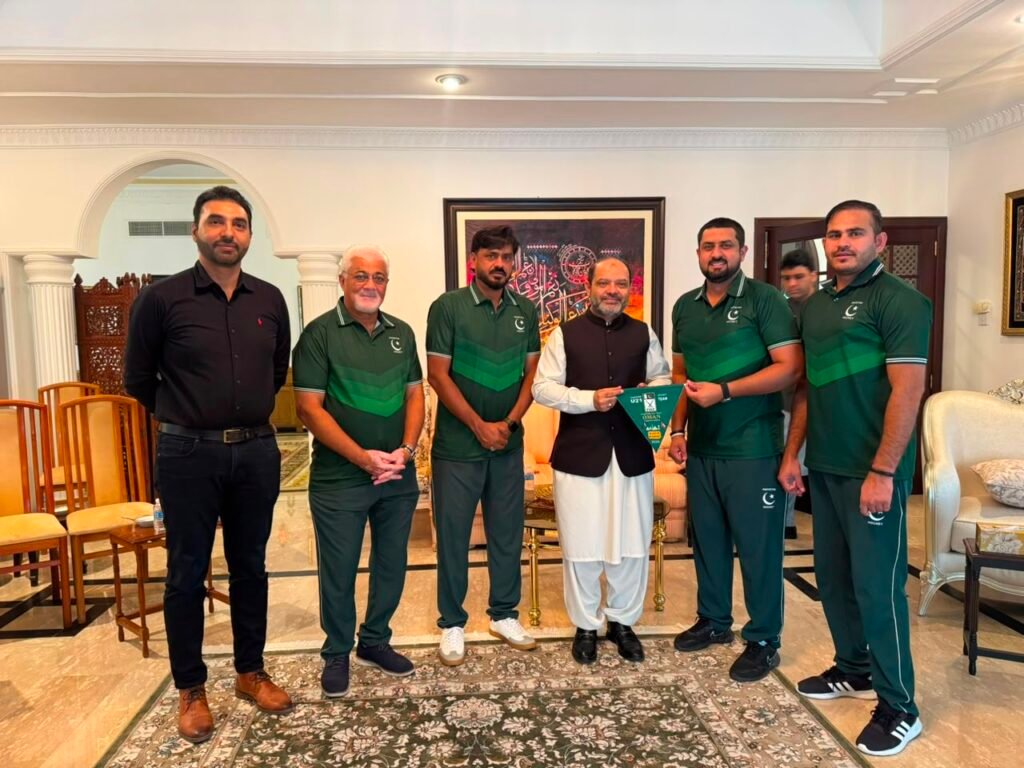
ISLAMABAD — The Pakistan Under-21 National Hockey Team was recently honored at a luncheon hosted by Syed Naveed Safdar Bokhari, Pakistan’s Ambassador to the Sultanate of Oman. The event took place in Muscat and was attended by key embassy officials, including Khurram Shahzad, Counsellor at the Embassy of Pakistan. What Happened The luncheon, held in the capital city of Muscat, served as a gesture of goodwill and support for the young athletes representing Pakistan on an international stage. Ambassador Bokhari expressed his pride in the team’s dedication and achievements, emphasizing the importance of sports as a unifying force for the nation. “Our young athletes are the pride of Pakistan, and their hard work and dedication are commendable,” Bokhari stated during the event. The gathering provided an opportunity for the team to engage with embassy officials and discuss their experiences and challenges. The players shared insights into their training regimen and the competitive environment they face in international tournaments. The ambassador assured the team of continued support from the embassy, highlighting the role of sports diplomacy in strengthening bilateral relations between Pakistan and Oman. Khurram Shahzad, the Counsellor at the Embassy, also addressed the team, encouraging them to maintain their focus and strive for excellence in upcoming competitions. “You are not just representing Pakistan in hockey, but you are also ambassadors of our culture and values,” Shahzad remarked. Background Pakistan has a rich history in field hockey, with the national team having won numerous international titles, including three Olympic gold medals and four World Cup championships. However, in recent years, the sport has faced challenges, including a decline in performance and limited resources. The Under-21 team represents the next generation of players who are expected to revive Pakistan’s legacy in the sport. The team’s visit to Oman comes as part of their preparation for upcoming international fixtures. Such interactions with diplomatic missions abroad are part of a broader strategy to boost morale and provide exposure to young athletes. The Pakistan Hockey Federation (PHF) has been actively working to secure international tours and training opportunities for the team to enhance their skills and competitiveness. Why It Matters The luncheon hosted by Ambassador Bokhari underscores the significance of supporting young athletes who are pivotal to the future of Pakistani sports. By engaging with the team, the embassy not only boosts the players’ morale but also strengthens the cultural and diplomatic ties between Pakistan and Oman. This event highlights the role of sports as a tool for diplomacy and international cooperation. For Pakistan, a nation with a storied history in hockey, nurturing young talent is crucial to reclaiming its status as a dominant force in the sport. The Under-21 team’s exposure to international environments and diplomatic support can play a key role in their development. Such initiatives are essential for the revival of hockey in Pakistan, which has seen a decline in global rankings over the years. Furthermore, the event reflects Pakistan’s commitment to promoting sports as a means of fostering unity and national pride. By investing in youth sports, the country aims to inspire the next generation and create opportunities for young athletes to excel on the world stage. Key Takeaways Pakistan’s Under-21 hockey team was hosted by the Ambassador to Oman, Syed Naveed Safdar Bokhari, at a luncheon in Muscat. The event emphasized the importance of sports diplomacy and the role of young athletes as cultural ambassadors. Pakistan aims to revive its hockey legacy by supporting and developing its next generation of players. The luncheon highlighted the embassy’s commitment to fostering bilateral relations through sports. Such events are crucial for boosting the morale and international exposure of young Pakistani athletes. Source Attribution This article is based on official government statements, press releases, and public communications from relevant authorities. Author: NEN Editorial Desk | Editor: NEN Newsroom | Fact Checked By: NEN Editorial Team Author: NEN Editorial Desk  |  Editor: NEN Newsroom  |  Last Updated: July 29, 2026  |  Source: Press Release from Government of Pakistan This article was produced by the NEN Editorial Desk in accordance with NEN Agency’s Editorial Policy and Fact-Checking Policy.
Pakistan

Pakistan Advances to Final in Men’s Volleyball Championship

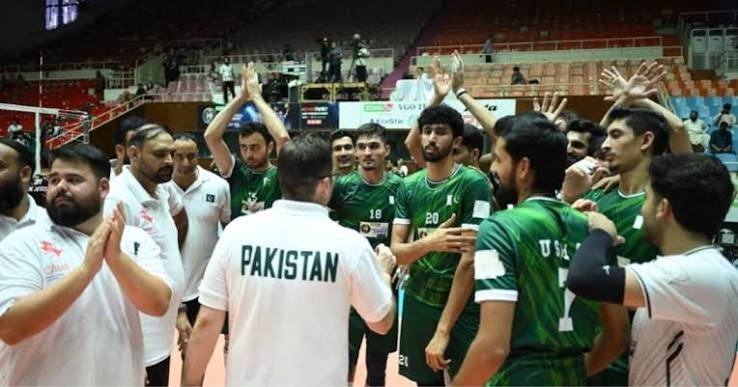
ISLAMABAD — Pakistan has advanced to the final of the Zong 5G Central Asian Volleyball Association (CAVA) Men’s Volleyball Championship, held at the Liaquat Gymnasium, Pakistan Sports Complex. The decisive knockout stage of the championship took place on Tuesday, showcasing thrilling matches that captivated volleyball enthusiasts. What Happened The championship, which is part of the 2026 CAVA Men’s Volleyball series, saw Pakistan delivering an impressive performance in the semifinals. The national team faced fierce competition but managed to secure their place in the final with a display of skill and determination. The event featured three matches, including two high-quality semifinals that kept spectators on the edge of their seats. Pakistan’s journey to the final was marked by strategic plays and teamwork. The team capitalized on their home advantage, with the support of local fans boosting their morale. The semifinal match was a testament to their preparation and resilience, as they overcame challenges posed by their opponents. The victory in the semifinals has set the stage for an exciting final, where Pakistan aims to clinch the championship title. The Zong 5G CAVA Men’s Volleyball Championship has been a significant event in the region, bringing together teams from various countries to compete at a high level. The tournament has not only provided a platform for showcasing volleyball talent but also fostered regional sportsmanship and camaraderie. Background The Central Asian Volleyball Association (CAVA) Men’s Volleyball Championship is an esteemed tournament that takes place biennially, attracting teams from across Central Asia. The 2026 edition is being hosted in Pakistan, with matches held at the Pakistan Sports Complex in Islamabad. The championship is part of efforts to promote volleyball in the region and provide athletes with opportunities to compete internationally. Volleyball has been gaining popularity in Pakistan, with increased participation at the grassroots level. The Pakistan Volleyball Federation has been instrumental in organizing events and training programs to develop the sport further. Hosting the CAVA Championship is a significant step in showcasing Pakistan’s capabilities in organizing international sporting events. Why It Matters Pakistan’s advancement to the final of the CAVA Men’s Volleyball Championship holds considerable significance for the country’s sports landscape. It highlights the progress made in volleyball, a sport that has been steadily gaining traction in Pakistan. The team’s success is a source of national pride and serves as an inspiration for aspiring athletes. Economically, hosting such international events can boost local tourism and generate revenue for the hospitality and service sectors. The influx of teams, officials, and fans from various countries contributes to the local economy, providing business opportunities for vendors and service providers. On a social level, the championship fosters a sense of unity and national pride. It encourages youth participation in sports, promoting a healthy lifestyle and teamwork. The visibility of the event also helps in breaking stereotypes and encouraging gender equality, as both men’s and women’s sports receive attention and support. Internationally, Pakistan’s role as a host for the CAVA Championship underscores its potential as a destination for major sporting events. Successful organization and execution of such tournaments can enhance Pakistan’s reputation on the global stage, potentially attracting more international events in the future. Key Takeaways Pakistan has reached the final of the CAVA Men’s Volleyball Championship, showcasing strong performance. The championship is part of the 2026 series, held at the Pakistan Sports Complex in Islamabad. The event promotes volleyball in the region and highlights Pakistan’s capability in hosting international tournaments. Economic benefits include increased tourism and revenue for local businesses. The championship fosters national pride and encourages youth participation in sports. Source Attribution This article is based on official government statements, press releases, and public communications from relevant authorities. Author: NEN Editorial Desk | Editor: NEN Newsroom | Fact Checked By: NEN Editorial Team Author: NEN Editorial Desk  |  Editor: NEN Newsroom  |  Last Updated: July 29, 2026  |  Source: NEN Reporter This article was produced by the NEN Editorial Desk in accordance with NEN Agency’s Editorial Policy and Fact-Checking Policy.

Pakistan

CAREC Secretariat Updates Commerce Minister on Regional Trade and Mongolia Conference

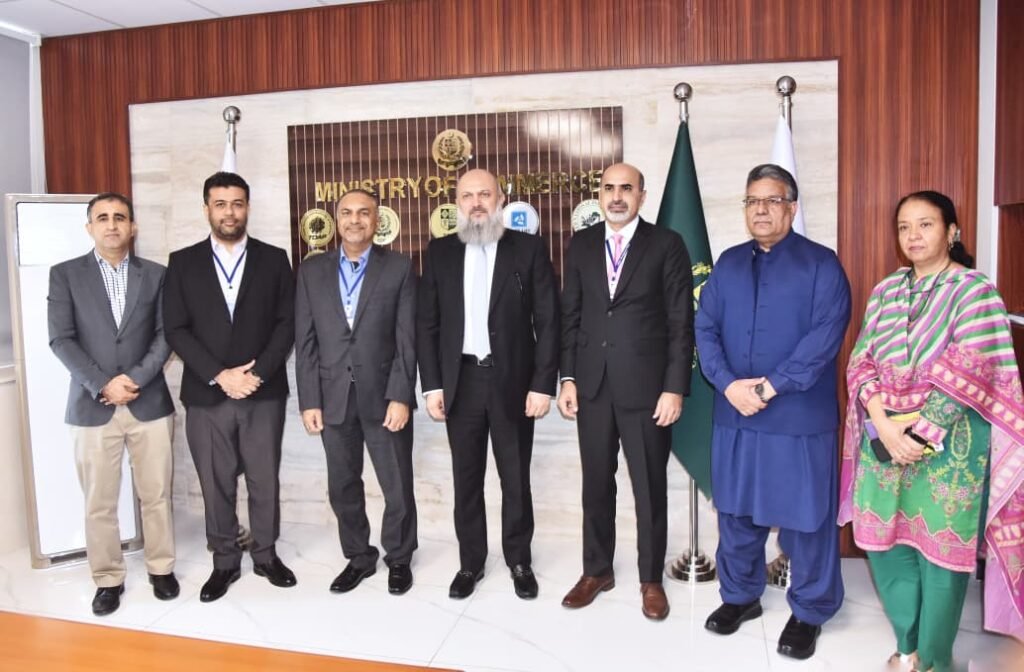
ISLAMABAD — The Central Asia Regional Economic Cooperation (CAREC) Secretariat recently briefed Federal Minister for Commerce Jam Kamal Khan about the regional trade agenda and the upcoming ministerial conference in Mongolia. The meeting focused on initiatives to enhance trade, connectivity, investment, and economic integration among CAREC member countries. What Happened The CAREC Secretariat, during its meeting with Commerce Minister Jam Kamal Khan, outlined several strategic initiatives aimed at bolstering regional trade and economic collaboration. The briefing covered plans to improve infrastructure connectivity, streamline trade processes, and increase investment opportunities within the CAREC framework. These efforts are part of a broader agenda to promote economic integration among the 11 member countries, which include Pakistan, China, Kazakhstan, and Mongolia, among others. The Secretariat emphasized the importance of the upcoming ministerial conference in Mongolia, where member countries will convene to discuss and approve the proposed initiatives. This conference is seen as a pivotal platform for advancing regional cooperation and addressing common economic challenges. The CAREC program, which has been operational since 2001, aims to foster economic growth through regional cooperation in transport, energy, trade facilitation, and policy coordination. Minister Jam Kamal Khan expressed Pakistan’s commitment to the CAREC objectives, highlighting the country’s strategic position as a gateway to Central Asia. He stated, “Pakistan is keen to play a proactive role in enhancing regional trade and connectivity, leveraging its geographical advantage and economic potential.” The minister also underscored the significance of aligning national policies with regional goals to maximize the benefits of CAREC initiatives. Background The CAREC program was established to address the economic challenges faced by Central Asian countries by promoting cooperation in key sectors. Over the years, it has facilitated numerous projects aimed at improving infrastructure, reducing trade barriers, and enhancing policy coordination among member states. The program’s strategic framework for 2030 emphasizes sustainable development, increased connectivity, and economic diversification as core objectives. Pakistan, as a member of CAREC, has been actively participating in various projects, particularly those related to transport and trade facilitation. The country’s involvement is driven by its interest in accessing Central Asian markets and integrating its economy with the broader regional framework. The upcoming ministerial conference in Mongolia is expected to further solidify these efforts by providing a platform for dialogue and decision-making among member countries. Why It Matters The initiatives discussed during the briefing have significant implications for Pakistan and the broader CAREC region. Enhanced trade and connectivity can lead to increased economic opportunities, job creation, and improved living standards for millions of people across member countries. For Pakistan, the CAREC program offers a pathway to diversify its trade partners, reduce dependency on traditional markets, and tap into the growing economies of Central Asia. Moreover, the focus on infrastructure development and investment facilitation aligns with Pakistan’s national priorities, particularly in the context of the China-Pakistan Economic Corridor (CPEC). By integrating CAREC initiatives with CPEC projects, Pakistan can enhance its role as a regional trade hub and transit corridor, thereby attracting foreign investment and boosting economic growth. Internationally, the success of CAREC initiatives can contribute to regional stability and prosperity, reducing economic disparities and fostering cooperation among member states. This is particularly important in the current global economic climate, where regional alliances and partnerships are becoming increasingly vital for sustainable development. Key Takeaways The CAREC Secretariat briefed Pakistan’s Commerce Minister on regional trade initiatives and the upcoming Mongolia conference. The meeting focused on enhancing trade, connectivity, and investment among CAREC member countries. Pakistan is committed to leveraging its strategic position to boost regional cooperation and economic integration. The CAREC program aims to address economic challenges through infrastructure development and policy coordination. The initiatives have significant implications for economic growth, job creation, and regional stability. Source Attribution This article is based on official government statements, press releases, and public communications from relevant authorities. Author: NEN Editorial Desk | Editor: NEN Newsroom | Fact Checked By: NEN Editorial Team Author: NEN Editorial Desk  |  Editor: NEN Newsroom  |  Last Updated: July 29, 2026  |  Source: Press Release from Government of Pakistan This article was produced by the NEN Editorial Desk in accordance with NEN Agency’s Editorial Policy and Fact-Checking Policy.
Pakistan

Tobacco Sector Tax Revenue Increases by Rs41 Billion Amid Crackdown

ISLAMABAD — The documented tobacco sector in Pakistan has reported an additional Rs41 billion in tax contributions for the fiscal year 2025-26, according to Fair Trade in Tobacco (FTT). This increase brings the total tax collection from the sector to Rs357 billion, following intensified efforts to curb illegal cigarette manufacturing and smuggling. What Happened The Fair Trade in Tobacco (FTT) announced that the documented tobacco sector has significantly increased its tax contributions by Rs41 billion during the fiscal year 2025-26. This surge in tax revenue is attributed to the government’s rigorous enforcement measures against illegal cigarette production and smuggling activities. The total tax collection from the sector now stands at Rs357 billion. The enforcement drive was aimed at tackling the illicit trade in tobacco products, which has been a persistent issue affecting the country’s revenue generation. The government, in collaboration with FTT, implemented a series of measures to monitor and control the production and distribution of tobacco products. These measures included stricter regulations, enhanced surveillance, and penalties for non-compliance. According to FTT, the crackdown has not only helped in increasing tax revenues but also in leveling the playing field for compliant businesses within the tobacco industry. The organization emphasized that continued vigilance and enforcement are essential to sustain these gains and further reduce illegal activities in the sector. Background The tobacco industry in Pakistan has long been plagued by issues of illegal manufacturing and smuggling, which have significantly impacted tax revenues. In recent years, the government has intensified its efforts to address these challenges through various policy measures and enforcement actions. Historically, the illicit trade in tobacco products has resulted in substantial revenue losses for the government. The availability of smuggled and counterfeit cigarettes in the market has undermined the sales of legally compliant manufacturers, leading to a decline in tax collections. To combat this, the government has introduced stricter regulations and increased penalties for those involved in illegal activities. These efforts have been supported by organizations like FTT, which advocate for fair trade practices and compliance within the industry. The collaboration between the government and industry stakeholders has been crucial in driving the recent successes in tax collection. Why It Matters The increase in tax revenue from the tobacco sector is a significant development for Pakistan’s economy. The additional Rs41 billion in taxes provides the government with much-needed resources to fund public services and development projects. This boost in revenue is particularly important in the context of Pakistan’s ongoing efforts to stabilize its economy and reduce fiscal deficits. Moreover, the crackdown on illegal activities within the tobacco sector has broader implications for the country’s regulatory environment. It demonstrates the government’s commitment to enforcing compliance and ensuring a level playing field for all businesses. This can enhance investor confidence and attract more investment into the sector, contributing to economic growth. On a social level, reducing the availability of illegal tobacco products can have positive health outcomes. Smuggled and counterfeit cigarettes often evade health regulations, posing greater health risks to consumers. By curbing these illegal activities, the government can help protect public health and promote safer consumption practices. Key Takeaways The documented tobacco sector contributed an additional Rs41 billion in taxes during fiscal year 2025-26. Total tax collections from the sector reached Rs357 billion following enforcement measures. Government efforts targeted illegal cigarette manufacturing and smuggling. Increased tax revenue supports public services and economic stabilization efforts. Crackdown on illegal activities promotes fair trade and public health. Source Attribution This article is based on official government statements, press releases, and public communications from relevant authorities. Author: NEN Editorial Desk | Editor: NEN Newsroom | Fact Checked By: NEN Editorial Team Author: NEN Editorial Desk  |  Editor: NEN Newsroom  |  Last Updated: July 29, 2026  |  Source: NEN Reporter This article was produced by the NEN Editorial Desk in accordance with NEN Agency’s Editorial Policy and Fact-Checking Policy.
Pakistan

CDA Chairman to Review Floor Area Ratio Charges for Business Ease

ISLAMABAD — The Chairman of the Capital Development Authority (CDA) has announced a comprehensive review of Floor Area Ratio (FAR) charges, aiming to enhance the ease of doing business in Islamabad. This initiative is part of a broader agreement with the Islamabad Chamber of Commerce and Industry (ICCI) to establish a Business Facilitation Centre (BFC) at the CDA headquarters. What Happened The Capital Development Authority (CDA) and the Islamabad Chamber of Commerce and Industry (ICCI) have reached a significant agreement to establish a Business Facilitation Centre (BFC) within the CDA premises. This center is designed to provide a one-window platform for the business community, facilitating faster and more efficient resolution of regulatory and administrative matters. As part of this initiative, the CDA Chairman has committed to a thorough review of the Floor Area Ratio (FAR) charges, which are fees associated with the permissible building area on a given plot of land. The decision to review the FAR charges is seen as a step towards reducing bureaucratic hurdles and promoting a more business-friendly environment in the federal capital. The CDA Chairman emphasized the importance of this review in a recent meeting with ICCI officials, stating, “We are committed to creating a conducive environment for businesses to thrive in Islamabad.” The review process will involve consultations with various stakeholders, including business leaders and urban planners, to ensure that the revised charges align with the city’s developmental goals. Background The Floor Area Ratio (FAR) is a critical component of urban planning, determining the maximum allowable construction on a plot of land. In Islamabad, the FAR charges have been a point of contention among developers and business owners, who argue that high fees and complex regulations hinder economic growth. The establishment of the Business Facilitation Centre is part of a series of reforms aimed at streamlining business operations and reducing red tape. Historically, the CDA has been responsible for urban planning and development in Islamabad, with a mandate to regulate land use and construction activities. However, the agency has faced criticism for its bureaucratic processes and lack of transparency, which have often led to delays in project approvals and increased costs for businesses. Why It Matters The review of FAR charges and the establishment of the Business Facilitation Centre hold significant implications for Islamabad’s economic landscape. By simplifying regulatory processes and reducing costs, the CDA aims to attract more investment and stimulate economic activity in the region. This initiative is particularly important as Pakistan seeks to improve its ranking in the World Bank’s Ease of Doing Business Index, where it currently lags behind regional competitors. For local businesses, the reduction in FAR charges could mean lower operational costs and increased opportunities for expansion. This is especially relevant for the real estate and construction sectors, which are key drivers of economic growth in Islamabad. Moreover, the one-window platform at the BFC is expected to enhance transparency and accountability in government dealings, fostering greater trust between the business community and regulatory authorities. On a broader scale, these reforms could serve as a model for other cities in Pakistan, demonstrating the potential benefits of streamlined regulatory frameworks and proactive engagement with the business sector. By prioritizing ease of doing business, Islamabad could position itself as a leading hub for commerce and innovation in the region. Key Takeaways The CDA will comprehensively review Floor Area Ratio (FAR) charges to facilitate business operations. A Business Facilitation Centre is being established to provide a one-window solution for regulatory matters. The initiative aims to enhance Islamabad’s business environment and attract more investment. Lower FAR charges could benefit the real estate and construction sectors significantly. This move aligns with Pakistan’s efforts to improve its Ease of Doing Business ranking. Source Attribution This article is based on official government statements, press releases, and public communications from relevant authorities. Author: NEN Editorial Desk | Editor: NEN Newsroom | Fact Checked By: NEN Editorial Team Author: NEN Editorial Desk  |  Editor: NEN Newsroom  |  Last Updated: July 29, 2026  |  Source: NEN Reporter This article was produced by the NEN Editorial Desk in accordance with NEN Agency’s Editorial Policy and Fact-Checking Policy.

Pakistan

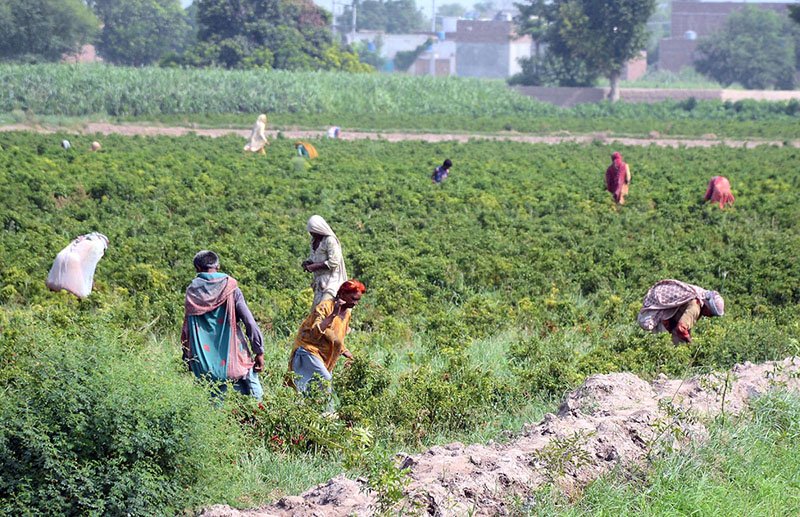
Women Labourers Harvest Red Chilies Near Multan During Peak Season

MULTAN — On the outskirts of Multan, women agricultural labourers are diligently harvesting ripe red chilies as the peak harvesting season reaches its zenith. This annual activity is crucial for the local economy, as chilies are a significant crop in the region, contributing to both domestic consumption and export. What Happened In the fields surrounding Multan, groups of women can be seen meticulously picking red chilies under the scorching sun. The harvest season, which typically spans from late July to early September, is a critical period for these labourers, many of whom rely on this work as their primary source of income. The women, often working in teams, carefully select and gather the chilies, ensuring that only the ripest are chosen to maintain quality standards. According to local agricultural experts, the region’s climate and soil conditions are particularly conducive to chili cultivation, making it one of the largest chili-producing areas in Pakistan. The labour-intensive process involves not only picking but also sorting and drying the chilies, tasks predominantly carried out by women. These activities are essential to prepare the chilies for market, where they are sold both locally and internationally. One of the labourers, Fatima Bibi, shared, “This work is tough, especially in the heat, but it is necessary for our families. We take pride in ensuring that the chilies we harvest are of the best quality.” The dedication of these women is evident as they work tirelessly to meet the demands of the season. Background Chili cultivation in Pakistan has a long history, with the country being one of the top producers globally. The crop is primarily grown in the provinces of Sindh and Punjab, with Multan being a key area due to its favorable agricultural conditions. Historically, chilies have been a staple in Pakistani cuisine, valued for their flavor and heat. The cultivation and harvesting of chilies have traditionally involved significant female participation, reflecting the broader role of women in the agricultural sector. In recent years, the government has implemented various initiatives to support agricultural workers, including training programs aimed at improving harvesting techniques and increasing productivity. Despite these efforts, challenges such as climate change, water scarcity, and market fluctuations continue to affect the sector. Why It Matters The chili harvest in Multan is not just an agricultural event but a vital economic activity that impacts the livelihoods of thousands of families. The income generated from chili farming supports local communities and contributes to the national economy. Furthermore, the export of chilies provides foreign exchange earnings, which are crucial for Pakistan’s balance of payments. Socially, the involvement of women in the chili harvest highlights their significant yet often underappreciated role in agriculture. Empowering these women through better working conditions and fair wages can lead to improved economic outcomes for families and communities. Additionally, the success of the chili harvest can influence food security, as chilies are a key ingredient in many traditional dishes. On an international level, maintaining high-quality standards in chili production can enhance Pakistan’s reputation in global markets, potentially leading to increased demand and better trade relationships. This, in turn, can stimulate further investment in the agricultural sector, driving innovation and growth. Key Takeaways Women labourers are actively involved in the chili harvest on the outskirts of Multan. The chili harvest season is crucial for local and national economies, supporting livelihoods and generating export revenue. Chili cultivation has a long history in Pakistan, with Multan being a key production area. Empowering female agricultural workers can lead to improved economic and social outcomes. Maintaining quality standards in chili production is essential for enhancing Pakistan’s global trade relationships. Source Attribution This article is based on official government statements, press releases, and public communications from relevant authorities. Author: NEN Editorial Desk | Editor: NEN Newsroom | Fact Checked By: NEN Editorial Team Author: NEN Editorial Desk  |  Editor: NEN Newsroom  |  Last Updated: July 29, 2026  |  Source: NEN Reporter This article was produced by the NEN Editorial Desk in accordance with NEN Agency’s Editorial Policy and Fact-Checking Policy.

Scroll to Top