
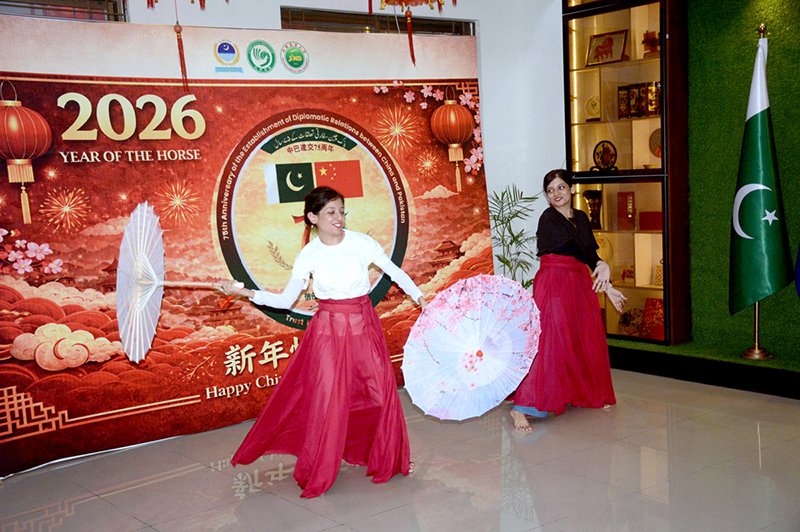
FAISALABAD — Chinese Ambassador to Pakistan, Jiang Zaidong, was warmly welcomed by students of the University of Agriculture Faisalabad (UAF) during his visit to the Confucius Institute at the university. The visit, which took place on July 29, 2026, featured a cultural tableau presented by the students, showcasing the strong educational and cultural ties between Pakistan and China.
What Happened
During his visit to the University of Agriculture Faisalabad, Ambassador Jiang Zaidong was greeted with a vibrant cultural performance by the students. The tableau, a traditional form of artistic expression, was organized to honor the ambassador and to highlight the cultural exchange facilitated by the Confucius Institute. The event underscored the importance of educational and cultural collaboration between the two nations.
Ambassador Jiang, in his address, expressed his appreciation for the warm reception and emphasized the role of the Confucius Institute in fostering mutual understanding and cooperation. “The Confucius Institute plays a pivotal role in bridging cultural and educational gaps between our countries,” he stated. He further highlighted the importance of such institutes in promoting language learning and cultural exchange.
The visit also included a group photo session with the students and faculty, symbolizing the friendship and partnership between China and Pakistan. The Confucius Institute at UAF has been instrumental in promoting Chinese language and culture, offering various programs and activities that enhance bilateral relations.
Background
The Confucius Institute at the University of Agriculture Faisalabad is part of a global network of institutes established to promote Chinese language and culture. These institutes are a collaborative effort between Chinese universities and host institutions worldwide. The UAF Confucius Institute has been active in organizing cultural events, language courses, and exchange programs, contributing significantly to the understanding of Chinese culture in Pakistan.
Historically, China and Pakistan have shared a strong diplomatic relationship, often referred to as an “all-weather friendship.” This partnership extends beyond political and economic ties, encompassing educational and cultural exchanges that have been facilitated by institutions like the Confucius Institute.
Why It Matters
The visit of Ambassador Jiang Zaidong to the Confucius Institute at UAF is a testament to the enduring relationship between China and Pakistan. It highlights the importance of cultural diplomacy in strengthening bilateral ties. The presence of the Confucius Institute in Faisalabad serves as a bridge for cultural and educational exchange, fostering a deeper understanding between the two nations.
For Pakistan, such visits and collaborations are crucial in enhancing educational opportunities and cultural awareness. They provide students with the chance to engage with different cultures, broadening their perspectives and preparing them for global challenges. The institute’s activities also contribute to the local economy by attracting students and scholars interested in Chinese language and culture.
On a broader scale, the relationship between China and Pakistan is significant for regional stability and development. Educational and cultural exchanges form the foundation of a strong partnership that extends into economic and strategic domains. The Confucius Institute’s role in this context is vital, as it nurtures the next generation of leaders who will continue to uphold and advance this partnership.
Key Takeaways
- Chinese Ambassador Jiang Zaidong visited the Confucius Institute at the University of Agriculture Faisalabad.
- The visit featured a cultural tableau by UAF students, celebrating Pakistan-China relations.
- The Confucius Institute promotes Chinese language and culture, enhancing bilateral ties.
- Such cultural exchanges are crucial for educational and economic development in Pakistan.
- The visit underscores the importance of cultural diplomacy in strengthening international relations.
Source Attribution
This article is based on official government statements, press releases, and public communications from relevant authorities.














