
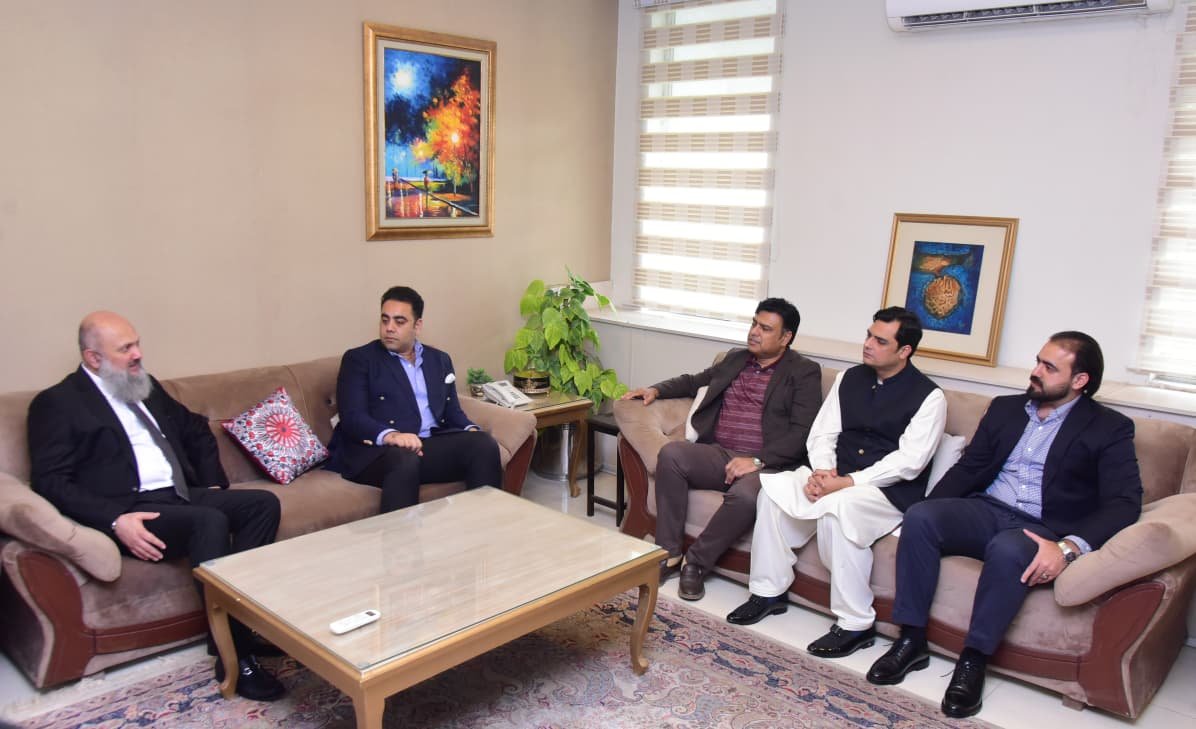
ISLAMABAD — Federal Minister for Commerce Jam Kamal Khan has called for increased support for small and medium enterprises (SMEs), export diversification, and industrial reforms in Pakistan. During a meeting with the Gujranwala Small Chamber of Commerce, held on Thursday, the minister discussed the various challenges facing the SME sector, including access to finance and regulatory hurdles.
What Happened
In a comprehensive dialogue with the delegation from the Gujranwala Small Chamber of Commerce, Commerce Minister Jam Kamal Khan emphasized the critical role of SMEs in Pakistan’s economic landscape. The meeting, which took place on Thursday, focused on identifying and addressing the barriers that hinder the growth and competitiveness of SMEs. According to the minister, SMEs are pivotal in driving economic growth, creating jobs, and enhancing export potential.
The minister highlighted the need for a supportive regulatory framework that facilitates easier access to finance for SMEs. He pointed out that many small businesses struggle with obtaining necessary funding due to stringent banking requirements and lack of collateral. “We must work towards creating a more conducive environment for SMEs to thrive,” he stated, urging financial institutions to develop more SME-friendly lending policies.
Furthermore, the minister stressed the importance of export diversification as a means to stabilize the economy and reduce dependency on a limited range of export goods. He advocated for the exploration of new markets and the promotion of non-traditional export sectors. “Diversifying our export base is essential for sustainable economic growth,” he remarked, adding that the government is committed to supporting initiatives that enhance industrial competitiveness.
Background
SMEs form the backbone of Pakistan’s economy, contributing significantly to GDP and employment. Historically, the sector has faced numerous challenges, including limited access to credit, inadequate infrastructure, and complex regulatory procedures. The government has initiated several programs aimed at supporting SMEs, such as the Prime Minister’s Youth Business Loan Scheme and the establishment of SME support centers.
Export diversification has been a longstanding goal for Pakistan, which has traditionally relied on textiles as its primary export. Efforts to expand into other sectors, such as information technology, agriculture, and engineering goods, have been ongoing but require further policy support and investment.
Why It Matters
The emphasis on strengthening SMEs and diversifying exports is crucial for Pakistan’s economic resilience. SMEs are a significant source of employment, and their growth can lead to increased job creation and poverty alleviation. By addressing the financial and regulatory barriers faced by SMEs, the government can unlock the sector’s potential, leading to broader economic benefits.
Export diversification is equally important as it reduces the country’s vulnerability to global market fluctuations. By expanding into new markets and sectors, Pakistan can achieve a more balanced trade portfolio, which is vital for economic stability. This approach not only enhances the country’s export revenues but also fosters innovation and competitiveness within the industrial sector.
Moreover, these initiatives align with Pakistan’s broader economic reforms aimed at improving the ease of doing business, attracting foreign investment, and enhancing industrial productivity. As the country navigates economic challenges, including inflation and fiscal deficits, strengthening the SME sector and diversifying exports can provide a pathway to sustainable growth.
Key Takeaways
- Commerce Minister Jam Kamal Khan calls for increased support for SMEs and export diversification.
- The minister emphasizes the need for a supportive regulatory framework and better access to finance for SMEs.
- Export diversification is highlighted as essential for sustainable economic growth and stability.
- SMEs play a critical role in Pakistan’s economy, contributing to GDP and employment.
- Government initiatives aim to address the challenges faced by SMEs and promote industrial competitiveness.
Source Attribution
This article is based on official government statements and public communications from relevant authorities.














