
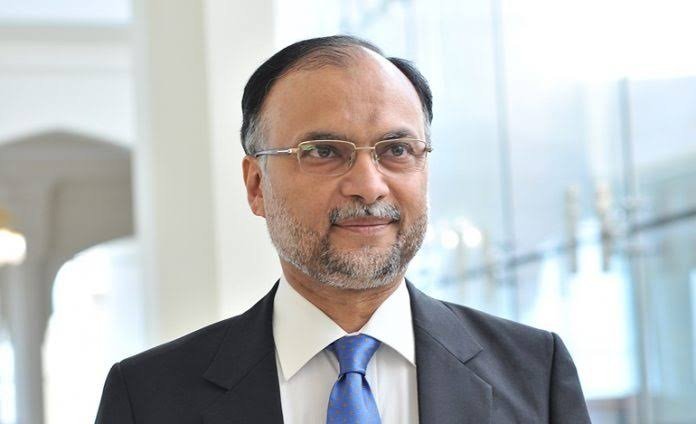
ISLAMABAD — Pakistan is set to embark on a strategic diversification of its product and market portfolios to achieve a sustainable economic growth rate of six percent, according to Federal Minister for Planning, Development and Special Initiatives, Professor Ahsan Iqbal. The announcement was made on Thursday, highlighting the government’s commitment to bolstering export-led growth.
What Happened
In a recent statement, Federal Minister Ahsan Iqbal outlined the government’s strategy to enhance Pakistan’s economic growth by diversifying its export products and exploring new international markets. This initiative is part of a broader economic plan aimed at achieving a consistent growth rate of six percent. Minister Iqbal emphasized the importance of this approach, stating, “Diversification is crucial for sustainable growth and reducing dependency on a limited range of products and markets.”
The government plans to introduce new policies that will encourage innovation and competitiveness among local industries. These policies are expected to foster an environment conducive to the development of new products and services that can compete on a global scale. Additionally, efforts will be made to identify and penetrate emerging markets that offer untapped potential for Pakistani exports.
Minister Iqbal also highlighted the role of technology and innovation in this diversification strategy. By leveraging advancements in technology, Pakistan aims to enhance the quality and appeal of its products, making them more attractive to international buyers. “We must integrate technology into our production processes to meet global standards and demands,” he added.
Background
Historically, Pakistan’s economy has been heavily reliant on a narrow range of export products, primarily textiles and agriculture. This reliance has made the economy vulnerable to global market fluctuations and demand shifts. Previous attempts to diversify the economy have faced challenges, including political instability, lack of infrastructure, and limited access to technology.
In recent years, the government has initiated several programs to address these challenges, including investments in infrastructure and technology. However, achieving significant diversification has remained elusive. The current initiative led by Minister Iqbal represents a renewed effort to overcome these obstacles and position Pakistan as a competitive player in the global market.
Why It Matters
The diversification of products and markets is critical for Pakistan’s economic stability and growth. By reducing dependency on traditional exports, the country can mitigate the risks associated with global economic downturns and trade disruptions. This strategy also opens up opportunities for job creation and increased foreign investment, both of which are essential for economic development.
Economically, achieving a six percent growth rate would mark a significant improvement over recent years, where growth has been hampered by various internal and external factors. A diversified export portfolio could lead to a more resilient economy, capable of withstanding global economic shocks.
Socially, this initiative could lead to improvements in living standards as new industries emerge and employment opportunities increase. It also has the potential to foster innovation and entrepreneurship, particularly among the youth, who are a vital demographic in Pakistan’s economic landscape.
Internationally, a successful diversification strategy could enhance Pakistan’s trade relations and strengthen its position in global markets. By expanding its reach into new markets, Pakistan can build stronger economic ties and increase its influence on the international stage.
Key Takeaways
- Pakistan aims to achieve a six percent economic growth rate through diversification of products and markets.
- The government plans to introduce policies that encourage innovation and competitiveness.
- Technology and innovation are central to the diversification strategy.
- Diversification could lead to economic stability, job creation, and increased foreign investment.
- Successful implementation could strengthen Pakistan’s international trade relations.
Source Attribution
This article is based on official government statements, press releases, and public communications from relevant authorities.














