
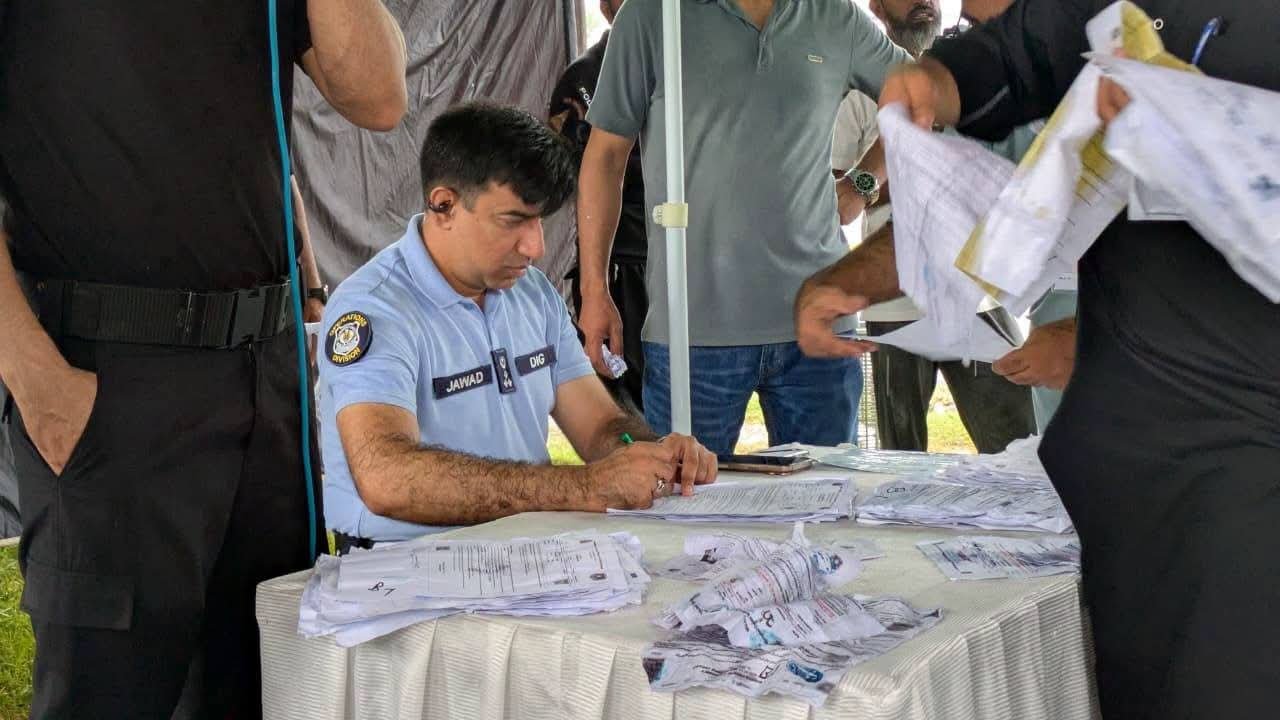
ISLAMABAD — The Islamabad Police recruitment process has reached its fourth day, with physical endurance and running tests being conducted under the vigilant supervision of senior officers. The testing is taking place across multiple cities, including Islamabad, Karachi, and Peshawar, as part of a comprehensive effort to ensure a fair and transparent recruitment process.
What Happened
The ongoing recruitment drive for the Islamabad Police is focused on evaluating candidates through rigorous physical endurance and running tests. These tests, which commenced earlier this week, are being held at designated test centers in Islamabad, Karachi, and Peshawar. Senior police officers are overseeing the process to maintain high standards of security and administrative efficiency.
According to officials, the recruitment process is designed to be merit-based, with a strong emphasis on transparency. The presence of senior officers at the test centers is intended to ensure that all procedures are followed correctly and that candidates are facilitated appropriately throughout the process. This includes reviewing security measures and administrative arrangements to prevent any irregularities.
As the recruitment enters its fourth day, the focus remains on maintaining a smooth operation across all test centers. The officials have reiterated their commitment to a fair selection process, which is crucial for the integrity of the police force.
Background
The recruitment process for the Islamabad Police is part of a broader initiative to strengthen law enforcement capabilities in Pakistan’s capital and other major cities. Historically, police recruitment in the country has faced challenges related to transparency and meritocracy. Efforts have been made in recent years to address these issues by implementing more stringent oversight and accountability measures.
In the past, recruitment drives have been marred by allegations of favoritism and lack of transparency, which have undermined public confidence in the police force. The current recruitment process aims to rectify these issues by ensuring that all candidates are assessed purely on their abilities and qualifications.
Why It Matters
The recruitment of new police officers is a critical component of enhancing public safety and maintaining law and order in Pakistan’s urban centers. With cities like Islamabad, Karachi, and Peshawar facing unique security challenges, the need for a competent and well-trained police force is more pressing than ever.
Economically, a transparent and merit-based recruitment process can lead to a more efficient law enforcement agency, which in turn can foster a safer environment for businesses and residents. This can attract investment and contribute to economic growth in these urban areas.
Socially, the integrity of the recruitment process is vital for public trust in law enforcement. A police force that is perceived as fair and competent is more likely to garner the cooperation and support of the community it serves. This can lead to more effective policing and a reduction in crime rates.
On an international level, Pakistan’s commitment to reforming its police recruitment process can enhance its reputation as a nation striving for transparency and accountability in its public institutions. This can improve diplomatic relations and open up opportunities for international collaboration in areas such as security and law enforcement training.
Key Takeaways
- The Islamabad Police recruitment process is in its fourth day, with tests being conducted in Islamabad, Karachi, and Peshawar.
- Senior officers are overseeing the process to ensure transparency and merit-based selection.
- The recruitment aims to address past challenges related to favoritism and lack of transparency.
- A transparent recruitment process is crucial for public trust and effective law enforcement.
- Reforming police recruitment can improve Pakistan’s international reputation and foster economic growth.
Source Attribution
This article is based on official government statements, press releases, and public communications from relevant authorities.














