
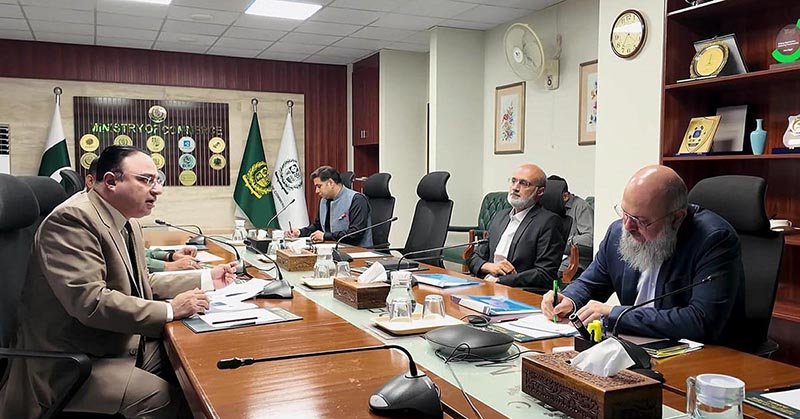
ISLAMABAD — Federal Minister for Commerce Jam Kamal Khan was briefed by Director General Trade Organizations (DGTO) Bilal Khan Pasha regarding the preparations for the upcoming nationwide 2026-28 Trade Bodies’ Elections. The briefing focused on electoral reforms and measures to ensure a transparent, credible, and efficient election process.
What Happened
During a detailed session held in Islamabad, Commerce Minister Jam Kamal Khan received a comprehensive update from DGTO Bilal Khan Pasha on the ongoing preparations for the 2026-28 Trade Bodies’ Elections. The discussion centered on implementing electoral reforms aimed at enhancing transparency and credibility in the election process. The DGTO highlighted the importance of these elections, which are crucial for the representation of trade bodies across Pakistan.
Bilal Khan Pasha outlined several measures being undertaken to ensure that the elections are conducted smoothly. These include the introduction of new technologies to streamline voter registration and vote counting, as well as training sessions for election officials to uphold integrity throughout the process. Minister Jam Kamal Khan emphasized the need for a fair and transparent electoral process, stating, “The credibility of our trade bodies depends on the integrity of these elections.”
The meeting also explored challenges faced by the trade bodies and discussed strategies to address them. The DGTO assured the minister that all necessary steps are being taken to mitigate potential issues and ensure that the elections are conducted without any hindrances.
Background
The trade bodies’ elections in Pakistan are a significant event, held every three years, to elect representatives who will advocate for the interests of various sectors within the commerce industry. These elections are governed by the Trade Organizations Act, 2013, which provides a legal framework for the establishment and regulation of trade bodies in the country. The act aims to promote and develop trade and industry in Pakistan by ensuring that trade organizations operate in a democratic manner.
In previous election cycles, issues such as voter fraud, lack of transparency, and inefficiencies in the electoral process have been reported. To address these concerns, the Ministry of Commerce and the DGTO have been working on implementing reforms that will enhance the credibility and efficiency of the elections.
Why It Matters
The upcoming 2026-28 Trade Bodies’ Elections are pivotal for Pakistan’s economic landscape. These elections will determine the leadership of trade organizations that play a critical role in shaping the country’s trade policies and advocating for the business community’s interests. A transparent and efficient election process is essential to ensure that these bodies are led by competent and representative leaders.
The reforms being implemented are expected to address longstanding issues of electoral malpractice and enhance the trust of stakeholders in the electoral process. This is particularly important in a country like Pakistan, where the business community is a key driver of economic growth and development. By ensuring credible elections, the government aims to foster a more robust and dynamic trade environment.
Moreover, the successful conduct of these elections will have international implications, as it will demonstrate Pakistan’s commitment to democratic principles and good governance in the business sector. This could potentially attract foreign investment and strengthen trade relations with other countries.
Key Takeaways
- Commerce Minister Jam Kamal Khan was briefed on preparations for the 2026-28 Trade Bodies’ Elections.
- Electoral reforms are being implemented to ensure transparency and credibility.
- The Trade Organizations Act, 2013, governs the election process for trade bodies in Pakistan.
- The elections are crucial for the representation and advocacy of the business community.
- Successful elections could enhance Pakistan’s international trade relations.
Source Attribution
The article is based on official government statements, press releases, and public communications from relevant authorities.














