
Pakistan

News related to Pakistan in Pakistan and around the world.

Pakistan

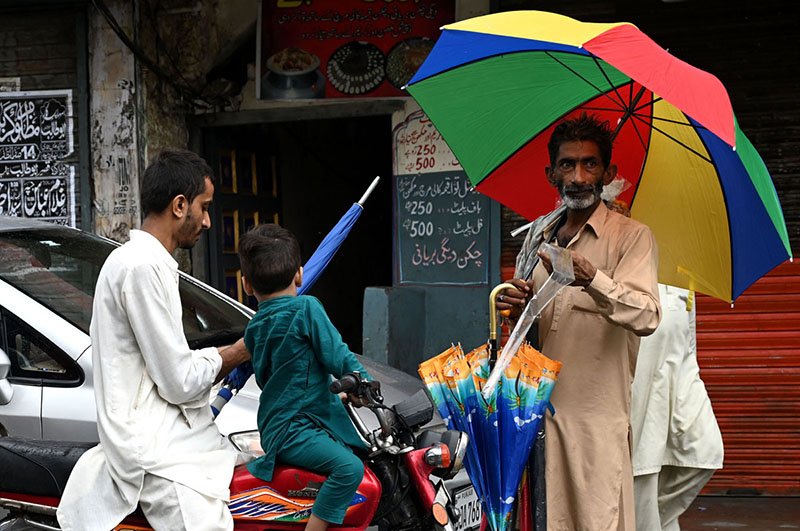
Street Vendor Sells Umbrellas Amidst Monsoon Season in Lahore

LAHORE — As the monsoon season sweeps across Pakistan, a street vendor in Lahore’s old city is capitalizing on the weather by selling umbrellas to passersby. The bustling streets of the provincial capital have seen an uptick in demand for rain gear, with vendors like him providing an essential service to locals navigating the rainy season. What Happened The vendor, stationed in the heart of Lahore’s old city, has set up a modest stall displaying a variety of umbrellas. With the onset of the monsoon, which typically runs from July to September, the demand for umbrellas has surged. The vendor, who declined to give his name, stated, “The rains have brought more customers. People need umbrellas to go about their daily activities without getting drenched.” According to local sources, the vendor’s stall is strategically located in a high-footfall area, attracting both locals and tourists. The umbrellas on sale range from basic models to more elaborate designs, catering to different tastes and budgets. “I try to offer something for everyone,” the vendor explained, noting that his prices are competitive compared to larger retail outlets. As the rain continues to fall, the vendor’s business is thriving. He reports selling dozens of umbrellas each day, a significant increase from the dry months. “This is the best time of year for my business,” he added, smiling as he handed an umbrella to a customer. Background Lahore, known for its rich history and vibrant culture, experiences significant rainfall during the monsoon season. This period is crucial for the city’s agriculture but often causes disruptions in daily life due to waterlogging and traffic congestion. Street vendors play a vital role in providing accessible and affordable solutions to weather-related challenges faced by the city’s residents. Historically, street vending has been an integral part of Lahore’s economy, providing livelihoods for thousands of families. Despite facing challenges such as limited space and competition from established retailers, street vendors continue to thrive by adapting to market demands and offering personalized service. Why It Matters The presence of street vendors selling essential items like umbrellas during the monsoon season highlights the adaptability and resilience of small-scale entrepreneurs in Pakistan. These vendors not only contribute to the local economy but also provide a critical service to the community, especially during adverse weather conditions. Economically, street vendors like the one in Lahore’s old city help stimulate local commerce by keeping money within the community. Their operations often involve minimal overhead costs, allowing them to offer competitive prices that attract a wide range of customers. This economic activity supports local families and contributes to the broader economic ecosystem. Socially, the accessibility of umbrellas and other rain gear from street vendors ensures that residents can continue their daily routines with minimal disruption. This is particularly important in a city like Lahore, where public transportation and pedestrian traffic are heavily relied upon. By providing affordable solutions, street vendors help maintain the flow of daily life, even amidst challenging weather conditions. Politically, the role of street vendors underscores the need for supportive policies that recognize and integrate informal economies into the broader economic framework. As urban areas continue to grow, the importance of accommodating and regulating street vendors becomes increasingly apparent, ensuring they can operate without undue hindrance while contributing to the local economy. Key Takeaways A street vendor in Lahore’s old city is successfully selling umbrellas during the monsoon season. The vendor’s strategic location and competitive pricing have led to increased sales. Street vendors play a crucial role in providing affordable solutions during adverse weather conditions. The economic activity generated by street vendors supports local communities and families. There is a need for policies that support and regulate the informal economy in urban areas. Source Attribution This article is based on official government statements, press releases, and public communications from relevant authorities. Author: NEN Editorial Desk | Editor: NEN Newsroom | Fact Checked By: NEN Editorial Team Author: NEN Editorial Desk  |  Editor: NEN Newsroom  |  Last Updated: July 27, 2026  |  Source: NEN Reporter This article was produced by the NEN Editorial Desk in accordance with NEN Agency’s Editorial Policy and Fact-Checking Policy.

Pakistan

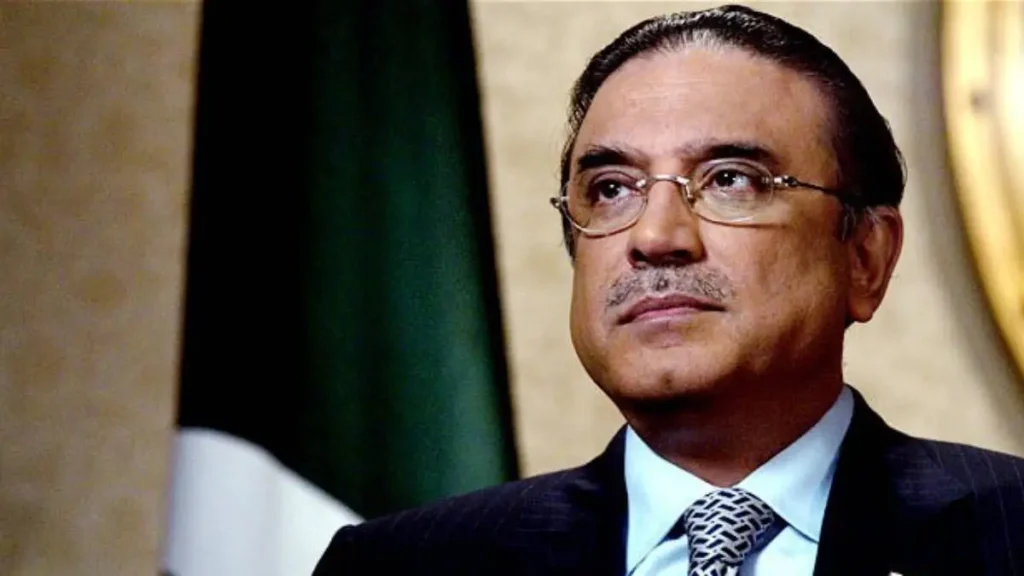
President Zardari Vows To Eradicate Hepatitis C By 2030 With Nationwide Screening

ISLAMABAD — President Asif Ali Zardari has reiterated Pakistan’s commitment to eradicating Hepatitis C by 2030, aligning with both national goals and the World Health Organization’s (WHO) targets. He emphasized the need for a comprehensive nationwide screening program to achieve this objective. What Happened During a recent address, President Zardari highlighted the critical importance of tackling Hepatitis C, a significant public health challenge in Pakistan. He announced the government’s renewed focus on eliminating the disease by the year 2030. This commitment is part of a broader strategy to align with the WHO’s global health targets, which aim to significantly reduce the incidence of Hepatitis C worldwide. President Zardari stressed the need for a robust national screening program, which would involve testing millions of Pakistanis to identify and treat those infected with the Hepatitis C virus (HCV). “We must ensure that every citizen has access to testing and treatment,” he stated, underscoring the government’s resolve to address the issue comprehensively. The President’s announcement comes amidst growing concerns about the prevalence of Hepatitis C in Pakistan, where an estimated 8 million people are living with the virus. The disease is primarily spread through unsafe medical practices, including the reuse of needles and inadequate screening of blood transfusions. Background Hepatitis C is a liver infection caused by the Hepatitis C virus, which can lead to serious liver damage, cirrhosis, and liver cancer if left untreated. The virus is primarily transmitted through blood-to-blood contact. In Pakistan, the high prevalence of the virus has been attributed to factors such as unsafe medical practices and a lack of awareness about the disease. The WHO has set ambitious targets to eliminate Hepatitis C as a public health threat by 2030, which includes reducing new infections by 90% and mortality by 65%. Pakistan’s national health policy has been aligned with these targets, focusing on prevention, testing, and treatment strategies to combat the virus. In recent years, Pakistan has made strides in increasing access to antiviral treatments, which can cure over 95% of cases. However, challenges remain in terms of widespread testing and ensuring that all segments of the population, particularly in rural areas, have access to necessary healthcare services. Why It Matters The commitment to eliminate Hepatitis C by 2030 is significant for Pakistan’s public health landscape. With millions affected, the disease places a substantial burden on the healthcare system and affects the quality of life for those infected. By prioritizing a nationwide screening program, the government aims to identify cases early and provide timely treatment, thus reducing the overall disease burden. Economically, the eradication of Hepatitis C could lead to significant savings in healthcare costs associated with treating advanced liver disease. It would also improve productivity by reducing the number of workdays lost to illness. Socially, eliminating the stigma associated with the disease and improving public health education are crucial components of the strategy. Internationally, Pakistan’s efforts to align with WHO targets demonstrate the country’s commitment to global health initiatives. Successfully eliminating Hepatitis C could position Pakistan as a leader in the region for public health advancements, potentially attracting international support and partnerships. Key Takeaways President Zardari has reaffirmed Pakistan’s goal to eliminate Hepatitis C by 2030. A nationwide screening program is planned to identify and treat those infected with HCV. Hepatitis C affects an estimated 8 million people in Pakistan, posing a significant public health challenge. Aligning with WHO targets, Pakistan aims to reduce new infections and mortality rates significantly. Eliminating Hepatitis C could lead to economic savings and improve public health outcomes. Source Attribution This article is based on official government statements and public communications from relevant authorities. Author: NEN Editorial Desk | Editor: NEN Newsroom | Fact Checked By: NEN Editorial Team Author: NEN Editorial Desk  |  Editor: NEN Newsroom  |  Last Updated: July 27, 2026  |  Source: Press Release from Government of Pakistan This article was produced by the NEN Editorial Desk in accordance with NEN Agency’s Editorial Policy and Fact-Checking Policy.
Pakistan

Bangladesh and Sri Lanka Face Off in CAVA Men’s Volleyball Championship 2026

ISLAMABAD — The CAVA Men’s Volleyball Championship 2026 witnessed an exhilarating match between Bangladesh and Sri Lanka at the Liaquat Gymnasium, Pakistan Sports Complex, on July 27. The event drew an enthusiastic crowd, eager to see the teams compete in this prestigious tournament. What Happened The match between Bangladesh and Sri Lanka was a highlight of the CAVA Men’s Volleyball Championship 2026, showcasing the skills and competitive spirit of both teams. Held at the Liaquat Gymnasium, a key venue within the Pakistan Sports Complex in Islamabad, the game attracted numerous spectators who were keen to witness high-level volleyball action. The players from both teams delivered a thrilling performance, marked by powerful spikes, strategic plays, and exceptional teamwork. The gymnasium resonated with the cheers of fans supporting their respective teams, creating an electrifying atmosphere. The match was part of a series of games that are being held as part of the championship, which features teams from various countries competing for the title. According to officials, the CAVA Men’s Volleyball Championship 2026 is an important event in the international volleyball calendar, providing a platform for teams to demonstrate their prowess and gain valuable competitive experience. The presence of Bangladesh and Sri Lanka, both known for their growing volleyball capabilities, added an extra layer of excitement to the tournament. Background The CAVA Men’s Volleyball Championship is an annual event organized under the auspices of the Central Asian Volleyball Association (CAVA). The championship aims to promote the sport of volleyball across the region and provide a competitive platform for teams to showcase their skills. Pakistan has been a regular host of such international sports events, reflecting its commitment to fostering sportsmanship and international camaraderie. Volleyball has been gaining popularity in South Asia, with countries like Bangladesh and Sri Lanka investing in the development of the sport. Both nations have been working on building strong national teams capable of competing at international levels. The championship serves as an opportunity for these teams to test their mettle against regional rivals and improve their standings in the international volleyball community. Why It Matters The CAVA Men’s Volleyball Championship 2026 is significant for several reasons. Firstly, it highlights the growing importance of volleyball as a sport in South Asia, encouraging more youth to participate and pursue careers in sports. The event also underscores the role of sports in fostering international relations and cultural exchange, as teams from different countries come together in a spirit of friendly competition. For Pakistan, hosting such an event is a testament to its capabilities in organizing international sports competitions, which can boost tourism and enhance the country’s image as a sports-friendly nation. The successful execution of the championship can lead to more opportunities for Pakistan to host similar events in the future, potentially attracting international investment in sports infrastructure and development. Moreover, the championship provides a platform for players to gain exposure and experience, which is crucial for their development and the overall growth of the sport in their respective countries. It also offers a chance for local fans to witness international-level volleyball, inspiring future generations of athletes. Key Takeaways The CAVA Men’s Volleyball Championship 2026 featured a match between Bangladesh and Sri Lanka at the Liaquat Gymnasium in Islamabad. The event attracted a large number of spectators, highlighting the popularity of volleyball in the region. The championship is part of efforts to promote volleyball in South Asia and provide international exposure to participating teams. Hosting the championship positions Pakistan as a capable organizer of international sports events, potentially boosting tourism and investment. The event fosters international relations and cultural exchange through sports. Source Attribution This article is based on official government statements, press releases, and public communications from relevant authorities. Author: NEN Editorial Desk | Editor: NEN Newsroom | Fact Checked By: NEN Editorial Team Author: NEN Editorial Desk  |  Editor: NEN Newsroom  |  Last Updated: July 27, 2026  |  Source: NEN Reporter This article was produced by the NEN Editorial Desk in accordance with NEN Agency’s Editorial Policy and Fact-Checking Policy.
Pakistan

National Champions ODI Cup Set to Commence on August 11 in Multan

LAHORE — The Pakistan Cricket Board (PCB) has announced the squads and schedule for the National Champions ODI Cup, which will take place from August 11 to 18 at the Multan Cricket Stadium. This 50-over List-A tournament marks the start of the 2026-27 domestic cricket season and will feature four teams: Pakistan Greens, Pakistan Whites, Pakistan Blues, and Pakistan Gold. What Happened The PCB revealed that the National Champions ODI Cup will follow a single-league round-robin format, with the top two teams advancing to the final on August 18. All seven matches will be day-night fixtures, starting at 3 p.m. local time. The tournament aims to provide a competitive platform for players as preparations begin for the ICC Men’s Cricket World Cup 2027. The national selection committee has announced fixed playing XIs for each team, along with a reserve pool of 13 players. This reserve pool will be utilized only in cases of injury or concussion, ensuring that teams have the necessary support throughout the tournament. Among the captains leading the teams are prominent players such as Shaheen Shah Afridi, Shadab Khan, Saim Ayub, and Sahibzada Farhan. The squads have been carefully selected to include a mix of experienced players and emerging talent. For instance, Pakistan Greens will be led by Shadab Khan and includes players like Fakhar Zaman and Naseem Shah. Pakistan Whites, captained by Saim Ayub, features Haris Rauf and Khushdil Shah. Sahibzada Farhan will lead Pakistan Blues, with Hasan Ali and Abdullah Shafique among the ranks. Finally, Shaheen Shah Afridi will captain Pakistan Gold, which includes Haider Ali and Mohammad Nawaz. Background The National Champions ODI Cup is a significant event in Pakistan’s domestic cricket calendar, serving as a precursor to the international season. The PCB has consistently used domestic tournaments to scout and prepare players for international competitions. This year’s tournament is particularly crucial as it aligns with the strategic planning for the upcoming ICC Men’s Cricket World Cup 2027, where Pakistan aims to perform strongly on the global stage. The format of the tournament, a round-robin followed by a final, is designed to maximize competitive play and provide ample opportunities for players to showcase their skills. The inclusion of a reserve pool is a strategic move to ensure that teams can adapt to unforeseen circumstances such as injuries. Why It Matters The National Champions ODI Cup is more than just a domestic tournament; it is a critical component of Pakistan’s cricketing strategy. By providing a platform for both established and emerging players, the PCB is fostering a competitive environment that is essential for the development of talent. This tournament will not only help in identifying players who can represent Pakistan in future international fixtures but also ensure that the national team is well-prepared for the challenges of the ICC Men’s Cricket World Cup 2027. Economically, the tournament brings attention to the Multan region, potentially boosting local businesses and tourism. The day-night format is likely to attract more spectators, both in-stadium and through broadcast, enhancing the visibility of domestic cricket in Pakistan. Socially, the tournament provides an opportunity for cricket enthusiasts across the country to engage with the sport, fostering a sense of national pride and unity. The participation of high-profile players like Shaheen Shah Afridi and Shadab Khan is expected to draw significant interest, inspiring young cricketers to pursue the sport professionally. Key Takeaways The National Champions ODI Cup will be held from August 11 to 18 at Multan Cricket Stadium. Four teams will compete in a round-robin format, with the top two advancing to the final. The tournament serves as preparation for the ICC Men’s Cricket World Cup 2027. Captains include Shaheen Shah Afridi, Shadab Khan, Saim Ayub, and Sahibzada Farhan. The event is crucial for talent development and boosting local economies. Source Attribution This article is based on official statements and public communications from the Pakistan Cricket Board (PCB). Author: NEN Editorial Desk | Editor: NEN Newsroom | Fact Checked By: NEN Editorial Team Author: NEN Editorial Desk  |  Editor: NEN Newsroom  |  Last Updated: July 27, 2026  |  Source: NEN Reporter This article was produced by the NEN Editorial Desk in accordance with NEN Agency’s Editorial Policy and Fact-Checking Policy.

Pakistan

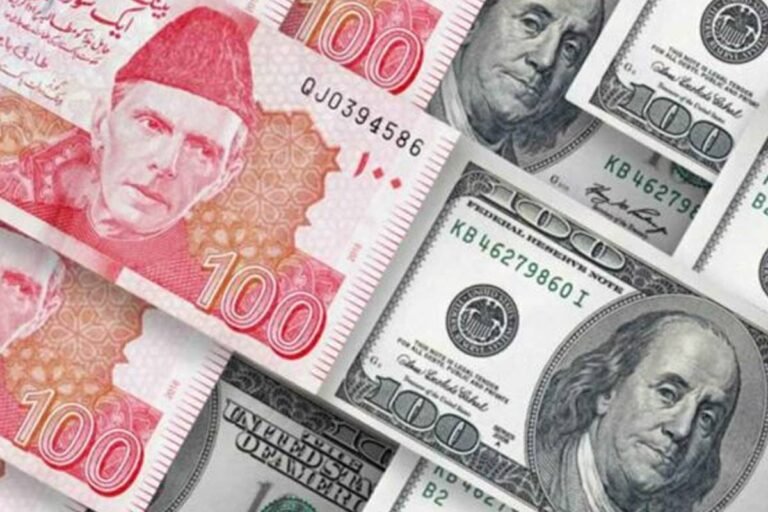
Rupee Records Marginal Gain Against US Dollar in Interbank Market

ISLAMABAD — The Pakistani Rupee showed a slight appreciation of 1 paisa against the US Dollar in interbank trading on Monday, closing at Rs 277.86 compared to the previous day’s Rs 277.87. This minor gain reflects ongoing fluctuations in the foreign exchange market. What Happened On Monday, the Rupee appreciated by 1 paisa against the US Dollar in the interbank market, closing at Rs 277.86. This change, though minimal, reflects the volatile nature of currency exchange rates influenced by various economic factors. According to the Forex Association of Pakistan (FAP), the open market buying and selling rates of the US Dollar were recorded at Rs 278.85 and Rs 278.90, respectively. In addition to the US Dollar, other currencies also experienced fluctuations. The Euro rose by Rs 0.29, closing at Rs 316.66, up from the previous day’s Rs 316.37, as per the State Bank of Pakistan (SBP). The British Pound also saw a slight increase of Rs 0.07, ending the day at Rs 370.51 compared to Rs 370.44 the previous day. Meanwhile, the Japanese Yen remained steady at Rs 1.69. Conversely, the Emirate Dirham experienced a decline of 1 paisa, closing at Rs 75.64, while the Saudi Riyal remained unchanged at Rs 74.02. These changes highlight the mixed performance of foreign currencies against the Rupee. Background The Pakistani Rupee’s value against foreign currencies is subject to various factors, including international market trends, domestic economic policies, and geopolitical developments. Historically, the Rupee has faced challenges due to economic instability, inflation, and trade deficits. The State Bank of Pakistan plays a crucial role in managing the exchange rate through monetary policy interventions and foreign exchange reserves management. In recent years, the Rupee has experienced significant depreciation against major currencies, driven by factors such as rising import bills, dwindling foreign reserves, and external debt obligations. Efforts to stabilize the currency have included seeking financial assistance from international bodies and implementing structural reforms to boost economic growth. Why It Matters The exchange rate of the Rupee against the US Dollar and other major currencies holds significant implications for Pakistan’s economy. A stronger Rupee can help reduce the cost of imports, thereby easing inflationary pressures on essential goods and services. This is particularly important for a country that relies heavily on imported energy and raw materials. Conversely, a weaker Rupee can increase the cost of imports, contributing to higher inflation and impacting the purchasing power of consumers. It can also affect the country’s balance of payments, making it more challenging to manage external debt obligations. For businesses engaged in international trade, currency fluctuations can influence profitability and competitiveness. Exporters may benefit from a weaker Rupee, as it makes their goods more competitive in global markets. However, importers face higher costs, which can affect pricing strategies and profit margins. On a broader scale, the Rupee’s performance is a barometer of investor confidence and economic stability. A stable and strong currency can attract foreign investment, supporting economic growth and development. Conversely, persistent volatility can deter investment and hinder economic progress. Key Takeaways The Rupee appreciated by 1 paisa against the US Dollar, closing at Rs 277.86 in interbank trading. The Euro and British Pound saw slight increases, while the Japanese Yen remained unchanged. The Emirate Dirham declined by 1 paisa, and the Saudi Riyal stayed steady. Currency fluctuations impact inflation, trade balances, and economic stability. The Rupee’s performance is crucial for investor confidence and economic growth. Source Attribution This article is based on official government statements, press releases, and public communications from relevant authorities. Author: NEN Editorial Desk | Editor: NEN Newsroom | Fact Checked By: NEN Editorial Team Author: NEN Editorial Desk  |  Editor: NEN Newsroom  |  Last Updated: July 27, 2026  |  Source: NEN Reporter This article was produced by the NEN Editorial Desk in accordance with NEN Agency’s Editorial Policy and Fact-Checking Policy.
Pakistan

Gold Prices Surge by Rs4,000 Per Tola in Pakistan’s Market

ISLAMABAD — The price of 24-karat gold in Pakistan’s local market surged by Rs4,000 per tola on Monday, reaching Rs431,736. This significant increase was reported by the All Pakistan Sarafa Gems and Jewellers Association, reflecting the volatile nature of the precious metal’s market. What Happened The local gold market experienced a sharp rise in prices as the cost of 24-karat gold per tola increased by Rs4,000. As of Monday, the new price stands at Rs431,736 per tola. This jump in prices is attributed to several factors, including fluctuations in the international gold market and the ongoing economic conditions within the country. The All Pakistan Sarafa Gems and Jewellers Association, which regularly updates the rates, confirmed these figures in their latest release. The increase in gold prices comes amid global economic uncertainties and fluctuating currency exchange rates. Gold, traditionally considered a safe-haven asset, often sees price increases during times of economic instability as investors seek to protect their wealth. The current surge can also be linked to changes in the international gold prices, which have been affected by geopolitical tensions and inflationary pressures in major economies. Local jewellers and traders have noted an uptick in demand for gold as consumers anticipate further price hikes. “The market is reacting to global trends, and we are seeing more people buying gold as a hedge against inflation,” said a representative from the Sarafa Association. Background Historically, gold prices in Pakistan have been influenced by international market trends and domestic economic conditions. The country imports gold to meet local demand, which means that any fluctuations in the global market directly impact local prices. In recent years, the devaluation of the Pakistani rupee against the US dollar has also contributed to the rising cost of gold. Gold has long been a popular investment in Pakistan, both as a store of value and for cultural reasons, such as weddings and other significant life events. The precious metal’s price is closely watched by investors and consumers alike, who often react quickly to changes in the market. Why It Matters The surge in gold prices holds significant implications for Pakistan’s economy and its citizens. Economically, the rising cost of gold can impact inflation rates, as it affects the prices of jewellery and other gold-related products. For consumers, especially those planning weddings or other events requiring gold, the increased prices can lead to higher expenses. On a broader scale, the rise in gold prices can reflect underlying economic challenges, such as currency devaluation and inflationary pressures. These factors can influence consumer confidence and spending, potentially slowing economic growth. Furthermore, as gold is often used as a hedge against currency instability, the current price trends may indicate concerns about the Pakistani rupee’s future stability. Internationally, the increase in gold prices can affect Pakistan’s trade balance, as higher gold import costs can lead to a larger trade deficit. This situation can put additional pressure on the country’s foreign exchange reserves, which are already under strain due to various economic challenges. Key Takeaways The price of 24-karat gold in Pakistan has increased by Rs4,000 per tola, reaching Rs431,736. The surge is influenced by global market trends and domestic economic conditions. Gold remains a popular investment in Pakistan, often used as a hedge against inflation and currency instability. Rising gold prices can impact inflation rates and consumer expenses, particularly for events like weddings. The increase may reflect broader economic concerns, including currency devaluation and trade balance pressures. Source Attribution This article is based on official statements, press releases, and public communications from relevant authorities. Author: NEN Editorial Desk | Editor: NEN Newsroom | Fact Checked By: NEN Editorial Team Author: NEN Editorial Desk  |  Editor: NEN Newsroom  |  Last Updated: July 27, 2026  |  Source: NEN Reporter This article was produced by the NEN Editorial Desk in accordance with NEN Agency’s Editorial Policy and Fact-Checking Policy.
Pakistan

Karachi Police Arrest Three Suspected Street Criminals After Encounters

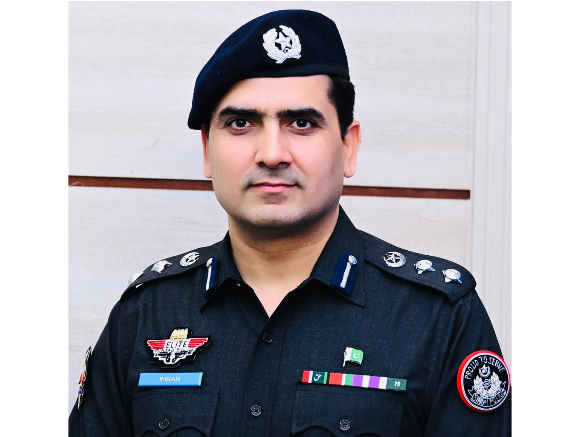
KARACHI — Police in Karachi have apprehended three individuals suspected of street crimes following separate encounters in the city’s Central district. The arrests were made by officers from the Gulberg and Azizabad police stations, with one suspect sustaining injuries during the operations. What Happened On July 27, the Karachi police conducted targeted operations in the Central district, resulting in the arrest of three alleged street criminals. Senior Superintendent of Police (SSP) Central, Imran Khan, provided details of the operations, identifying the suspects as Nauman, son of Abdul Shakoor, who was injured during the encounter, and Yousuf, son of another individual whose identity was not disclosed. The third suspect’s details were not immediately available. The encounters took place in the jurisdictions of Gulberg and Azizabad police stations. According to SSP Imran Khan, the operations were part of an ongoing effort to curb street crime in the area, which has seen a rise in incidents over recent months. The police reportedly acted on intelligence reports that led them to the suspects’ locations. During the encounters, the police recovered weapons and other items allegedly used in criminal activities. The injured suspect, Nauman, was taken to a nearby hospital for treatment and is reported to be in stable condition. The other two suspects were taken into custody for further interrogation. Background Karachi, Pakistan’s largest city, has long struggled with street crime, which includes muggings, theft, and other petty crimes. The city’s law enforcement agencies have been under pressure to address the issue, as it affects the safety and security of residents and visitors alike. In recent years, the Karachi police have intensified their efforts to combat street crime through increased patrols, intelligence-driven operations, and community engagement initiatives. The Gulberg and Azizabad areas, part of Karachi’s Central district, have been identified as hotspots for street crime. The police have been conducting regular operations in these areas to dismantle criminal networks and reduce the incidence of crime. These efforts are part of a broader strategy to improve public safety and restore confidence in the city’s law enforcement agencies. Why It Matters The arrests of these suspected street criminals are significant for several reasons. Firstly, they represent a proactive approach by the Karachi police to tackle the persistent issue of street crime, which has been a major concern for residents. By apprehending suspects involved in such activities, the police aim to deter future crimes and enhance the overall security environment in the city. Economically, reducing street crime is crucial for Karachi, as it is a major commercial hub in Pakistan. The perception of safety is vital for attracting both local and international businesses, investors, and tourists. Persistent crime can deter investment and hinder economic growth, making effective law enforcement a priority for the city’s administration. Socially, the impact of street crime on communities is profound. It erodes trust among residents, creates a climate of fear, and can lead to social instability. By addressing these issues, the police not only improve public safety but also contribute to the social cohesion and well-being of the community. Politically, the effectiveness of law enforcement agencies in curbing crime can influence public perception of government performance. Successful operations against criminals can bolster the credibility of the police and the government, while failures can lead to criticism and demands for reform. Key Takeaways Karachi police arrested three suspected street criminals following encounters in the Central district. One suspect was injured during the operation and is receiving medical treatment. The arrests are part of ongoing efforts to reduce street crime in Karachi. Street crime has significant economic, social, and political implications for the city. Effective law enforcement is crucial for improving public safety and attracting investment. Source Attribution This article is based on official government statements, press releases, and public communications from relevant authorities. Author: NEN Editorial Desk | Editor: NEN Newsroom | Fact Checked By: NEN Editorial Team Author: NEN Editorial Desk  |  Editor: NEN Newsroom  |  Last Updated: July 27, 2026  |  Source: NEN Reporter This article was produced by the NEN Editorial Desk in accordance with NEN Agency’s Editorial Policy and Fact-Checking Policy.
Pakistan

Governor Kundi Urges Chinese Investment in Khyber Pakhtunkhwa

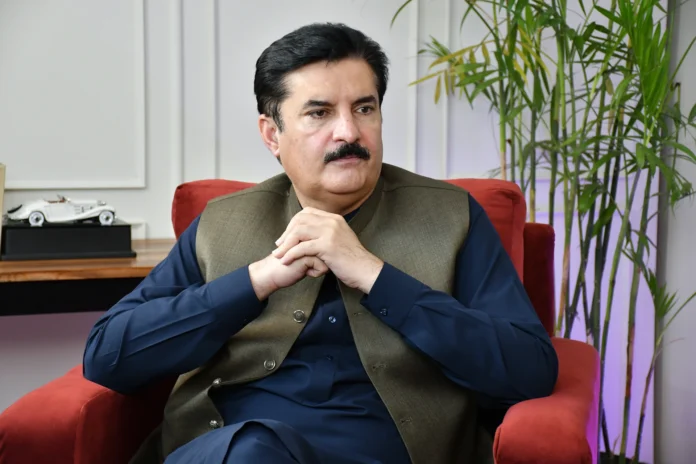
ISLAMABAD — Governor of Khyber Pakhtunkhwa Faisal Karim Kundi has extended an invitation to Chinese investors to explore investment opportunities in the province. This invitation was made during a meeting held on Monday with a high-level delegation from the Tabani Group and Shandong Hi-Speed Group, led by Hamza Tabani, who holds the Sitara-e-Imtiaz. What Happened Governor Faisal Karim Kundi met with representatives from the Tabani Group and Shandong Hi-Speed Group to discuss potential investment opportunities in Khyber Pakhtunkhwa. During the meeting, Governor Kundi assured the delegation of comprehensive support and security for any investment projects they might undertake in the province. He emphasized the strategic importance of Khyber Pakhtunkhwa in terms of its geographical location and the potential for economic growth. The meeting was attended by key stakeholders from both the Pakistani and Chinese sides. Governor Kundi highlighted the province’s rich resources and strategic position as key factors that could be leveraged for mutual economic benefits. He stated, “Khyber Pakhtunkhwa offers a conducive environment for investment with its rich natural resources and strategic location. We are committed to providing full support and ensuring security for all investment projects.” The Chinese delegation expressed interest in various sectors, including infrastructure, energy, and agriculture, which are seen as promising areas for investment. The meeting concluded with both parties agreeing to explore these opportunities further and to continue discussions on potential collaborations. Background Khyber Pakhtunkhwa, located in the northwestern region of Pakistan, has historically been a significant area due to its strategic location bordering Afghanistan. The province has been a focal point for various development projects under the China-Pakistan Economic Corridor (CPEC), which aims to enhance economic ties between China and Pakistan through infrastructure and energy projects. In recent years, the Pakistani government has been actively seeking foreign investment to boost economic growth and development. The province of Khyber Pakhtunkhwa, with its abundant natural resources and strategic location, has been identified as a key area for potential investment, particularly from Chinese investors who have shown interest in various sectors. Why It Matters The invitation to Chinese investors is significant as it aligns with Pakistan’s broader economic strategy to attract foreign direct investment (FDI) to spur economic growth. The involvement of Chinese companies, particularly in infrastructure and energy projects, could lead to substantial economic benefits for Khyber Pakhtunkhwa and Pakistan as a whole. Investment in Khyber Pakhtunkhwa could lead to job creation, infrastructure development, and enhanced economic activity in the region. For the local population, this could mean improved living standards and increased economic opportunities. Additionally, successful investment projects could set a precedent for further foreign investment in the province, contributing to its long-term economic stability. From a geopolitical perspective, strengthening economic ties with China through investment in Khyber Pakhtunkhwa could further solidify the strategic partnership between the two countries. This is particularly important in the context of CPEC, which is a cornerstone of Pakistan’s economic policy and a critical component of China’s Belt and Road Initiative. Key Takeaways Governor Faisal Karim Kundi has invited Chinese investors to explore opportunities in Khyber Pakhtunkhwa. The meeting with the Tabani Group and Shandong Hi-Speed Group focused on potential investments in infrastructure, energy, and agriculture. Khyber Pakhtunkhwa’s strategic location and resources make it an attractive destination for foreign investment. Investment in the province could lead to economic growth, job creation, and improved living standards for the local population. Strengthening ties with China through investment aligns with Pakistan’s broader economic strategy and CPEC objectives. Source Attribution This article is based on official government statements, press releases, and public communications from relevant authorities. Author: NEN Editorial Desk | Editor: NEN Newsroom | Fact Checked By: NEN Editorial Team Author: NEN Editorial Desk  |  Editor: NEN Newsroom  |  Last Updated: July 27, 2026  |  Source: Press Release from Government of Pakistan This article was produced by the NEN Editorial Desk in accordance with NEN Agency’s Editorial Policy and Fact-Checking Policy.
Pakistan

Pakistan Introduces 3-Year Hajj Policy for Cost Stability and Continuity

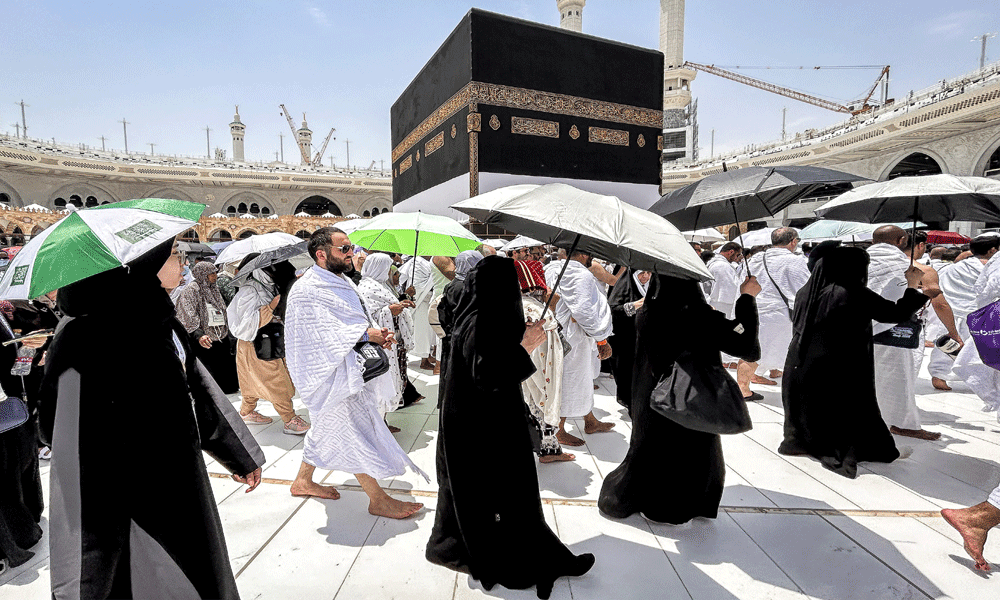
ISLAMABAD — Pakistan’s Ministry of Religious Affairs and Interfaith Harmony has unveiled a new three-year Hajj Policy and Plan aimed at ensuring long-term stability and cost efficiency in the country’s Hajj operations. The policy, covering the years 2027 to 2030, marks a significant shift from the previous annual planning approach to a multi-year framework. What Happened The Ministry of Religious Affairs and Interfaith Harmony announced a comprehensive 16-page document outlining the new Hajj Policy. This strategic initiative is designed to replace the traditional annual planning model with a three-year policy framework. The plan is expected to bring about stability in Hajj-related costs and ensure continuity in operations, benefiting both the pilgrims and the government. According to the ministry, the policy will focus on securing three- to four-year contracts with service providers in Saudi Arabia. This approach is intended to lock in prices and reduce the financial volatility that has historically affected Hajj operations. By negotiating longer-term agreements, the ministry aims to mitigate the impact of fluctuating exchange rates and inflation on the cost of Hajj for Pakistani pilgrims. Minister for Religious Affairs and Interfaith Harmony, Mufti Abdul Shakoor, stated, “This multi-year policy is a step towards ensuring that our pilgrims can perform Hajj with peace of mind, knowing that their expenses are predictable and manageable.” The policy document also highlights the ministry’s commitment to enhancing the overall experience of pilgrims through improved services and facilities. Background Historically, Pakistan has relied on annual planning for its Hajj operations, which often led to uncertainties regarding costs and logistical arrangements. The fluctuating exchange rates and inflation have been significant challenges, affecting the affordability of Hajj for many Pakistanis. In recent years, there have been calls for a more sustainable approach to managing Hajj operations, prompting the ministry to explore multi-year planning as a viable solution. Hajj, one of the five pillars of Islam, is a religious obligation for Muslims who are financially and physically able to undertake the pilgrimage. Each year, thousands of Pakistanis travel to Saudi Arabia to perform Hajj, making it a significant logistical undertaking for the government. The introduction of a multi-year policy is expected to streamline these efforts and provide a more predictable framework for managing the pilgrimage. Why It Matters The introduction of a three-year Hajj policy is a crucial development for several reasons. Economically, it offers a more stable pricing model for pilgrims, reducing the financial burden on individuals and families planning to perform Hajj. By securing longer-term contracts, the government can negotiate better rates and services, ultimately passing these benefits on to the pilgrims. Socially, the policy aims to enhance the overall experience of Pakistani pilgrims by ensuring consistent quality in services and accommodations. This is particularly important given the spiritual significance of Hajj and the need for a seamless experience during the pilgrimage. Politically, the move reflects the government’s commitment to improving public services and addressing the concerns of its citizens. By adopting a multi-year approach, the Ministry of Religious Affairs and Interfaith Harmony demonstrates its proactive stance in managing one of the country’s most significant religious events. Internationally, the policy aligns with Saudi Arabia’s vision for a more organized and efficient Hajj operation. It underscores Pakistan’s commitment to collaborating with Saudi authorities in ensuring a smooth and well-coordinated pilgrimage for its citizens. Key Takeaways Pakistan’s Ministry of Religious Affairs has introduced a three-year Hajj policy for 2027 to 2030. The policy aims to stabilize costs and improve continuity in Hajj operations. Long-term contracts with Saudi service providers will help manage financial volatility. The initiative seeks to enhance the overall experience for Pakistani pilgrims. The policy reflects the government’s commitment to improving public services and international cooperation. Source Attribution This article is based on official government statements, press releases, and public communications from the Ministry of Religious Affairs and Interfaith Harmony. Author: NEN Editorial Desk | Editor: NEN Newsroom | Fact Checked By: NEN Editorial Team Author: NEN Editorial Desk  |  Editor: NEN Newsroom  |  Last Updated: July 27, 2026  |  Source: NEN Reporter This article was produced by the NEN Editorial Desk in accordance with NEN Agency’s Editorial Policy and Fact-Checking Policy.

Pakistan

SNGPL Sponsors Ten AJGL Junior Golfers for National Competitions

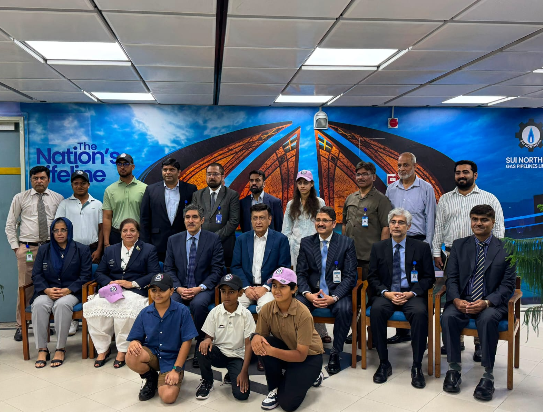
ISLAMABAD — Sui Northern Gas Pipelines Limited (SNGPL) has announced its sponsorship for ten promising golfers from the Ace Junior Golf League (AJGL). The initiative, revealed on Monday, marks SNGPL’s first foray into supporting golf in Pakistan, providing monthly stipends and travel assistance to aid young athletes in participating in national championships. What Happened SNGPL, a major public utility company in Pakistan, has taken a significant step by sponsoring ten junior golfers from the AJGL. This sponsorship includes a monthly financial stipend and travel support, which will enable these young athletes to compete in various national golf championships across the country. The announcement was made on Monday, July 27, and is part of SNGPL’s broader initiative to promote sports and nurture young talent in Pakistan. The selected golfers are part of the AJGL, a league dedicated to developing junior golf talent in the country. By providing financial support, SNGPL aims to alleviate some of the financial burdens associated with competitive sports, allowing these young golfers to focus on honing their skills and gaining valuable experience in national tournaments. Speaking at the announcement, a representative from SNGPL stated, “We are committed to supporting young talent in Pakistan and believe that sports play a crucial role in the development of youth. Our sponsorship of these junior golfers is a testament to our dedication to fostering excellence and providing opportunities for the next generation.” Background Golf has been a growing sport in Pakistan, with increasing participation at the junior level. The Ace Junior Golf League (AJGL) has been instrumental in identifying and nurturing young golf talent in the country. Established to provide a structured platform for junior golfers, the AJGL organizes regular tournaments and training sessions, aiming to elevate the standard of golf and prepare young athletes for national and international competitions. SNGPL’s involvement in sports sponsorship is not entirely new, as the company has previously supported other sports initiatives. However, this marks the first time SNGPL is venturing into golf, highlighting the sport’s rising popularity and the potential it holds for young athletes in Pakistan. Why It Matters The sponsorship by SNGPL is significant for several reasons. Economically, it provides financial relief to young athletes and their families, who often struggle with the costs associated with training, equipment, and travel for competitions. By covering these expenses, SNGPL is enabling these golfers to focus on their training and performance without financial distractions. Socially, the initiative underscores the importance of sports as a tool for youth development. By investing in junior golf, SNGPL is contributing to the creation of a positive environment that encourages discipline, teamwork, and perseverance among young athletes. This can have a broader impact on society by promoting healthy lifestyles and providing constructive outlets for youth engagement. Politically, the move reflects a growing recognition of the role of corporate entities in supporting national sports initiatives. It aligns with the government’s efforts to promote sports and physical activities as a means of national development and international representation. On an international level, this sponsorship could enhance Pakistan’s visibility in the global golf community. As these young golfers gain experience and potentially achieve success in national and international tournaments, they can serve as ambassadors for Pakistan, showcasing the country’s talent and potential in the sport. Key Takeaways SNGPL has announced its first-ever sponsorship for junior golf, supporting ten AJGL golfers. The sponsorship includes monthly stipends and travel support for national competitions. This initiative aims to alleviate financial burdens and promote youth development through sports. The move aligns with government efforts to enhance sports participation and development. It could boost Pakistan’s visibility in the international golf community. Source Attribution This article is based on official government statements, press releases, and public communications from relevant authorities. Author: NEN Editorial Desk | Editor: NEN Newsroom | Fact Checked By: NEN Editorial Team Author: NEN Editorial Desk  |  Editor: NEN Newsroom  |  Last Updated: July 27, 2026  |  Source: NEN Reporter This article was produced by the NEN Editorial Desk in accordance with NEN Agency’s Editorial Policy and Fact-Checking Policy.

Scroll to Top