
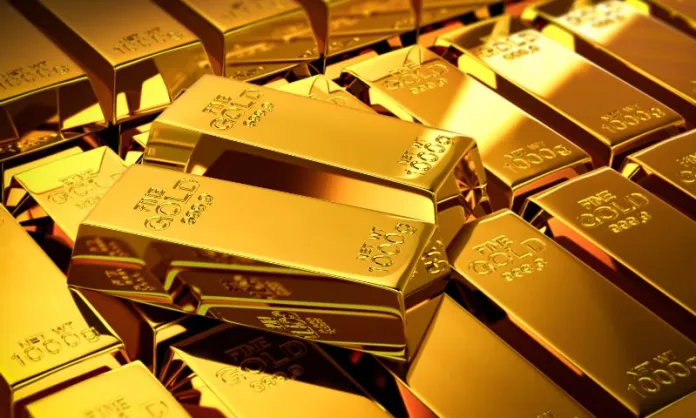
ISLAMABAD — The price of 24-karat gold in Pakistan’s local market surged by Rs4,000 per tola on Monday, reaching Rs431,736. This significant increase was reported by the All Pakistan Sarafa Gems and Jewellers Association, reflecting the volatile nature of the precious metal’s market.
What Happened
The local gold market experienced a sharp rise in prices as the cost of 24-karat gold per tola increased by Rs4,000. As of Monday, the new price stands at Rs431,736 per tola. This jump in prices is attributed to several factors, including fluctuations in the international gold market and the ongoing economic conditions within the country. The All Pakistan Sarafa Gems and Jewellers Association, which regularly updates the rates, confirmed these figures in their latest release.
The increase in gold prices comes amid global economic uncertainties and fluctuating currency exchange rates. Gold, traditionally considered a safe-haven asset, often sees price increases during times of economic instability as investors seek to protect their wealth. The current surge can also be linked to changes in the international gold prices, which have been affected by geopolitical tensions and inflationary pressures in major economies.
Local jewellers and traders have noted an uptick in demand for gold as consumers anticipate further price hikes. “The market is reacting to global trends, and we are seeing more people buying gold as a hedge against inflation,” said a representative from the Sarafa Association.
Background
Historically, gold prices in Pakistan have been influenced by international market trends and domestic economic conditions. The country imports gold to meet local demand, which means that any fluctuations in the global market directly impact local prices. In recent years, the devaluation of the Pakistani rupee against the US dollar has also contributed to the rising cost of gold.
Gold has long been a popular investment in Pakistan, both as a store of value and for cultural reasons, such as weddings and other significant life events. The precious metal’s price is closely watched by investors and consumers alike, who often react quickly to changes in the market.
Why It Matters
The surge in gold prices holds significant implications for Pakistan’s economy and its citizens. Economically, the rising cost of gold can impact inflation rates, as it affects the prices of jewellery and other gold-related products. For consumers, especially those planning weddings or other events requiring gold, the increased prices can lead to higher expenses.
On a broader scale, the rise in gold prices can reflect underlying economic challenges, such as currency devaluation and inflationary pressures. These factors can influence consumer confidence and spending, potentially slowing economic growth. Furthermore, as gold is often used as a hedge against currency instability, the current price trends may indicate concerns about the Pakistani rupee’s future stability.
Internationally, the increase in gold prices can affect Pakistan’s trade balance, as higher gold import costs can lead to a larger trade deficit. This situation can put additional pressure on the country’s foreign exchange reserves, which are already under strain due to various economic challenges.
Key Takeaways
- The price of 24-karat gold in Pakistan has increased by Rs4,000 per tola, reaching Rs431,736.
- The surge is influenced by global market trends and domestic economic conditions.
- Gold remains a popular investment in Pakistan, often used as a hedge against inflation and currency instability.
- Rising gold prices can impact inflation rates and consumer expenses, particularly for events like weddings.
- The increase may reflect broader economic concerns, including currency devaluation and trade balance pressures.
Source Attribution
This article is based on official statements, press releases, and public communications from relevant authorities.














