
Pakistan

News related to Pakistan in Pakistan and around the world.

Pakistan

Petition Filed Against NHA’s 50% Penalty on Non-M-Tag Vehicles

ISLAMABAD — A petition was filed in the Islamabad High Court on Wednesday challenging the National Highway Authority’s (NHA) decision to impose a 50% additional toll surcharge on vehicles without an M-Tag and those with insufficient M-Tag balances. The move has sparked a debate about the fairness and legality of such penalties. What Happened The petition, lodged by an unnamed petitioner, argues that the NHA’s decision to levy a 50% surcharge on vehicles lacking an M-Tag or having low M-Tag balances is unjust and discriminatory. The petitioner contends that this penalty places an undue burden on commuters who may not have immediate access to recharge facilities or who may not be aware of the M-Tag requirements. The petition seeks the Islamabad High Court’s intervention to annul the surcharge, claiming it violates fundamental rights guaranteed under the Constitution of Pakistan. The NHA had previously announced the enforcement of this surcharge as a measure to streamline toll collection and reduce traffic congestion at toll plazas. According to the NHA, the M-Tag system is designed to facilitate smoother traffic flow by enabling electronic toll collection, thereby minimizing the need for manual cash transactions. However, the imposition of a hefty penalty has been met with criticism from various quarters, including motorists and civil rights activists. In response to the petition, the Islamabad High Court has issued notices to the NHA, seeking a detailed explanation of the rationale behind the surcharge. The court has also asked for a comprehensive report on the implementation and impact of the M-Tag system on traffic management and toll collection efficiency. Background The M-Tag system was introduced by the NHA as part of its efforts to modernize toll collection on Pakistan’s national highways and motorways. The system uses radio frequency identification (RFID) technology to automatically deduct toll charges from a pre-paid account linked to the vehicle’s M-Tag. This initiative was aimed at reducing delays at toll booths, enhancing revenue collection, and curbing leakages in the toll collection process. Despite its intended benefits, the implementation of the M-Tag system has faced several challenges, including technical glitches, insufficient public awareness, and inadequate recharge facilities. The NHA has been under pressure to address these issues to ensure the system’s smooth operation and public acceptance. Why It Matters The petition against the NHA’s surcharge policy is significant as it raises questions about the balance between technological advancement and public convenience. The outcome of this legal challenge could set a precedent for how public authorities implement and enforce new technologies that impact daily life. Economically, the surcharge could affect a large number of commuters who rely on the national highways for travel. Many of these individuals may not have easy access to M-Tag recharge facilities, particularly in rural areas, potentially leading to increased travel costs and inconvenience. Socially, the surcharge could exacerbate inequalities, as those with limited financial resources may find it more challenging to comply with the M-Tag requirements. Politically, the case underscores the need for transparent and equitable policy-making by government authorities. It highlights the importance of ensuring that technological advancements do not disproportionately disadvantage certain segments of the population. The court’s decision could influence future policy directions regarding the integration of technology in public services. Key Takeaways A petition has been filed against the NHA’s 50% penalty on non-M-Tag vehicles. The Islamabad High Court has sought an explanation from the NHA on the surcharge. The M-Tag system aims to streamline toll collection but faces implementation challenges. The surcharge could disproportionately affect rural commuters and those with limited resources. The case may set a precedent for the integration of technology in public services. Source Attribution This article is based on official government statements, press releases, and public communications from relevant authorities. Author: NEN Editorial Desk | Editor: NEN Newsroom | Fact Checked By: NEN Editorial Team Author: NEN Editorial Desk  |  Editor: NEN Newsroom  |  Last Updated: July 01, 2026  |  Source: NEN Reporter This article was produced by the NEN Editorial Desk in accordance with NEN Agency’s Editorial Policy and Fact-Checking Policy.


Pakistan

OICCI Members Allocate Rs15.33 Billion To CSR, Impacting 44 Million Nationwide

ISLAMABAD — The Overseas Investors Chamber of Commerce and Industry (OICCI) members have collectively invested Rs15.33 billion in Corporate Social Responsibility (CSR) initiatives during the fiscal year 2025. This represents a 10 percent increase from the previous year, benefiting over 44 million people throughout Pakistan, according to an official statement. What Happened The OICCI, a prominent body representing foreign investors in Pakistan, announced that its members have significantly increased their CSR contributions in FY2025. The Rs15.33 billion investment marks a substantial commitment to social development, with the initiatives covering a wide range of sectors including education, health, and community development. In a statement, the OICCI highlighted that these initiatives were designed to address critical social issues and improve the quality of life for millions of Pakistanis. The increase in CSR spending reflects the members’ dedication to sustainable growth and social responsibility. The statement noted, “Our members are committed to contributing to the socio-economic development of Pakistan, and this increase in CSR spending is a testament to that commitment.” The initiatives have reportedly impacted over 44 million people, providing essential services and support in various communities across the country. The OICCI emphasized that the focus areas included education programs, healthcare services, and infrastructure development, which are crucial for enhancing the living standards and economic opportunities for the population. Background The OICCI, established in 1860, is one of the oldest chambers of commerce in Asia and represents a diverse group of multinational companies operating in Pakistan. The chamber’s members come from various sectors, including manufacturing, services, and finance, and they play a significant role in the country’s economic landscape. CSR initiatives by OICCI members have been a consistent part of their operations, aiming to create a positive impact on society. Over the years, these efforts have evolved to address emerging social challenges, aligning with global standards and practices in corporate responsibility. Historically, CSR activities in Pakistan have focused on areas such as education, health, and disaster relief. The OICCI has been instrumental in encouraging its members to adopt sustainable business practices that not only contribute to their business success but also to the welfare of the communities they operate in. Why It Matters The increase in CSR investment by OICCI members is significant for several reasons. Economically, it demonstrates the confidence of foreign investors in Pakistan’s potential for growth and development. The financial commitment to CSR activities suggests a long-term investment in the country’s social infrastructure, which is essential for sustainable economic progress. Socially, the impact of these initiatives is profound. With over 44 million beneficiaries, the programs have the potential to transform lives by providing access to education, healthcare, and other essential services. This can lead to improved literacy rates, better health outcomes, and increased economic opportunities for individuals and communities. Politically, the involvement of foreign investors in CSR activities can enhance the relationship between multinational companies and the Pakistani government. It demonstrates a collaborative approach to addressing the nation’s challenges, fostering goodwill, and potentially influencing policy decisions that support sustainable development. Internationally, the OICCI’s commitment to CSR aligns with global trends where businesses are increasingly held accountable for their social and environmental impact. This positions Pakistan as a country that values corporate responsibility, potentially attracting more foreign investment and partnerships. Key Takeaways OICCI members invested Rs15.33 billion in CSR initiatives during FY2025, a 10 percent increase from the previous year. The initiatives benefited over 44 million people across Pakistan, focusing on education, health, and community development. The OICCI represents diverse multinational companies that play a critical role in Pakistan’s economy. Increased CSR investment reflects confidence in Pakistan’s growth potential and commitment to social responsibility. This development aligns with global trends in corporate accountability and sustainable business practices. Source Attribution This article is based on official statements and public communications from the Overseas Investors Chamber of Commerce and Industry (OICCI). Author: NEN Editorial Desk | Editor: NEN Newsroom | Fact Checked By: NEN Editorial Team Author: NEN Editorial Desk  |  Editor: NEN Newsroom  |  Last Updated: July 01, 2026  |  Source: NEN Reporter This article was produced by the NEN Editorial Desk in accordance with NEN Agency’s Editorial Policy and Fact-Checking Policy.
Pakistan

GCWUS Launches BS Media & Communication Program for Women

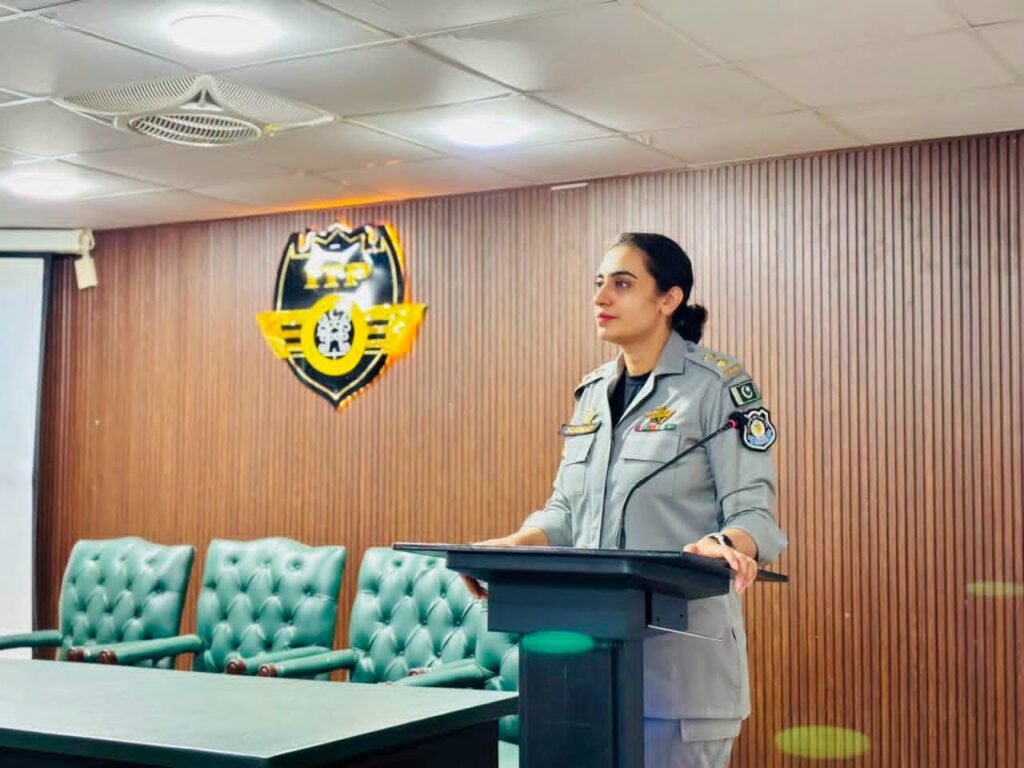
ISLAMABAD — The Government College Women University Sialkot (GCWUS) has introduced a new Bachelor of Science program in Media and Communication Studies. This initiative, announced on Monday, aims to equip female students with the skills necessary for leadership roles in the digital age. What Happened The Government College Women University Sialkot (GCWUS) has launched its first-ever Bachelor of Science degree in Media and Communication Studies. The program is designed to provide women with comprehensive education and training in media, with a focus on developing leadership skills for the digital era. The university’s decision to introduce this degree reflects a growing recognition of the importance of media literacy and communication skills in today’s interconnected world. According to university officials, the curriculum will cover a wide range of topics, including digital media, journalism, public relations, and communication theory. Students will also have opportunities for hands-on learning through internships and projects that engage with real-world media challenges. The program aims to prepare graduates for careers in various sectors, including broadcasting, digital marketing, and corporate communications. Dr. Farhat Saleemi, Vice Chancellor of GCWUS, stated, “This program is a significant step forward in our mission to empower women through education. We believe that by equipping our students with the necessary skills and knowledge, we can help them become leaders in the rapidly evolving media landscape.” Background Government College Women University Sialkot, established in 2012, has been committed to providing quality education to women in Pakistan. Over the years, the university has expanded its academic offerings to include a diverse range of disciplines, from sciences to humanities. The introduction of the Media and Communication Studies program marks a new chapter in the university’s history, aligning with global trends that emphasize the importance of media education. Historically, media studies have been dominated by male students in Pakistan, with limited opportunities for women to pursue careers in this field. However, recent years have seen a shift, with more educational institutions recognizing the need to provide women with access to media education. This change is part of a broader movement to promote gender equality in education and the workforce. Why It Matters The introduction of the BS Media and Communication Studies program at GCWUS is significant for several reasons. Economically, it opens up new career pathways for women, allowing them to participate more fully in the media industry, which is a vital sector in Pakistan’s economy. By fostering a new generation of media professionals, the program could contribute to the diversification and growth of the media landscape in the country. Socially, this initiative represents a step towards gender equality, providing women with the tools they need to challenge stereotypes and advocate for change through media. As more women enter and influence the media industry, they can help shape narratives that reflect diverse perspectives and promote social justice. Politically, empowering women in media can lead to more balanced reporting and representation in news and public discourse. This is crucial in a country like Pakistan, where media plays a significant role in shaping public opinion and policy. By training women to become skilled communicators and journalists, the program supports the development of a more equitable and informed society. Key Takeaways GCWUS has launched its first BS program in Media and Communication Studies. The program aims to empower women with leadership skills for the digital age. It includes a comprehensive curriculum covering various media-related topics. This initiative supports gender equality and diversification in the media industry. The program is expected to have significant economic, social, and political impacts. Source Attribution This article is based on official statements and public communications from the Government College Women University Sialkot. Author: NEN Editorial Desk | Editor: NEN Newsroom | Fact Checked By: NEN Editorial Team Author: NEN Editorial Desk  |  Editor: NEN Newsroom  |  Last Updated: July 01, 2026  |  Source: NEN Reporter This article was produced by the NEN Editorial Desk in accordance with NEN Agency’s Editorial Policy and Fact-Checking Policy.
Pakistan

DPM Dar Finalizes Preparations for OIC Conference on Women’s Empowerment

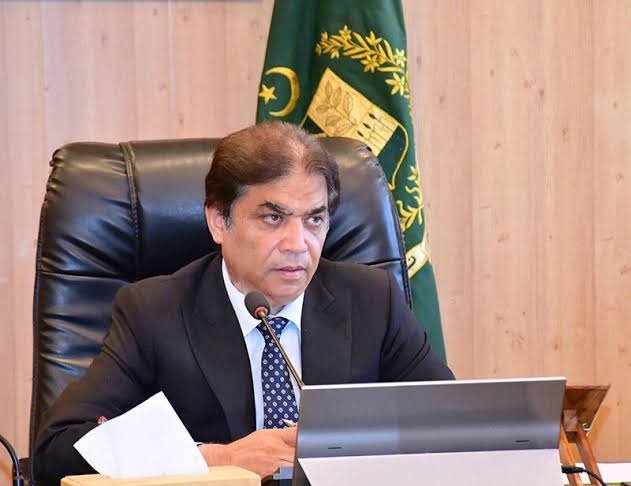
ISLAMABAD — Deputy Prime Minister Ishaq Dar has reviewed the final preparations for the upcoming 9th OIC Ministerial Conference on Women, scheduled to take place in Islamabad from July 12 to 13, 2026. The conference aims to enhance cooperation among the 57 member states of the Organisation of Islamic Cooperation (OIC) in promoting women’s empowerment, inclusion, and sustainable development. What Happened The Deputy Prime Minister, Ishaq Dar, convened a high-level meeting to examine the logistical and strategic arrangements for the OIC Ministerial Conference on Women. The meeting, held at the Prime Minister’s Secretariat, was attended by senior officials from the Ministry of Foreign Affairs, Ministry of Women Development, and other relevant departments. Dar emphasized the importance of the event, highlighting its role in fostering international cooperation on critical issues related to women’s rights and development. During the meeting, detailed discussions were held on various aspects of the conference, including security protocols, accommodation arrangements for international delegates, and the agenda for the sessions. Dar stated, “The conference represents a significant opportunity for member states to collaborate on strategies that promote gender equality and empower women across the Muslim world.” The conference will feature a series of panels and workshops focusing on key themes such as economic empowerment, education, health, and political participation of women. It will also provide a platform for sharing best practices and successful models from different countries, aimed at addressing common challenges faced by women in OIC member states. Background The OIC Ministerial Conference on Women is a biennial event that brings together ministers and high-level representatives from member states to discuss and formulate policies for advancing women’s rights and development. The OIC, established in 1969, is the second-largest intergovernmental organization after the United Nations, comprising 57 member states spread over four continents. Pakistan has been an active participant in OIC initiatives aimed at promoting gender equality and women’s empowerment. The country has hosted several OIC events in the past, reflecting its commitment to addressing gender disparities and enhancing the role of women in society. The upcoming conference is part of a broader effort by the OIC to implement its Action Plan for the Advancement of Women, which was adopted in 2008. Why It Matters The conference is of significant importance for Pakistan and the broader Muslim world. It underscores the commitment of OIC member states to address gender inequality and promote women’s rights, which are crucial for sustainable development and social progress. By hosting the event, Pakistan is positioning itself as a leader in advocating for women’s empowerment within the Islamic world. Economically, empowering women can lead to substantial benefits for member states. According to the World Bank, increasing women’s participation in the workforce can significantly boost economic growth. For Pakistan, where women constitute nearly half of the population, enhancing their economic participation is vital for achieving national development goals. Socially, the conference provides an opportunity to address cultural and societal barriers that hinder women’s full participation in various spheres of life. By sharing experiences and best practices, member states can learn from each other and implement effective strategies to overcome these challenges. Politically, the event reinforces the OIC’s role as a platform for dialogue and cooperation among Muslim countries. It highlights the organization’s commitment to addressing global issues through collective action, thereby enhancing its credibility and influence on the international stage. Key Takeaways The 9th OIC Ministerial Conference on Women will be held in Islamabad on July 12-13, 2026. Deputy Prime Minister Ishaq Dar reviewed final preparations, emphasizing international cooperation on women’s empowerment. The conference will address key themes such as economic empowerment, education, and health for women. Pakistan’s hosting of the event underscores its commitment to gender equality and women’s rights. The conference aims to enhance the OIC’s role in promoting sustainable development and social progress. Source Attribution This article is based on official government statements, press releases, and public communications from relevant authorities. Author: NEN Editorial Desk | Editor: NEN Newsroom | Fact Checked By: NEN Editorial Team Author: NEN Editorial Desk  |  Editor: NEN Newsroom  |  Last Updated: July 01, 2026  |  Source: NEN Reporter This article was produced by the NEN Editorial Desk in accordance with NEN Agency’s Editorial Policy and Fact-Checking Policy.

Pakistan

Pak-Uzbek Partnership Boosts Investment in Karakalpakstan

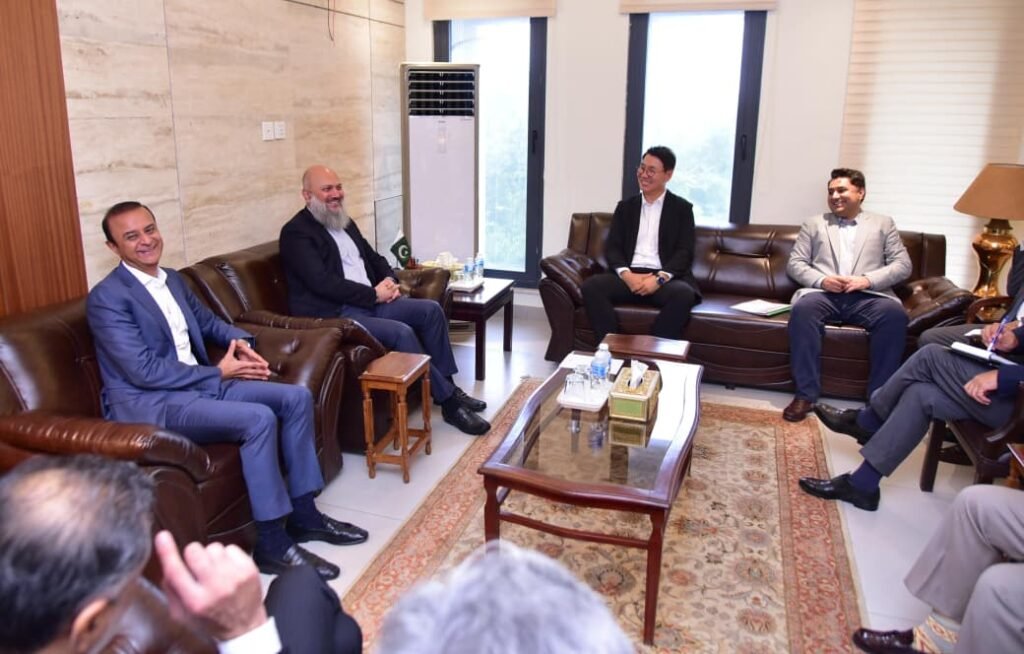
ISLAMABAD — Pakistan and Uzbekistan have solidified their strategic partnership, paving the way for increased investment opportunities in the Republic of Karakalpakstan, according to Farkhod Ermanov, Chairman of the Council of Ministers of Karakalpakstan. This development underscores the growing economic ties between the two nations, driven by mutual trust and shared values. What Happened Farkhod Ermanov announced that the strategic partnership between Pakistan and Uzbekistan is set to enhance economic collaboration, particularly in Karakalpakstan, a region in Uzbekistan known for its vast natural resources and economic potential. Ermanov highlighted the strengthening of bilateral relations, emphasizing the role of leadership in both countries in fostering a conducive environment for investment. “The strategic partnership between our nations is built on mutual trust and shared values, which are crucial for sustainable economic growth,” Ermanov stated. He further noted that the leadership in both countries is committed to leveraging this partnership to explore new avenues for economic cooperation. The announcement comes as both countries aim to capitalize on each other’s strengths. Pakistan’s growing industrial sector and Uzbekistan’s rich natural resources present a complementary economic relationship. The strategic partnership is expected to facilitate joint ventures, particularly in sectors such as energy, agriculture, and manufacturing. Background Pakistan and Uzbekistan have been working towards strengthening their bilateral relations over the past few years. The two countries have signed multiple agreements to enhance cooperation in various fields, including trade, energy, and cultural exchange. The recent focus on Karakalpakstan is part of a broader strategy to tap into the economic potential of the region, which has been relatively underdeveloped compared to other parts of Uzbekistan. The Republic of Karakalpakstan, an autonomous region within Uzbekistan, holds significant economic promise due to its natural resources, including oil, gas, and minerals. Historically, the region has faced challenges such as environmental issues and economic underdevelopment. However, recent efforts by the Uzbek government aim to revitalize the area through foreign investment and strategic partnerships. Why It Matters The strategic partnership between Pakistan and Uzbekistan is significant for several reasons. Economically, it opens up new markets for Pakistani businesses, providing opportunities for exports and joint ventures. For Uzbekistan, particularly Karakalpakstan, the partnership promises much-needed foreign investment, which can spur economic growth and development in the region. Socially, the partnership could lead to increased cultural exchange and understanding between the two nations. As economic ties strengthen, there is potential for greater collaboration in areas such as education and tourism, fostering people-to-people connections. Politically, the partnership enhances Pakistan’s role in Central Asia, a region of strategic importance due to its proximity to major powers and its rich natural resources. By establishing stronger ties with Uzbekistan, Pakistan can position itself as a key player in the region, potentially influencing regional dynamics and contributing to stability. Internationally, the partnership reflects a broader trend of regional cooperation as countries seek to navigate global economic challenges. By working together, Pakistan and Uzbekistan can better address issues such as energy security and trade barriers, contributing to a more integrated and resilient regional economy. Key Takeaways Pakistan and Uzbekistan have strengthened their strategic partnership, focusing on economic collaboration. The partnership aims to boost investment in Karakalpakstan, a region with significant natural resources. This collaboration opens new markets for Pakistani businesses and promises foreign investment for Uzbekistan. Social and cultural exchanges are expected to increase as economic ties deepen. The partnership enhances Pakistan’s strategic role in Central Asia, contributing to regional stability. Source Attribution This article is based on official government statements, press releases, and public communications from relevant authorities. Author: NEN Editorial Desk | Editor: NEN Newsroom | Fact Checked By: NEN Editorial Team Author: NEN Editorial Desk  |  Editor: NEN Newsroom  |  Last Updated: July 01, 2026  |  Source: NEN Reporter This article was produced by the NEN Editorial Desk in accordance with NEN Agency’s Editorial Policy and Fact-Checking Policy.

Pakistan

Revenue Digitisation Eases Burden on Citizens, Says Lahore Commissioner

LAHORE — Divisional Commissioner Marryam Khan announced the formation of a new committee on Tuesday, aimed at accelerating the resolution of Khewat partition cases and enhancing revenue administration across Lahore Division. This initiative is part of the broader effort to digitise revenue processes, which is reportedly providing significant relief to citizens. What Happened Commissioner Marryam Khan has taken a notable step by constituting a committee that includes additional commissioners of Lahore Division and assistant commissioners (Revenue) from all four districts within the division. This committee’s primary objective is to expedite the disposal of Khewat partition cases, a longstanding issue that has often led to delays and complications for citizens seeking resolution of land disputes. “The digitisation of revenue processes is a crucial development that will streamline operations and reduce the burden on our citizens,” Commissioner Khan stated. The move is expected to enhance transparency and efficiency within the revenue department, addressing a common source of frustration for landowners and other stakeholders. The initiative is part of a broader strategy to modernise the revenue administration system, which has historically been plagued by bureaucratic hurdles and inefficiencies. By digitising records and processes, the administration aims to reduce the time and effort required for citizens to access services and resolve disputes. Background The revenue administration in Pakistan has long been criticised for its cumbersome procedures and lack of transparency. Khewat partition cases, which involve the division of land among heirs or stakeholders, have traditionally been a source of significant delays and disputes. The manual handling of these cases often leads to errors and prolonged litigation. In recent years, the government has been working towards digitising various aspects of governance to improve efficiency and service delivery. The digitisation of revenue records is a part of this larger digital transformation agenda, which aims to leverage technology to enhance public sector performance. Previous attempts at reforming the revenue administration have met with limited success due to resistance from entrenched interests and the complexity of the existing system. However, the current initiative under Commissioner Khan’s leadership represents a renewed effort to overcome these challenges. Why It Matters The digitisation of revenue processes is expected to have far-reaching implications for both citizens and the government. For citizens, the primary benefit is the reduction in time and effort required to resolve land-related issues. This is particularly significant in a country where land ownership and inheritance are critical aspects of economic and social stability. For the government, the digitisation initiative is an opportunity to improve transparency and accountability within the revenue department. By reducing opportunities for corruption and enhancing record-keeping, the government can build greater trust with the public and improve its overall governance metrics. Economically, the move could lead to increased investment in the real estate sector, as clearer and more reliable land records reduce the risk associated with property transactions. This, in turn, could contribute to economic growth and development in the region. Internationally, Pakistan’s efforts to digitise its governance processes align with global trends towards e-governance and digital transformation. By adopting these practices, Pakistan can improve its standing in international rankings related to ease of doing business and governance quality. Key Takeaways Divisional Commissioner Marryam Khan has established a committee to expedite Khewat partition cases in Lahore Division. The digitisation of revenue processes is aimed at reducing delays and enhancing transparency. This initiative is part of a broader government effort to modernise public sector operations through technology. Improved revenue administration is expected to benefit citizens by reducing the time and effort required to resolve land disputes. The move could also enhance Pakistan’s international standing in terms of governance and ease of doing business. Source Attribution This article is based on official government statements and public communications from relevant authorities. Author: NEN Editorial Desk | Editor: NEN Newsroom | Fact Checked By: NEN Editorial Team Author: NEN Editorial Desk  |  Editor: NEN Newsroom  |  Last Updated: July 01, 2026  |  Source: NEN Reporter This article was produced by the NEN Editorial Desk in accordance with NEN Agency’s Editorial Policy and Fact-Checking Policy.
Pakistan

Governor Punjab Expresses Grief Over Tragic Death of 14 Children

LAHORE — Governor Punjab Sardar Saleem Haider Khan has expressed profound sorrow over the tragic death of 14 children following the collapse of a roof at a tuition center in Kahna, Lahore. In a heartfelt condolence message issued on Tuesday, the Governor extended his sympathies to the bereaved families, offering prayers for the departed souls and strength to those affected by the tragedy. What Happened The incident occurred when the roof of a private tuition center in the Kahna area of Lahore collapsed, resulting in the death of 14 children. The center, which provided supplementary education to local students, was reportedly operating in a building that had not been properly maintained. The collapse occurred during a class session, leading to the immediate deaths and injuries of several students. Rescue operations were promptly initiated by local authorities, with emergency services rushing to the scene to provide aid and transport the injured to nearby hospitals. Despite their efforts, the death toll rose to 14, with several other children sustaining serious injuries. The incident has sparked a wave of grief and anger among the local community, with many questioning the safety standards of educational facilities in the area. Governor Sardar Saleem Haider Khan, in his condolence message, emphasized the need for stringent safety measures in educational institutions to prevent such tragedies in the future. He called for an immediate investigation into the incident to determine the cause of the collapse and to hold accountable those responsible for any negligence. Background Building safety has been a longstanding issue in Pakistan, with numerous incidents of structural failures leading to casualties over the years. In urban areas like Lahore, rapid construction and inadequate regulatory oversight have often resulted in buildings that do not meet safety standards. The government has previously launched initiatives to improve building safety, but enforcement remains inconsistent. Educational institutions, particularly private tuition centers, have proliferated in recent years, often operating in residential buildings not designed for such purposes. This has raised concerns about the structural integrity of these facilities and their ability to ensure the safety of students. Why It Matters The tragic incident in Kahna underscores the urgent need for regulatory reforms in the construction and maintenance of educational facilities across Pakistan. The loss of young lives in such preventable circumstances highlights the gaps in enforcement of safety standards and the need for a comprehensive review of existing policies. Economically, the incident could lead to increased scrutiny and potential regulatory changes that may affect the operation of private tuition centers. This could result in higher operational costs for compliance, which might be passed on to parents in the form of increased fees. Socially, the tragedy has sparked a debate on the responsibility of educational institutions to ensure the safety and well-being of their students. Politically, the incident places pressure on local and provincial governments to take immediate action to prevent future occurrences. It also raises questions about the effectiveness of current oversight mechanisms and the need for more robust inspection and certification processes for educational facilities. Key Takeaways The roof collapse at a tuition center in Kahna, Lahore, resulted in the death of 14 children. Governor Punjab has called for an investigation into the incident to determine the cause and accountability. The tragedy highlights the need for improved safety standards and regulatory oversight in educational facilities. There is potential for increased regulatory scrutiny and reforms affecting private tuition centers. The incident has sparked public debate on the responsibility of educational institutions in ensuring student safety. Source Attribution This article is based on official government statements, press releases, and public communications from relevant authorities. Author: NEN Editorial Desk | Editor: NEN Newsroom | Fact Checked By: NEN Editorial Team Author: NEN Editorial Desk  |  Editor: NEN Newsroom  |  Last Updated: July 01, 2026  |  Source: Press Release from Government of Pakistan This article was produced by the NEN Editorial Desk in accordance with NEN Agency’s Editorial Policy and Fact-Checking Policy.

Pakistan

PSX Surges as KSE-100 Index Gains Over 1,886 Points

ISLAMABAD — The Pakistan Stock Exchange (PSX) witnessed a significant upswing on Tuesday as the benchmark KSE-100 Index surged by 1,886.91 points, marking a 1.06 percent increase. The index closed at 180,301.70 points, up from 178,414.80 points on the previous trading day, reflecting renewed investor confidence. What Happened The PSX experienced a bullish trend on Tuesday, driven by a combination of positive market sentiments and strategic buying by investors. The KSE-100 Index, a key indicator of market performance, recorded a substantial gain of 1,886.91 points. This rise brought the index to a close of 180,301.70 points, compared to its last close at 178,414.80 points. Market analysts attributed this surge to several factors, including optimism surrounding the economic policies of the government and a favorable outlook on corporate earnings. “Investors are showing renewed interest in the market, which is evident from today’s performance,” remarked a senior stock analyst. The increase in points is seen as a positive sign for the market, which has been experiencing fluctuations in recent months. Additionally, the performance was bolstered by gains in key sectors such as banking, cement, and technology. These sectors have been pivotal in driving the index upwards, with significant contributions from major companies listed on the exchange. The bullish trend reflects a broader recovery in investor sentiment, which had been dampened by economic uncertainties earlier in the year. Background The Pakistan Stock Exchange has been navigating a challenging economic environment, characterized by inflationary pressures, currency depreciation, and geopolitical tensions. These factors have contributed to volatility in the stock market, impacting investor confidence and market performance. Historically, the PSX has been sensitive to political and economic developments, with the KSE-100 Index often reflecting the broader economic climate. In recent years, the market has seen fluctuations in response to changes in government policies, international trade dynamics, and global economic trends. The recent surge in the index comes after a period of relative stagnation, where concerns over inflation and fiscal policies had tempered investor enthusiasm. However, recent government initiatives aimed at stabilizing the economy and promoting growth have begun to restore confidence among market participants. Why It Matters The significant gain in the KSE-100 Index is indicative of a potential turnaround in the market’s trajectory, which could have far-reaching implications for the economy. A bullish stock market often signals investor confidence in the economic outlook, which can lead to increased investment and economic activity. For the average citizen, a thriving stock market can translate into job creation and economic opportunities, as businesses expand and seek new investments. Additionally, the performance of the stock market is closely watched by international investors, who may view a rising index as a sign of economic stability and growth potential. The positive movement in the PSX also has implications for the government’s economic agenda. A robust stock market can support the government’s efforts to attract foreign investment and boost economic growth. Moreover, it can help in addressing fiscal challenges by improving the financial health of listed companies, thereby contributing to tax revenues. Internationally, a strong performance by the PSX can enhance Pakistan’s economic standing, potentially leading to improved credit ratings and better terms for international borrowing. This can be crucial for a country seeking to manage its debt obligations and finance development projects. Key Takeaways The KSE-100 Index of the Pakistan Stock Exchange gained 1,886.91 points, closing at 180,301.70 points. Investor confidence is bolstered by positive economic policies and corporate earnings outlook. Key sectors such as banking, cement, and technology contributed significantly to the index’s rise. The surge indicates potential economic stability and growth, with implications for domestic and international investment. A strong stock market performance can support government efforts to attract foreign investment and boost economic activity. Source Attribution This article is based on official government statements, press releases, and public communications from relevant authorities. Author: NEN Editorial Desk | Editor: NEN Newsroom | Fact Checked By: NEN Editorial Team Author: NEN Editorial Desk  |  Editor: NEN Newsroom  |  Last Updated: June 30, 2026  |  Source: NEN Reporter This article was produced by the NEN Editorial Desk in accordance with NEN Agency’s Editorial Policy and Fact-Checking Policy.

Pakistan

14 Children Die in Lahore Tuition Centre Roof Collapse; Two Arrested

LAHORE — A tragic incident unfolded in Lahore’s Kahna area on Tuesday as the roof of a private tuition centre collapsed, resulting in the deaths of 14 children and injuries to several others. The catastrophic event has led to the arrest of two individuals, including the building’s owner, as authorities launch an investigation into the cause of the collapse. What Happened The collapse occurred during regular tuition hours at the centre, which was bustling with young students. Witnesses reported hearing a loud crash, followed by chaos as the roof gave way, trapping students under the debris. Rescue teams were dispatched promptly, working tirelessly to extract the children from the rubble. Despite their efforts, 14 children were pronounced dead at the scene, while others were rushed to nearby hospitals with varying degrees of injuries. Local law enforcement quickly detained the owner of the building and another individual for questioning. The authorities are investigating potential negligence in the construction and maintenance of the building, which may have contributed to the collapse. “This is a heart-wrenching tragedy, and we are committed to uncovering the reasons behind this disaster,” said a senior police official involved in the investigation. In response to the incident, emergency services implemented traffic management measures to facilitate the swift movement of ambulances and rescue vehicles. The local community has been left in shock, with many parents and relatives gathering at the scene and hospitals, seeking information about their loved ones. Background Building safety has been a recurring concern in Pakistan, where rapid urbanization often outpaces regulatory oversight. In Lahore, a city with a burgeoning population and expanding infrastructure, the maintenance of older buildings and the construction standards of new ones are frequently scrutinized. Previous incidents of structural failures have highlighted the need for stricter enforcement of building codes and regular inspections to ensure public safety. The tuition centre in question was housed in a building that reportedly lacked proper maintenance and inspection. This incident echoes past tragedies where inadequate construction practices and oversight have led to loss of life, prompting calls for reform in building safety regulations. Why It Matters This tragedy underscores the urgent need for comprehensive building safety reforms in Pakistan. The loss of young lives in such a preventable incident highlights systemic issues in regulatory enforcement and infrastructure management. The incident is likely to increase public pressure on authorities to enhance building safety standards and ensure rigorous compliance with existing regulations. Economically, the event may prompt increased scrutiny of private educational institutions, which often operate in rented or inadequately maintained facilities. This could lead to heightened regulatory measures, impacting the operational costs and safety protocols of such institutions, ultimately affecting their accessibility and affordability for families. Socially, the incident has sparked grief and outrage, with communities demanding accountability and justice for the victims. The tragedy may serve as a catalyst for civic activism, urging citizens to demand better safety standards and accountability from both private and public sectors. Internationally, such incidents can affect Pakistan’s image, highlighting challenges in urban planning and infrastructure safety. This could influence foreign investment decisions, particularly in sectors related to construction and urban development. Key Takeaways Fourteen children died in a tuition centre roof collapse in Lahore’s Kahna area. Two individuals, including the building owner, have been detained for investigation. The incident highlights systemic issues in building safety and regulatory enforcement. Public pressure is likely to mount for reforms in building safety standards. The tragedy may impact the operational dynamics of private educational institutions. Source Attribution This article is based on official government statements, press releases, and public communications from relevant authorities. Author: NEN Editorial Desk | Editor: NEN Newsroom | Fact Checked By: NEN Editorial Team Author: NEN Editorial Desk  |  Editor: NEN Newsroom  |  Last Updated: June 30, 2026  |  Source: NEN Reporter This article was produced by the NEN Editorial Desk in accordance with NEN Agency’s Editorial Policy and Fact-Checking Policy.

Pakistan

Interior Minister Mohsin Naqvi Commences Official Visit to Riyadh

RIYADH — Minister for Interior and Narcotics Control Mohsin Naqvi arrived in Riyadh on an official visit to Saudi Arabia, where he was warmly received by his Saudi counterpart. This visit underscores the ongoing efforts to strengthen the bilateral relationship between Pakistan and Saudi Arabia. What Happened Interior Minister Mohsin Naqvi landed in Riyadh on Monday for a scheduled official visit aimed at enhancing cooperation between Pakistan and Saudi Arabia. Upon his arrival, he was received by the Saudi Minister of Interior, marking the beginning of a series of high-level meetings. The discussions are expected to cover a range of topics including security cooperation, counter-narcotics strategies, and regional stability. Naqvi’s visit comes at a time when both nations are looking to deepen their strategic partnership. According to official sources, the agenda includes dialogues on mutual security concerns, with a particular focus on combating terrorism and drug trafficking. The Pakistani delegation is also expected to explore avenues for collaboration in the fields of law enforcement and intelligence sharing. During his stay, Naqvi is scheduled to meet with other senior Saudi officials to discuss regional security issues and to reinforce the commitment of both countries to maintaining peace and stability in the region. The visit is part of a broader initiative to foster closer ties with key allies in the Middle East. Background Pakistan and Saudi Arabia have a long history of diplomatic and economic relations, characterized by mutual support and cooperation. Over the years, both countries have engaged in numerous bilateral agreements, especially in the areas of defense, trade, and cultural exchange. Saudi Arabia is home to a significant Pakistani expatriate community, which plays a vital role in the Kingdom’s economy and contributes to Pakistan’s foreign remittances. Historically, Saudi Arabia has been a crucial ally for Pakistan, providing economic aid and support in times of need. The relationship has been further solidified through various high-level visits and strategic dialogues. In recent years, both nations have focused on enhancing their collaboration in security and counter-terrorism efforts, given the shared challenges in the region. Why It Matters The visit by Interior Minister Mohsin Naqvi is significant as it reinforces the strategic partnership between Pakistan and Saudi Arabia at a time when regional dynamics are rapidly changing. Strengthening ties with Saudi Arabia is crucial for Pakistan, not only for economic reasons but also for geopolitical stability. Saudi Arabia’s influence in the Middle East and its role as a leader in the Islamic world make it a pivotal ally for Pakistan. Economically, Saudi Arabia remains one of Pakistan’s largest trading partners and a key source of foreign remittances. The Pakistani workforce in Saudi Arabia contributes significantly to the national economy, and any developments in bilateral relations can have direct implications for these expatriates. Politically, the cooperation between the two countries in security and counter-terrorism efforts is vital for maintaining regional peace. The discussions on counter-narcotics and terrorism are particularly important as both countries face similar challenges in these areas. Enhanced cooperation could lead to more effective strategies in combating these issues, benefiting both nations. Key Takeaways Interior Minister Mohsin Naqvi is on an official visit to Riyadh to strengthen Pakistan-Saudi Arabia relations. The visit focuses on security cooperation, counter-narcotics strategies, and regional stability. Pakistan and Saudi Arabia have a long-standing diplomatic and economic relationship. The visit is significant for both economic and geopolitical reasons, given Saudi Arabia’s influence in the region. Discussions are expected to enhance cooperation in law enforcement and intelligence sharing. Source Attribution This article is based on official government statements, press releases, and public communications from relevant authorities. Author: NEN Editorial Desk | Editor: NEN Newsroom | Fact Checked By: NEN Editorial Team Author: NEN Editorial Desk  |  Editor: NEN Newsroom  |  Last Updated: June 30, 2026  |  Source: Press Release from Government of Pakistan This article was produced by the NEN Editorial Desk in accordance with NEN Agency’s Editorial Policy and Fact-Checking Policy.

Scroll to Top