
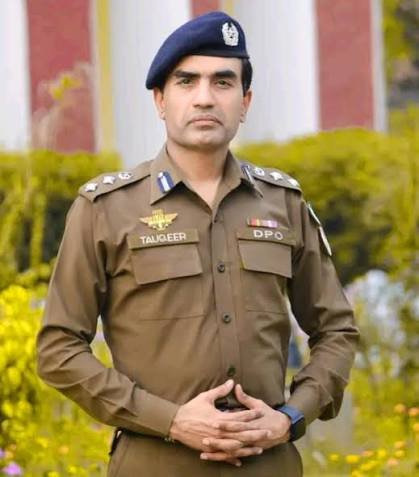
SARGODHA — District Police Officer (DPO) Sargodha Tauqeer Muhammad Naeem conducted an open court session on Tuesday at the DPO Complaint Cell to directly address and resolve the grievances of local citizens. This initiative is part of the police department’s ongoing efforts to improve public trust and transparency.
What Happened
The open court, held at the DPO Complaint Cell, saw DPO Tauqeer Muhammad Naeem engaging with numerous citizens who presented a variety of complaints. According to a police spokesperson, the DPO listened attentively to each issue and provided on-the-spot directions to ensure that immediate action was taken. The session aimed to provide a platform for citizens to voice their concerns directly to the police leadership without bureaucratic delays.
During the session, citizens raised issues ranging from local law enforcement inefficiencies to specific cases requiring police intervention. The DPO’s approach was hands-on, as he personally addressed each complaint, demonstrating a commitment to accountability and responsiveness. This session is part of a broader strategy to enhance community policing and ensure that the police force remains accessible and responsive to the needs of the public.
Directives were issued to relevant police officers to follow up on the complaints and report back on the actions taken. The DPO emphasized the importance of timely and effective resolution of issues to maintain public confidence in the police force.
Background
Open courts have been a part of Pakistan’s policing strategy for several years, designed to bridge the gap between the police and the public. These sessions enable citizens to express their concerns directly to senior police officials, thereby reducing the layers of bureaucracy that often hinder effective communication. Historically, such initiatives have been well-received, as they provide a transparent mechanism for accountability and foster a sense of community involvement in policing.
The concept of open courts is rooted in the broader framework of community policing, which aims to build trust and cooperation between law enforcement agencies and the communities they serve. This approach has been instrumental in addressing local issues more effectively and ensuring that the police are seen as allies rather than adversaries.
Why It Matters
The open court session in Sargodha is significant for several reasons. Firstly, it underscores the police department’s commitment to transparency and accountability, which are crucial for building public trust. In a country where citizens often feel disconnected from law enforcement agencies, such initiatives can play a pivotal role in fostering a more collaborative relationship.
Economically, effective policing can contribute to a more stable environment, encouraging investment and economic activity. When citizens feel safe and believe that their grievances are being addressed, it creates a positive atmosphere for business and community development.
Socially, the initiative helps in reducing the sense of alienation and frustration that citizens often feel when their complaints go unheard. By providing a direct line of communication with senior police officials, the open court sessions empower citizens and encourage them to participate actively in maintaining law and order.
Politically, this move can be seen as an effort to strengthen the legitimacy of the police force and reinforce the government’s commitment to reforms in the law enforcement sector. It reflects a broader trend towards more participatory governance models that prioritize citizen engagement and feedback.
Key Takeaways
- DPO Sargodha held an open court to address citizens’ complaints directly.
- The session is part of efforts to improve police transparency and accountability.
- Open courts facilitate direct communication between citizens and police leadership.
- This initiative supports community policing and trust-building efforts.
- Effective resolution of complaints can enhance public confidence in law enforcement.
Source Attribution
This article is based on official statements from the District Police Office Sargodha and public communications from relevant authorities.














