
Pakistan

News related to Pakistan in Pakistan and around the world.

Pakistan

Gold Prices Fall by Rs 4,100 Per Tola in Pakistan

ISLAMABAD — The price of gold in Pakistan saw a significant decrease on Tuesday, with 24-karat gold per tola dropping by Rs 4,100 to reach Rs 424,836. This adjustment in the local market was reported by the All Pakistan Sarafa Gems and Jewellers Association, reflecting fluctuations in the international gold market. What Happened The All Pakistan Sarafa Gems and Jewellers Association announced a notable decrease in the price of 24-karat gold per tola, which fell by Rs 4,100, settling at Rs 424,836. This decline comes amid ongoing volatility in global gold prices, which have been influenced by various economic factors, including currency fluctuations and changes in international market demand. According to the association, the price of 10 grams of 24-karat gold also saw a decrease, dropping by Rs 3,515 to Rs 364,193. The decline in gold prices is attributed to a combination of local market conditions and international trends. The association noted that the international gold market has been experiencing fluctuations due to economic uncertainties and changes in interest rates by major economies. In addition to gold, the price of silver also saw a reduction. The price of 24-karat silver per tola decreased by Rs 30, settling at Rs 2,600, while 10 grams of silver fell by Rs 25.72 to Rs 2,229.08. These changes reflect a broader trend of declining precious metal prices in the local market. Background Gold prices in Pakistan are heavily influenced by international market trends, as well as local economic conditions. Historically, gold has been considered a safe-haven asset, particularly during times of economic uncertainty. However, recent global economic developments, including changes in monetary policies by major economies like the United States, have led to fluctuations in gold prices. The Pakistani rupee’s exchange rate against the US dollar also plays a crucial role in determining local gold prices. As the rupee fluctuates, it impacts the cost of importing gold, which in turn affects local market prices. The All Pakistan Sarafa Gems and Jewellers Association regularly updates gold prices based on these international and local factors. Why It Matters The decline in gold prices holds significant implications for various stakeholders in Pakistan. For consumers, particularly those planning weddings or other events that traditionally involve gold purchases, the decrease in prices may offer a temporary relief. Lower gold prices can make jewelry more affordable, potentially boosting consumer spending in the short term. For investors, the drop in gold prices may signal an opportunity to purchase the metal at a lower cost. However, it also reflects broader economic uncertainties that could affect investment strategies. Investors often turn to gold as a hedge against inflation and currency devaluation, so fluctuations in gold prices can influence their portfolio decisions. Economically, the decrease in gold prices could impact the local jewelry industry, which relies on stable prices to maintain profitability. Jewelers may experience changes in demand based on price fluctuations, affecting their revenue and operations. Additionally, the precious metals market is a critical component of Pakistan’s broader economic landscape, influencing trade balances and foreign exchange reserves. Key Takeaways Gold prices in Pakistan decreased by Rs 4,100 per tola, settling at Rs 424,836. The decline is influenced by international market trends and local economic conditions. Silver prices also fell, with a decrease of Rs 30 per tola, reaching Rs 2,600. Fluctuations in gold prices impact consumers, investors, and the local jewelry industry. Economic uncertainties and currency fluctuations are key factors affecting gold prices. Source Attribution This article is based on official statements, press releases, and public communications from relevant authorities. Author: NEN Editorial Desk | Editor: NEN Newsroom | Fact Checked By: NEN Editorial Team Author: NEN Editorial Desk  |  Editor: NEN Newsroom  |  Last Updated: June 30, 2026  |  Source: NEN Reporter This article was produced by the NEN Editorial Desk in accordance with NEN Agency’s Editorial Policy and Fact-Checking Policy.

Pakistan

FPCCI and SMEDA Celebrate World MSME Day 2026 in Karachi

KARACHI — The Federation of Pakistan Chambers of Commerce and Industry (FPCCI) and the Small and Medium Enterprises Development Authority (SMEDA) jointly celebrated World Micro, Small and Medium Enterprises (MSME) Day 2026 with a stakeholder engagement session held on Tuesday at Federation House, Karachi. The event aimed to highlight the critical role of MSMEs in Pakistan’s economy and explore strategies for their growth and development. What Happened The session brought together key stakeholders from various sectors, including government officials, industry leaders, and representatives from MSMEs across the country. The focus was on discussing the challenges faced by MSMEs and identifying opportunities for enhancing their contribution to the national economy. FPCCI President Irfan Iqbal Sheikh emphasized the importance of MSMEs, stating, “MSMEs are the backbone of our economy, contributing significantly to GDP and employment.” SMEDA Chief Executive Officer Hashim Raza highlighted the need for policy reforms to support MSMEs, including improved access to finance, technology, and markets. “We must create an enabling environment for MSMEs to thrive, which requires collaboration between the public and private sectors,” Raza noted. The session also featured panel discussions on topics such as digital transformation, innovation, and sustainable business practices. Participants shared insights and experiences, underscoring the resilience of MSMEs in adapting to changing market dynamics. The event concluded with a commitment from all parties to work towards creating a more supportive ecosystem for MSMEs in Pakistan. Background World MSME Day is observed globally on June 27 to recognize the vital role of micro, small, and medium enterprises in achieving sustainable development goals. In Pakistan, MSMEs account for approximately 98% of all enterprises, employing around 80% of the non-agricultural labor force. Despite their significant contribution, MSMEs face numerous challenges, including limited access to finance, inadequate infrastructure, and regulatory hurdles. The government of Pakistan has implemented various initiatives to support MSMEs, such as the Prime Minister’s Kamyab Jawan Program and the establishment of special economic zones. However, experts argue that more targeted efforts are needed to address the unique needs of MSMEs and enhance their competitiveness in the global market. Why It Matters The celebration of World MSME Day 2026 in Pakistan highlights the ongoing efforts to strengthen the MSME sector, which is crucial for economic growth and job creation. With the global economy facing uncertainties, bolstering the resilience of MSMEs is essential for sustaining economic stability. Enhancing the capacity of MSMEs can lead to increased productivity, innovation, and exports, contributing to Pakistan’s economic diversification. Moreover, supporting MSMEs aligns with Pakistan’s commitment to achieving the United Nations Sustainable Development Goals (SDGs), particularly those related to decent work and economic growth, industry innovation, and reduced inequalities. By fostering an environment conducive to MSME growth, Pakistan can address socio-economic challenges, such as poverty alleviation and income inequality. Internationally, strengthening the MSME sector can improve Pakistan’s trade relations and competitiveness. As global supply chains evolve, MSMEs that adopt digital technologies and sustainable practices are better positioned to integrate into international markets, attracting foreign investment and boosting exports. Key Takeaways FPCCI and SMEDA hosted a stakeholder engagement session in Karachi to mark World MSME Day 2026. The event focused on addressing challenges and opportunities for MSMEs in Pakistan. MSMEs in Pakistan constitute 98% of enterprises and employ 80% of the non-agricultural workforce. Enhancing MSME resilience is crucial for economic stability and achieving sustainable development goals. Strengthening MSMEs can improve Pakistan’s international trade relations and competitiveness. Source Attribution This article is based on official statements and public communications from the Federation of Pakistan Chambers of Commerce and Industry and the Small and Medium Enterprises Development Authority. Author: NEN Editorial Desk | Editor: NEN Newsroom | Fact Checked By: NEN Editorial Team Author: NEN Editorial Desk  |  Editor: NEN Newsroom  |  Last Updated: June 30, 2026  |  Source: NEN Reporter This article was produced by the NEN Editorial Desk in accordance with NEN Agency’s Editorial Policy and Fact-Checking Policy.

Pakistan

Artist Transforms Underpass with Mural on Srinagar Highway in Islamabad

ISLAMABAD — An artist has brought a splash of color to the federal capital by painting a mural on the walls of an underpass along Srinagar Highway. This initiative is part of a broader urban beautification project aimed at enhancing the aesthetic appeal of Islamabad. What Happened The mural, which features vibrant colors and intricate designs, was completed on June 30. It is part of an effort to transform public spaces in Islamabad into areas of cultural and artistic expression. The artist, whose identity has not been disclosed, worked meticulously over several days to complete the artwork. The mural is intended to offer commuters a visual treat as they pass through the underpass, which is a key route for daily travelers in the city. According to local authorities, this project is one of several initiatives aimed at beautifying the city. The Islamabad Metropolitan Corporation (IMC) has been actively involved in similar projects, encouraging artists to contribute to the city’s visual landscape. An official from the IMC stated, “We believe that art can play a significant role in improving the urban environment and enhancing the quality of life for our residents.” The mural is expected to attract both locals and tourists, adding a new dimension to the city’s cultural offerings. The initiative is also seen as a way to support local artists by providing them with platforms to showcase their work. Background Urban beautification projects have been a focus for many cities worldwide, including Islamabad. In recent years, the city has seen a number of initiatives aimed at improving public spaces through art and infrastructure development. These projects are often part of larger urban planning strategies that seek to enhance the livability and attractiveness of urban areas. Historically, Islamabad has been known for its well-planned layout and green spaces. However, as the city has grown, there has been an increasing need to maintain and enhance its infrastructure and public amenities. The current beautification efforts are part of a broader strategy to ensure that Islamabad remains a leading example of a modern, sustainable city in Pakistan. Why It Matters The mural on the Srinagar Highway underpass is more than just an artistic endeavor; it represents a shift towards integrating art into urban development. This approach not only beautifies the city but also fosters a sense of community and cultural identity. By transforming mundane structures into canvases for art, the city is promoting creativity and innovation among its residents. Economically, such projects can boost tourism by making the city more attractive to visitors. Tourists are often drawn to cities with unique cultural and artistic offerings, and murals can become iconic landmarks over time. Additionally, supporting local artists through these initiatives can have a positive impact on the creative industry, providing opportunities for artists to gain recognition and financial support. Socially, the presence of public art can enhance community pride and ownership. It encourages residents to engage with their environment in new ways, fostering a sense of belonging and shared responsibility for the city’s upkeep. Moreover, art in public spaces can serve as a platform for dialogue and exchange, reflecting the diverse voices and stories within the community. Key Takeaways An artist has completed a mural on the walls of an underpass along Srinagar Highway in Islamabad. The mural is part of an urban beautification initiative by the Islamabad Metropolitan Corporation. Urban beautification projects aim to enhance the aesthetic appeal and livability of the city. Such initiatives support local artists and can boost tourism and community engagement. The project reflects a broader trend of integrating art into urban development strategies. Source Attribution This article is based on official government statements, press releases, and public communications from relevant authorities. Author: NEN Editorial Desk | Editor: NEN Newsroom | Fact Checked By: NEN Editorial Team Author: NEN Editorial Desk  |  Editor: NEN Newsroom  |  Last Updated: June 30, 2026  |  Source: NEN Reporter This article was produced by the NEN Editorial Desk in accordance with NEN Agency’s Editorial Policy and Fact-Checking Policy.

Pakistan

Balochistan High Court Chief Justice Addresses Legal Fraternity in Quetta

QUETTA — Chief Justice of the Balochistan High Court, Justice Muhammad Kamran Khan Mulakhail, addressed members of the legal fraternity at a tea reception held in honor of the judges of the Federal Constitutional Court in Quetta. The event, which took place on [insert date], was attended by prominent figures from the legal community and aimed to foster dialogue and cooperation among judicial institutions. What Happened The tea reception in Quetta served as a platform for Chief Justice Muhammad Kamran Khan Mulakhail to engage with members of the legal fraternity and discuss the challenges and opportunities facing the judiciary in Balochistan. During his address, Justice Mulakhail emphasized the importance of upholding the rule of law and ensuring justice for all citizens. He highlighted the need for continued collaboration between different levels of the judiciary to enhance the effectiveness and efficiency of the legal system. Justice Mulakhail also acknowledged the efforts of the Federal Constitutional Court judges in maintaining constitutional integrity and providing guidance on complex legal matters. He expressed his appreciation for their dedication and commitment to justice, which he noted was crucial for the stability and development of the legal framework in Pakistan. The event was attended by judges, lawyers, and other legal professionals who engaged in discussions about recent developments in the legal sector, including reforms aimed at improving access to justice and reducing case backlogs. The gathering provided an opportunity for the exchange of ideas and best practices among legal practitioners, with a focus on strengthening the judiciary’s role in upholding democratic principles. Background The Balochistan High Court, established in 1976, plays a critical role in the administration of justice in the province. Over the years, it has been instrumental in interpreting constitutional provisions and adjudicating on matters of public interest. The court’s decisions have often set important legal precedents that influence the broader judicial landscape in Pakistan. In recent years, the judiciary in Balochistan has faced numerous challenges, including resource constraints, security concerns, and a high volume of pending cases. Efforts to address these issues have included judicial reforms, increased investment in legal infrastructure, and initiatives to enhance the capacity of judges and court staff. Why It Matters The address by Chief Justice Mulakhail is significant as it underscores the ongoing efforts to strengthen judicial institutions in Balochistan. The judiciary’s role in upholding the rule of law is vital for maintaining public confidence in the legal system and ensuring that justice is accessible to all citizens. By fostering dialogue among legal professionals, the event contributes to a more cohesive and effective judiciary that can better serve the needs of the public. Furthermore, the collaboration between the Balochistan High Court and the Federal Constitutional Court highlights the interconnectedness of judicial bodies in Pakistan. Such interactions are essential for harmonizing legal interpretations and ensuring consistency in the application of laws across different jurisdictions. The event also reflects broader efforts to promote legal reforms and enhance the capacity of the judiciary to address contemporary challenges. As Pakistan continues to navigate complex socio-political dynamics, a robust and independent judiciary is crucial for safeguarding democratic values and protecting citizens’ rights. Key Takeaways Chief Justice Mulakhail emphasized the importance of the rule of law and justice for all. The event facilitated dialogue and cooperation among judicial institutions in Balochistan. Challenges facing the judiciary include resource constraints and case backlogs. Collaboration with the Federal Constitutional Court is crucial for legal consistency. The judiciary’s role is vital for maintaining public confidence and democratic values. Source Attribution This article is based on official government statements, press releases, and public communications from relevant authorities. Author: NEN Editorial Desk | Editor: NEN Newsroom | Fact Checked By: NEN Editorial Team Author: NEN Editorial Desk  |  Editor: NEN Newsroom  |  Last Updated: June 30, 2026  |  Source: Press Release from Government of Pakistan This article was produced by the NEN Editorial Desk in accordance with NEN Agency’s Editorial Policy and Fact-Checking Policy.
Pakistan

SECP Reforms Boost Third-Party Motor Insurance by 1,374% in Sindh

ISLAMABAD — The Securities and Exchange Commission of Pakistan (SECP) has reported a remarkable 1,374% increase in third-party motor insurance coverage in Sindh, following recent regulatory reforms. The number of active policies surged from 11,200 in March 2026 to 165,064 by the end of June, significantly enhancing financial protection for road users across the province. What Happened The SECP’s reforms aimed at enforcing third-party motor insurance have led to a substantial rise in coverage within Sindh. As of March 2026, there were only 11,200 active policies, but by June, this number had escalated to 165,064. This increase reflects the SECP’s successful implementation of measures to ensure compliance with mandatory insurance requirements. According to the SECP, the reforms included stricter enforcement of existing laws and the introduction of new regulatory measures designed to make third-party motor insurance more accessible and affordable for vehicle owners. The commission emphasized the importance of third-party insurance in providing financial protection to road users, particularly in the event of accidents causing injury or damage to third parties. The SECP’s initiative has been well-received by stakeholders, who acknowledge the critical role of insurance in mitigating financial risks associated with road accidents. “The increase in third-party motor insurance coverage is a positive step towards ensuring road safety and financial security for all road users,” stated an SECP official. Background Third-party motor insurance is a mandatory requirement under Pakistani law, aimed at providing financial protection to third parties affected by road accidents. Despite this legal obligation, compliance has historically been low, particularly in regions like Sindh, where enforcement mechanisms have been weak. The SECP has been actively working to address these challenges by implementing reforms that strengthen enforcement and encourage compliance. These efforts are part of a broader strategy to enhance the insurance sector’s role in the economy and improve financial inclusion. Historically, the lack of awareness and accessibility has hindered the uptake of third-party motor insurance. The SECP’s recent reforms are designed to overcome these barriers by simplifying the insurance process and making it more consumer-friendly. Why It Matters The dramatic increase in third-party motor insurance coverage in Sindh has significant implications for road safety and financial security. With more vehicle owners complying with insurance requirements, victims of road accidents are more likely to receive compensation for injuries and damages, reducing the financial burden on individuals and families. Economically, the surge in insurance coverage contributes to the stability of the insurance sector, encouraging further investment and growth. This, in turn, can lead to more competitive pricing and better services for consumers. The increased coverage also aligns with Pakistan’s broader financial inclusion goals, as it brings more individuals into the formal financial system. Politically, the SECP’s success in implementing these reforms demonstrates the government’s commitment to improving regulatory frameworks and ensuring compliance with legal mandates. This can enhance public trust in regulatory institutions and encourage further reforms in other sectors. Internationally, the improved compliance with insurance requirements positions Pakistan as a more attractive destination for foreign investment, particularly in the financial services sector. It signals a commitment to upholding international standards and practices, which can bolster the country’s economic standing. Key Takeaways The SECP’s reforms have led to a 1,374% increase in third-party motor insurance coverage in Sindh. Active policies rose from 11,200 in March 2026 to 165,064 by June. The reforms include stricter enforcement and improved accessibility of insurance. This increase enhances financial protection for road users and supports economic stability. The success of these reforms reflects positively on Pakistan’s regulatory environment. Source Attribution This article is based on official government statements, press releases, and public communications from relevant authorities. Author: NEN Editorial Desk | Editor: NEN Newsroom | Fact Checked By: NEN Editorial Team Author: NEN Editorial Desk  |  Editor: NEN Newsroom  |  Last Updated: June 30, 2026  |  Source: NEN Reporter This article was produced by the NEN Editorial Desk in accordance with NEN Agency’s Editorial Policy and Fact-Checking Policy.
Pakistan

PBM and TIKA Collaborate to Launch Centralized Kitchen in Pakistan

ISLAMABAD — Pakistan Bait-ul-Mal (PBM), in partnership with the Turkish Cooperation and Coordination Agency (TIKA), has inaugurated a Centralized Kitchen aimed at providing meals to those in need across Pakistan. The initiative, announced on Monday, seeks to address food insecurity and support vulnerable populations through a sustainable and efficient food distribution system. What Happened The launch of the Centralized Kitchen was marked by a ceremony attended by key officials from both PBM and TIKA. The kitchen, located in Islamabad, is equipped to prepare and distribute thousands of meals daily, targeting impoverished communities and individuals affected by economic hardships. This collaboration underscores the long-standing relationship between Pakistan and Turkiye, with both nations committed to humanitarian aid and social welfare. PBM Managing Director Amir Fida Paracha highlighted the importance of this initiative, stating, “This project will significantly enhance our capacity to serve those in need, ensuring that no one goes hungry.” TIKA’s Country Coordinator, Gökhan Umut, emphasized the agency’s dedication to supporting Pakistan’s social welfare efforts, noting, “Our partnership with PBM is a testament to the strong ties between our countries and our shared commitment to humanitarian causes.” The Centralized Kitchen is designed to be a model of efficiency and sustainability, utilizing modern technology to maximize output while minimizing waste. It will operate with a team of trained staff and volunteers, ensuring that meals are prepared hygienically and distributed promptly to various regions, including remote and underserved areas. Background Pakistan Bait-ul-Mal, a government-run social welfare organization, has been instrumental in providing assistance to the underprivileged since its inception. It operates under the Ministry of Poverty Alleviation and Social Safety and focuses on various programs, including financial assistance, education support, and healthcare services. TIKA, on the other hand, is a prominent Turkish agency known for its international development and cooperation projects, particularly in the fields of education, health, and infrastructure. The collaboration between PBM and TIKA is not new; both organizations have previously partnered on several projects aimed at improving the living standards of marginalized communities in Pakistan. This latest venture builds on their shared history of cooperation and aims to create a lasting impact on food security in the region. Why It Matters The establishment of the Centralized Kitchen is a significant step in addressing food insecurity in Pakistan, a country where millions face hunger and malnutrition daily. According to the Global Hunger Index, Pakistan ranks 92nd out of 116 countries, highlighting the urgent need for effective interventions to combat hunger and improve nutrition. This initiative is particularly crucial in the context of the ongoing economic challenges facing Pakistan, exacerbated by the COVID-19 pandemic and rising inflation. By providing free meals to those in need, the Centralized Kitchen not only alleviates immediate hunger but also offers a measure of economic relief to struggling families. Moreover, the partnership between PBM and TIKA exemplifies the power of international cooperation in addressing global challenges. It serves as a model for other nations and organizations looking to collaborate on humanitarian efforts, demonstrating the positive outcomes that can be achieved through shared resources and expertise. Key Takeaways PBM and TIKA have launched a Centralized Kitchen in Islamabad to combat food insecurity. The kitchen aims to prepare and distribute thousands of meals daily to impoverished communities. This initiative highlights the strong bilateral relations between Pakistan and Turkiye. The project addresses urgent food security needs amid Pakistan’s economic challenges. It serves as a model for international cooperation in humanitarian aid. Source Attribution This article is based on official government statements, press releases, and public communications from relevant authorities. Author: NEN Editorial Desk | Editor: NEN Newsroom | Fact Checked By: NEN Editorial Team Author: NEN Editorial Desk  |  Editor: NEN Newsroom  |  Last Updated: June 30, 2026  |  Source: NEN Reporter This article was produced by the NEN Editorial Desk in accordance with NEN Agency’s Editorial Policy and Fact-Checking Policy.
Pakistan

KP Government Approves Upgrade for Senni Gumbat Hospital

ISLAMABAD — The Khyber Pakhtunkhwa (KP) government has sanctioned the upgrade of the Rural Health Centre (RHC) in Tehsil Senni Gumbat, Kohat, to a Type-D Hospital as part of the provincial budget for 2026–27. This initiative aims to enhance healthcare access for residents in the region. Additionally, corrective measures have been ordered for a health facility in Karak to address existing deficiencies. What Happened The KP government has taken a significant step towards improving healthcare infrastructure by approving the upgrade of the RHC in Senni Gumbat, Kohat. The decision was made under the provincial budget for the fiscal year 2026–27, reflecting the government’s commitment to enhancing medical facilities in rural areas. The transformation of the RHC into a Type-D Hospital is expected to provide better healthcare services to the local population, which has long faced challenges due to limited medical resources. In addition to the upgrade in Kohat, the government has directed the implementation of corrective measures at a health facility in Karak. This decision follows reports of inadequate healthcare services and infrastructure issues at the facility, which have hindered the delivery of effective medical care to the community. The government aims to rectify these problems to ensure that the residents of Karak receive the quality healthcare they deserve. Background The healthcare system in Khyber Pakhtunkhwa has faced numerous challenges over the years, including insufficient infrastructure, a shortage of medical staff, and inadequate funding. Rural areas, in particular, have struggled with limited access to quality healthcare services, prompting the government to prioritize improvements in these regions. The decision to upgrade the RHC in Senni Gumbat is part of a broader strategy to address these challenges and improve healthcare delivery across the province. Type-D Hospitals are designed to provide a higher level of medical care compared to RHCs, including specialized services and better-equipped facilities. The upgrade is expected to facilitate the provision of more comprehensive healthcare services, reducing the need for residents to travel long distances to access medical care. Why It Matters The approval of the upgrade for the Senni Gumbat RHC is a crucial development for the residents of Kohat and surrounding areas. By transforming the RHC into a Type-D Hospital, the government is addressing the longstanding issue of inadequate healthcare services in rural regions. This move is expected to significantly improve healthcare access and outcomes for the local population, contributing to better overall public health in the area. For the residents of Karak, the government’s directive to implement corrective measures at the local health facility is a welcome development. Addressing the deficiencies in healthcare services and infrastructure will not only enhance the quality of care but also build trust between the community and healthcare providers. This is particularly important in rural areas, where healthcare services are often perceived as substandard. On a broader scale, these initiatives align with the KP government’s ongoing efforts to strengthen the healthcare system across the province. By investing in healthcare infrastructure and addressing existing challenges, the government is working towards ensuring that all citizens have access to quality medical care, regardless of their location. This is a vital step in improving the overall health and well-being of the population, which is essential for the province’s socio-economic development. Key Takeaways The KP government has approved the upgrade of the RHC in Senni Gumbat, Kohat, to a Type-D Hospital. Corrective measures have been ordered for a health facility in Karak to address existing deficiencies. The upgrade aims to improve healthcare access and outcomes for residents in rural areas. These initiatives are part of the government’s broader strategy to enhance healthcare infrastructure across Khyber Pakhtunkhwa. Improving healthcare services in rural areas is crucial for the province’s socio-economic development. Source Attribution This article is based on official government statements, press releases, and public communications from relevant authorities. Author: NEN Editorial Desk | Editor: NEN Newsroom | Fact Checked By: NEN Editorial Team Author: NEN Editorial Desk  |  Editor: NEN Newsroom  |  Last Updated: June 30, 2026  |  Source: NEN Reporter This article was produced by the NEN Editorial Desk in accordance with NEN Agency’s Editorial Policy and Fact-Checking Policy.

Pakistan

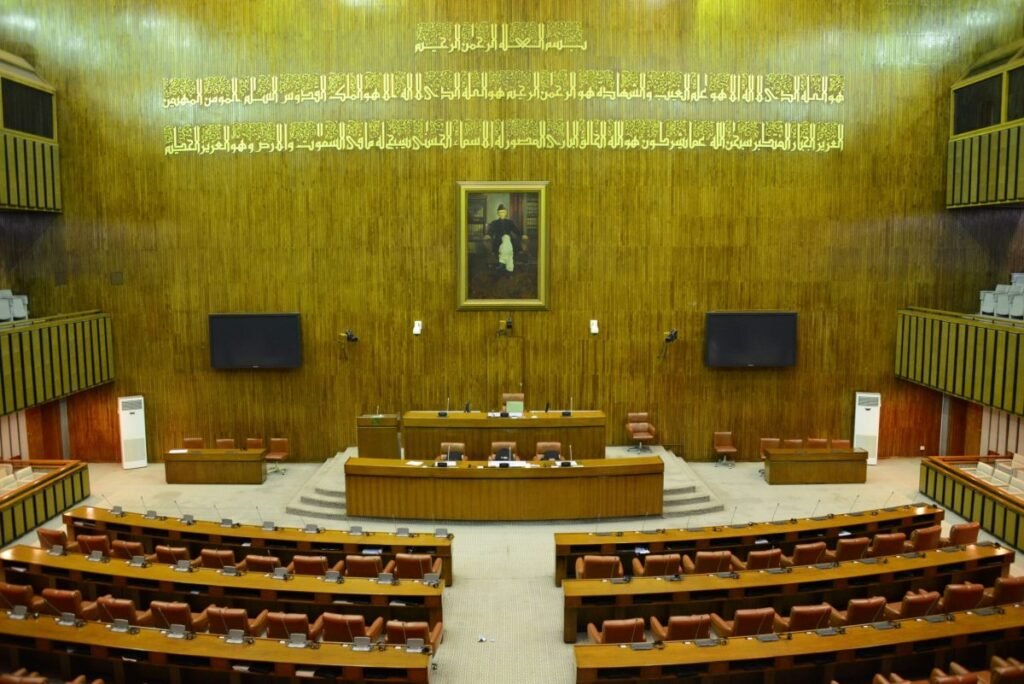
PM Shehbaz Sharif Pledges Support for Democratic Institutions and Rule of Law

ISLAMABAD — Prime Minister Shehbaz Sharif has reiterated Pakistan’s dedication to fortifying democratic institutions and upholding constitutional supremacy. The Prime Minister emphasized the importance of parliamentary governance, transparency, accountability, and the rule of law in ensuring meaningful public participation in decision-making processes. What Happened In a recent statement, Prime Minister Shehbaz Sharif reaffirmed Pakistan’s unwavering commitment to strengthening its democratic framework. He highlighted the government’s focus on enhancing the effectiveness of democratic institutions and ensuring the supremacy of the constitution. The Prime Minister underscored the significance of parliamentary governance as a cornerstone of democracy, which he believes is vital for maintaining transparency and accountability in the country’s political system. Prime Minister Sharif also stressed the importance of the rule of law, which he described as essential for fostering an environment where public participation in decision-making is both meaningful and impactful. According to the Prime Minister, these principles are crucial for the country’s progress and development, as they ensure that the voices of citizens are heard and considered in the governance process. The Prime Minister’s statement comes at a time when Pakistan is navigating complex political and economic challenges. By reiterating the government’s commitment to democratic principles, Prime Minister Sharif aims to reassure both domestic and international stakeholders of Pakistan’s dedication to maintaining a stable and democratic political environment. Background Pakistan has a history of political instability, with periods of military rule interrupting democratic governance. The return to civilian rule in recent decades has seen efforts to strengthen democratic institutions and processes. The 18th Amendment to the Constitution of Pakistan, passed in 2010, was a significant step in devolving power to the provinces and reinforcing parliamentary democracy. Despite these efforts, challenges remain. Issues such as political corruption, judicial independence, and the balance of power between federal and provincial governments continue to pose obstacles to the full realization of democratic ideals. The current government, led by Prime Minister Shehbaz Sharif, has expressed a commitment to addressing these issues and advancing democratic governance. Why It Matters The reaffirmation of commitment to democratic principles by Prime Minister Sharif holds significant implications for Pakistan’s political landscape. Strengthening democratic institutions is crucial for ensuring political stability, which in turn can foster economic growth and development. By prioritizing transparency and accountability, the government aims to build public trust and confidence in its ability to govern effectively. On the international stage, Pakistan’s commitment to democracy is vital for maintaining strong diplomatic relations with global partners. Many countries, particularly those in the West, place a high value on democratic governance and the rule of law. By demonstrating a commitment to these principles, Pakistan can enhance its international standing and attract foreign investment, which is essential for economic development. For the citizens of Pakistan, the government’s focus on democratic principles means greater opportunities for participation in governance. This can lead to more responsive and effective policies that address the needs and concerns of the population. By fostering an inclusive political environment, the government can work towards reducing social inequalities and promoting national unity. Key Takeaways Prime Minister Shehbaz Sharif has reaffirmed Pakistan’s commitment to democratic institutions and constitutional supremacy. The government emphasizes transparency, accountability, and the rule of law as key components of effective governance. Strengthening democratic principles is crucial for political stability and economic development in Pakistan. Internationally, Pakistan’s commitment to democracy can enhance diplomatic relations and attract foreign investment. The focus on public participation aims to create a more inclusive and responsive political environment. Source Attribution This article is based on official government statements and public communications from relevant authorities. Author: NEN Editorial Desk | Editor: NEN Newsroom | Fact Checked By: NEN Editorial Team Author: NEN Editorial Desk  |  Editor: NEN Newsroom  |  Last Updated: June 29, 2026  |  Source: NEN Reporter This article was produced by the NEN Editorial Desk in accordance with NEN Agency’s Editorial Policy and Fact-Checking Policy.

Pakistan

RCCI Highlights Economic Potential of Cannabis Industry in Pakistan

RAWALPINDI — The Rawalpindi Chamber of Commerce and Industry (RCCI), in partnership with the Cannabis Control and Regulatory Authority (CCRA), conducted an awareness session on Monday to explore the economic prospects of Pakistan’s burgeoning cannabis industry. The session emphasized the potential for industrial and medicinal cannabis as a new avenue for investment, exports, and sustainable economic growth. What Happened The awareness session held by RCCI and CCRA focused on the untapped potential of the cannabis industry in Pakistan. The event brought together industry experts, policymakers, and business leaders to discuss the regulatory framework and economic opportunities associated with cannabis cultivation and processing. The session highlighted that the industry could significantly contribute to Pakistan’s economy by creating jobs, boosting exports, and attracting foreign investment. Speakers at the session outlined the benefits of developing a structured cannabis industry, citing examples from countries where cannabis has been legalized for industrial and medicinal purposes. They emphasized that with proper regulation, Pakistan could capitalize on its agricultural strengths to become a leading producer and exporter of cannabis products. The discussions also covered the need for clear guidelines and policies to ensure the industry operates within legal and ethical boundaries. CCRA representatives provided insights into the regulatory measures being considered to facilitate the growth of the cannabis industry. They stressed the importance of establishing a robust legal framework to manage the cultivation, processing, and distribution of cannabis products. The session concluded with a call to action for stakeholders to collaborate in developing a comprehensive strategy to harness the economic potential of cannabis. Background The interest in cannabis as an economic driver is not new. Globally, the cannabis industry has seen significant growth, with countries like Canada and several U.S. states legalizing its use for medicinal and industrial purposes. In Pakistan, the government has shown interest in exploring cannabis cultivation, particularly for its medicinal properties and industrial applications such as hemp fiber production. In 2020, Pakistan’s government approved the industrial production of hemp, marking a significant policy shift. This decision was driven by the potential economic benefits, as hemp can be used in a variety of products, including textiles, biofuels, and pharmaceuticals. The move was part of a broader strategy to diversify the country’s agricultural base and increase exports. Why It Matters The development of a regulated cannabis industry in Pakistan holds substantial economic promise. It offers a new revenue stream that could help alleviate some of the economic challenges facing the country, such as unemployment and trade deficits. By tapping into the global cannabis market, Pakistan could enhance its export profile and attract foreign direct investment. Socially, the industry could provide employment opportunities in rural areas where cannabis cultivation is feasible, thereby contributing to poverty alleviation. Environmentally, hemp cultivation is known for its low environmental impact, offering a sustainable agricultural option that aligns with global trends towards eco-friendly practices. Politically, establishing a cannabis industry could position Pakistan as a regional leader in a high-growth sector, potentially influencing policy discussions in neighboring countries. The successful implementation of a cannabis strategy could also improve Pakistan’s standing in international trade forums, given the increasing acceptance of cannabis products worldwide. Key Takeaways The RCCI and CCRA held an awareness session on the economic potential of Pakistan’s cannabis industry. The session highlighted opportunities for investment, exports, and sustainable growth in the cannabis sector. Speakers emphasized the need for a robust regulatory framework to support industry development. Pakistan’s government approved industrial hemp production in 2020, recognizing its economic benefits. The cannabis industry could create jobs, boost exports, and attract foreign investment in Pakistan. Source Attribution This article is based on official government statements, press releases, and public communications from relevant authorities. Author: NEN Editorial Desk | Editor: NEN Newsroom | Fact Checked By: NEN Editorial Team Author: NEN Editorial Desk  |  Editor: NEN Newsroom  |  Last Updated: June 29, 2026  |  Source: NEN Reporter This article was produced by the NEN Editorial Desk in accordance with NEN Agency’s Editorial Policy and Fact-Checking Policy.

Pakistan

PSX Benchmark Index Drops Over 1,156 Points Amid Bearish Trend

ISLAMABAD — The Pakistan Stock Exchange (PSX) experienced a significant downturn on Monday, with the benchmark KSE-100 Index plummeting by 1,156.47 points. This marked a 0.64 percent decline, closing at 178,414.80 points compared to the previous session’s 179,571.27 points. What Happened The PSX’s KSE-100 Index, a key indicator of market performance, saw a substantial drop as trading commenced on Monday. The decline of 1,156.47 points reflects a bearish momentum that has gripped the market. The session closed with the index at 178,414.80 points, down from the last trading day’s closing of 179,571.27 points. Market analysts attribute this decline to several factors, including investor concerns over the current economic conditions in Pakistan, as well as global market trends. The depreciation of the Pakistani rupee against the US dollar and rising inflation rates have further exacerbated investor apprehensions. “The market is reacting to a mix of domestic economic challenges and international market pressures,” said a senior market analyst. “Investors are cautious, and this is reflected in the selling pressure we are witnessing.” The trading volume also saw a decrease, with fewer shares being traded compared to the previous sessions. This reduction in trading activity is indicative of the cautious approach adopted by investors amid the prevailing economic uncertainty. Background The Pakistan Stock Exchange has been experiencing fluctuations in recent months, influenced by both domestic and international factors. Historically, the PSX has been sensitive to changes in government policies, economic indicators, and global market trends. In recent years, the PSX has faced challenges due to political instability, fluctuating foreign exchange reserves, and varying levels of foreign direct investment. The ongoing economic reforms and fiscal policies have also played a role in shaping the market dynamics. Additionally, the global economic environment, including trade tensions and shifts in commodity prices, has impacted investor sentiment in Pakistan. The PSX’s performance is often seen as a barometer of the country’s economic health, reflecting both opportunities and challenges faced by the economy. Why It Matters The decline in the PSX’s KSE-100 Index has significant implications for Pakistan’s economy and its investors. A bearish market can lead to reduced investor confidence, which in turn affects capital inflows and economic growth. The stock market is a critical component of the financial system, influencing corporate financing and investment decisions. For individual investors, a declining market can result in losses on their portfolios, impacting their financial stability and future investment plans. Institutional investors, such as mutual funds and pension funds, also face challenges in generating returns for their stakeholders. On a broader scale, the performance of the PSX can influence foreign investment decisions. A stable and growing stock market is often attractive to foreign investors seeking opportunities in emerging markets. Conversely, a declining market may deter foreign investment, affecting the country’s balance of payments and foreign exchange reserves. The current economic challenges, including inflation and currency depreciation, are critical factors that need to be addressed to stabilize the market and restore investor confidence. Policymakers and regulators are closely monitoring the situation to implement measures that can mitigate risks and promote market stability. Key Takeaways The PSX’s KSE-100 Index dropped by 1,156.47 points, a 0.64 percent decline. Investor concerns over domestic economic conditions and global trends contributed to the bearish momentum. The decline reflects broader economic challenges, including inflation and currency depreciation. The performance of the PSX impacts both individual and institutional investors, as well as foreign investment decisions. Stabilizing the market requires addressing underlying economic issues to restore confidence. Source Attribution This article is based on official government statements, press releases, and public communications from relevant authorities. Author: NEN Editorial Desk | Editor: NEN Newsroom | Fact Checked By: NEN Editorial Team Author: NEN Editorial Desk  |  Editor: NEN Newsroom  |  Last Updated: June 29, 2026  |  Source: NEN Reporter This article was produced by the NEN Editorial Desk in accordance with NEN Agency’s Editorial Policy and Fact-Checking Policy.

Scroll to Top