
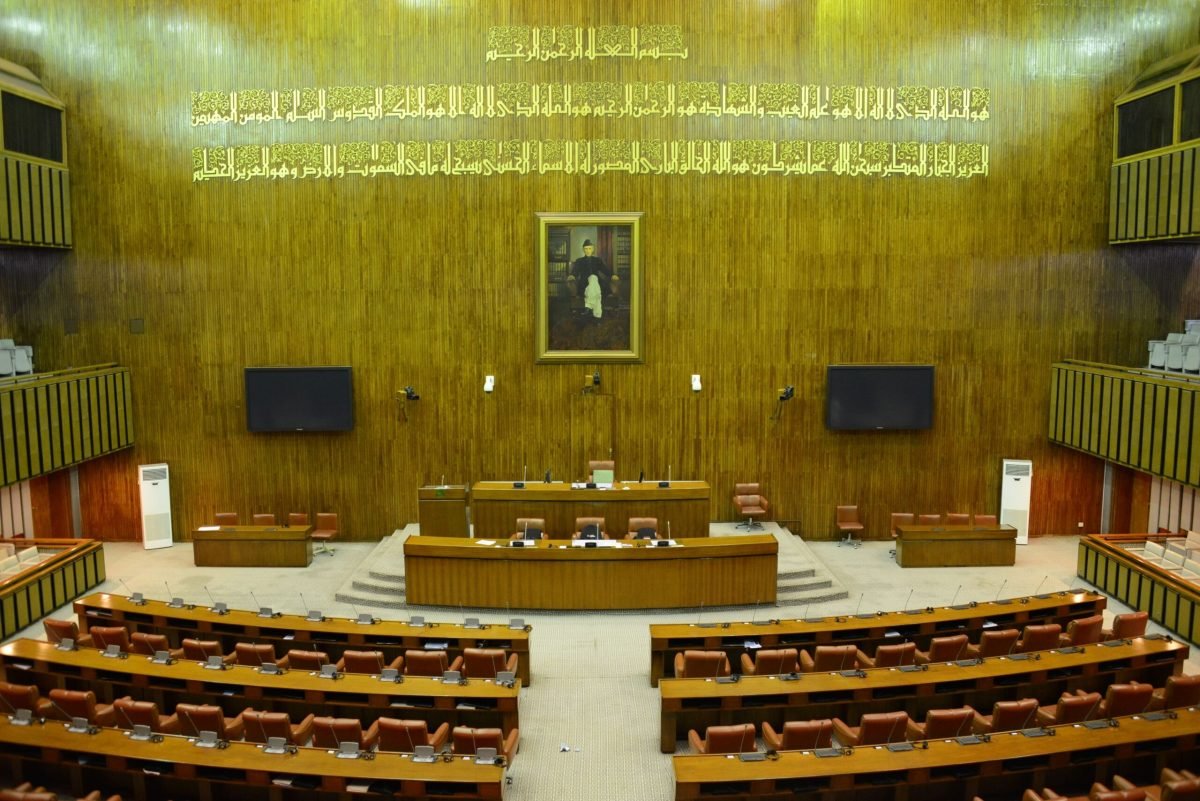
ISLAMABAD — The Senate Sub-Committee on National Health Services, Regulations, and Coordination has proposed that the Medical and Dental College Admission Test (MDCAT) be held twice annually. This recommendation aims to offer aspiring medical students increased flexibility and more opportunities to qualify for medical and dental colleges across Pakistan.
What Happened
During a meeting held on Tuesday at the Parliament House, the Sub-Committee of the Senate Standing Committee on National Health Services, Regulations, and Coordination deliberated on the current structure of the MDCAT. The committee members suggested that conducting the test twice a year would alleviate pressure on students and provide them with additional chances to improve their scores. This proposal was made in response to growing concerns about the high stakes associated with a single annual examination.
The committee’s recommendation comes amid widespread calls from students and parents for a more accommodating examination schedule. The current system, which allows only one attempt per year, has been criticized for its rigidity and the undue stress it places on students. By offering the test twice a year, the committee believes it will not only reduce stress but also align with international practices where multiple testing opportunities are standard.
Senator Dr. Humayun Mohmand, a member of the committee, emphasized the importance of adapting the examination system to meet the needs of students. “We must consider the mental well-being of our students and provide them with multiple opportunities to succeed,” he stated.
Background
The MDCAT is a standardized test required for admission to medical and dental colleges in Pakistan. Traditionally, the test is conducted once a year, usually in the fall. The examination is a critical hurdle for students seeking to enter the medical field, and its results significantly impact their career paths. Over the years, there have been numerous debates regarding the fairness and effectiveness of the MDCAT, with stakeholders calling for reforms to make the process more student-friendly.
In recent years, educational reforms have been a focal point of the government’s agenda, with various committees and task forces established to address issues within the education sector. The proposal to conduct the MDCAT biannually is part of a broader effort to improve access to higher education and ensure that the system is equitable and efficient.
Why It Matters
The recommendation to conduct the MDCAT twice a year holds significant implications for the education sector in Pakistan. Firstly, it represents a shift towards a more flexible and student-oriented examination system, which could set a precedent for other standardized tests in the country. By reducing the pressure associated with a single annual exam, students are likely to experience less stress, which can lead to better performance and mental health outcomes.
Economically, the proposal could also benefit educational institutions. With more students potentially qualifying for medical and dental programs, colleges may see an increase in enrollment, leading to greater revenue and the potential for expanded programs and facilities. Additionally, the increased frequency of the test may generate additional income for the testing authorities, which could be reinvested into further educational improvements.
Internationally, aligning Pakistan’s testing practices with those of other countries enhances the credibility of its educational system. This alignment can facilitate student exchanges and collaborations with foreign institutions, further enriching the educational landscape in Pakistan.
Key Takeaways
- The Senate Sub-Committee recommends conducting the MDCAT twice a year to provide more opportunities for students.
- This change aims to reduce stress and align with international testing standards.
- The MDCAT is a crucial exam for medical and dental college admissions in Pakistan.
- The proposal could lead to increased enrollment and revenue for educational institutions.
- Aligning with international practices may enhance Pakistan’s educational credibility globally.
Source Attribution
This article is based on official government statements, press releases, and public communications from relevant authorities.














