
Pakistan

News related to Pakistan in Pakistan and around the world.

Pakistan

Khyber Police Finalize Plans for August 5 Martyrs Day Observance

PESHAWAR — District Police Officer (DPO) Khyber, Waqar Ahmad, has finalized preparations for the upcoming Martyrs Day on August 5, dedicated to honoring the sacrifices of Khyber Pakhtunkhwa Police personnel. During a meeting held on July 21, attended by Circle Superintendents of Police, Deputy Superintendents of Police, and Station House Officers from across the district, all programs to commemorate the day were confirmed. What Happened The meeting, chaired by DPO Waqar Ahmad, was focused on ensuring that Martyrs Day is observed with national fervor, reverence, and discipline. The DPO emphasized the importance of timely and effective implementation of all scheduled programs. He stated, “Brave police personnel of Khyber district embraced martyrdom while courageously confronting terrorists and criminal elements, sacrificing their lives for peace and security of the motherland.” In preparation for the observance, DPO Ahmad directed officers to ensure attendance at the graves of martyrs, recitation of Fatiha, and special prayers. He also instructed that Fatiha be offered at all police stations across the district. Additionally, visits to the homes of martyrs and meetings with their families are to be arranged. The welfare and wellbeing of police martyrs’ families are being prioritized, with DPO Ahmad reaffirming that the Khyber Pakhtunkhwa Police will continue to support the heirs of its martyrs. “We will always fulfill our responsibilities for dignity, welfare, and all possible assistance,” he added. The meeting concluded with special prayers for the elevation of the martyrs’ ranks, the security of the country, sustainable peace, and further successes of the Khyber Pakhtunkhwa Police. Background Martyrs Day in Khyber Pakhtunkhwa is a solemn occasion dedicated to remembering the police officers who have lost their lives in the line of duty. The province has faced significant challenges due to terrorism and criminal activities, with law enforcement personnel often on the front lines. The observance of this day serves as a reminder of their sacrifices and the ongoing efforts to maintain peace and security in the region. The Khyber Pakhtunkhwa Police have a long history of confronting terrorism and maintaining law and order in a region that has seen considerable unrest. The sacrifices made by police officers are recognized as pivotal in the fight against terrorism and criminal networks. Why It Matters The observance of Martyrs Day is significant for several reasons. It serves as a poignant reminder of the sacrifices made by police officers in Khyber Pakhtunkhwa, highlighting the ongoing challenges faced by law enforcement in maintaining peace and security. This day also underscores the commitment of the police force to protect citizens, even at the cost of their own lives. For the families of the martyrs, this observance is a recognition of their loved ones’ sacrifices and a reaffirmation of the support they will continue to receive from the police department. It is a crucial aspect of maintaining morale and ensuring that the families of fallen officers are not forgotten. On a broader scale, Martyrs Day reinforces the resolve of the Khyber Pakhtunkhwa Police and the government to continue their fight against terrorism and crime. It serves as an opportunity to reflect on the progress made and the challenges that lie ahead in securing peace and stability in the region. Key Takeaways DPO Khyber Waqar Ahmad has finalized preparations for the August 5 Martyrs Day observance. Programs include attendance at martyrs’ graves, recitation of Fatiha, and visits to martyrs’ families. The welfare of police martyrs’ families is being prioritized by the Khyber Pakhtunkhwa Police. Martyrs Day serves as a reminder of the sacrifices made by police officers in the fight against terrorism. The observance highlights the ongoing commitment to peace and security in the region. Source Attribution This article is based on official government statements, press releases, and public communications from relevant authorities. Author: NEN Editorial Desk | Editor: NEN Newsroom | Fact Checked By: NEN Editorial Team Author: NEN Editorial Desk  |  Editor: NEN Newsroom  |  Last Updated: July 21, 2026  |  Source: NEN Reporter This article was produced by the NEN Editorial Desk in accordance with NEN Agency’s Editorial Policy and Fact-Checking Policy.

Pakistan

Multan Police Recover Rs7.5 Million in Stolen Gold, Arrest Key Suspects

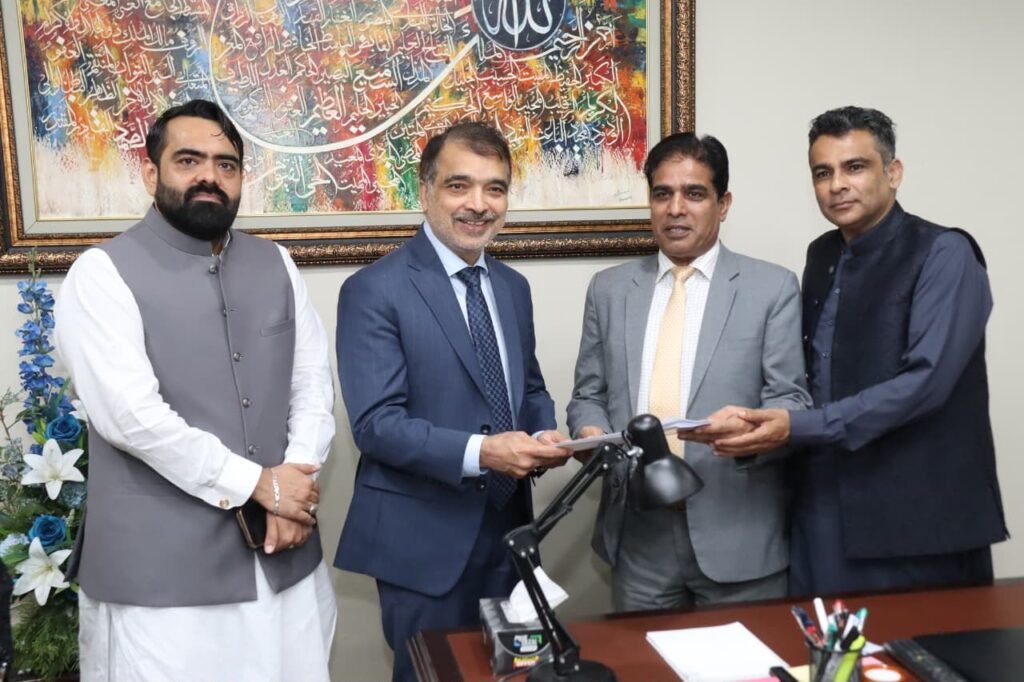
MULTAN — Police in Multan have successfully resolved a high-profile theft case, recovering 17 tola of gold ornaments valued at over Rs7.5 million and apprehending the main suspects involved in the crime. The operation, conducted with precision and efficiency, underscores the commitment of law enforcement to safeguard the property and well-being of citizens. What Happened The theft occurred at a marriage hall located on Multan Public School Road and was promptly reported to the DHA police station. The incident involved the disappearance of valuable gold ornaments during a wedding ceremony, causing significant distress to the victims. The police, led by SHO Hafiz Shehbaz, Sub Inspector Muhammad Mumtaz, and an IT team, employed advanced investigative techniques to trace and apprehend the suspects. The operation was conducted under the supervision of senior police officials, including SSP Operations Haider Ali, SSP Investigation Muhammad Tahir, SP Gulgasht Saifullah, and DSP Sadr Muhammad Khalid. Their coordinated efforts resulted in the swift arrest of the culprits and the recovery of the stolen items. The recovered jewelry was officially returned to the complainant in a ceremony held at the CPO office, where CPO Dogar reaffirmed the police’s dedication to protecting citizens’ lives and properties. During the ceremony, the complainant expressed gratitude towards the Multan police for their prompt action and successful recovery of the stolen valuables. This operation not only brought relief to the victims but also reinforced public confidence in the police force’s ability to tackle crime effectively. Background The theft of gold ornaments during social events such as weddings is not uncommon in Pakistan, where jewelry often represents a significant portion of a family’s wealth and heritage. The recovery of such stolen items is crucial, not only for the financial restitution of the victims but also for preserving cultural and familial traditions. Law enforcement agencies in Pakistan have been increasingly utilizing technology and modern investigative methods to combat such crimes, with varying degrees of success. In recent years, the Punjab police have intensified efforts to improve their crime-solving capabilities, focusing on training, technology adoption, and community engagement. This particular case highlights the effectiveness of these strategies, demonstrating how coordinated efforts and modern techniques can lead to successful outcomes. Why It Matters The recovery of the stolen gold ornaments and the arrest of the suspects have significant implications for the community in Multan and beyond. Economically, the swift resolution of the case prevents further financial loss for the victims and deters potential criminals by showcasing the police’s capability to solve such cases efficiently. Socially, the successful operation restores a sense of security among residents, reassuring them that their safety and property are priorities for local law enforcement. Politically, this case serves as a testament to the government’s commitment to law and order, potentially influencing public perception and trust in state institutions. The operation’s success could also encourage more victims of theft and other crimes to come forward, knowing that their cases will be handled with diligence and professionalism. On an international level, such successful law enforcement operations can improve Pakistan’s image as a country capable of maintaining order and protecting its citizens, which is crucial for attracting foreign investment and tourism. Key Takeaways Police in Multan recovered 17 tola of gold ornaments valued at over Rs7.5 million. The theft occurred at a marriage hall on Multan Public School Road. Key suspects were apprehended using advanced investigative techniques. The operation was supervised by senior police officials, including SSP Operations Haider Ali. The recovery reinforces public confidence in law enforcement’s ability to address crime efficiently. Source Attribution This article is based on official government statements, press releases, and public communications from relevant authorities. Author: NEN Editorial Desk | Editor: NEN Newsroom | Fact Checked By: NEN Editorial Team Author: NEN Editorial Desk  |  Editor: NEN Newsroom  |  Last Updated: July 21, 2026  |  Source: NEN Reporter This article was produced by the NEN Editorial Desk in accordance with NEN Agency’s Editorial Policy and Fact-Checking Policy.
Pakistan

NAB Lahore and LCCI Launch Office to Address Business Concerns

LAHORE — The National Accountability Bureau (NAB) Lahore and the Lahore Chamber of Commerce and Industry (LCCI) have launched an Executive Facilitation Office to address business issues, finalizing its Standard Operating Procedures (SOPs) on Tuesday. This initiative aims to expedite the resolution of genuine business concerns within NAB’s legal framework. What Happened The NAB Lahore and LCCI have taken a significant step by operationalizing the Executive Facilitation Office, a move that stems from their Memorandum of Understanding (MoU). The office is designed to streamline processes and offer a structured approach to resolving business-related issues. By finalizing the SOPs, both entities aim to ensure that the facilitation office operates efficiently and effectively. The collaboration is intended to foster a more conducive environment for businesses, addressing their concerns promptly and within the legal boundaries set by NAB. The facilitation office is expected to serve as a bridge between the business community and NAB, providing a platform where business concerns can be addressed without unnecessary delays. This initiative is part of NAB’s broader strategy to enhance transparency and accountability while supporting economic growth by resolving issues that businesses face in their operations. According to NAB Lahore, the establishment of the facilitation office is a proactive measure to ensure that business activities are not hindered by bureaucratic hurdles. NAB officials have emphasized that the office will operate within the legal framework, ensuring that all resolutions are compliant with existing laws and regulations. Background The collaboration between NAB Lahore and LCCI is rooted in their shared objective to support the business community in Pakistan. The MoU between the two entities was signed with the intent to create a supportive environment for businesses, recognizing the critical role they play in the country’s economic development. NAB, primarily known for its role in combating corruption, has been increasingly involved in initiatives that support economic activities by ensuring a corruption-free environment. The Lahore Chamber of Commerce and Industry, representing a diverse range of businesses, has been advocating for mechanisms that facilitate smoother interactions with government bodies. The establishment of the Executive Facilitation Office is a response to these demands, aiming to reduce friction and enhance cooperation between businesses and regulatory authorities. Why It Matters The operationalization of the Executive Facilitation Office is a significant development for the business community in Lahore and beyond. By providing a dedicated platform for addressing business concerns, NAB and LCCI are taking concrete steps to improve the business climate in Pakistan. This initiative is expected to enhance investor confidence by demonstrating a commitment to resolving issues that businesses face. Economically, the facilitation office could play a crucial role in boosting business activities by reducing delays and uncertainties associated with bureaucratic processes. This is particularly important in a country where businesses often face challenges related to regulatory compliance and corruption. By addressing these issues, the office can contribute to a more stable and predictable business environment, encouraging both domestic and foreign investment. Socially, the initiative underscores the importance of collaboration between government bodies and the private sector. It highlights a shift towards more inclusive governance, where the concerns of businesses are acknowledged and addressed in a structured manner. This approach can lead to increased trust between the business community and government institutions, fostering a more cooperative and productive relationship. Key Takeaways The NAB Lahore and LCCI have launched an Executive Facilitation Office to address business concerns. The office’s SOPs have been finalized to ensure efficient and legal resolution of issues. This initiative aims to improve the business climate by reducing bureaucratic hurdles. The facilitation office is expected to enhance investor confidence and support economic growth. Collaboration between NAB and LCCI highlights the importance of public-private partnerships in governance. Source Attribution This article is based on official government statements, press releases, and public communications from relevant authorities. Author: NEN Editorial Desk | Editor: NEN Newsroom | Fact Checked By: NEN Editorial Team Author: NEN Editorial Desk  |  Editor: NEN Newsroom  |  Last Updated: July 21, 2026  |  Source: NEN Reporter This article was produced by the NEN Editorial Desk in accordance with NEN Agency’s Editorial Policy and Fact-Checking Policy.

Pakistan

SECP Approves First IPO of FY2026–27 for Tasdeeq Information Services

ISLAMABAD — The Securities and Exchange Commission of Pakistan (SECP) has approved the first Initial Public Offering (IPO) for the fiscal year 2026–27, granting permission to Tasdeeq Information Services Limited to issue, circulate, and publish its prospectus. This marks a significant step for the company as it seeks to expand its operations and increase its market presence. What Happened On Tuesday, the SECP officially sanctioned the IPO of Tasdeeq Information Services Limited, allowing the company to move forward with its plans to go public. The approval includes the issuance, circulation, and publication of the IPO prospectus, which is a critical document detailing the company’s business model, financial health, and future prospects. This approval is a crucial part of the regulatory process, ensuring that potential investors have access to comprehensive and accurate information before making investment decisions. Tasdeeq Information Services Limited, a company known for its innovative solutions in the information services sector, aims to leverage the IPO to raise capital for expansion. The company’s decision to go public reflects its growth ambitions and confidence in the market. The SECP’s approval is a testament to Tasdeeq’s compliance with regulatory standards and its readiness to meet the demands of public investors. According to the SECP, the approval of the IPO is part of its broader efforts to facilitate capital formation and enhance market depth in Pakistan. The commission emphasized the importance of transparent and efficient capital markets in fostering economic growth and attracting foreign investment. Background The Securities and Exchange Commission of Pakistan is the regulatory body responsible for overseeing the capital markets in Pakistan. It plays a pivotal role in ensuring that the markets operate fairly and transparently. The approval of an IPO is a rigorous process that involves the evaluation of the company’s financial statements, business model, and compliance with applicable laws and regulations. In recent years, Pakistan’s capital markets have seen a resurgence of interest, with several companies opting to go public. This trend is indicative of the growing confidence in the country’s economic prospects and the increasing sophistication of its financial markets. The SECP has been actively working to streamline the IPO process and reduce the time and cost associated with going public. Why It Matters The approval of Tasdeeq Information Services Limited’s IPO is significant for several reasons. Economically, it represents an opportunity for the company to access new capital, which can be used to fund its expansion plans, invest in new technologies, and enhance its service offerings. This, in turn, can lead to job creation and contribute to economic growth. From a market perspective, the IPO is expected to increase the depth and liquidity of Pakistan’s stock market, making it more attractive to both domestic and international investors. A successful IPO can also set a precedent for other companies considering going public, thereby encouraging more firms to tap into the capital markets. Moreover, the IPO aligns with the government’s broader economic objectives of promoting private sector growth and reducing reliance on foreign debt. By facilitating domestic capital formation, the SECP is helping to build a more resilient and self-sustaining economy. Key Takeaways The SECP has approved the first IPO of FY2026–27 for Tasdeeq Information Services Limited. The IPO approval includes the issuance, circulation, and publication of the prospectus. This development is part of SECP’s efforts to enhance market depth and attract investment. Tasdeeq aims to use the IPO to raise capital for expansion and innovation. The IPO is expected to boost market liquidity and encourage more companies to go public. Source Attribution This article is based on official government statements, press releases, and public communications from relevant authorities. Author: NEN Editorial Desk | Editor: NEN Newsroom | Fact Checked By: NEN Editorial Team Author: NEN Editorial Desk  |  Editor: NEN Newsroom  |  Last Updated: July 21, 2026  |  Source: NEN Reporter This article was produced by the NEN Editorial Desk in accordance with NEN Agency’s Editorial Policy and Fact-Checking Policy.

Pakistan

Al-Shifa Doctors Successfully Operate on Infant with Rare Eye Tumour

ISLAMABAD — Doctors at Al-Shifa Trust Eye Hospital have successfully performed a rare and life-saving surgery on a three-day-old infant diagnosed with a congenital eye tumour. This groundbreaking procedure marks the first documented case in Pakistan where a 285-gram tumour was successfully treated in such a young patient, according to hospital officials. What Happened The medical team at Al-Shifa Trust Eye Hospital, renowned for its expertise in ophthalmology, undertook the challenging task of removing an aggressive congenital eye tumour from a newborn. The infant, only three days old, presented with a tumour weighing 285 grams, a condition that posed significant risks to the child’s life and vision. Dr. Tariq Aziz, the lead surgeon, explained the complexity involved in the procedure. “The tumour was not only large but also intricately connected to the delicate structures of the eye,” he stated. The team employed advanced surgical techniques to excise the tumour while preserving the infant’s vision. The successful operation was a testament to the skill and dedication of the medical staff at the hospital. Hospital officials noted that this case is particularly significant due to the rarity of such tumours in newborns and the challenges associated with treating them. The surgery was conducted under strict protocols to ensure the safety and well-being of the infant, who is now recovering and under close observation by the hospital’s pediatric team. Background Congenital eye tumours, such as retinoblastoma, are rare and can be life-threatening if not treated promptly. These tumours can lead to blindness and, in severe cases, can be fatal. In Pakistan, access to specialized medical care for such conditions is limited, making early diagnosis and treatment crucial. Al-Shifa Trust Eye Hospital, located in Rawalpindi, has been at the forefront of ophthalmic care in Pakistan. Established in 1985, the hospital has a history of pioneering treatments and has been instrumental in advancing eye care in the region. The institution is known for its commitment to providing high-quality care regardless of patients’ financial capabilities. Why It Matters The successful surgery at Al-Shifa Trust Eye Hospital is a significant medical achievement with far-reaching implications. It highlights the advancements in pediatric ophthalmology within Pakistan and underscores the importance of early intervention in congenital conditions. The operation not only saved the infant’s life but also preserved their vision, which is crucial for their development and quality of life. This case also sheds light on the need for increased investment in healthcare infrastructure and training in Pakistan. With congenital conditions requiring specialized care, the availability of skilled medical professionals and advanced medical facilities is essential. The success of this surgery may encourage further developments in the field and inspire confidence in the country’s healthcare capabilities. Moreover, this achievement could pave the way for more such life-saving procedures in the future, potentially benefiting other infants with similar conditions. It also emphasizes the role of medical institutions like Al-Shifa Trust in setting benchmarks for healthcare excellence in Pakistan. Key Takeaways Al-Shifa Trust Eye Hospital successfully performed a rare surgery on a three-day-old infant with a congenital eye tumour. The tumour weighed 285 grams, making it a challenging case due to the infant’s young age and the tumour’s size. This operation is the first documented case of its kind in Pakistan, highlighting advancements in pediatric ophthalmology. The success underscores the importance of early diagnosis and specialized medical care for congenital conditions. The case emphasizes the need for enhanced healthcare infrastructure and training in Pakistan. Source Attribution This article is based on official statements and public communications from Al-Shifa Trust Eye Hospital. Author: NEN Editorial Desk | Editor: NEN Newsroom | Fact Checked By: NEN Editorial Team Author: NEN Editorial Desk  |  Editor: NEN Newsroom  |  Last Updated: July 21, 2026  |  Source: NEN Reporter This article was produced by the NEN Editorial Desk in accordance with NEN Agency’s Editorial Policy and Fact-Checking Policy.

Pakistan

Pakistan Railways Finalizes March Train Crash Probe, Nine Found Responsible

ISLAMABAD — Pakistan Railways has concluded its investigation into two significant train accidents that took place in March 2026. The findings, presented to the National Assembly Standing Committee on Railways, identify both human error and technical failures as primary causes, leading to disciplinary actions against nine employees. What Happened The inquiry into the March train crashes has revealed a troubling combination of track faults and unmanned crossings as major contributors to the incidents. The investigation, which has been a priority for Pakistan Railways, was aimed at understanding the root causes of these accidents to prevent future occurrences. According to the report, the accidents resulted from a mix of human negligence and technical issues, prompting immediate departmental actions against nine railway employees deemed responsible. Detailed in the report, the accidents occurred due to lapses in track maintenance and the absence of personnel at critical crossings. These findings were presented during a session of the National Assembly Standing Committee on Railways, where officials emphasized the need for urgent reforms within the railway system to enhance safety standards. “The safety of passengers is our utmost priority, and we are committed to addressing the deficiencies highlighted in the report,” a senior railway official stated. The inquiry’s conclusions have led to a series of recommendations, including the need for improved training for railway staff and the modernization of track infrastructure. The report also calls for increased investment in automated systems to monitor and manage railway operations more effectively. Background Train accidents have been a recurring issue in Pakistan, with the railway system suffering from chronic underinvestment and outdated infrastructure. Historically, the railway network has been plagued by insufficient maintenance, leading to frequent derailments and collisions. The March 2026 incidents are part of a long-standing pattern of safety challenges faced by Pakistan Railways. In recent years, the government has pledged to revamp the railway system, promising significant investments to modernize infrastructure and improve safety protocols. However, progress has been slow, and the recent accidents underscore the urgent need for comprehensive reforms. Why It Matters The findings of the March train crash probe hold significant implications for Pakistan’s railway sector. With nine employees held accountable, the report highlights systemic issues that have long plagued the country’s railways. The accountability measures taken could set a precedent for future incidents, emphasizing the importance of responsibility and transparency in public service operations. Economically, the accidents and their aftermath could impact public confidence in the railway system, which is a vital mode of transportation for millions of Pakistanis. The need for a reliable and safe railway network is crucial for economic stability and growth, as it facilitates the movement of goods and people across the country. Socially, the accidents have raised concerns about passenger safety and the effectiveness of current safety measures. The report’s recommendations for improved training and infrastructure upgrades are critical steps towards rebuilding trust with the public. Internationally, the probe’s findings may influence foreign investment in Pakistan’s infrastructure projects. Potential investors often assess the safety and reliability of a country’s transportation systems before committing resources. Demonstrating a commitment to addressing these issues could enhance Pakistan’s attractiveness as an investment destination. Key Takeaways The inquiry into the March train crashes identified human error and technical failures as key causes. Nine Pakistan Railways employees have been held responsible and face departmental action. Recommendations include improved staff training and modernization of railway infrastructure. Train accidents continue to challenge Pakistan’s railway system, necessitating urgent reforms. The findings may impact public confidence and influence international investment in Pakistan’s infrastructure. Source Attribution This article is based on official government statements and public communications from relevant authorities. Author: NEN Editorial Desk | Editor: NEN Newsroom | Fact Checked By: NEN Editorial Team Author: NEN Editorial Desk  |  Editor: NEN Newsroom  |  Last Updated: July 21, 2026  |  Source: NEN Reporter This article was produced by the NEN Editorial Desk in accordance with NEN Agency’s Editorial Policy and Fact-Checking Policy.

Pakistan

Pakistan Hockey Federation Denies Dissolving Selection Committee

ISLAMABAD — The Pakistan Hockey Federation (PHF) has officially dismissed rumors circulating on social media that it has dissolved its selection committee and transferred all selection responsibilities to the coaching staff. The federation described these claims as baseless and unfounded in an official statement released on Monday. What Happened Reports emerged on various social media platforms suggesting that the PHF had made a significant organizational change by dissolving its selection committee. According to these rumors, the federation had allegedly shifted all selection powers to the coaching staff, effectively eliminating the committee’s role in team selection. The PHF, however, was quick to refute these claims, emphasizing that the selection committee remains intact and continues to function as per its mandate. In a statement, a PHF spokesperson clarified, “The reports circulating on social media are completely baseless. The selection committee has not been dissolved, and no such decision has been made by the federation.” The spokesperson further assured fans and stakeholders that the PHF is committed to maintaining transparency and integrity in its selection processes. The PHF’s swift response highlights the organization’s proactive approach in addressing misinformation and ensuring that accurate information is communicated to the public. The federation also reiterated its dedication to the development and promotion of hockey in Pakistan, emphasizing that any decisions regarding team selection would be made with the utmost consideration for the sport’s best interests. Background The Pakistan Hockey Federation, established in 1948, is the governing body for field hockey in Pakistan. It is responsible for overseeing all aspects of the sport, including the national team’s selection, training, and participation in international competitions. The selection committee, a crucial component of the PHF, is tasked with selecting players for the national team based on performance, fitness, and potential. Historically, the PHF has faced challenges, including financial constraints and declining performance on the international stage. Despite these hurdles, the federation has been working to revive the sport’s popularity and competitiveness in Pakistan. The selection committee plays a vital role in this revival by ensuring that the best talent is identified and nurtured for national representation. Why It Matters The rumors of the selection committee’s dissolution, if true, would have significant implications for the governance of hockey in Pakistan. The selection committee is instrumental in maintaining a merit-based system for player selection, ensuring that decisions are made objectively and transparently. Transferring all selection powers to the coaching staff could potentially lead to conflicts of interest and undermine the integrity of the selection process. Moreover, the PHF’s denial of these rumors underscores the importance of combating misinformation in the digital age. Social media platforms, while valuable for communication, can also be sources of unverified information that can damage reputations and create unnecessary confusion. The PHF’s prompt response serves as a reminder of the need for organizations to actively manage their public image and address false narratives swiftly. For the players and fans of Pakistani hockey, the assurance that the selection committee remains operational is crucial. It reinforces confidence in the system and ensures that player selections are based on merit and performance. This trust is essential for fostering a competitive and fair environment that encourages the development of hockey talent in the country. Key Takeaways The Pakistan Hockey Federation has denied rumors of dissolving its selection committee. The PHF emphasized that the selection committee continues to function as usual. Social media reports suggesting a transfer of selection powers to coaching staff were deemed baseless. The PHF’s response highlights the importance of addressing misinformation swiftly. The assurance of a functioning selection committee maintains trust in the hockey selection process. Source Attribution This article is based on official statements and public communications from the Pakistan Hockey Federation. Author: NEN Editorial Desk | Editor: NEN Newsroom | Fact Checked By: NEN Editorial Team Author: NEN Editorial Desk  |  Editor: NEN Newsroom  |  Last Updated: July 21, 2026  |  Source: NEN Reporter This article was produced by the NEN Editorial Desk in accordance with NEN Agency’s Editorial Policy and Fact-Checking Policy.
Pakistan

NBP Releases Updated Currency Exchange Rates in Karachi

KARACHI — The National Bank of Pakistan (NBP) has announced the latest buying and selling rates for major foreign currencies as of Monday, July 20. These rates are crucial for businesses and individuals engaged in foreign exchange transactions across the country. What Happened The NBP has released the updated exchange rates for major currencies, including the US dollar, which is a significant benchmark for the Pakistani rupee. According to the NBP’s latest figures, the selling rate for the US dollar stands at 279.74 PKR, while the buying rate is slightly lower. These rates are pivotal for importers, exporters, and travelers who rely on accurate currency conversion for their financial planning and transactions. The currency rates are issued regularly by the NBP to provide transparency and facilitate smooth financial operations in the foreign exchange market. The rates are determined based on a variety of factors, including international market trends, supply and demand dynamics, and economic indicators. NBP’s role as a leading financial institution in Pakistan includes providing reliable currency exchange services, which are essential for maintaining economic stability and fostering international trade. The updated rates are disseminated through various channels to ensure accessibility for all stakeholders involved in currency exchange activities. Background Currency exchange rates are a crucial aspect of Pakistan’s financial ecosystem, impacting a wide range of economic activities. The NBP, as a state-owned bank, plays a central role in setting these rates, which are influenced by the State Bank of Pakistan’s monetary policies and global economic conditions. Historically, the Pakistani rupee has experienced fluctuations against major currencies due to factors such as inflation, trade deficits, and geopolitical developments. In recent years, the currency market has been particularly volatile, necessitating timely updates from financial institutions like the NBP. The NBP’s currency rates are used by a variety of sectors, including import-export businesses, financial institutions, and individual consumers. Accurate exchange rates are vital for these entities to manage costs, forecast revenues, and make informed financial decisions. Why It Matters The release of updated currency rates by the NBP holds significant implications for Pakistan’s economy. For businesses involved in international trade, these rates determine the cost of imports and the competitiveness of exports. A higher exchange rate for the US dollar, for example, can increase the cost of imported goods, affecting pricing strategies and profit margins. For individual consumers, currency rates influence the cost of foreign travel, education abroad, and remittances. As Pakistan is a major recipient of remittances from overseas workers, fluctuations in exchange rates can impact the value of money sent back home, affecting household incomes. On a macroeconomic level, stable and transparent currency rates contribute to investor confidence and economic stability. They enable policymakers to assess the health of the economy and make informed decisions regarding fiscal and monetary policies. In the context of global economic uncertainties, the role of NBP in providing reliable currency rates becomes even more critical. It helps mitigate the risks associated with currency volatility and supports the broader economic objectives of growth and stability. Key Takeaways The NBP has released updated buying and selling rates for major currencies, including the US dollar. The selling rate for the US dollar is 279.74 PKR, with a slightly lower buying rate. Currency rates are essential for businesses, consumers, and policymakers in managing financial transactions and economic planning. Fluctuations in exchange rates can significantly impact the cost of imports, exports, and remittances. NBP’s role in providing transparent and reliable currency rates supports economic stability and investor confidence. Source Attribution The article is based on official government statements, press releases, and public communications from relevant authorities. Author: NEN Editorial Desk | Editor: NEN Newsroom | Fact Checked By: NEN Editorial Team Author: NEN Editorial Desk  |  Editor: NEN Newsroom  |  Last Updated: July 21, 2026  |  Source: NEN Reporter This article was produced by the NEN Editorial Desk in accordance with NEN Agency’s Editorial Policy and Fact-Checking Policy.

Pakistan

Kazakh Ambassador Highlights Connectivity for Pakistan-Central Asia Trade Growth

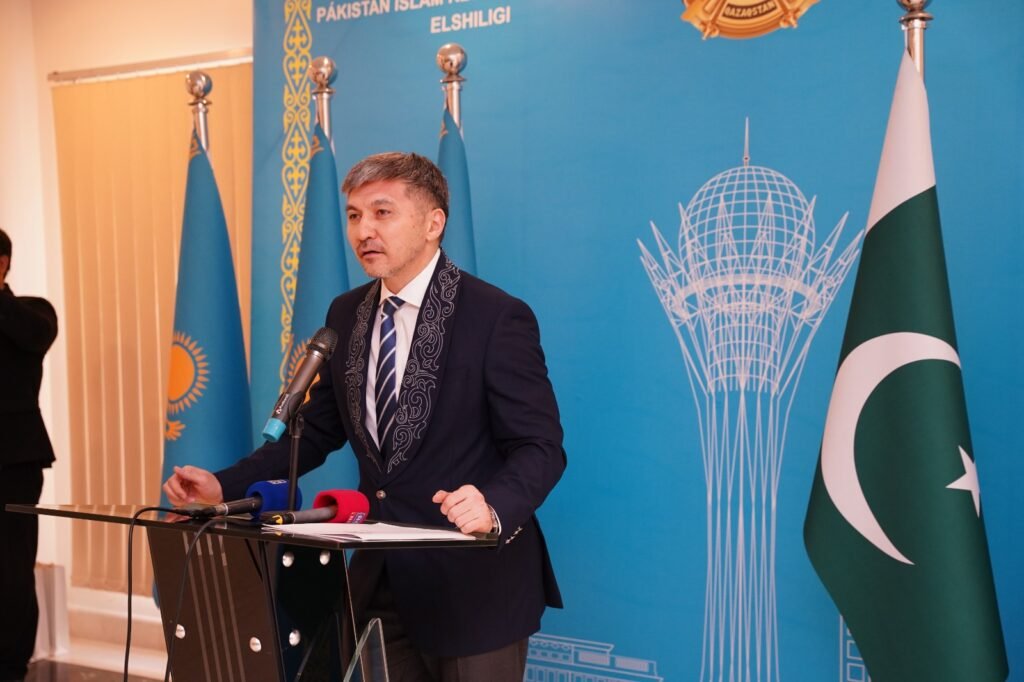
ISLAMABAD — Ambassador Yerzhan Kistafin of Kazakhstan emphasized the critical role of rail and road connectivity in boosting trade between Pakistan and Central Asia on Monday. He highlighted that the future cooperation in the energy sector between Pakistan and Kazakhstan hinges on the development of regional infrastructure. What Happened During a meeting held in Islamabad, Ambassador Yerzhan Kistafin articulated the necessity of enhancing transportation links to facilitate trade expansion between Pakistan and Central Asian countries. The ambassador pointed out that the current infrastructure, particularly in rail and road networks, is insufficient to meet the growing demands of trade and economic cooperation in the region. Ambassador Kistafin noted, “The development of robust rail and road networks is essential for unlocking the trade potential between our regions. Without these critical infrastructures, our ambitions for increased economic collaboration will remain unfulfilled.” He further emphasized the strategic importance of Pakistan as a gateway to Central Asia, which could significantly benefit from improved connectivity. The ambassador also mentioned that Kazakhstan is keen on exploring energy cooperation with Pakistan, but such initiatives would require substantial improvements in regional infrastructure. He stressed that both countries must work together to overcome logistical challenges that currently impede trade and economic integration. Background Pakistan and Kazakhstan have historically shared cordial relations, with both countries expressing a mutual interest in strengthening economic ties. The two nations have been part of various regional forums aimed at enhancing trade and cooperation, such as the Economic Cooperation Organization (ECO) and the Shanghai Cooperation Organization (SCO). Despite these efforts, trade volumes between Pakistan and Central Asian countries remain relatively low, primarily due to inadequate transportation infrastructure. The existing road networks are often plagued by logistical bottlenecks, while rail connectivity is limited, affecting the timely and cost-effective movement of goods. In recent years, Pakistan has been working on several infrastructure projects under the China-Pakistan Economic Corridor (CPEC), which aims to improve connectivity within the region. However, experts argue that more targeted efforts are needed to connect with Central Asian states effectively. Why It Matters The emphasis on improving rail and road connectivity is crucial for Pakistan’s economic ambitions. Enhanced transportation links could open up new markets for Pakistani goods in Central Asia, potentially leading to a significant increase in exports. This, in turn, would contribute to economic growth and job creation within Pakistan. For Central Asian countries, improved connectivity with Pakistan offers access to the Arabian Sea, facilitating trade with global markets. This could lead to a diversification of their economic partnerships and a reduction in dependency on traditional trading routes. Moreover, the development of infrastructure is likely to attract foreign investment in both regions, particularly in sectors such as energy, logistics, and manufacturing. This could foster greater economic integration and stability in Central Asia and Pakistan, contributing to regional peace and development. On a strategic level, improved connectivity could enhance Pakistan’s role as a regional hub, strengthening its geopolitical influence in Central Asia. This aligns with Pakistan’s broader foreign policy objectives of fostering regional cooperation and economic integration. Key Takeaways Ambassador Yerzhan Kistafin emphasized the importance of rail and road connectivity for boosting trade between Pakistan and Central Asia. Improved infrastructure is essential for future energy cooperation between Pakistan and Kazakhstan. Current trade volumes remain low due to inadequate transportation links. Enhanced connectivity could open new markets for Pakistani goods and attract foreign investment. Improving infrastructure aligns with Pakistan’s strategic goals of regional cooperation and economic integration. Source Attribution This article is based on official government statements, press releases, and public communications from relevant authorities. Author: NEN Editorial Desk | Editor: NEN Newsroom | Fact Checked By: NEN Editorial Team Author: NEN Editorial Desk  |  Editor: NEN Newsroom  |  Last Updated: July 20, 2026  |  Source: NEN Reporter This article was produced by the NEN Editorial Desk in accordance with NEN Agency’s Editorial Policy and Fact-Checking Policy.

Pakistan

Petrol Price Reduced, Diesel Cost Increased in Latest Fuel Adjustment

ISLAMABAD — The federal government announced a marginal reduction in petrol prices by Rs0.35 per litre, while the cost of high-speed diesel (HSD) has been increased by Rs5.71 per litre, effective immediately. This adjustment was confirmed in a notification issued by the Ministry of Energy (Petroleum Division) on Monday. What Happened The Ministry of Energy (Petroleum Division) released a notification detailing the latest adjustments in fuel prices. The price of motor spirit, commonly known as petrol, has been reduced from Rs316.15 to Rs315.80 per litre. Conversely, the price of high-speed diesel has been raised from Rs293.40 to Rs299.11 per litre. These changes reflect the government’s ongoing efforts to align domestic fuel prices with international market trends and currency fluctuations. The decision to alter fuel prices comes as part of the government’s routine bi-weekly review, which considers global oil price movements and the exchange rate of the Pakistani rupee against the US dollar. The Ministry of Energy stated that these adjustments are necessary to ensure the availability of fuel at competitive prices while managing the fiscal impact on the national economy. In a statement, the Ministry emphasized the need for these adjustments, citing the volatile nature of international oil markets and the pressure on the national currency. “The government is committed to providing relief to the public wherever possible, but adjustments are inevitable due to external economic pressures,” the statement read. Background Fuel price adjustments in Pakistan are typically conducted twice a month, influenced by the global oil market and domestic economic conditions. Historically, fluctuations in international oil prices and exchange rates have had significant impacts on the local pricing of petroleum products. The government aims to balance these factors to mitigate the impact on consumers while maintaining fiscal stability. In recent months, Pakistan has experienced economic challenges, including inflationary pressures and currency depreciation. These factors have contributed to the complexity of managing fuel prices, which are a critical component of the country’s economic framework. Previous adjustments have seen both increases and decreases in fuel prices, reflecting the dynamic nature of the global oil market. Why It Matters The adjustment in fuel prices has far-reaching implications for Pakistan’s economy and its citizens. Diesel, in particular, is crucial for the transportation and agriculture sectors, which are vital components of the national economy. An increase in diesel prices can lead to higher transportation costs, affecting the price of goods and services across the country. For consumers, even a slight increase in diesel prices can translate into higher costs for essential goods, as transportation expenses are passed down the supply chain. This can exacerbate the financial strain on households already dealing with inflation and rising living costs. On the other hand, the reduction in petrol prices, albeit marginal, may provide some relief to individual consumers, particularly those who rely on personal vehicles for commuting. However, the overall impact on household budgets is likely to be limited given the concurrent rise in diesel prices. Economically, the government’s decision to adjust fuel prices reflects its strategy to manage the country’s fiscal deficit while responding to international market conditions. Maintaining a balance between affordable fuel prices and fiscal responsibility is a challenging task, especially in the context of Pakistan’s current economic environment. Key Takeaways The price of petrol has been reduced by Rs0.35 per litre, now priced at Rs315.80. High-speed diesel prices have increased by Rs5.71, now costing Rs299.11 per litre. The adjustments are part of the government’s bi-weekly review of fuel prices. The changes reflect international oil market trends and domestic economic pressures. The impact on consumers and the economy is multifaceted, affecting transportation and living costs. Source Attribution This article is based on official government statements, press releases, and public communications from relevant authorities. Author: NEN Editorial Desk | Editor: NEN Newsroom | Fact Checked By: NEN Editorial Team Author: NEN Editorial Desk  |  Editor: NEN Newsroom  |  Last Updated: July 20, 2026  |  Source: Press Release from Ministry of Energy This article was produced by the NEN Editorial Desk in accordance with NEN Agency’s Editorial Policy and Fact-Checking Policy.

Scroll to Top