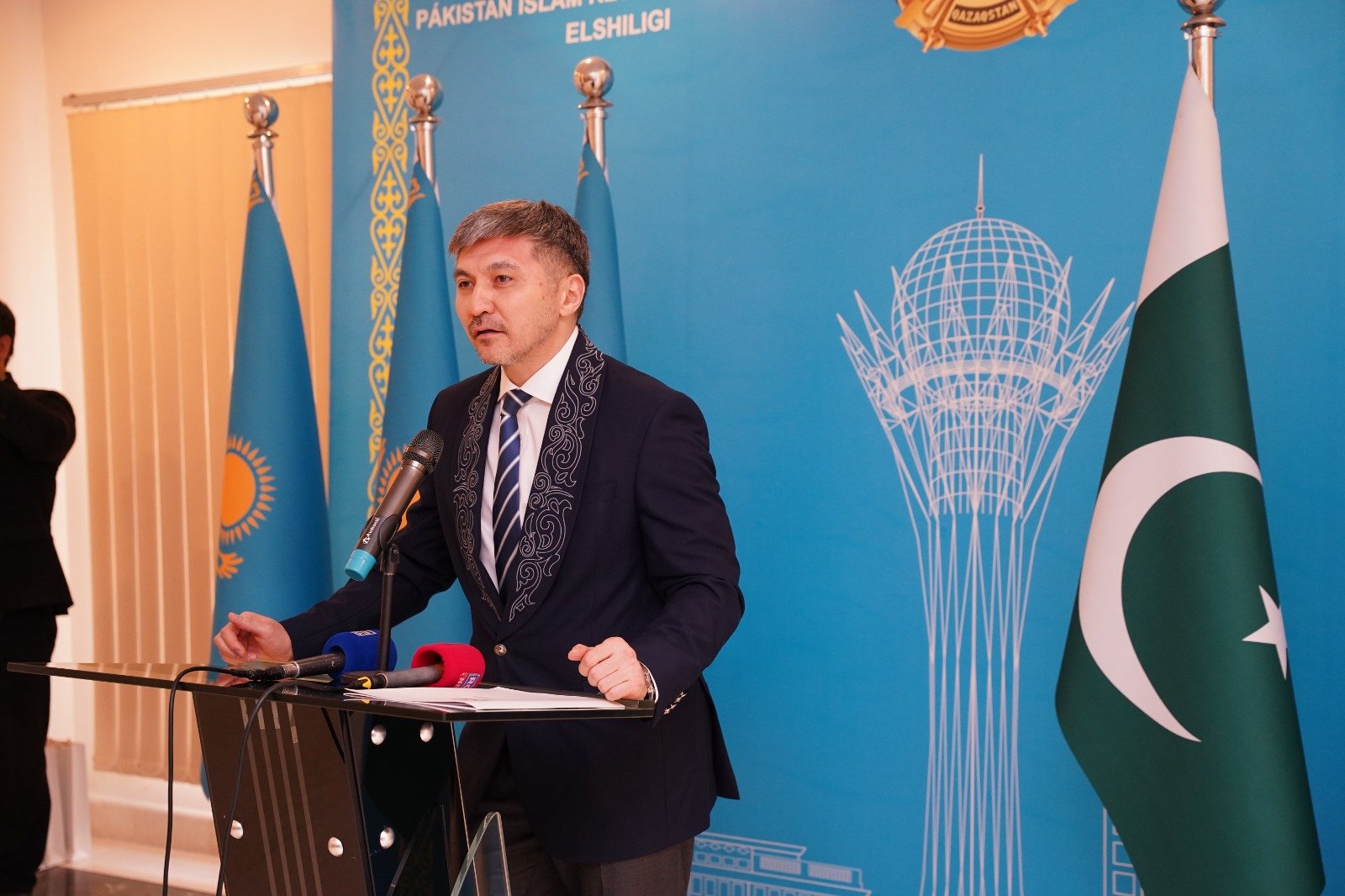
ISLAMABAD — Ambassador Yerzhan Kistafin of Kazakhstan emphasized the critical role of rail and road connectivity in boosting trade between Pakistan and Central Asia on Monday. He highlighted that the future cooperation in the energy sector between Pakistan and Kazakhstan hinges on the development of regional infrastructure.
What Happened
During a meeting held in Islamabad, Ambassador Yerzhan Kistafin articulated the necessity of enhancing transportation links to facilitate trade expansion between Pakistan and Central Asian countries. The ambassador pointed out that the current infrastructure, particularly in rail and road networks, is insufficient to meet the growing demands of trade and economic cooperation in the region.
Ambassador Kistafin noted, “The development of robust rail and road networks is essential for unlocking the trade potential between our regions. Without these critical infrastructures, our ambitions for increased economic collaboration will remain unfulfilled.” He further emphasized the strategic importance of Pakistan as a gateway to Central Asia, which could significantly benefit from improved connectivity.
The ambassador also mentioned that Kazakhstan is keen on exploring energy cooperation with Pakistan, but such initiatives would require substantial improvements in regional infrastructure. He stressed that both countries must work together to overcome logistical challenges that currently impede trade and economic integration.
Background
Pakistan and Kazakhstan have historically shared cordial relations, with both countries expressing a mutual interest in strengthening economic ties. The two nations have been part of various regional forums aimed at enhancing trade and cooperation, such as the Economic Cooperation Organization (ECO) and the Shanghai Cooperation Organization (SCO).
Despite these efforts, trade volumes between Pakistan and Central Asian countries remain relatively low, primarily due to inadequate transportation infrastructure. The existing road networks are often plagued by logistical bottlenecks, while rail connectivity is limited, affecting the timely and cost-effective movement of goods.
In recent years, Pakistan has been working on several infrastructure projects under the China-Pakistan Economic Corridor (CPEC), which aims to improve connectivity within the region. However, experts argue that more targeted efforts are needed to connect with Central Asian states effectively.
Why It Matters
The emphasis on improving rail and road connectivity is crucial for Pakistan’s economic ambitions. Enhanced transportation links could open up new markets for Pakistani goods in Central Asia, potentially leading to a significant increase in exports. This, in turn, would contribute to economic growth and job creation within Pakistan.
For Central Asian countries, improved connectivity with Pakistan offers access to the Arabian Sea, facilitating trade with global markets. This could lead to a diversification of their economic partnerships and a reduction in dependency on traditional trading routes.
Moreover, the development of infrastructure is likely to attract foreign investment in both regions, particularly in sectors such as energy, logistics, and manufacturing. This could foster greater economic integration and stability in Central Asia and Pakistan, contributing to regional peace and development.
On a strategic level, improved connectivity could enhance Pakistan’s role as a regional hub, strengthening its geopolitical influence in Central Asia. This aligns with Pakistan’s broader foreign policy objectives of fostering regional cooperation and economic integration.
Key Takeaways
- Ambassador Yerzhan Kistafin emphasized the importance of rail and road connectivity for boosting trade between Pakistan and Central Asia.
- Improved infrastructure is essential for future energy cooperation between Pakistan and Kazakhstan.
- Current trade volumes remain low due to inadequate transportation links.
- Enhanced connectivity could open new markets for Pakistani goods and attract foreign investment.
- Improving infrastructure aligns with Pakistan’s strategic goals of regional cooperation and economic integration.
Source Attribution
This article is based on official government statements, press releases, and public communications from relevant authorities.