
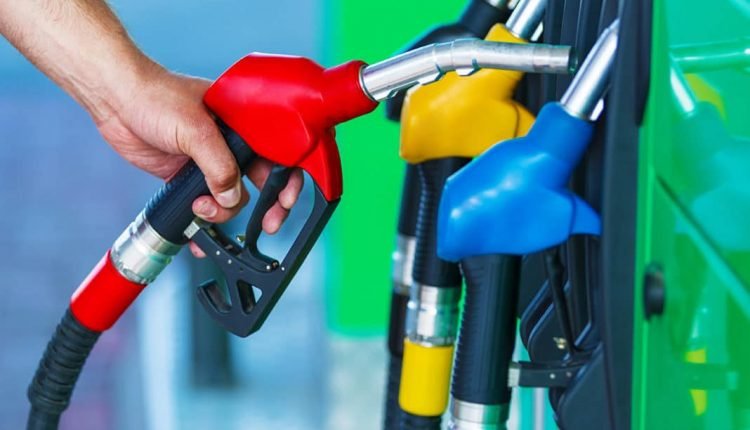
ISLAMABAD — The federal government announced a marginal reduction in petrol prices by Rs0.35 per litre, while the cost of high-speed diesel (HSD) has been increased by Rs5.71 per litre, effective immediately. This adjustment was confirmed in a notification issued by the Ministry of Energy (Petroleum Division) on Monday.
What Happened
The Ministry of Energy (Petroleum Division) released a notification detailing the latest adjustments in fuel prices. The price of motor spirit, commonly known as petrol, has been reduced from Rs316.15 to Rs315.80 per litre. Conversely, the price of high-speed diesel has been raised from Rs293.40 to Rs299.11 per litre. These changes reflect the government’s ongoing efforts to align domestic fuel prices with international market trends and currency fluctuations.
The decision to alter fuel prices comes as part of the government’s routine bi-weekly review, which considers global oil price movements and the exchange rate of the Pakistani rupee against the US dollar. The Ministry of Energy stated that these adjustments are necessary to ensure the availability of fuel at competitive prices while managing the fiscal impact on the national economy.
In a statement, the Ministry emphasized the need for these adjustments, citing the volatile nature of international oil markets and the pressure on the national currency. “The government is committed to providing relief to the public wherever possible, but adjustments are inevitable due to external economic pressures,” the statement read.
Background
Fuel price adjustments in Pakistan are typically conducted twice a month, influenced by the global oil market and domestic economic conditions. Historically, fluctuations in international oil prices and exchange rates have had significant impacts on the local pricing of petroleum products. The government aims to balance these factors to mitigate the impact on consumers while maintaining fiscal stability.
In recent months, Pakistan has experienced economic challenges, including inflationary pressures and currency depreciation. These factors have contributed to the complexity of managing fuel prices, which are a critical component of the country’s economic framework. Previous adjustments have seen both increases and decreases in fuel prices, reflecting the dynamic nature of the global oil market.
Why It Matters
The adjustment in fuel prices has far-reaching implications for Pakistan’s economy and its citizens. Diesel, in particular, is crucial for the transportation and agriculture sectors, which are vital components of the national economy. An increase in diesel prices can lead to higher transportation costs, affecting the price of goods and services across the country.
For consumers, even a slight increase in diesel prices can translate into higher costs for essential goods, as transportation expenses are passed down the supply chain. This can exacerbate the financial strain on households already dealing with inflation and rising living costs.
On the other hand, the reduction in petrol prices, albeit marginal, may provide some relief to individual consumers, particularly those who rely on personal vehicles for commuting. However, the overall impact on household budgets is likely to be limited given the concurrent rise in diesel prices.
Economically, the government’s decision to adjust fuel prices reflects its strategy to manage the country’s fiscal deficit while responding to international market conditions. Maintaining a balance between affordable fuel prices and fiscal responsibility is a challenging task, especially in the context of Pakistan’s current economic environment.
Key Takeaways
- The price of petrol has been reduced by Rs0.35 per litre, now priced at Rs315.80.
- High-speed diesel prices have increased by Rs5.71, now costing Rs299.11 per litre.
- The adjustments are part of the government’s bi-weekly review of fuel prices.
- The changes reflect international oil market trends and domestic economic pressures.
- The impact on consumers and the economy is multifaceted, affecting transportation and living costs.
Source Attribution
This article is based on official government statements, press releases, and public communications from relevant authorities.














