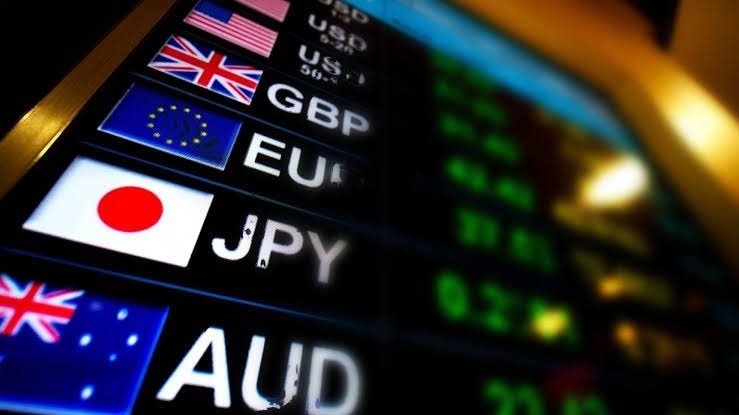
KARACHI — The National Bank of Pakistan (NBP) has announced the latest buying and selling rates for major foreign currencies as of Monday, July 20. These rates are crucial for businesses and individuals engaged in foreign exchange transactions across the country.
What Happened
The NBP has released the updated exchange rates for major currencies, including the US dollar, which is a significant benchmark for the Pakistani rupee. According to the NBP’s latest figures, the selling rate for the US dollar stands at 279.74 PKR, while the buying rate is slightly lower. These rates are pivotal for importers, exporters, and travelers who rely on accurate currency conversion for their financial planning and transactions.
The currency rates are issued regularly by the NBP to provide transparency and facilitate smooth financial operations in the foreign exchange market. The rates are determined based on a variety of factors, including international market trends, supply and demand dynamics, and economic indicators.
NBP’s role as a leading financial institution in Pakistan includes providing reliable currency exchange services, which are essential for maintaining economic stability and fostering international trade. The updated rates are disseminated through various channels to ensure accessibility for all stakeholders involved in currency exchange activities.
Background
Currency exchange rates are a crucial aspect of Pakistan’s financial ecosystem, impacting a wide range of economic activities. The NBP, as a state-owned bank, plays a central role in setting these rates, which are influenced by the State Bank of Pakistan’s monetary policies and global economic conditions.
Historically, the Pakistani rupee has experienced fluctuations against major currencies due to factors such as inflation, trade deficits, and geopolitical developments. In recent years, the currency market has been particularly volatile, necessitating timely updates from financial institutions like the NBP.
The NBP’s currency rates are used by a variety of sectors, including import-export businesses, financial institutions, and individual consumers. Accurate exchange rates are vital for these entities to manage costs, forecast revenues, and make informed financial decisions.
Why It Matters
The release of updated currency rates by the NBP holds significant implications for Pakistan’s economy. For businesses involved in international trade, these rates determine the cost of imports and the competitiveness of exports. A higher exchange rate for the US dollar, for example, can increase the cost of imported goods, affecting pricing strategies and profit margins.
For individual consumers, currency rates influence the cost of foreign travel, education abroad, and remittances. As Pakistan is a major recipient of remittances from overseas workers, fluctuations in exchange rates can impact the value of money sent back home, affecting household incomes.
On a macroeconomic level, stable and transparent currency rates contribute to investor confidence and economic stability. They enable policymakers to assess the health of the economy and make informed decisions regarding fiscal and monetary policies.
In the context of global economic uncertainties, the role of NBP in providing reliable currency rates becomes even more critical. It helps mitigate the risks associated with currency volatility and supports the broader economic objectives of growth and stability.
Key Takeaways
- The NBP has released updated buying and selling rates for major currencies, including the US dollar.
- The selling rate for the US dollar is 279.74 PKR, with a slightly lower buying rate.
- Currency rates are essential for businesses, consumers, and policymakers in managing financial transactions and economic planning.
- Fluctuations in exchange rates can significantly impact the cost of imports, exports, and remittances.
- NBP’s role in providing transparent and reliable currency rates supports economic stability and investor confidence.
Source Attribution
The article is based on official government statements, press releases, and public communications from relevant authorities.