

World

Welcome to the World section of NEN Agency, your window to the stories shaping our planet. From global politics and economic shifts to science breakthroughs, cultural moments, and humanitarian crises, we connect you to events that matter — wherever they happen.

Inside This Category

  • Global Politics & Diplomacy: International relations, summits, and policy shifts.

  • World Economy & Trade: Market trends, trade agreements, and financial developments.

  • Conflicts & Security: Coverage of wars, peace efforts, and security challenges.

  • Science & Environment: Climate change, technological advances, and space exploration.

  • Culture & Society: Arts, sports, and lifestyle stories from around the globe.

Why Our World Coverage Stands Out
We deliver global news with context, helping readers see how events beyond borders influence life in Pakistan and the wider region.

World

PPP Plans Protests Against India Over Indus Water Treaty Violations

HYDERABAD — The Pakistan Peoples Party (PPP) Hyderabad chapter has announced a series of protests in response to India’s alleged violations of the Indus Water Treaty (IWT). The party accuses India of water aggression, which they claim threatens Pakistan’s water rights under the treaty. What Happened At a press conference held at the Hyderabad Press Club on Saturday, Aajiz Dhamrah, President of the PPP Hyderabad division and former Senator, declared that the party would organize protests to oppose India’s alleged misappropriation of the Indus River’s water. Dhamrah stated, “We will vociferously tell Modi (India’s Prime Minister) that theft of Indus River’s water is unacceptable.” He emphasized that Pakistan would not permit its neighbor to unilaterally breach the IWT, which he said deprives millions of Pakistanis of their rightful share of water resources. Dhamrah extended an invitation to all political parties to join the PPP in their organized protests. He was accompanied by former provincial minister Zahid Bhurgari, Town Municipal Corporation Hussainabad’s Chairman Umair Chandio, and other local party leaders. The protests are aimed at raising awareness and garnering support against what the PPP describes as India’s water aggression. Background The Indus Water Treaty, signed in 1960 between India and Pakistan, is a water-distribution agreement brokered by the World Bank. It allocates the use of the Indus River and its tributaries between the two countries. According to the treaty, India has control over the waters of the eastern rivers (Ravi, Beas, and Sutlej), while Pakistan has rights to the western rivers (Indus, Jhelum, and Chenab). The treaty is considered one of the most successful international water-sharing agreements, having survived several conflicts between the two nations. However, tensions have occasionally arisen over the interpretation and implementation of the treaty, with Pakistan accusing India of constructing dams and other projects that could affect the flow of water into Pakistan. India, on the other hand, maintains that its projects are within the stipulations of the treaty. Why It Matters The issue of water distribution is critical for Pakistan, where agriculture is a significant part of the economy and heavily reliant on the Indus River system. Any perceived threats to water supplies can have far-reaching implications for food security, economic stability, and social harmony. The PPP’s protests highlight the political sensitivity surrounding water issues in Pakistan, where water scarcity is an increasing concern due to climate change and population growth. Furthermore, the protests underscore the ongoing tensions between India and Pakistan, two nuclear-armed neighbors with a history of conflict. Water disputes add another layer of complexity to their already strained relations. The PPP’s call for protests could potentially influence public opinion and pressure the Pakistani government to take a more assertive stance in diplomatic negotiations with India regarding the treaty. On an international level, the situation draws attention to the challenges of transboundary water management in a region where geopolitical tensions are high. The involvement of political parties like the PPP in such issues reflects the intersection of environmental concerns with national politics, highlighting the need for effective dialogue and cooperation between the two countries to ensure sustainable water management. Key Takeaways The PPP Hyderabad chapter plans protests against India’s alleged violations of the Indus Water Treaty. The Indus Water Treaty, signed in 1960, governs water distribution between India and Pakistan. Water disputes between the two countries have implications for agriculture, food security, and regional stability. The PPP’s actions could influence public opinion and diplomatic relations between India and Pakistan. Effective transboundary water management is crucial for regional peace and cooperation. Source Attribution This article is based on official government statements, press releases, and public communications from relevant authorities. Author: NEN Editorial Desk | Editor: NEN Newsroom | Fact Checked By: NEN Editorial Team Author: NEN Editorial Desk  |  Editor: NEN Newsroom  |  Last Updated: July 11, 2026  |  Source: Press Release from Government of Pakistan This article was produced by the NEN Editorial Desk in accordance with NEN Agency’s Editorial Policy and Fact-Checking Policy.
World

BISP Chairperson Advocates for Enhanced Investment in Women’s Empowerment

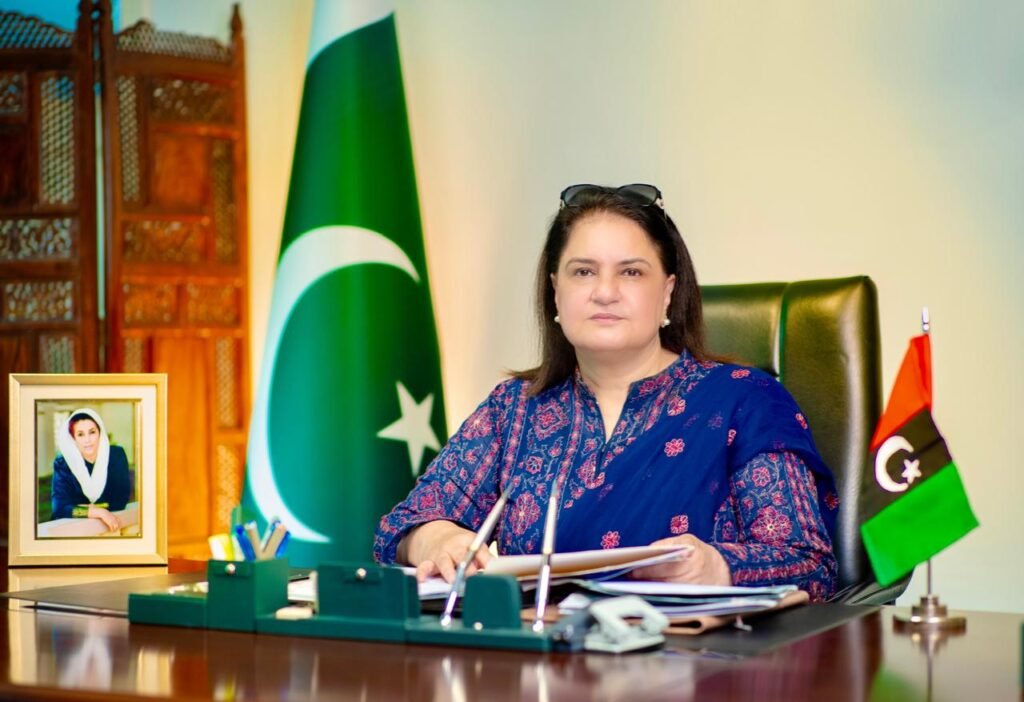
ISLAMABAD — Chairperson of the Benazir Income Support Programme (BISP), Senator Rubina Khalid, on Friday called for increased investment in women’s empowerment as a cornerstone for achieving sustainable development in Pakistan. She emphasized that providing equal opportunities to women could transform the nation’s burgeoning population into a valuable asset. What Happened During a recent address, Senator Rubina Khalid highlighted the critical role of women in the socio-economic development of Pakistan. She underscored the necessity of empowering women economically to foster sustainable development, strengthen family units, and build a prosperous society. “Empowering women is not just a moral imperative but an economic necessity,” she stated, urging stakeholders to prioritize gender equality in development agendas. Senator Khalid pointed out that women constitute nearly half of Pakistan’s population, and their active participation in the workforce is essential for the country’s progress. She argued that by investing in women’s education, health, and entrepreneurship, Pakistan could significantly enhance its economic growth and social stability. “Equal opportunities for women can transform our growing population into a national asset,” she added. The BISP, a social safety net initiative, has been at the forefront of providing financial assistance to women in need. Senator Khalid reiterated the program’s commitment to supporting women through various initiatives aimed at improving their economic status and overall well-being. She called on the government and private sector to collaborate in creating an environment conducive to women’s empowerment. Background The Benazir Income Support Programme was launched in 2008 as a response to the global financial crisis and rising food prices. It aims to provide financial assistance to low-income families, with a particular focus on empowering women. Over the years, BISP has expanded its reach and now serves millions of families across Pakistan. The program’s emphasis on women is rooted in the belief that empowering women leads to broader socio-economic benefits. Historically, Pakistan has faced challenges in achieving gender equality, with cultural, social, and economic barriers hindering women’s progress. Despite these challenges, initiatives like BISP have made significant strides in addressing gender disparities and promoting women’s rights. Why It Matters The call for greater investment in women’s empowerment is crucial for Pakistan’s development trajectory. Economically empowering women can lead to a more equitable distribution of resources and opportunities, ultimately contributing to poverty reduction and economic growth. As women gain access to education and employment, they can contribute more effectively to the economy, leading to increased household incomes and improved living standards. Socially, empowering women can lead to stronger family units and healthier communities. Women who are educated and financially independent are more likely to invest in their children’s education and health, creating a positive cycle of development. Politically, increased female participation can lead to more inclusive and representative governance, ensuring that women’s voices are heard in decision-making processes. Internationally, Pakistan’s commitment to gender equality aligns with global development goals, such as the United Nations Sustainable Development Goals (SDGs), which emphasize gender equality as a critical component of sustainable development. By investing in women’s empowerment, Pakistan can improve its standing on the global stage and attract international support and investment. Key Takeaways Senator Rubina Khalid calls for increased investment in women’s empowerment to achieve sustainable development in Pakistan. The Benazir Income Support Programme focuses on empowering women as a means to strengthen families and build a prosperous society. Economic empowerment of women is seen as essential for transforming Pakistan’s population into a national asset. Empowering women can lead to poverty reduction, economic growth, and improved social outcomes. Pakistan’s efforts align with global development goals, enhancing its international reputation and potential for investment. Source Attribution This article is based on official statements and public communications from the Benazir Income Support Programme and relevant authorities. Author: NEN Editorial Desk | Editor: NEN Newsroom | Fact Checked By: NEN Editorial Team Author: NEN Editorial Desk  |  Editor: NEN Newsroom  |  Last Updated: July 11, 2026  |  Source: NEN Reporter This article was produced by the NEN Editorial Desk in accordance with NEN Agency’s Editorial Policy and Fact-Checking Policy.

World

BISP Chairperson Promotes Digital Wallets, Free SIMs in Swat Visit

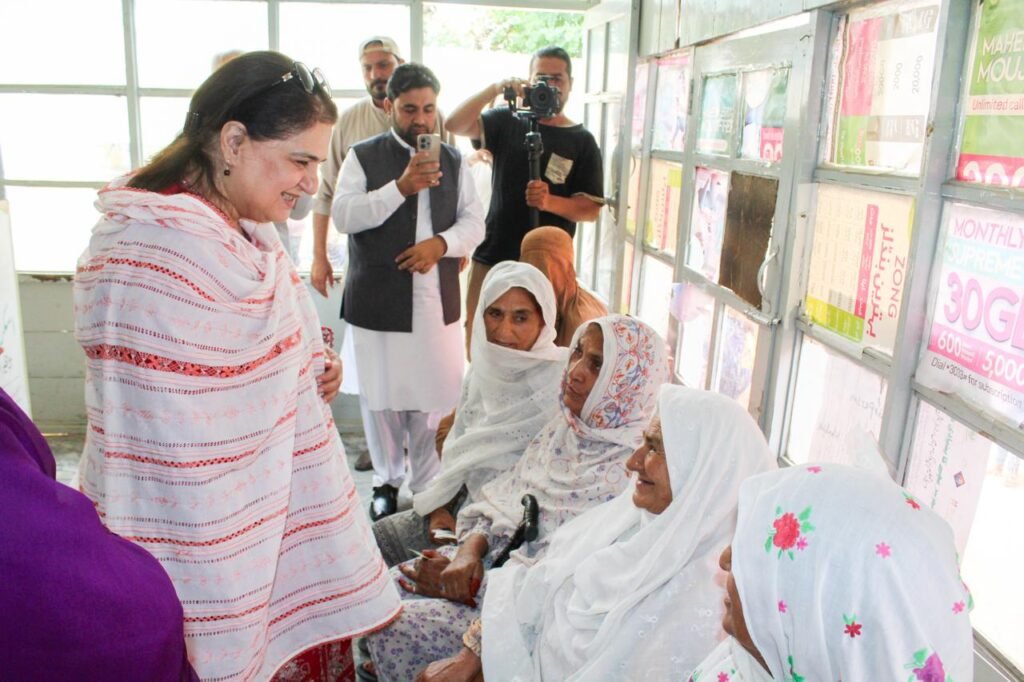
SWAT — Chairperson of the Benazir Income Support Programme (BISP), Senator Rubina Khalid, engaged with women beneficiaries in Swat on Saturday to promote the safe use of digital wallets and the distribution of free Benazir SIMs. During her visit, she listened to the concerns of the local women and provided guidance on leveraging digital financial tools. What Happened Senator Rubina Khalid’s visit to Swat was aimed at enhancing the understanding and adoption of digital financial services among BISP beneficiaries. She met with numerous women who are part of the programme, addressing their queries and emphasizing the importance of digital literacy. The initiative is part of BISP’s broader strategy to empower women economically and ensure they have access to modern financial services. During the interactions, Senator Khalid explained the benefits of using digital wallets, which allow users to make transactions without the need for physical cash, thus reducing the risk of theft and fraud. She also highlighted the availability of free Benazir SIMs, which are intended to facilitate communication and access to BISP services. “Our goal is to make sure that every woman in our programme can use these tools safely and effectively,” she stated. The chairperson’s visit included a series of workshops and informational sessions where women were taught how to set up and use digital wallets. These sessions also covered topics such as maintaining security and privacy while using digital services. The distribution of free SIMs is expected to enhance connectivity, enabling beneficiaries to receive timely updates and support from BISP. Background The Benazir Income Support Programme was launched in 2008 as a means to provide financial assistance to the most vulnerable segments of Pakistani society, primarily focusing on women. Over the years, BISP has evolved to incorporate digital solutions to improve service delivery and transparency. The introduction of digital wallets and free SIMs is part of this evolution, aiming to integrate beneficiaries into the digital economy and enhance their financial independence. Pakistan has seen a significant increase in mobile phone usage and internet penetration over the past decade, creating an opportunity for digital financial services to flourish. BISP’s initiatives are aligned with the government’s broader digital transformation agenda, which seeks to leverage technology to improve governance and service delivery. Why It Matters The promotion of digital wallets and free SIMs among BISP beneficiaries is a crucial step towards financial inclusion in Pakistan. By equipping women with the tools and knowledge to use digital financial services, BISP is not only enhancing their economic opportunities but also contributing to the country’s digital economy. Financial inclusion is a key driver of economic growth, as it enables individuals to save, invest, and manage risks more effectively. For women in particular, access to financial services can lead to greater economic empowerment, improved household welfare, and increased participation in the labor force. Furthermore, the initiative supports the government’s efforts to reduce poverty and improve the socio-economic status of marginalized communities. By integrating digital solutions into social welfare programmes, Pakistan can improve the efficiency and reach of these initiatives, ensuring that aid reaches those who need it most. Key Takeaways Senator Rubina Khalid visited Swat to promote digital wallets and free Benazir SIMs among BISP beneficiaries. The initiative aims to enhance digital literacy and financial inclusion for women in the programme. Digital wallets offer a secure and convenient way for beneficiaries to manage their finances. The distribution of free SIMs is intended to improve communication and access to BISP services. BISP’s efforts align with Pakistan’s broader digital transformation goals. Source Attribution This article is based on official statements and public communications from the Benazir Income Support Programme and relevant authorities. Author: NEN Editorial Desk | Editor: NEN Newsroom | Fact Checked By: NEN Editorial Team Author: NEN Editorial Desk  |  Editor: NEN Newsroom  |  Last Updated: July 11, 2026  |  Source: NEN Reporter This article was produced by the NEN Editorial Desk in accordance with NEN Agency’s Editorial Policy and Fact-Checking Policy.
World

Balochistan Government Provides Motorcycles to Boost Vaccination Efforts

NASEERABAD — The Balochistan government has taken a significant step to enhance its healthcare delivery by providing 21 motorcycles to vaccinators under the Expanded Program on Immunization (EPI). This initiative aims to improve the accessibility and efficiency of vaccination services across the province. What Happened In a ceremony held at Sardar Yar Muhammad Jamali Memorial Hospital in Usta Muhammad, 21 motorcycles were officially handed over to vaccinators working under the EPI. The event was inaugurated by Deputy Commissioner Usta Muhammad, Muhammad Ramzan Palal, who emphasized the provincial government’s dedication to improving healthcare facilities. Sardar Zarar Khan Jamali, along with several health officials, including District Health Officer Dr. Amir Ali Jamali and Deputy DHO Dr. Qarar Hussain, were present to oversee the proceedings. Deputy Commissioner Ramzan Palal highlighted the importance of the new motorcycles, stating that they would significantly enhance the reach and efficiency of the immunization program. “These motorcycles will enable vaccinators to reach remote, underdeveloped, and difficult areas in time, significantly improving routine immunization coverage,” he remarked. The provision of these vehicles is seen as a crucial element in the government’s strategy to ensure timely and effective vaccination services. Speakers at the event noted that the initiative would help protect children against a range of diseases, including measles, polio, tuberculosis, and hepatitis, among others. They stressed the importance of continuing to strengthen the immunization system to ensure that every child in the district receives necessary vaccinations. Background The Expanded Program on Immunization (EPI) in Pakistan is a national initiative aimed at providing immunization services to children and mothers. The program targets several preventable diseases and is a key component of the country’s public health strategy. In Balochistan, the EPI faces unique challenges due to the province’s vast and difficult terrain, which often hinders access to remote communities. Historically, Balochistan has struggled with low immunization coverage rates compared to other regions in Pakistan. Efforts to improve these rates have been ongoing, with the government and various health organizations working to address logistical and infrastructural challenges. The provision of motorcycles is part of a broader effort to enhance the mobility and effectiveness of healthcare workers in reaching underserved areas. Why It Matters The distribution of motorcycles to vaccinators in Balochistan is a strategic move to improve public health outcomes in the province. By enabling healthcare workers to reach remote and underserved communities, the initiative addresses a critical barrier to effective immunization coverage. This is particularly important in a region where geographical challenges have historically impeded healthcare delivery. Economically, improving immunization rates can lead to significant cost savings for the healthcare system by reducing the incidence of preventable diseases. This, in turn, can alleviate the financial burden on families and communities, who often face high medical expenses due to preventable illnesses. Socially, the initiative contributes to the overall well-being of communities by ensuring that children receive necessary vaccinations, thereby reducing mortality and morbidity rates. This can have a profound impact on the quality of life and future prospects of children in the region. Politically, the move demonstrates the Balochistan government’s commitment to addressing public health challenges and improving healthcare infrastructure. It aligns with national and international health goals, including those set by the World Health Organization (WHO) and the United Nations Children’s Fund (UNICEF), to increase immunization coverage and reduce child mortality. Key Takeaways The Balochistan government has provided 21 motorcycles to vaccinators under the EPI to enhance healthcare delivery. The initiative aims to improve access to remote areas, increasing immunization coverage in the province. Improved immunization rates can lead to economic benefits by reducing healthcare costs associated with preventable diseases. The move reflects the government’s commitment to addressing public health challenges and aligns with international health goals. Ensuring timely vaccinations can significantly improve the quality of life for children in Balochistan. Source Attribution This article is based on official government statements, press releases, and public communications from relevant authorities. Author: NEN Editorial Desk | Editor: NEN Newsroom | Fact Checked By: NEN Editorial Team Author: NEN Editorial Desk  |  Editor: NEN Newsroom  |  Last Updated: July 11, 2026  |  Source: Press Release from Government of Balochistan This article was produced by the NEN Editorial Desk in accordance with NEN Agency’s Editorial Policy and Fact-Checking Policy.
World

Sialkot Chamber Delegation Engages with SIAL Leadership on Economic Cooperation

ISLAMABAD — A delegation from the Sialkot Chamber of Commerce and Industry (SCCI), led by President Syed Ahtesham Mazhar, met with the leadership of Sialkot International Airport Limited (SIAL) on Saturday to discuss potential avenues for economic collaboration and infrastructure development. The meeting took place at the SIAL headquarters, with Chairman Abdul Ghafoor Malik and Vice Chairman Syed Shahid Raza representing the airport’s leadership. What Happened The SCCI delegation’s visit to SIAL was primarily aimed at exploring collaborative opportunities that could enhance the economic landscape of Sialkot, a city renowned for its export-driven industries. During the meeting, both parties discussed strategies to boost trade and improve logistical support for exporters. President Syed Ahtesham Mazhar emphasized the importance of Sialkot International Airport as a critical hub for facilitating the export of goods, particularly in the sports goods and surgical instruments sectors, which are key contributors to the region’s economy. Chairman Abdul Ghafoor Malik acknowledged the vital role that the airport plays in supporting local businesses and expressed a commitment to further enhancing its facilities to meet the growing demands of exporters. “Sialkot International Airport is committed to providing world-class services to our exporters, and we are constantly working on improving our infrastructure to support the region’s economic growth,” Malik stated. The discussions also touched upon the potential for expanding flight operations and increasing cargo handling capacity to better serve the needs of local industries. Vice Chairman Syed Shahid Raza highlighted the airport’s recent initiatives, including the introduction of new international routes and the upgrading of cargo facilities, which are expected to significantly boost trade volumes. Background Sialkot, located in the Punjab province, is a major industrial hub in Pakistan, known for its export-oriented industries. The city has a long-standing reputation for producing high-quality sports goods, surgical instruments, leather products, and textiles. The establishment of Sialkot International Airport in 2007 was a significant milestone for the region, providing a direct link to international markets and facilitating the export of locally manufactured goods. The airport is unique in Pakistan as it is the first privately owned public airport in the country, developed through the collective efforts of the local business community. Over the years, it has played a crucial role in supporting the economic activities of Sialkot and its surrounding areas, contributing significantly to the national economy. Why It Matters The meeting between SCCI and SIAL leadership is significant as it underscores the collaborative efforts required to sustain and enhance the economic growth of Sialkot. The city’s industries are heavily reliant on efficient logistics and transportation networks to maintain their competitive edge in international markets. By strengthening the partnership between the chamber and the airport, there is potential to improve operational efficiencies, reduce costs, and increase the competitiveness of Sialkot’s exports. For Pakistan, enhancing the capabilities of key infrastructure such as Sialkot International Airport is crucial for boosting exports, which are a vital component of the country’s economic strategy. As the government aims to increase export revenues, initiatives that improve logistical support and connectivity are essential. The outcomes of such collaborations could have far-reaching implications, potentially leading to job creation, increased foreign exchange earnings, and overall economic stability. Moreover, the expansion of flight operations and cargo capacity at Sialkot International Airport could attract more international airlines, fostering greater connectivity and opening new markets for Pakistani products. This aligns with the broader national objective of diversifying export markets and reducing dependency on traditional trading partners. Key Takeaways The SCCI delegation met with SIAL leadership to discuss economic collaboration. Discussions focused on enhancing trade, logistical support, and infrastructure development. Sialkot International Airport plays a crucial role in supporting local exporters. Potential expansion of flight operations and cargo capacity was explored. Strengthening this partnership could boost Pakistan’s export capabilities. Source Attribution This article is based on official statements and public communications from the Sialkot Chamber of Commerce and Industry and Sialkot International Airport Limited. Author: NEN Editorial Desk | Editor: NEN Newsroom | Fact Checked By: NEN Editorial Team Author: NEN Editorial Desk  |  Editor: NEN Newsroom  |  Last Updated: July 11, 2026  |  Source: NEN Reporter This article was produced by the NEN Editorial Desk in accordance with NEN Agency’s Editorial Policy and Fact-Checking Policy.

World

US Consulate Delegation Reviews Punjab’s Environmental Initiatives

LAHORE — A delegation from the United States Consulate General visited the Punjab Environmental Protection Agency (EPA) headquarters on Saturday to assess the provincial government’s efforts in environmental protection, air quality monitoring, and climate resilience. What Happened The delegation from the US Consulate General engaged with officials at the Punjab Environmental Protection Agency to gain insights into the region’s environmental strategies. The visit focused on evaluating the current air quality monitoring systems and the steps being taken by the provincial government to enhance climate resilience. The delegation was briefed on various initiatives undertaken by the EPA to address environmental challenges in Punjab. During the visit, the US delegation reviewed the technological advancements and methodologies employed by the EPA to monitor air quality. They discussed the effectiveness of these systems in providing accurate data and the subsequent actions taken to mitigate pollution levels. The EPA officials highlighted ongoing projects aimed at reducing emissions and improving air quality in urban areas. The discussions also covered climate resilience strategies, where EPA representatives shared their plans to adapt to climate change impacts. These include initiatives to promote sustainable practices, enhance green spaces, and implement policies that support environmental sustainability. The US delegation expressed interest in potential collaborations to support these efforts, emphasizing the importance of international cooperation in tackling global environmental issues. Background The Punjab Environmental Protection Agency has been at the forefront of addressing environmental concerns in the province. Established under the Pakistan Environmental Protection Act of 1997, the agency is responsible for implementing policies, regulations, and programs aimed at protecting the environment and ensuring sustainable development. Over the years, the EPA has introduced various measures to combat pollution, manage waste, and preserve natural resources. Air quality monitoring has been a critical focus for the EPA, especially in urban centers like Lahore, where pollution levels have been a significant concern. The agency has deployed a network of air quality monitoring stations to collect data and inform policy decisions. Additionally, the EPA has been working on climate resilience projects to mitigate the effects of climate change, which include efforts to increase forest cover and promote renewable energy sources. Why It Matters The visit by the US Consulate delegation underscores the growing international interest in Pakistan’s environmental policies and the need for collaborative efforts to address global environmental challenges. Punjab, being one of the most populous provinces in Pakistan, faces significant environmental pressures due to rapid urbanization and industrialization. The province’s efforts to improve air quality and build climate resilience are crucial for the health and well-being of its residents. Air pollution has been linked to various health issues, including respiratory diseases and cardiovascular problems, making it imperative for the government to implement effective monitoring and mitigation strategies. The collaboration with international partners, such as the United States, can provide access to advanced technologies and expertise, enhancing the effectiveness of local initiatives. Furthermore, addressing climate change is a global priority, and Punjab’s efforts to build resilience can serve as a model for other regions facing similar challenges. By sharing knowledge and resources, Pakistan can strengthen its capacity to adapt to climate change impacts, ensuring sustainable development and environmental protection for future generations. Key Takeaways The US Consulate delegation visited Punjab EPA to review environmental initiatives. Discussions focused on air quality monitoring and climate resilience strategies. The EPA highlighted ongoing projects to reduce emissions and promote sustainability. International collaboration is crucial for addressing global environmental challenges. Punjab’s efforts can serve as a model for climate resilience in other regions. Source Attribution This article is based on official government statements, press releases, and public communications from relevant authorities. Author: NEN Editorial Desk | Editor: NEN Newsroom | Fact Checked By: NEN Editorial Team Author: NEN Editorial Desk  |  Editor: NEN Newsroom  |  Last Updated: July 11, 2026  |  Source: NEN Reporter This article was produced by the NEN Editorial Desk in accordance with NEN Agency’s Editorial Policy and Fact-Checking Policy.
World

Punjab Food Authority Seals Two Units, Fines 27 Outlets Rs.470,000

LAHORE — The Punjab Food Authority (PFA) intensified its efforts to enforce food safety regulations by sealing two food businesses and imposing fines totaling Rs.470,000 on 27 other outlets during a comprehensive crackdown in Lahore on Saturday. What Happened In a decisive move to uphold food safety standards, the PFA conducted inspections across 29 food outlets and production units in Lahore. These inspections were carried out under the directive of Director General Syed Musa Raza. The initiative aimed to ensure that all food businesses adhered strictly to the prescribed food safety regulations. According to an official statement from the PFA, the crackdown led to the sealing of a bakery accused of using prohibited ingredients. Additionally, a pickle manufacturing unit located on Ravi Road was shut down for failing to comply with previous directives issued by the authority. The inspections revealed multiple hygiene violations, including food items placed directly on the floor, the use of dirty covering materials, and inadequate records of employees’ medical fitness and training. Further infractions noted by the inspectors included the presence of garbage near food items, insects and cockroaches on the premises, fungus in washing areas, peeling paint, and dirty freezers. The alleged use of prohibited food colors was also documented. Syed Musa Raza emphasized that the PFA is committed to maintaining a zero-tolerance policy against food adulteration and any practices that pose risks to public health. Background The Punjab Food Authority, established in 2011, has been at the forefront of ensuring food safety and hygiene in the province. It operates under the Punjab Food Authority Act, which empowers it to regulate and monitor the food industry. The authority has been conducting regular inspections and imposing penalties on businesses that fail to comply with food safety standards. This latest crackdown is part of an ongoing campaign to enhance the quality of food available to consumers in Punjab. Historically, the PFA has faced challenges in curbing food adulteration and ensuring compliance with hygiene standards. However, with increased inspections and stricter enforcement of regulations, the authority has made significant strides in improving food safety across the province. Why It Matters This crackdown by the PFA holds significant implications for public health and safety in Lahore and the broader Punjab region. Food safety is a critical concern, as violations can lead to widespread health issues, including foodborne illnesses. By taking stringent action against violators, the PFA is working to protect consumers from the dangers associated with unsafe food practices. Economically, the enforcement of food safety regulations can lead to increased consumer confidence in local food products, potentially boosting sales for compliant businesses. It also encourages food businesses to invest in better hygiene practices and infrastructure, which can improve the overall quality of food production in the region. On a social level, such actions by the PFA highlight the importance of regulatory bodies in safeguarding public welfare. It sends a strong message to food businesses about the necessity of adhering to food safety standards, thereby fostering a culture of accountability and responsibility within the industry. Key Takeaways The Punjab Food Authority sealed two food businesses and fined 27 others for food safety violations in Lahore. Inspections revealed multiple hygiene issues, including the use of prohibited ingredients and poor sanitation conditions. The crackdown is part of the PFA’s zero-tolerance policy against adulteration and unsafe food practices. Ensuring food safety is crucial for public health, economic stability, and consumer confidence. The PFA continues to enforce food safety regulations to enhance the quality of food in Punjab. Source Attribution This article is based on official statements and public communications from the Punjab Food Authority. Author: NEN Editorial Desk | Editor: NEN Newsroom | Fact Checked By: NEN Editorial Team Author: NEN Editorial Desk  |  Editor: NEN Newsroom  |  Last Updated: July 11, 2026  |  Source: Press Release from Government of Pakistan This article was produced by the NEN Editorial Desk in accordance with NEN Agency’s Editorial Policy and Fact-Checking Policy.

World

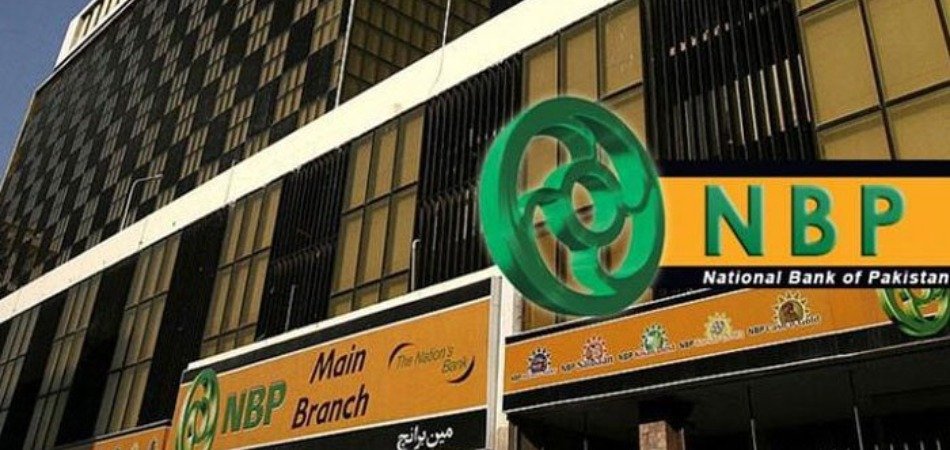
National Bank Of Pakistan Announces Latest Exchange Rates

KARACHI — The Treasury Management Division of the National Bank of Pakistan (NBP) released the latest exchange rates on Saturday, providing updated buying and selling rates for a range of international currencies. These rates are crucial for businesses, travelers, and financial analysts who rely on accurate currency conversions for transactions and economic assessments. What Happened The National Bank of Pakistan’s Treasury Management Division published the exchange rates for various currencies on July 11. The rates, which are set to influence financial transactions across the country, include both telegraphic transfer (TT) buying and selling rates. The US Dollar, a key currency in international trade, is listed at a selling rate of 278.45 and a buying rate of 277.95. Similarly, the Euro is priced at 318.79 for selling and 318.22 for buying. Other major currencies include the British Pound, which has a selling rate of 374.21 and a buying rate of 373.53, and the Japanese Yen, with rates of 1.7236 for selling and 1.7205 for buying. The Swiss Franc is listed at 346.40 for selling and 345.78 for buying, while the Canadian Dollar is priced at 196.82 and 196.47, respectively. The Australian Dollar’s rates are 193.80 for selling and 193.46 for buying. Additional currencies such as the Swedish Krona, Norwegian Krone, Danish Krone, and others are also included, providing a comprehensive overview of the current exchange landscape. The conversion rates for frozen foreign currency deposits are also specified, with the US Dollar at 272.0266, the British Pound at 372.9727, the Euro at 317.8678, and the Japanese Yen at 1.7125. These rates are set for settlement on July 14, 2026. Background The National Bank of Pakistan, as one of the country’s leading financial institutions, plays a pivotal role in setting exchange rates that impact both domestic and international economic activities. Exchange rates are determined by a variety of factors, including market demand and supply, international trade balances, and economic policies. Historically, fluctuations in these rates have had significant impacts on Pakistan’s economy, influencing everything from import/export costs to inflation rates. NBP’s regular updates on exchange rates are part of its broader mandate to ensure transparency and stability in the financial sector. These rates are closely monitored by businesses engaged in international trade, as well as by individuals planning travel or investment abroad. Why It Matters The announcement of exchange rates by NBP is significant for several reasons. Firstly, it affects the cost of international trade, which is a vital component of Pakistan’s economy. Importers and exporters rely on these rates to calculate the cost of goods and services, impacting pricing strategies and profit margins. For instance, a stronger US Dollar against the Pakistani Rupee can increase the cost of imports, leading to higher prices for consumers. Secondly, exchange rates influence foreign investment. A stable and predictable exchange rate environment can attract foreign investors, who seek to minimize currency risk. This can lead to increased capital inflows, boosting economic growth and development. Moreover, exchange rates have a direct impact on inflation. A depreciating Rupee can lead to higher import costs, contributing to inflationary pressures. This is particularly relevant in the context of recent increases in petrol and diesel prices, which have already strained household budgets. Finally, the exchange rates are crucial for individuals who remit money abroad or receive remittances from overseas. Accurate and favorable rates can significantly affect the amount of money received or sent, influencing household finances and spending power. Key Takeaways NBP released updated exchange rates for a variety of international currencies. The US Dollar is listed at a selling rate of 278.45 and a buying rate of 277.95. Exchange rates impact international trade, foreign investment, and inflation. The rates are crucial for businesses, travelers, and individuals involved in remittances. NBP’s updates ensure transparency and stability in the financial sector. Source Attribution This article is based on official government statements, press releases, and public communications from relevant authorities. Author: NEN Editorial Desk | Editor: NEN Newsroom | Fact Checked By: NEN Editorial Team Author: NEN Editorial Desk  |  Editor: NEN Newsroom  |  Last Updated: July 11, 2026  |  Source: NEN Reporter This article was produced by the NEN Editorial Desk in accordance with NEN Agency’s Editorial Policy and Fact-Checking Policy.

World

Gold Price Declines By Rs1,400 Per Tola In Local Markets

LAHORE — The price of gold experienced a significant decline in both global and local markets on July 10, with a notable drop of Rs1,400 per tola in Pakistan. This decrease comes amid fluctuations in international gold prices, which saw a reduction of $14, bringing the price to $4,100 per ounce. What Happened The local bullion market in Pakistan reported a substantial decrease in the price of gold, which now stands at Rs432,436 per tola following the Rs1,400 reduction. Additionally, the price of ten grams of gold has decreased by Rs1,200, settling at Rs370,744. In contrast, the price of silver per tola has seen a slight increase, rising by Rs11 to Rs6,432. This recent adjustment in gold prices comes after a previous increase noted just a day earlier. On the prior day, the price of 24-carat gold per tola had surged by Rs3,600, reaching Rs433,836, while the price for ten grams of gold had increased by Rs3,086 to Rs371,944. During that period, the price of silver per tola remained stable at Rs6,421. The fluctuations in gold prices are influenced by various factors, including changes in the global economic environment, currency exchange rates, and investor sentiment. The recent drop in gold prices reflects a broader trend observed in international markets, where gold prices have been subject to volatility amid shifting economic conditions. Background Gold has long been considered a safe-haven asset, particularly during times of economic uncertainty. Its price is influenced by a myriad of factors, including geopolitical tensions, inflation rates, and changes in interest rates. Historically, gold prices tend to rise during periods of economic instability as investors seek to protect their wealth. In Pakistan, the gold market is heavily influenced by international trends, given that the country imports a significant portion of its gold. Local prices are often reflective of global market movements, adjusted for currency exchange rates and local demand. Over the past year, gold prices have experienced considerable volatility, driven by global economic challenges, including the COVID-19 pandemic, inflationary pressures, and geopolitical tensions. These factors have contributed to fluctuating investor confidence, impacting both the demand and price of gold. Why It Matters The decline in gold prices has significant implications for various stakeholders, including investors, jewelers, and consumers. For investors, the drop in gold prices may present an opportunity to purchase gold at a lower cost, potentially increasing demand in the short term. However, continued volatility in gold prices could pose risks for those looking to invest in the precious metal as a stable asset. For jewelers and businesses involved in the gold trade, fluctuating prices can impact profitability and inventory management. A decrease in gold prices may encourage consumer purchases, benefiting retailers, but it can also lead to challenges in pricing and stock valuation. Consumers, particularly those planning to purchase gold for weddings or other cultural events, may find the reduced prices advantageous. Gold holds cultural significance in Pakistan, often being given as gifts or used in traditional ceremonies, making its affordability a matter of interest for many families. On a broader scale, the movement of gold prices can reflect underlying economic conditions. A decrease in gold prices might suggest a stabilization of economic factors or a shift in investor confidence towards other asset classes. Monitoring these trends can provide insights into the economic health and future outlook for both Pakistan and the global market. Key Takeaways The price of gold in Pakistan has decreased by Rs1,400 per tola, now standing at Rs432,436. International gold prices have fallen by $14, reaching $4,100 per ounce. The price of ten grams of gold has decreased by Rs1,200 to Rs370,744. Silver prices have increased slightly, with a rise of Rs11 per tola to Rs6,432. Fluctuations in gold prices impact investors, jewelers, and consumers, reflecting broader economic conditions. Source Attribution This article is based on official government statements, press releases, and public communications from relevant authorities. Author: NEN Editorial Desk | Editor: NEN Newsroom | Fact Checked By: NEN Editorial Team Author: NEN Editorial Desk  |  Editor: NEN Newsroom  |  Last Updated: July 11, 2026  |  Source: NEN Reporter This article was produced by the NEN Editorial Desk in accordance with NEN Agency’s Editorial Policy and Fact-Checking Policy.

World

ICCI Calls for Comprehensive Regulatory Reforms to Boost Business Environment

ISLAMABAD — The Islamabad Chamber of Commerce and Industry (ICCI) has called on the government to initiate extensive regulatory reforms to enhance the business climate in Pakistan. Acting President of ICCI, Tahir Ayub, emphasized the need for a strategic overhaul to improve the ease of doing business, reduce compliance costs, and attract both domestic and international investors. What Happened During a recent meeting with various stakeholders, Tahir Ayub, Acting President of the ICCI, highlighted the pressing need for the government to implement a robust regulatory reform agenda. Ayub pointed out that the current regulatory framework poses significant challenges to businesses, particularly in terms of compliance costs and bureaucratic hurdles. He argued that these factors deter potential investors and stifle economic growth. Ayub stated, “A comprehensive regulatory reform agenda is crucial for creating a conducive business environment that can attract both local and foreign investments.” He further urged the government to streamline processes and eliminate unnecessary regulations that burden businesses. The ICCI’s call for reforms comes at a time when Pakistan is striving to improve its ranking in the World Bank’s Ease of Doing Business Index. The ICCI also highlighted the importance of digital transformation in regulatory processes, suggesting that technology could play a vital role in reducing red tape and enhancing transparency. By adopting digital solutions, the government could significantly cut down the time and cost associated with business registrations and compliance. Background Pakistan has historically faced challenges in creating a business-friendly environment due to complex regulatory frameworks and bureaucratic inefficiencies. In recent years, the government has made efforts to improve the situation, such as introducing reforms in taxation and business registration processes. However, these measures have not yet fully addressed the underlying issues that hinder business operations. The World Bank’s Ease of Doing Business Index has been a key benchmark for assessing the business environment in Pakistan. Despite some improvements, the country still ranks low in areas such as starting a business, dealing with construction permits, and enforcing contracts. These rankings reflect the need for more comprehensive and sustained reform efforts. Why It Matters The call for regulatory reforms by the ICCI is significant given the current economic challenges facing Pakistan. With inflation on the rise and a need for economic diversification, creating a favorable business environment is crucial for attracting investments that can drive growth and create jobs. Regulatory reforms could lead to increased foreign direct investment (FDI), which is essential for boosting the country’s economic prospects. Moreover, improving the ease of doing business can have a direct impact on small and medium enterprises (SMEs), which are vital for economic development. By reducing compliance costs and simplifying regulatory processes, SMEs can operate more efficiently and contribute to economic growth. Internationally, a better business environment can enhance Pakistan’s competitiveness in the global market. As neighboring countries continue to improve their business climates, Pakistan must keep pace to attract investors who are increasingly looking for stable and efficient markets. Key Takeaways The ICCI has urged the government to implement comprehensive regulatory reforms to improve the business environment. Key areas of focus include reducing compliance costs, streamlining processes, and embracing digital transformation. Regulatory reforms are crucial for attracting domestic and foreign investments and improving Pakistan’s ranking in the Ease of Doing Business Index. Improving the business climate can significantly benefit SMEs and contribute to economic growth. A favorable business environment is essential for enhancing Pakistan’s competitiveness in the global market. Source Attribution This article is based on official government statements, press releases, and public communications from relevant authorities. Author: NEN Editorial Desk | Editor: NEN Newsroom | Fact Checked By: NEN Editorial Team Author: NEN Editorial Desk  |  Editor: NEN Newsroom  |  Last Updated: July 11, 2026  |  Source: NEN Reporter This article was produced by the NEN Editorial Desk in accordance with NEN Agency’s Editorial Policy and Fact-Checking Policy.

Scroll to Top