
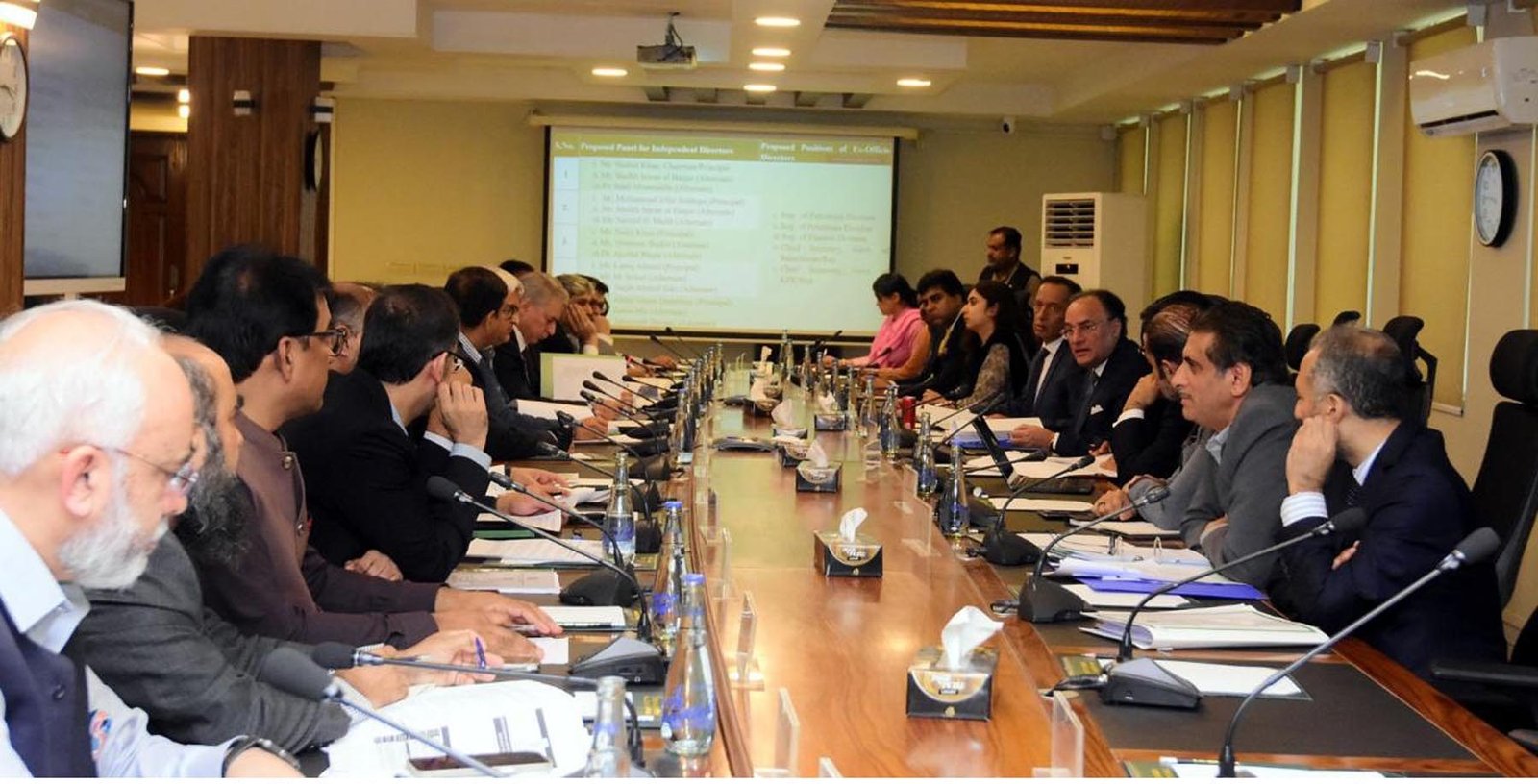
ISLAMABAD — The Cabinet Committee on State-Owned Enterprises (CCoSOEs) has decided to remove the Small and Medium Enterprises Development Authority (SMEDA) from the list of State-Owned Enterprises (SOEs). This decision, announced on Thursday, also includes a directive to the Petroleum Division to revise its proposal concerning exemptions from international financial reporting standards (IFRS) for certain energy sector SOEs.
What Happened
The CCoSOEs, in its recent meeting, took the significant step of delisting SMEDA from the roster of SOEs. The decision reflects a strategic move to streamline the list of entities considered as state-owned, potentially altering the operational and financial oversight mechanisms applicable to SMEDA. The committee also addressed the Petroleum Division’s proposal, which sought exemptions for specific energy sector SOEs from adhering to IFRS. The CCoSOEs instructed the division to reassess and modify its proposal to align with broader financial transparency and accountability goals.
The decision to delist SMEDA is part of a broader governmental effort to redefine the scope and management of public sector enterprises. SMEDA, established to foster the growth of small and medium enterprises in Pakistan, will now operate outside the regulatory framework typically applied to SOEs. This change may impact its funding, governance, and operational strategies.
In parallel, the directive to revise the IFRS exemption proposal underscores the government’s commitment to maintaining international financial standards. By revisiting the proposal, the CCoSOEs aims to ensure that any exemptions granted do not compromise the integrity and transparency of financial reporting within the energy sector.
Background
SMEDA was established in 1998 with the primary objective of promoting and facilitating the development of small and medium enterprises in Pakistan. As an SOE, it has been subject to specific regulatory and financial oversight designed to ensure accountability and efficient use of resources. The CCoSOEs, responsible for overseeing the performance and governance of SOEs, periodically reviews the list of entities classified under this category to ensure alignment with strategic national interests.
International Financial Reporting Standards are globally recognized accounting standards that ensure transparency, accountability, and efficiency in financial markets. The Petroleum Division’s proposal for exemptions reflects the unique challenges faced by energy sector SOEs, which often operate under different financial and operational constraints compared to other industries.
Why It Matters
The removal of SMEDA from the SOE list is a pivotal development with several implications for the SME sector in Pakistan. By operating outside the SOE framework, SMEDA may gain greater flexibility in its operations, allowing it to adopt more innovative and responsive strategies to support SMEs. However, this also means that SMEDA will need to ensure robust internal governance to maintain transparency and accountability without the direct oversight typically provided to SOEs.
For the energy sector, the revision of the IFRS exemption proposal is crucial. Adherence to international financial standards is vital for attracting foreign investment and maintaining investor confidence. By revisiting the proposal, the government signals its intent to uphold these standards, thereby enhancing the credibility and attractiveness of Pakistan’s energy sector to international investors.
Overall, these decisions reflect a broader governmental strategy to optimize the management and performance of public sector entities, ensuring they contribute effectively to national economic goals while adhering to international best practices.
Key Takeaways
- The CCoSOEs has removed SMEDA from the list of State-Owned Enterprises.
- The Petroleum Division is instructed to revise its IFRS exemption proposal for energy sector SOEs.
- SMEDA’s delisting may enhance its operational flexibility but requires strong internal governance.
- Revising the IFRS proposal underscores the importance of financial transparency in the energy sector.
- These decisions align with the government’s strategy to optimize public sector enterprise management.
Source Attribution
This article is based on official government statements, press releases, and public communications from relevant authorities.














