
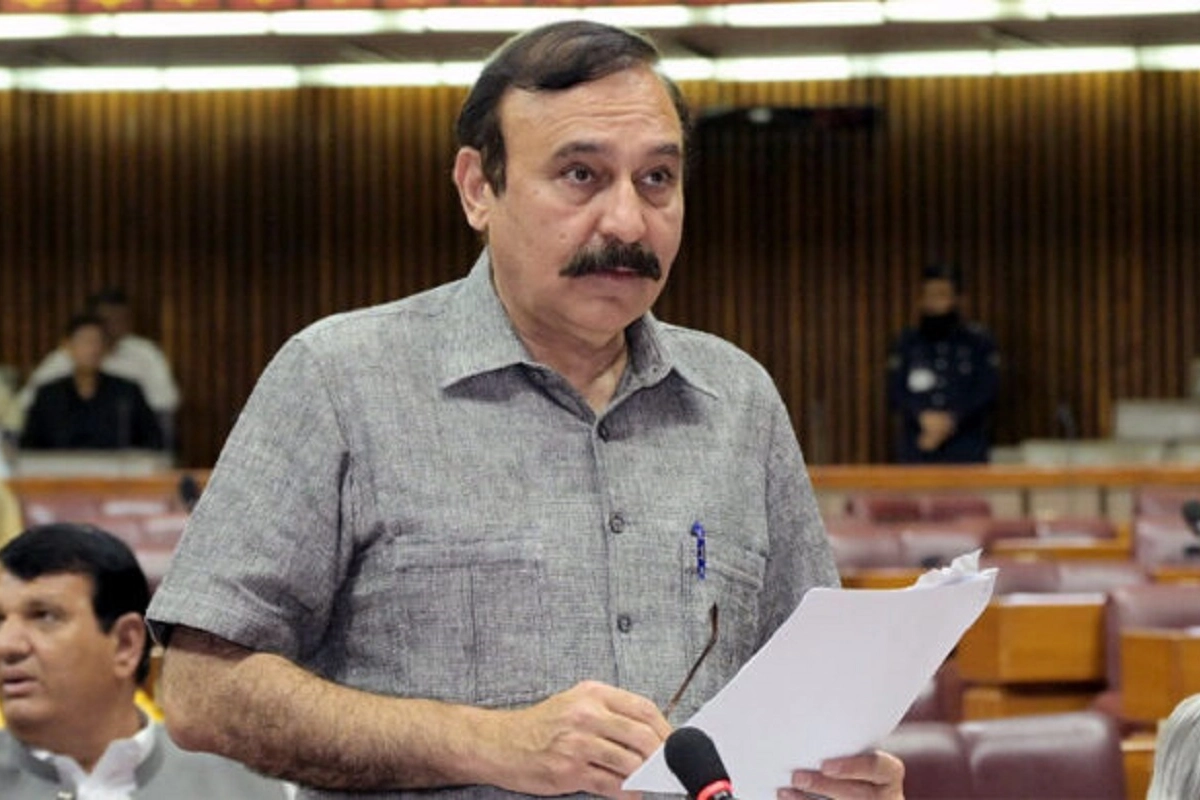
ISLAMABAD — The Capital Development Authority (CDA) is set to digitize its property transfer system to bolster transparency and combat fraudulent activities, as informed by Federal Minister for Parliamentary Affairs Tariq Fazal Chaudhry in the National Assembly on Thursday.
What Happened
During a session of the National Assembly, Federal Minister for Parliamentary Affairs Tariq Fazal Chaudhry announced the CDA’s plan to digitize its property transfer system. This initiative is part of a broader effort to ensure transparency and prevent fraudulent practices within the property sector. Chaudhry emphasized that the existing formal mechanism for property transfers would be strictly adhered to, with the new digital system enhancing the process’s efficiency and reliability.
Chaudhry highlighted the importance of this move, noting that digitization would not only streamline operations but also provide a robust framework to safeguard against fraud. “The digitization of the property transfer system is a crucial step towards ensuring transparency and protecting the rights of property owners,” he stated. The minister assured the assembly that the CDA is committed to implementing this system effectively, with a focus on maintaining public trust and confidence.
The transition to a digital system is expected to include the development of an online portal where property transactions can be processed with greater speed and accuracy. This portal will allow stakeholders, including property owners and potential buyers, to access necessary information and complete transactions without the need for physical visits to CDA offices, thus reducing the potential for corruption and errors.
Background
The Capital Development Authority, established in 1960, is responsible for municipal services in Islamabad, including the regulation of property transfers. Over the years, the CDA has faced criticism for inefficiencies and allegations of corruption within its operations. The digitization of the property transfer system is seen as a response to these challenges, aiming to modernize the authority’s processes and improve service delivery.
Historically, property transactions in Pakistan have been plagued by issues such as fraudulent documentation and lengthy bureaucratic procedures. The introduction of a digital system aligns with broader governmental efforts to embrace technology in public administration, as seen in other sectors like tax collection and public service delivery.
Why It Matters
The digitization of the CDA’s property transfer system holds significant implications for Islamabad’s real estate market and its stakeholders. By reducing the reliance on paper-based processes, the new system is expected to cut down on the time and resources required for property transactions, making the market more accessible and efficient.
For property owners, this initiative promises enhanced security and peace of mind, as digital records are less susceptible to tampering compared to traditional paper documents. This move could also attract more investors to the Islamabad property market, as a transparent and efficient system reduces the perceived risks associated with property investments.
On a broader scale, the digitization effort reflects Pakistan’s commitment to leveraging technology for governance improvements. As the country continues to modernize its infrastructure, such initiatives are critical in fostering an environment conducive to economic growth and development. The success of the CDA’s digital transformation could serve as a model for other municipal bodies across Pakistan, encouraging similar reforms nationwide.
Key Takeaways
- The CDA is digitizing its property transfer system to enhance transparency and prevent fraud.
- This initiative is part of a broader governmental effort to modernize public administration through technology.
- The digital system will streamline property transactions, reducing time and resources required.
- Property owners and investors are expected to benefit from increased security and market efficiency.
- The success of this initiative could inspire similar reforms across Pakistan’s municipal bodies.
Source Attribution
This article is based on official government statements, press releases, and public communications from relevant authorities.














