
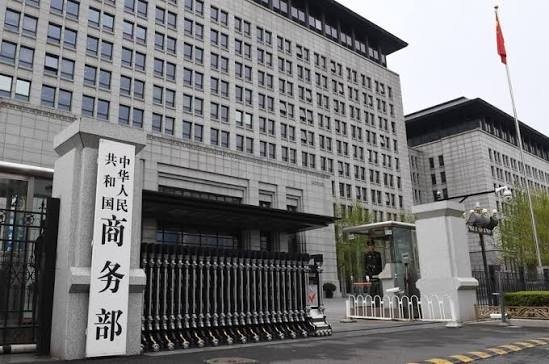
BEIJING — China has announced the extension of anti-dumping duties on single-mode optical fiber imports from India for an additional five years, effective from August 14, 2026. The Ministry of Commerce confirmed the decision on Thursday, citing the need to protect domestic industries from unfair pricing practices.
What Happened
The Ministry of Commerce of China declared that the anti-dumping duties on Indian optical fibers, which were initially imposed to counteract the dumping of products at below-market prices, will continue for another five years. This decision comes after a thorough review process that began earlier this year, aimed at assessing the potential impact of lifting these duties on the domestic market.
According to the ministry, the extension of duties is intended to prevent material injury to the Chinese optical fiber industry. The duties were first imposed in 2014 and have been renewed periodically based on evaluations of market conditions and the behavior of Indian exporters. A spokesperson for the Ministry of Commerce stated, “The continuation of these duties is essential to ensure fair competition and to protect our domestic producers from the adverse effects of dumping.”
The duties apply specifically to single-mode optical fibers, which are crucial components in telecommunications infrastructure. These fibers are used extensively in high-speed internet networks and other communication systems, making them a significant part of the technology supply chain.
Background
Anti-dumping duties are trade policy tools that countries use to protect their domestic industries from foreign companies selling products at unfairly low prices. China first imposed these duties on Indian optical fibers in 2014, following an investigation that revealed Indian manufacturers were selling optical fibers in the Chinese market at prices lower than their normal value.
Since then, the duties have been reviewed and extended multiple times. The last extension occurred in 2021, when the duties were renewed for five years. These measures align with China’s broader trade policy objectives to safeguard its industries against what it perceives as unfair trade practices.
India, on the other hand, has contested these duties, arguing that they are protectionist measures that hinder free trade. The Indian government has previously sought consultations with China through the World Trade Organization (WTO) to resolve the issue.
Why It Matters
The extension of anti-dumping duties on Indian optical fibers is significant for several reasons. Economically, it underscores the ongoing trade tensions between two of Asia’s largest economies. The duties are likely to impact Indian manufacturers, who may face reduced market access and increased costs in exporting to China.
For China, maintaining these duties is a strategic move to bolster its domestic optical fiber industry, ensuring it remains competitive against foreign imports. This decision reflects China’s broader economic strategy to support local industries and reduce dependency on foreign products, particularly in critical sectors like telecommunications.
On an international level, the extension of these duties may influence trade relations between India and China, potentially leading to further disputes or negotiations at the WTO. It also highlights the challenges of balancing free trade with protective measures in a globalized economy.
For consumers and businesses within China, the continuation of duties could mean stable pricing and supply of optical fibers, as domestic producers are shielded from aggressive pricing tactics by foreign competitors. However, it could also lead to higher prices if domestic production cannot meet demand efficiently.
Key Takeaways
- China extends anti-dumping duties on Indian optical fiber imports for five more years starting August 14, 2026.
- The decision aims to protect China’s domestic optical fiber industry from unfair pricing practices.
- These duties have been in place since 2014 and have been periodically reviewed and renewed.
- The extension may impact India-China trade relations and could lead to further WTO consultations.
- The move reflects China’s broader strategy to support local industries and reduce foreign dependency.
Source Attribution
This article is based on official government statements, press releases, and public communications from relevant authorities.














