
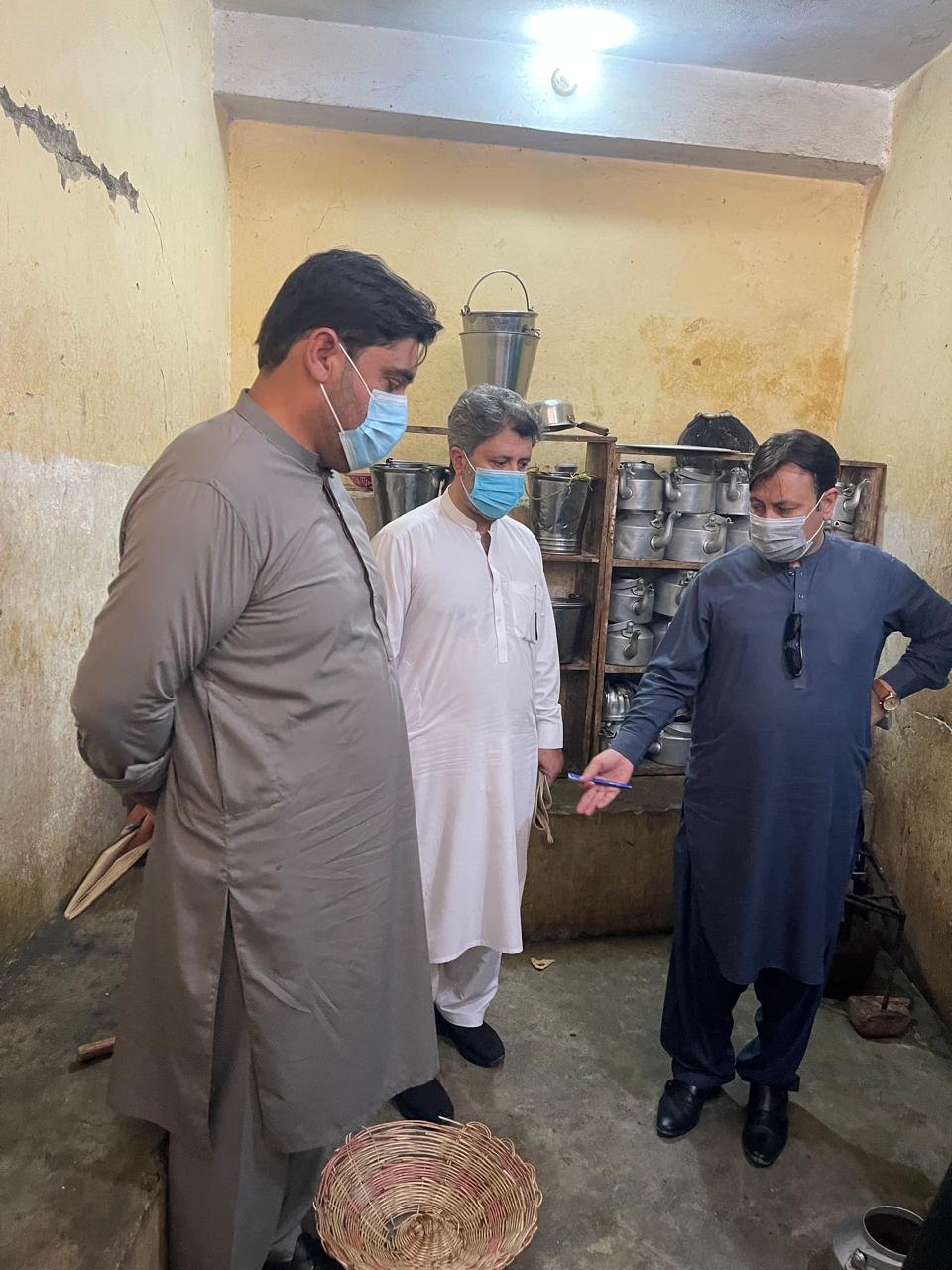
PESHAWAR — An investigative team from the Integrated Disease Surveillance and Response Strategy (IDSRS) has reported one confirmed and seven suspected cases of cholera in Dir Lower, following a field visit to a local religious seminary. The visit, conducted on August 1, aimed to identify the causes of the outbreak and assess the situation in the union council of Khall.
What Happened
The IDSRS team, tasked with examining the health conditions in Dir Lower, discovered several cases of cholera among students at a religious seminary. The inspection revealed one confirmed case and seven other individuals exhibiting symptoms consistent with cholera. This prompted immediate health interventions to prevent further spread of the disease.
The investigation highlighted significant issues with water safety and sanitation in the area, which are critical factors in the transmission of cholera. The team conducted a thorough assessment of the local water sources and sanitation facilities, identifying them as potential contributors to the outbreak.
Cholera, an acute diarrheal illness caused by infection of the intestine with Vibrio cholerae bacteria, can spread rapidly in areas with inadequate water treatment, poor sanitation, and insufficient hygiene practices. The disease is primarily transmitted through contaminated water and food.
Local health authorities have been alerted, and measures are being implemented to improve water quality and sanitation in the affected areas. Public health officials are also conducting awareness campaigns to educate the community about preventive measures and the importance of maintaining hygiene to control the spread of the disease.
Background
Cholera outbreaks are not uncommon in Pakistan, particularly in regions with limited access to clean water and sanitation facilities. The country has experienced several cholera outbreaks in the past, often exacerbated by monsoon rains that can lead to flooding and contamination of water supplies.
Dir Lower, like many rural areas in Pakistan, faces challenges related to infrastructure and public health services. The lack of adequate sanitation facilities and clean drinking water has been a persistent issue, contributing to the spread of waterborne diseases such as cholera.
The government of Pakistan, along with international health organizations, has been working to improve water and sanitation infrastructure across the country. However, many remote areas still struggle with these basic necessities, making them vulnerable to outbreaks of diseases like cholera.
Why It Matters
The emergence of cholera cases in Dir Lower underscores the ongoing public health challenges faced by rural communities in Pakistan. The outbreak highlights the urgent need for improved water and sanitation infrastructure to prevent the spread of waterborne diseases.
Cholera can have severe health implications, particularly for vulnerable populations such as children and the elderly. Rapid response and effective management are crucial to controlling outbreaks and preventing fatalities. The situation in Dir Lower serves as a reminder of the importance of maintaining rigorous disease surveillance and response systems to detect and address public health threats promptly.
Economically, outbreaks of diseases like cholera can strain local healthcare systems and divert resources from other critical areas. They can also impact community productivity and well-being, as affected individuals may be unable to work or attend school during illness.
On a broader scale, addressing the root causes of cholera outbreaks, such as inadequate sanitation and unsafe water, is essential for achieving sustainable development goals related to health and well-being. The situation in Dir Lower calls for coordinated efforts from government agencies, health organizations, and local communities to improve living conditions and reduce the risk of future outbreaks.
Key Takeaways
- One confirmed and seven suspected cholera cases have been identified in Dir Lower.
- Inadequate water safety and sanitation are significant factors in the outbreak.
- Local health authorities are taking measures to improve water quality and sanitation.
- Cholera outbreaks highlight the need for better infrastructure in rural Pakistan.
- Addressing these issues is crucial for public health and economic stability.
Source Attribution
This article is based on official government statements, press releases, and public communications from relevant authorities.














