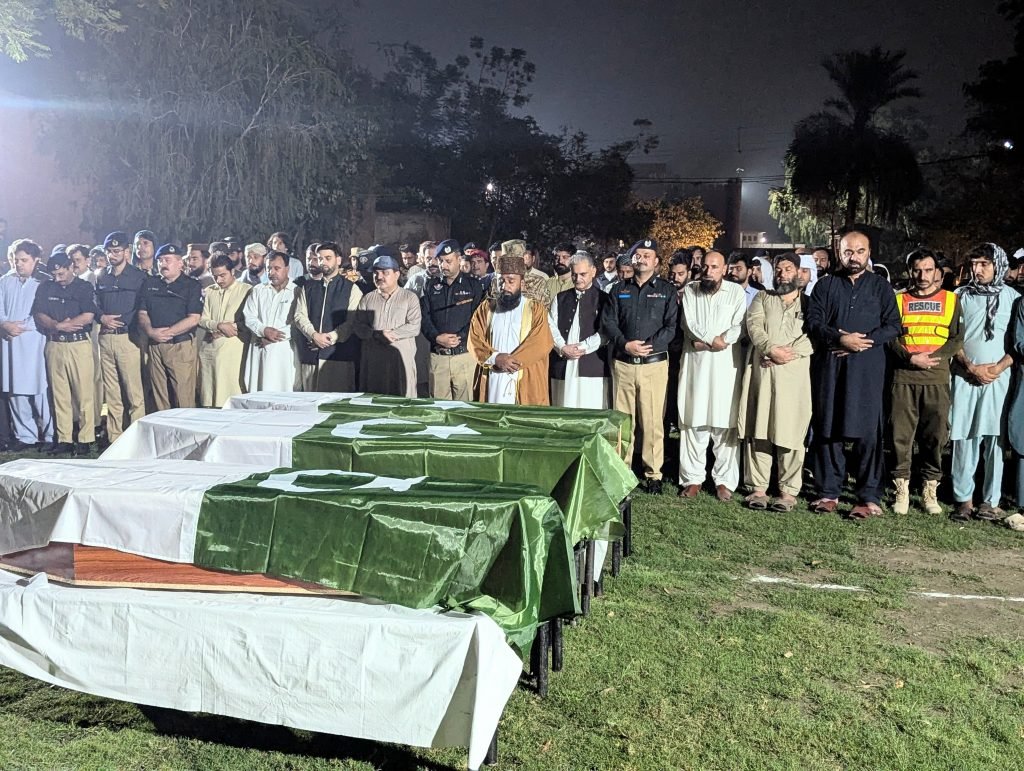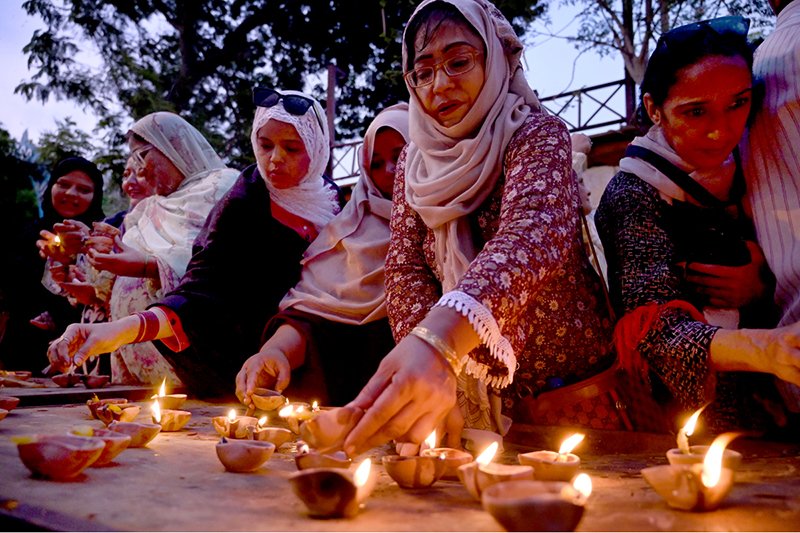
KARACHI — Members of civil society gathered outside the Karachi Press Club on Tuesday evening to hold a vigil in protest against the recent killing of labourers in Balochistan. The demonstrators lit earthen lamps to commemorate the victims and to call for justice and accountability.
What Happened
The protest was organized in response to the tragic killing of several labourers in Balochistan, a province that has witnessed ongoing violence and unrest. The demonstrators, comprising various civil society groups, human rights activists, and concerned citizens, assembled at the Karachi Press Club, a traditional venue for public demonstrations and expressions of dissent in the city.
The participants lit earthen lamps, a symbolic gesture to honor the deceased and to shed light on the plight of labourers who often work under perilous conditions in remote areas of the country. The gathering was peaceful, with participants holding placards and banners demanding justice for the victims and urging the authorities to take swift action against those responsible for the killings.
One of the organizers, speaking on condition of anonymity, stated, “We are here to show solidarity with the families of the victims and to demand that the government take concrete steps to ensure the safety and security of labourers across the country.” The protestors called for enhanced security measures and better protection for workers, particularly those employed in conflict-prone regions.
Background
Balochistan has long been a hotspot for violence, with various insurgent groups operating in the region. The province, rich in natural resources, has seen frequent attacks on infrastructure and personnel, often targeting workers involved in development projects. These attacks have been attributed to separatist elements who oppose the central government’s policies and demand greater autonomy for the region.
The killing of labourers in Balochistan is not an isolated incident. Over the years, numerous workers have fallen victim to such violence, highlighting the ongoing security challenges faced by those working in the province. The government has repeatedly vowed to improve security and bring perpetrators to justice, but the cycle of violence continues to claim lives.
Why It Matters
The killing of labourers in Balochistan has significant implications for Pakistan’s socio-economic and political landscape. Economically, the province is vital due to its natural resources and strategic location, which are crucial for national development projects, including the China-Pakistan Economic Corridor (CPEC). Continued violence poses a threat to these projects, potentially deterring investment and slowing economic growth.
Socially, the repeated targeting of labourers exacerbates the sense of insecurity and marginalization felt by the local population. It highlights the need for comprehensive strategies to address the root causes of violence, including poverty, lack of education, and political disenfranchisement. Ensuring the safety of workers is essential for fostering trust and cooperation between the government and the local communities.
Politically, the situation in Balochistan remains a sensitive issue. The government’s ability to maintain law and order in the province is crucial for national stability. Failure to protect citizens and bring perpetrators to justice undermines public confidence in the state’s capacity to govern effectively, potentially fueling further unrest.
Key Takeaways
- Civil society in Karachi held a vigil to protest the killing of labourers in Balochistan.
- The protest highlighted the ongoing security challenges faced by workers in conflict-prone regions.
- Balochistan’s violence threatens economic projects and national stability.
- Addressing the root causes of violence is essential for long-term peace and development.
- The government’s response to such incidents is critical for maintaining public trust.
Source Attribution
This article is based on official government statements, press releases, and public communications from relevant authorities.