
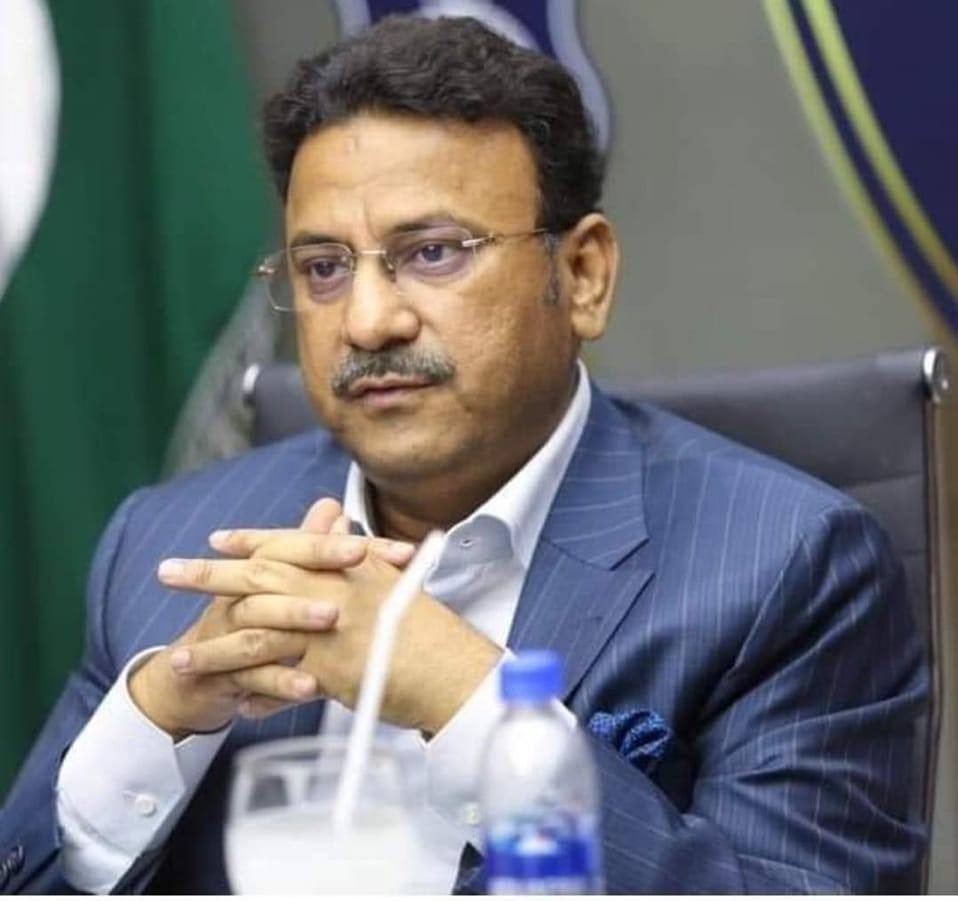
ISLAMABAD — Sindh Minister for Home and Law, Zia-ul-Hassan Lanjar, emphasized the necessity of collaborative efforts among the government, judiciary, civil society, and relevant institutions to effectively address critical issues such as women’s rights and child protection. Speaking at a recent forum, Lanjar highlighted the limitations of government efforts alone in resolving these complex social challenges.
What Happened
During a recent address, Sindh Minister for Home and Law, Zia-ul-Hassan Lanjar, underscored the importance of a united approach to tackle pressing issues related to women’s rights and child protection in Pakistan. Lanjar pointed out that challenges such as inheritance deprivation, guardianship, and the provision of legal aid require a concerted effort from multiple sectors, including the judiciary and civil society organizations. He stated, “These issues cannot be resolved through government efforts alone,” highlighting the critical role of collaboration in creating sustainable solutions.
Lanjar’s remarks come amid ongoing discussions about improving the legal and social frameworks that support vulnerable populations in Pakistan. He called for enhanced cooperation between governmental bodies and non-governmental organizations to ensure that policies are effectively implemented and reach those in need. The minister also stressed the importance of involving local communities in these efforts to ensure that solutions are culturally sensitive and practically applicable.
Background
Women’s rights and child protection have long been areas of concern in Pakistan, with various social, cultural, and legal challenges impeding progress. Historically, issues such as inheritance rights for women, child labor, and access to education have been persistent problems. Despite legislative measures aimed at addressing these issues, implementation remains inconsistent, often due to lack of resources and societal resistance.
In recent years, there has been a push from both domestic and international organizations to strengthen the legal frameworks protecting women and children. The government has enacted several laws, such as the Sindh Child Protection Authority Act and the Protection Against Harassment of Women at the Workplace Act, to address these issues. However, enforcement and public awareness continue to be significant hurdles.
Why It Matters
The call for joint efforts by Minister Lanjar is significant as it highlights the multifaceted nature of social issues in Pakistan. Women’s rights and child protection are not only human rights concerns but also impact the socio-economic development of the country. When women and children are protected and empowered, they contribute positively to the economy and society at large.
Economically, ensuring women’s rights can lead to increased participation in the workforce, which is crucial for Pakistan’s economic growth. Socially, protecting children and ensuring their rights can lead to a more educated and healthy future generation. Politically, addressing these issues can enhance Pakistan’s international standing and fulfill its commitments to global human rights standards.
The minister’s emphasis on collaboration is a recognition of the complexity of these problems, which require input and action from various stakeholders. Effective collaboration can lead to more comprehensive policies, better resource allocation, and stronger advocacy efforts. It also fosters a sense of shared responsibility among different sectors of society, which is essential for long-term change.
Key Takeaways
- Sindh Minister Zia-ul-Hassan Lanjar calls for collaborative efforts to address women’s rights and child protection.
- Government efforts alone are insufficient; involvement of judiciary, civil society, and local communities is crucial.
- Historical challenges in Pakistan include inheritance rights, child labor, and access to education.
- Enhanced collaboration can lead to socio-economic benefits and improve Pakistan’s international human rights standing.
- Effective policy implementation requires cultural sensitivity and practical applicability.
Source Attribution
This article is based on official government statements, press releases, and public communications from relevant authorities.














