
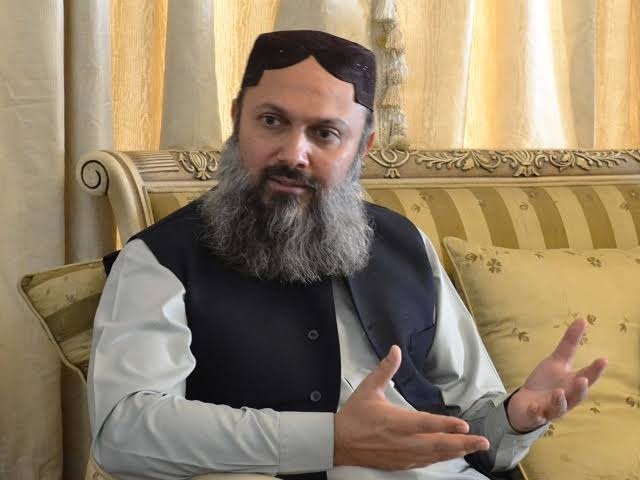
ISLAMABAD — Federal Minister for Commerce Jam Kamal Khan on Friday emphasized the need to strengthen economic ties between Pakistan and Egypt through enhanced trade and investment partnerships. He highlighted the potential for collaboration in joint production, technology cooperation, and the establishment of regional value chains.
What Happened
In a statement issued on Friday, Federal Minister Jam Kamal Khan called for a transformation in the economic relationship between Pakistan and Egypt. The minister underscored the importance of leveraging the existing diplomatic ties to foster a robust economic partnership. He pointed out that both countries stand to gain significantly from increased trade and investment, which could lead to mutual economic growth and development.
Minister Khan noted that Pakistan and Egypt have historically enjoyed cordial relations, but there is a pressing need to translate this goodwill into tangible economic benefits. He proposed initiatives that focus on joint production and technology cooperation, which could be pivotal in enhancing the industrial capabilities of both nations. The minister also stressed the importance of integrating regional value chains, which could facilitate easier market access and boost competitiveness on a global scale.
According to Minister Khan, the strategic geographical locations of Pakistan and Egypt offer unique opportunities for connecting regional markets. By capitalizing on these advantages, both countries can enhance their roles as key players in regional trade dynamics. He urged stakeholders from both nations to engage in dialogue and explore avenues for collaboration, particularly in sectors like textiles, agriculture, and technology.
Background
Pakistan and Egypt have maintained diplomatic relations since the mid-20th century, with both countries often supporting each other on international platforms. Historically, their economic interactions have been limited, primarily focusing on bilateral trade in goods such as textiles, rice, and cotton. However, recent global economic shifts have highlighted the need for more diversified and strategic partnerships.
The governments of both countries have previously expressed interest in expanding economic ties, but concrete actions have been sporadic. The current call by Minister Khan is part of a broader strategy to revitalize these efforts and establish a more structured economic framework. This initiative aligns with Pakistan’s ongoing efforts to diversify its trade partners and reduce dependency on traditional markets.
Why It Matters
The call for a stronger economic partnership between Pakistan and Egypt is significant for several reasons. Economically, it presents an opportunity for both countries to diversify their trade portfolios and reduce reliance on traditional markets. By engaging in joint production and technology cooperation, Pakistan and Egypt can enhance their industrial capacities and competitiveness.
Socially, stronger trade ties could lead to job creation and economic development in both countries, improving living standards and reducing poverty. Politically, enhanced economic relations could solidify diplomatic ties and promote regional stability. Such partnerships can also serve as a model for other countries in the region, encouraging collaborative economic growth.
On an international level, the collaboration could position Pakistan and Egypt as key players in regional trade networks, potentially influencing trade policies and economic strategies in the broader Middle East and South Asia regions. This strategic positioning could attract further foreign investment and open new markets for both countries.
Key Takeaways
- Federal Minister Jam Kamal Khan calls for stronger Pakistan-Egypt economic ties.
- Focus areas include trade, investment, joint production, and technology cooperation.
- Historical relations between the two countries provide a foundation for economic growth.
- Enhanced ties could lead to job creation and regional stability.
- The partnership could position both countries as key players in regional trade networks.
Source Attribution
This article is based on official government statements and public communications from relevant authorities.














