
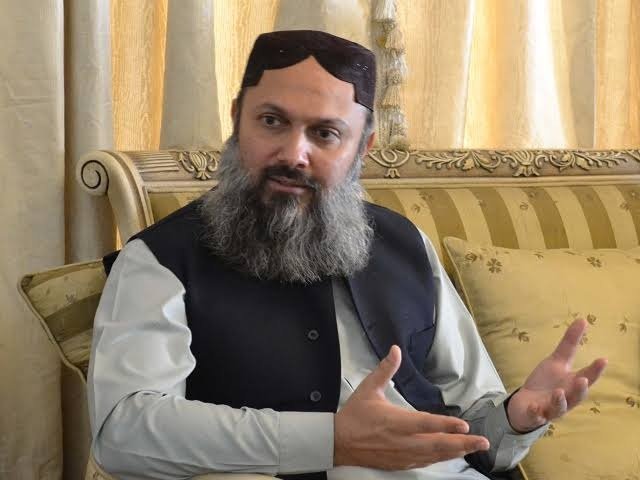
ISLAMABAD — Federal Minister for Commerce Jam Kamal Khan, alongside Director General (Textile) Mudassar Raza Siddiqi, convened a meeting with the Pakistan Carpet Manufacturers and Exporters Association (PCMEA) to discuss strategies for enhancing the export competitiveness of Pakistan’s hand-knotted carpet industry. The meeting, held on July 24, aimed to identify policy measures to bolster the industry’s presence in international markets.
What Happened
The meeting was attended by key stakeholders from the carpet industry, including the PCMEA delegation led by its Patron. During the discussions, Minister Jam Kamal Khan emphasized the importance of increasing the global footprint of Pakistan’s hand-knotted carpets, which are renowned for their intricate designs and craftsmanship. The minister highlighted the need for innovative marketing strategies and improved production techniques to meet international standards.
Director General (Textile) Mudassar Raza Siddiqi outlined potential policy measures that could support the industry’s growth, such as providing financial incentives, facilitating access to international markets, and enhancing the skills of artisans through targeted training programs. The PCMEA representatives expressed optimism about the government’s commitment to addressing the challenges faced by the industry.
Minister Khan noted, “Our hand-knotted carpets are a testament to Pakistan’s rich cultural heritage. By implementing effective policies, we can significantly increase our exports and contribute to the national economy.” The meeting concluded with a consensus on the need for a collaborative approach between the government and industry stakeholders to achieve the desired export targets.
Background
Pakistan’s hand-knotted carpet industry has a long-standing history, with its roots tracing back to the Mughal era. The industry has traditionally been a significant contributor to the country’s export earnings, providing employment to thousands of artisans across the nation. However, in recent years, the industry has faced challenges such as increased competition from other countries, changing consumer preferences, and a lack of modern production facilities.
To address these issues, the government has been working on various initiatives to support the textile and carpet sectors. These include the introduction of export incentives, the establishment of training centers for artisans, and efforts to improve the quality and branding of Pakistani carpets in international markets.
Why It Matters
The hand-knotted carpet industry is a vital component of Pakistan’s economy, with significant potential for growth in exports. Enhancing the competitiveness of this sector can lead to increased foreign exchange earnings, job creation, and the preservation of traditional craftsmanship. By focusing on quality improvement and market expansion, Pakistan can position itself as a leading exporter of high-quality carpets.
Economically, boosting carpet exports can help reduce the trade deficit and contribute to the country’s GDP. Socially, it can provide stable employment opportunities, particularly in rural areas where many artisans reside. Politically, strengthening this industry aligns with the government’s broader goals of economic diversification and sustainable development.
Internationally, a robust hand-knotted carpet industry can enhance Pakistan’s reputation as a producer of premium quality goods, attracting more buyers and investors. By capitalizing on its unique cultural heritage, Pakistan can differentiate its products in a competitive global market.
Key Takeaways
- Commerce Minister Jam Kamal Khan held a meeting with PCMEA to discuss export strategies for hand-knotted carpets.
- The focus is on enhancing competitiveness through policy measures and improved production techniques.
- The hand-knotted carpet industry is crucial for Pakistan’s economy, offering significant export potential.
- Efforts to boost exports can lead to economic growth, job creation, and preservation of cultural heritage.
- International market expansion can improve Pakistan’s global standing as a quality carpet producer.
Source Attribution
This article is based on official government statements, press releases, and public communications from relevant authorities.














