
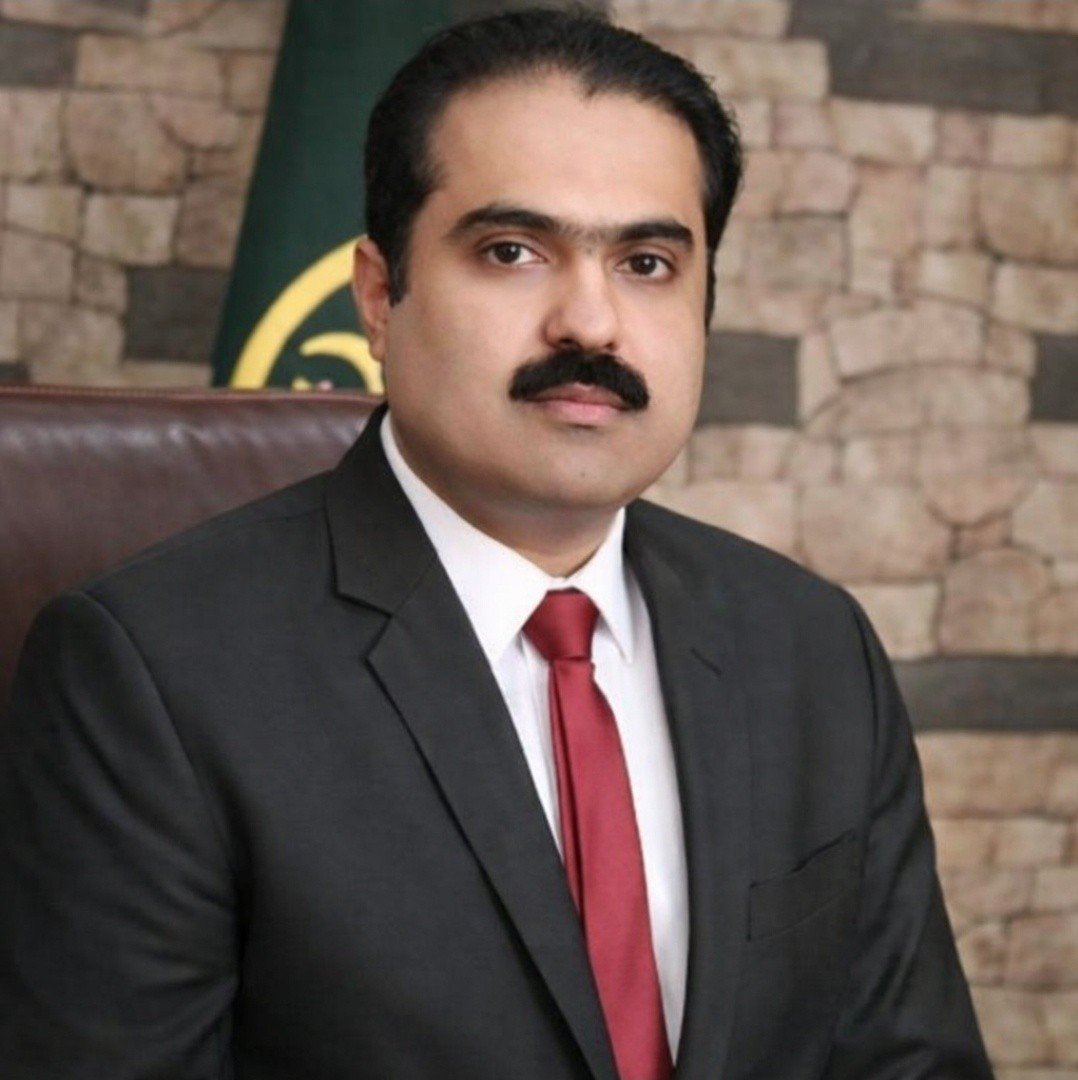
BAHAWALPUR — Commissioner Irfan Ali Kathia, along with Deputy Commissioner Syed Hasan Raza, conducted an inspection of the Maryam Nawaz Health Clinic and the Water Filtration Plant in Basti Bahawalpur Ghulwan on Tuesday. The visit aimed to assess the quality of healthcare and access to clean drinking water for local residents.
What Happened
During the visit, Commissioner Irfan Ali Kathia and Deputy Commissioner Syed Hasan Raza engaged with the staff and reviewed the operational status of the Maryam Nawaz Health Clinic. The clinic, which serves a significant portion of the local population, was evaluated for its capacity to provide essential medical services. Commissioner Kathia emphasized the importance of maintaining high standards of healthcare and ensuring that the clinic is equipped with necessary medical supplies and personnel.
Following the clinic visit, the officials proceeded to the Water Filtration Plant in Basti Bahawalpur Ghulwan. The plant is a critical infrastructure project aimed at providing clean and safe drinking water to the community. Commissioner Kathia inspected the filtration processes and discussed with plant operators the measures in place to ensure water quality. He noted the importance of regular maintenance and timely upgrades to the filtration systems to prevent any disruptions in service.
Commissioner Kathia remarked, “Access to clean water and quality healthcare are fundamental rights of every citizen. We are committed to improving these facilities to meet the needs of our people.”
Background
The Maryam Nawaz Health Clinic has been operational for several years, providing primary healthcare services to the residents of Bahawalpur. It is part of a network of clinics established to enhance healthcare accessibility in rural and semi-urban areas of Pakistan. The Water Filtration Plant, on the other hand, was inaugurated as part of a government initiative to address water scarcity and quality issues in the region.
Historically, the Bahawalpur district has faced challenges related to healthcare infrastructure and water supply. Efforts have been made over the years to improve these essential services, with varying degrees of success. The local administration has been working to bridge gaps in service delivery through targeted interventions and investments.
Why It Matters
The inspection by Commissioner Irfan Ali Kathia underscores the ongoing efforts by local authorities to address critical infrastructure needs in Bahawalpur. Access to healthcare and clean drinking water are pivotal for improving public health outcomes and enhancing the quality of life for residents.
Economically, the provision of reliable healthcare and water services can reduce the burden of disease and improve productivity, contributing to the overall development of the region. Socially, these services are vital for ensuring equity and reducing disparities in access to essential resources.
Politically, the government’s commitment to improving basic services can bolster public trust and support for local administrations. It is crucial for authorities to demonstrate accountability and responsiveness to the needs of their constituents.
Internationally, Pakistan’s efforts to improve public health infrastructure align with global sustainable development goals, particularly those related to health and clean water. Successful implementation of such projects can enhance Pakistan’s reputation as a country committed to improving the well-being of its citizens.
Key Takeaways
- Commissioner Irfan Ali Kathia and Deputy Commissioner Syed Hasan Raza inspected healthcare and water facilities in Bahawalpur.
- The Maryam Nawaz Health Clinic and Water Filtration Plant are essential for local residents’ access to healthcare and clean water.
- Ensuring high standards in these facilities is crucial for public health and socio-economic development.
- The visit highlights the government’s commitment to improving basic services in rural and semi-urban areas.
- These efforts align with global sustainable development goals related to health and clean water.
Source Attribution
This article is based on official government statements, press releases, and public communications from relevant authorities.














