
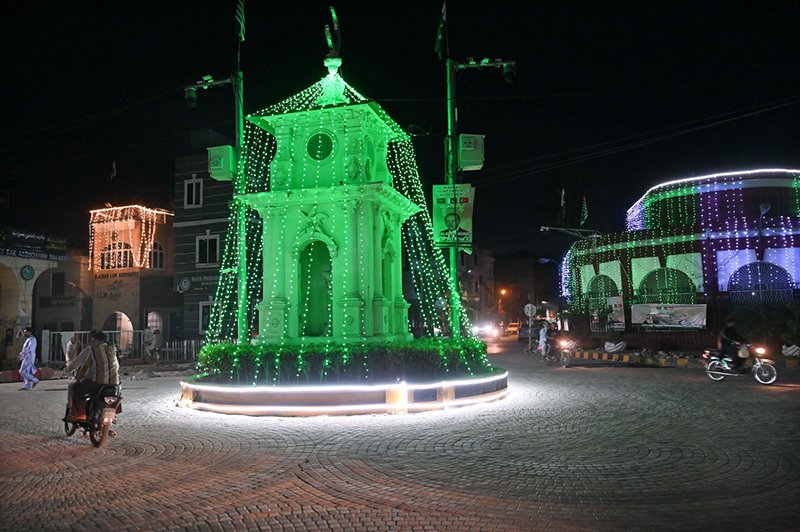
ISLAMABAD — The district administration has embellished the Courthouse and Deputy Commissioner’s Office with colorful lanterns as part of the Independence Day celebrations, bringing a festive atmosphere to the heart of the city.
What Happened
In a vibrant display of patriotism, the district administration took the initiative to decorate the Courthouse and Deputy Commissioner’s Office with an array of colorful lanterns. This effort is part of the broader Independence Day celebrations taking place across the country. The lanterns, which have been strategically placed to enhance the aesthetic appeal of these central government buildings, symbolize the spirit of freedom and unity that Independence Day represents.
According to a spokesperson from the district administration, the decorations are intended to inspire a sense of national pride among citizens. “The colorful lanterns are not just decorations; they are a representation of our nation’s vibrant culture and history,” the spokesperson stated. The initiative has been well-received by the public, with many residents expressing their appreciation for the festive atmosphere it creates.
The lighting of the lanterns was accompanied by a small ceremony attended by local officials and community leaders. During the event, speeches were made highlighting the significance of Independence Day and the sacrifices made by the nation’s forefathers to achieve freedom. The ceremony concluded with a rendition of the national anthem, further instilling a sense of patriotism among attendees.
Background
Independence Day in Pakistan is celebrated annually on August 14, marking the day in 1947 when Pakistan gained independence from British rule. The day is a public holiday, and it is celebrated with various events, including flag-hoisting ceremonies, parades, and cultural performances. Government buildings, streets, and public spaces are often decorated with lights and flags, creating a festive environment throughout the country.
The tradition of decorating public buildings with lights and other adornments has been a longstanding practice in Pakistan, symbolizing the joy and pride associated with the country’s independence. Each year, different themes and designs are employed to keep the celebrations fresh and engaging for the public.
Why It Matters
The decoration of the Courthouse and Deputy Commissioner’s Office with colorful lanterns is more than just an aesthetic enhancement; it is a reflection of the country’s rich cultural heritage and a reminder of the unity and resilience of the Pakistani people. Such initiatives play a crucial role in fostering national pride and unity, especially in a diverse nation like Pakistan, where multiple ethnicities and cultures coexist.
By celebrating Independence Day with such vigor, the district administration not only honors the past but also encourages future generations to appreciate the freedoms they enjoy. The decorations serve as a visual reminder of the struggles and sacrifices made by those who fought for the country’s independence, reinforcing the importance of preserving and cherishing these freedoms.
Moreover, these celebrations have a positive impact on the local economy. The increased foot traffic in decorated areas often benefits local businesses, as residents and tourists alike are drawn to the festive displays. This can lead to increased sales for local vendors and contribute to the overall economic activity in the region.
Key Takeaways
- The district administration has decorated the Courthouse and Deputy Commissioner’s Office with colorful lanterns for Independence Day.
- The decorations aim to inspire national pride and celebrate Pakistan’s cultural heritage.
- Independence Day is celebrated on August 14, commemorating Pakistan’s freedom from British rule in 1947.
- Such initiatives foster unity and remind citizens of the sacrifices made for independence.
- The festive atmosphere can positively impact local businesses and the economy.
Source Attribution
This article is based on official government statements, press releases, and public communications from relevant authorities.














