
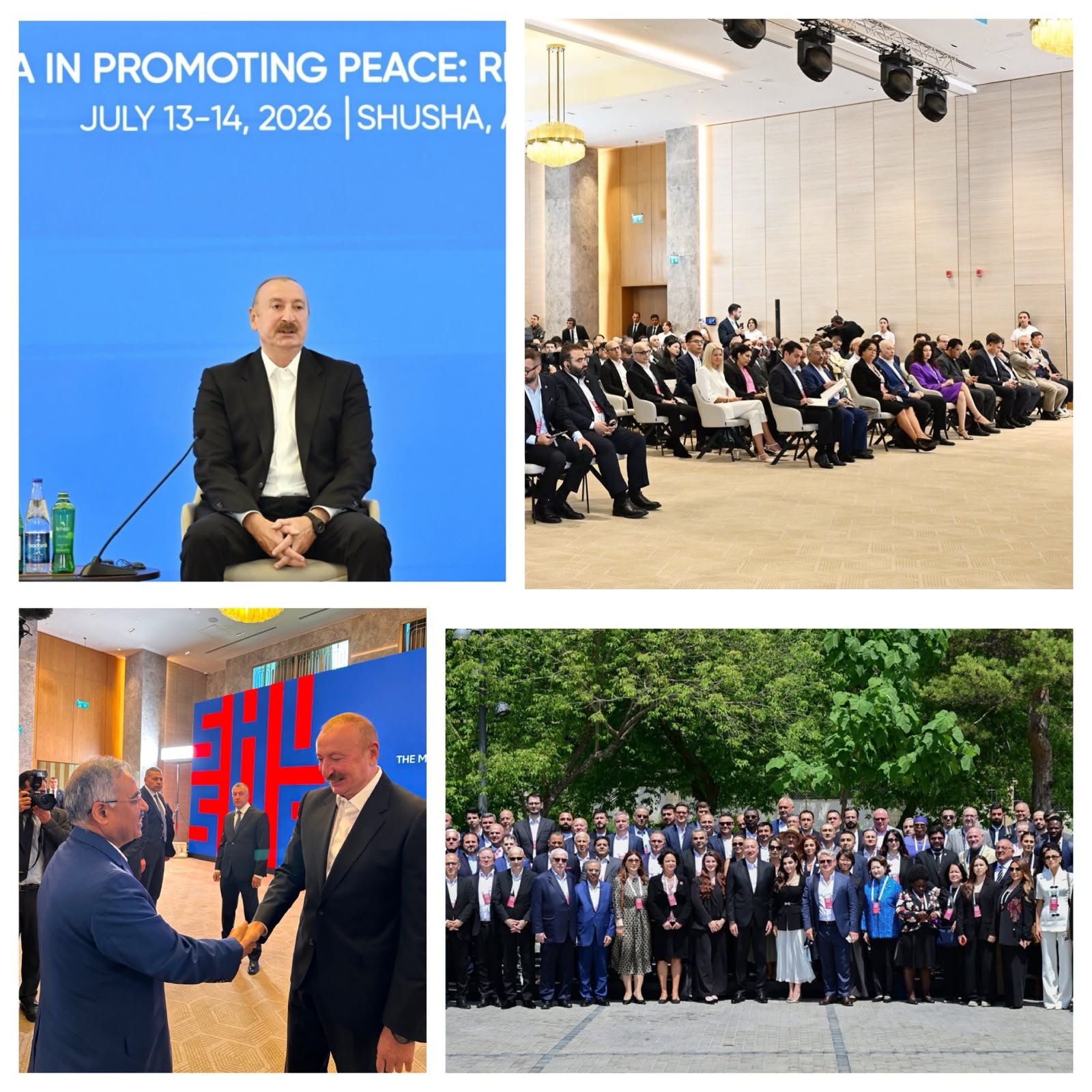
ISLAMABAD — The Secretary-General of the Developing-8 Organization for Economic Cooperation (D-8), Ambassador Sohail Mahmood, has called for greater media collaboration among member states during his address at the Shusha Global Media Forum. On July 16, Ambassador Sohail outlined his vision for the D-8 Media Excellence Center, aiming to foster innovation, capacity-building, and ethical journalism across the member nations.
What Happened
At the 4th Shusha Global Media Forum, Ambassador Sohail Mahmood led the D-8 delegation and emphasized the critical role of media in shaping public opinion and fostering mutual understanding among the D-8 countries. He highlighted the necessity for a cohesive media strategy that can address the challenges of misinformation and promote accurate reporting. The forum, attended by media professionals and representatives from various countries, provided a platform for discussing the evolving dynamics of global media and its impact on international relations.
Ambassador Sohail proposed the establishment of the D-8 Media Excellence Center, which would serve as a hub for media innovation and capacity-building. He stated, “The center will be pivotal in enhancing the skills of media professionals and ensuring adherence to ethical journalism standards.” The initiative aims to facilitate the exchange of best practices among member states and develop a network of media professionals committed to promoting factual and unbiased reporting.
The forum also addressed the challenges posed by digital transformation and the proliferation of social media platforms, which have significantly altered the media landscape. Participants discussed strategies to leverage these platforms for positive engagement and counter the spread of misinformation.
Background
The Developing-8 Organization for Economic Cooperation, commonly known as D-8, was established in 1997 to enhance economic cooperation among eight developing countries: Bangladesh, Egypt, Indonesia, Iran, Malaysia, Nigeria, Pakistan, and Turkey. The organization focuses on promoting sustainable development through collaboration in various sectors, including trade, agriculture, and industry.
The Shusha Global Media Forum is an annual event that brings together media professionals, policymakers, and academics to discuss the challenges and opportunities in the global media landscape. The forum aims to foster dialogue and cooperation among different stakeholders to improve the quality and impact of media worldwide.
Why It Matters
The call for enhanced media cooperation among D-8 member states is significant in the context of increasing global challenges such as misinformation, fake news, and media polarization. By fostering collaboration, the D-8 aims to create a unified media front that can effectively address these issues and promote accurate information dissemination.
For Pakistan, as a member of the D-8, this initiative presents an opportunity to strengthen its media sector by adopting best practices from other member states. It can lead to improved journalism standards and greater public trust in media institutions. Furthermore, the establishment of the D-8 Media Excellence Center could position Pakistan as a leader in media innovation and ethical journalism within the region.
On an international level, enhanced media cooperation among D-8 countries could contribute to a more balanced representation of developing nations in the global media narrative. It can help counter stereotypes and provide a platform for diverse voices and perspectives, thus promoting a more inclusive and equitable global discourse.
Key Takeaways
- Ambassador Sohail Mahmood calls for stronger media cooperation among D-8 member states at the Shusha Global Media Forum.
- The proposed D-8 Media Excellence Center aims to foster innovation, capacity-building, and ethical journalism.
- Enhanced media collaboration can help address challenges like misinformation and promote accurate reporting.
- Pakistan stands to benefit from improved journalism standards and greater public trust in media institutions.
- Internationally, the initiative could lead to a more balanced representation of developing nations in global media.
Source Attribution
This article is based on official government statements, press releases, and public communications from relevant authorities.














