
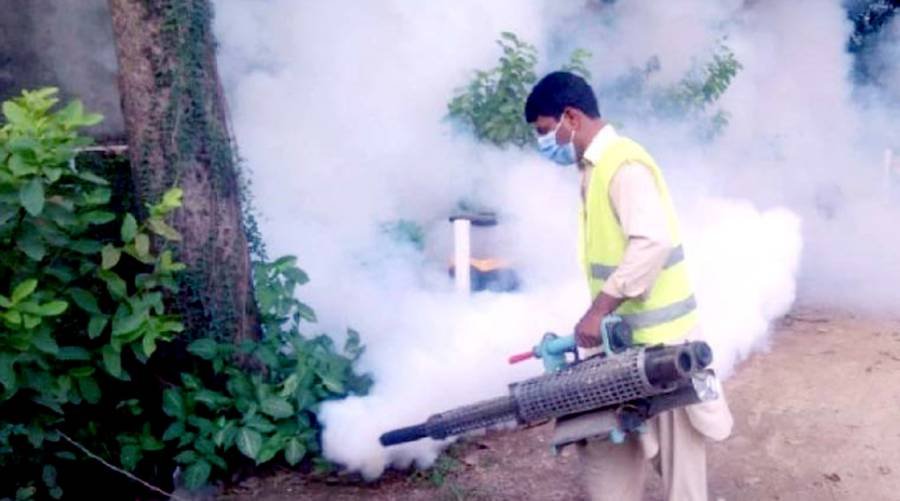
ISLAMABAD — In a concerted effort to curb the spread of dengue fever, Islamabad’s district administration has arrested 20 individuals and sealed two private offices for violating dengue prevention protocols. The campaign, aimed at mitigating the mosquito-borne disease, was conducted across various sectors of the federal capital.
What Happened
The Islamabad district administration intensified its anti-dengue operations, targeting locations where dengue larvae were detected and where standard operating procedures (SOPs) for prevention were repeatedly ignored. A spokesman for the Islamabad Capital Territory (ICT) administration confirmed the arrests and office closures as part of ongoing efforts to prevent dengue outbreaks.
Assistant Commissioners led inspections in several sectors and commercial areas, focusing on individuals and businesses contributing to conditions conducive to dengue breeding. In sectors G-7, G-8, G-9, and the Blue Area, Assistant Commissioner City arrested seven people for violating dengue prevention measures. Additionally, two private offices were sealed due to repeated non-compliance with dengue SOPs, and one individual was detained.
In another operation, Assistant Commissioner Industrial Area conducted inspections at various sites, resulting in the detention of 10 individuals. Positive dengue larvae were discovered at a private university, leading to the arrest of a university staff member. Similarly, larvae were found at a petrol station in Sector I-10, where one person was taken into custody for further legal action.
Assistant Commissioner Potohar also carried out an operation in Sector H-13, arresting two individuals for failing to adhere to dengue prevention regulations. The district administration emphasized the importance of continued inspections across Islamabad to enforce compliance with dengue control guidelines.
Background
Dengue fever, a mosquito-borne viral infection, poses significant public health challenges in Pakistan, particularly during the monsoon season when mosquito breeding is rampant. The disease is transmitted by the Aedes aegypti mosquito, which thrives in urban environments. Historically, Pakistan has experienced periodic dengue outbreaks, prompting health authorities to implement rigorous prevention and control measures.
In recent years, the government has intensified efforts to combat dengue through public awareness campaigns, community engagement, and strict enforcement of health regulations. The district administration’s current campaign is part of these broader efforts to reduce the incidence of dengue and protect public health.
Why It Matters
The district administration’s crackdown on dengue-related violations underscores the critical need for stringent public health measures to prevent the spread of the disease. Dengue fever can lead to severe health complications and even fatalities if not effectively managed. By arresting violators and sealing non-compliant offices, the authorities aim to send a strong message about the importance of adhering to dengue prevention protocols.
This campaign holds significant implications for public health in Islamabad and beyond. Effective dengue control not only reduces the immediate health risks associated with the disease but also alleviates the long-term burden on healthcare systems. The economic impact of dengue, including healthcare costs and lost productivity, further highlights the importance of proactive measures.
Moreover, the campaign’s success relies heavily on public cooperation. Residents, businesses, and institutions must actively participate in identifying and eliminating mosquito breeding sites to support the administration’s efforts. The Deputy Commissioner of Islamabad has called for collective action, urging all stakeholders to maintain cleanliness and comply with health guidelines.
Key Takeaways
- Islamabad’s district administration arrested 20 individuals and sealed two offices for dengue SOP violations.
- Operations targeted areas with detected dengue larvae and non-compliance with prevention measures.
- Dengue fever poses significant health risks, necessitating strict public health interventions.
- Public cooperation is crucial for identifying mosquito breeding sites and supporting dengue control efforts.
- The campaign aims to reduce the health and economic impacts of dengue in Islamabad.
Source Attribution
This article is based on official government statements, press releases, and public communications from relevant authorities.














