
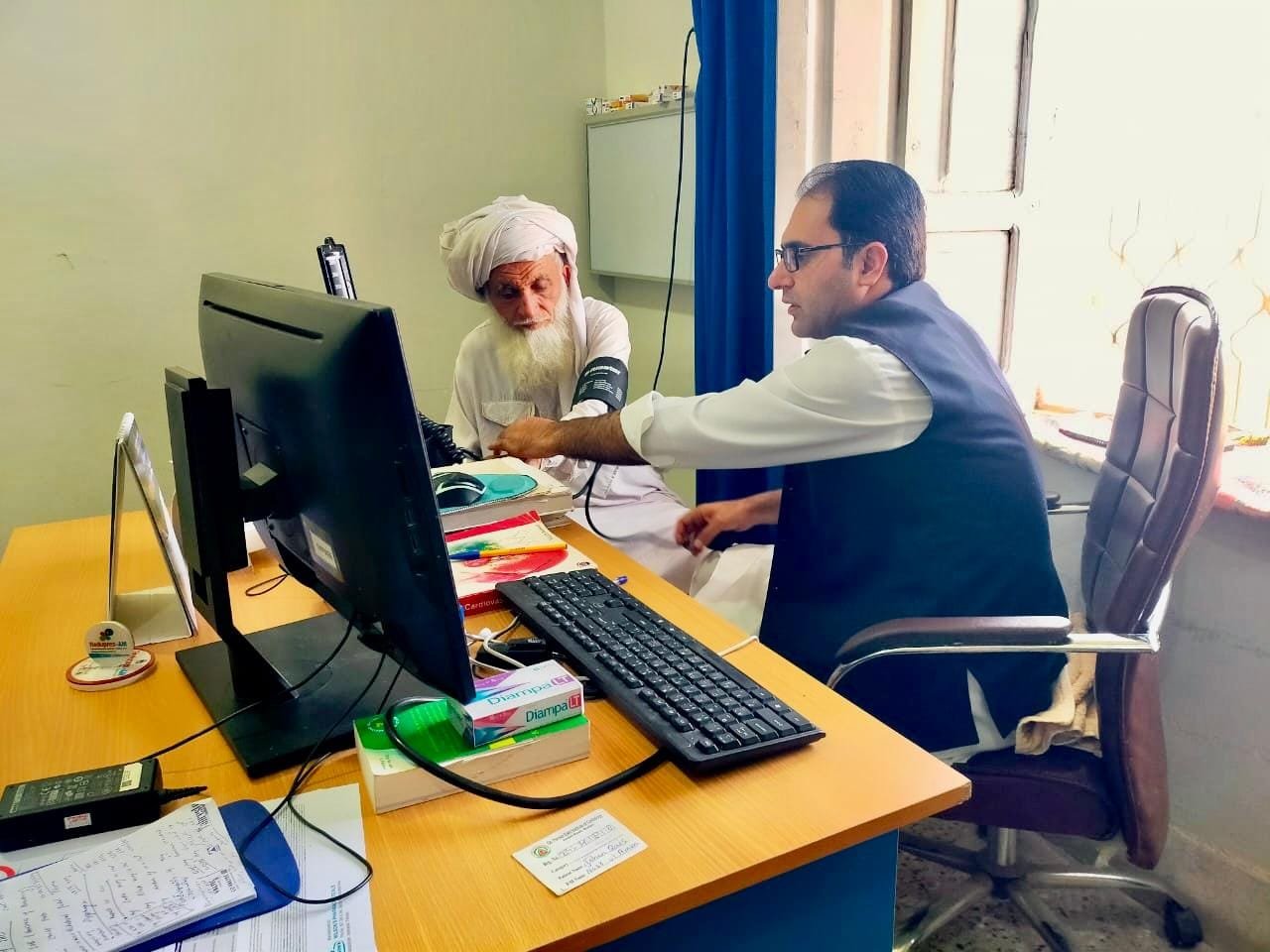
WANA — The District Headquarters (DHQ) Hospital in Wana has undergone significant improvements in management and infrastructure, establishing itself as a leading healthcare institution in South Waziristan. The transformation is attributed to enhanced governance, upgraded medical facilities, and a patient-centred approach, according to official sources.
What Happened
In recent months, the DHQ Hospital Wana has seen a series of strategic improvements aimed at elevating the quality of healthcare services provided to the local population. These enhancements include the introduction of advanced medical equipment, the recruitment of specialized medical staff, and the implementation of efficient management practices. The hospital’s administration has focused on creating a more patient-friendly environment, which has contributed to its growing reputation as a trusted healthcare provider in the region.
According to the hospital administration, these changes have led to a notable increase in patient satisfaction and trust. “Our goal was to ensure that the people of South Waziristan have access to quality healthcare services without having to travel long distances,” a hospital official stated. The improvements have also resulted in a higher patient turnover, with more individuals opting for treatment at DHQ Wana rather than seeking medical care in distant urban centres.
The hospital’s upgraded facilities now include a modern emergency department, improved diagnostic services, and expanded inpatient and outpatient services. These developments have been supported by the local government and health authorities, who have recognized the critical need for robust healthcare infrastructure in the region.
Background
South Waziristan, a district in Pakistan’s Khyber Pakhtunkhwa province, has historically faced challenges in healthcare provision due to its remote location and socio-economic conditions. The region has been affected by conflict and instability, which have further complicated efforts to establish reliable healthcare services. In the past, residents often had to travel to larger cities to receive adequate medical treatment, which was both time-consuming and costly.
The government’s recent focus on improving healthcare infrastructure in remote areas is part of a broader strategy to enhance public services and promote regional development. The transformation of DHQ Wana is seen as a pilot project that could serve as a model for similar initiatives in other underserved areas.
Why It Matters
The transformation of DHQ Wana into a trusted healthcare institution holds significant implications for the people of South Waziristan. Access to quality healthcare is a fundamental right, and the improvements at DHQ Wana are a critical step towards ensuring that residents of this remote region can exercise that right. The hospital’s enhanced capabilities mean that patients can receive timely and effective treatment, which is crucial for improving health outcomes and reducing mortality rates in the area.
Economically, the availability of reliable healthcare services can reduce the financial burden on families who previously had to travel long distances for medical care. This can lead to increased economic stability and improved quality of life for residents. Furthermore, the hospital’s success could attract more healthcare professionals to the area, addressing the shortage of skilled medical personnel that has long plagued the region.
Politically, the government’s investment in healthcare infrastructure in South Waziristan demonstrates a commitment to addressing the needs of marginalized communities. This could enhance trust between the government and local populations, fostering a sense of inclusion and participation in national development efforts.
Key Takeaways
- DHQ Wana has significantly improved its healthcare services through better management and upgraded facilities.
- The hospital now offers advanced medical equipment and specialized staff, increasing patient satisfaction.
- The transformation addresses long-standing healthcare access issues in the remote region of South Waziristan.
- Improved healthcare services can reduce the financial burden on families and enhance economic stability.
- The initiative reflects the government’s commitment to improving public services in marginalized areas.
Source Attribution
This article is based on official government statements, press releases, and public communications from relevant authorities.














