
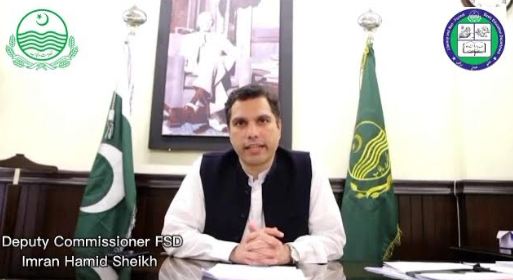
FAISALABAD — Divisional Commissioner Imran Hamid Sheikh has launched a campaign to eliminate the use of plastic in government offices across the Faisalabad Division. This initiative aims to mitigate plastic waste and foster environmentally sustainable practices within public institutions.
What Happened
Commissioner Imran Hamid Sheikh announced the commencement of a comprehensive campaign to transform all government offices in the Faisalabad Division into plastic-free zones. This directive is part of a broader effort to address the environmental challenges posed by plastic waste. Speaking at a press briefing, Commissioner Sheikh emphasized the importance of adopting sustainable practices to protect the environment. “Our goal is to set an example by reducing plastic waste in government offices, which will hopefully inspire other sectors to follow suit,” he stated.
The initiative involves a series of steps aimed at gradually phasing out the use of plastic products, such as single-use plastic bags, bottles, and utensils. Government offices are encouraged to replace these items with eco-friendly alternatives, including reusable bags, glass bottles, and biodegradable utensils. The campaign also includes educational programs to raise awareness among government employees about the environmental impact of plastic waste.
Commissioner Sheikh has instructed all department heads to ensure compliance with the new guidelines and to submit progress reports regularly. “We are committed to making this initiative a success, and it requires the cooperation of all government employees,” he added.
Background
Pakistan has been grappling with the issue of plastic pollution for many years. The country generates millions of tons of plastic waste annually, much of which ends up in landfills, rivers, and oceans. The government has introduced various policies to tackle this problem, including bans on plastic bags in several provinces. However, enforcement remains a challenge, and plastic waste continues to pose significant environmental and health risks.
In recent years, there has been a growing awareness of the need to adopt more sustainable practices. Various government and non-governmental organizations have launched campaigns to reduce plastic usage and promote recycling. The initiative by the Faisalabad Division is part of this broader movement towards environmental sustainability.
Why It Matters
The campaign to make government offices plastic-free is significant for several reasons. Firstly, it sets a precedent for other sectors to follow, demonstrating the government’s commitment to environmental sustainability. By leading by example, government offices can influence public behavior and encourage the adoption of eco-friendly practices across the country.
Secondly, reducing plastic waste is crucial for protecting Pakistan’s natural resources. Plastic pollution has detrimental effects on wildlife, marine ecosystems, and human health. By minimizing plastic usage, the initiative contributes to the preservation of biodiversity and the prevention of pollution-related health issues.
Economically, this move could also stimulate the market for alternative products, creating opportunities for businesses that produce eco-friendly goods. This could lead to job creation and economic growth in sectors focused on sustainability.
Internationally, Pakistan’s efforts to combat plastic pollution align with global environmental goals, such as the United Nations Sustainable Development Goals (SDGs). By taking concrete steps to reduce plastic waste, Pakistan enhances its reputation as a responsible member of the international community committed to addressing environmental challenges.
Key Takeaways
- Faisalabad Division’s government offices are set to become plastic-free zones under a new initiative.
- The campaign aims to reduce plastic waste and promote environmentally friendly practices.
- Government offices will replace plastic items with eco-friendly alternatives.
- This initiative aligns with global efforts to combat plastic pollution and supports sustainable development goals.
- It sets an example for other sectors and could stimulate economic growth in eco-friendly industries.
Source Attribution
This article is based on official government statements, press releases, and public communications from relevant authorities.














