
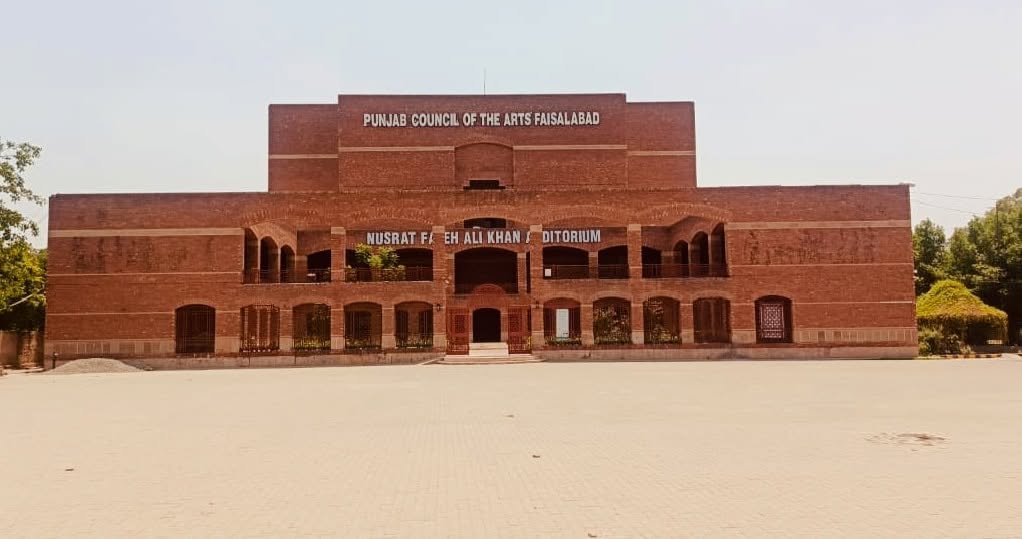
FAISALABAD — The Punjab Council of Arts, Faisalabad Division, organized a photo exhibition on Wednesday to commemorate Exploitation Day, focusing on the challenges faced by the people of Indian Illegally Occupied Jammu and Kashmir (IIOJK).
What Happened
The photo exhibition, held at the Punjab Council of Arts in Faisalabad, showcased a series of images that aimed to bring attention to the ongoing struggles and human rights issues in IIOJK. The event was part of a broader effort to raise awareness about the hardships endured by the Kashmiri people under Indian administration. The exhibition featured photographs depicting various aspects of life in the region, including the impact of military presence, daily life under curfew, and the resilience of the Kashmiri people.
According to organizers, the exhibition was designed to educate the public about the historical and current realities of life in IIOJK. The images, captured by various photographers, provided a visual narrative of the region’s socio-political landscape. A spokesperson for the Punjab Council of Arts stated, “This exhibition is a tribute to the courage of the Kashmiri people and a reminder of the international community’s responsibility to address their plight.”
The event attracted a diverse audience, including students, artists, and local residents, who engaged in discussions about the situation in Kashmir. Attendees expressed solidarity with the Kashmiri people and called for increased international attention to their cause.
Background
The Kashmir conflict has been a long-standing issue between India and Pakistan since the partition in 1947. The region of Jammu and Kashmir has been a flashpoint for military and political tensions, with both countries claiming it in full but controlling only parts. In August 2019, the Indian government revoked Article 370 of its constitution, which granted special autonomy to Jammu and Kashmir, leading to increased unrest and international concern over human rights violations in the region.
Exploitation Day, observed annually, serves as a reminder of the ongoing conflict and the need for a peaceful resolution. It highlights the challenges faced by the Kashmiri people, including restrictions on movement, communication blackouts, and alleged human rights abuses.
Why It Matters
The photo exhibition in Faisalabad is significant as it underscores the cultural and diplomatic efforts within Pakistan to keep the Kashmir issue at the forefront of international discourse. By using art as a medium, the Punjab Council of Arts provides a platform for dialogue and education, aiming to foster greater understanding and empathy for the Kashmiri struggle.
For Pakistan, the Kashmir issue is not only a matter of territorial dispute but also one of human rights and self-determination. The exhibition aligns with Pakistan’s broader strategy to garner international support and pressure India to address the grievances of the Kashmiri people. It also reflects the cultural sector’s role in advocating for political causes and influencing public opinion.
Internationally, events like these serve as a reminder of the unresolved nature of the Kashmir conflict and its potential to affect regional stability in South Asia. The exhibition’s impact extends beyond Pakistan, as it encourages global audiences to consider the humanitarian aspects of the conflict.
Key Takeaways
- The Punjab Council of Arts in Faisalabad hosted a photo exhibition on Exploitation Day to highlight the struggles in IIOJK.
- The exhibition aimed to educate the public on the socio-political issues faced by Kashmiris under Indian administration.
- The event attracted a diverse audience, fostering discussions on the Kashmir conflict and international responsibility.
- The exhibition aligns with Pakistan’s efforts to maintain international focus on the Kashmir issue.
- Art serves as a powerful tool for advocacy and raising awareness about human rights concerns.
Source Attribution
This article is based on official statements and public communications from the Punjab Council of Arts and relevant authorities.














