
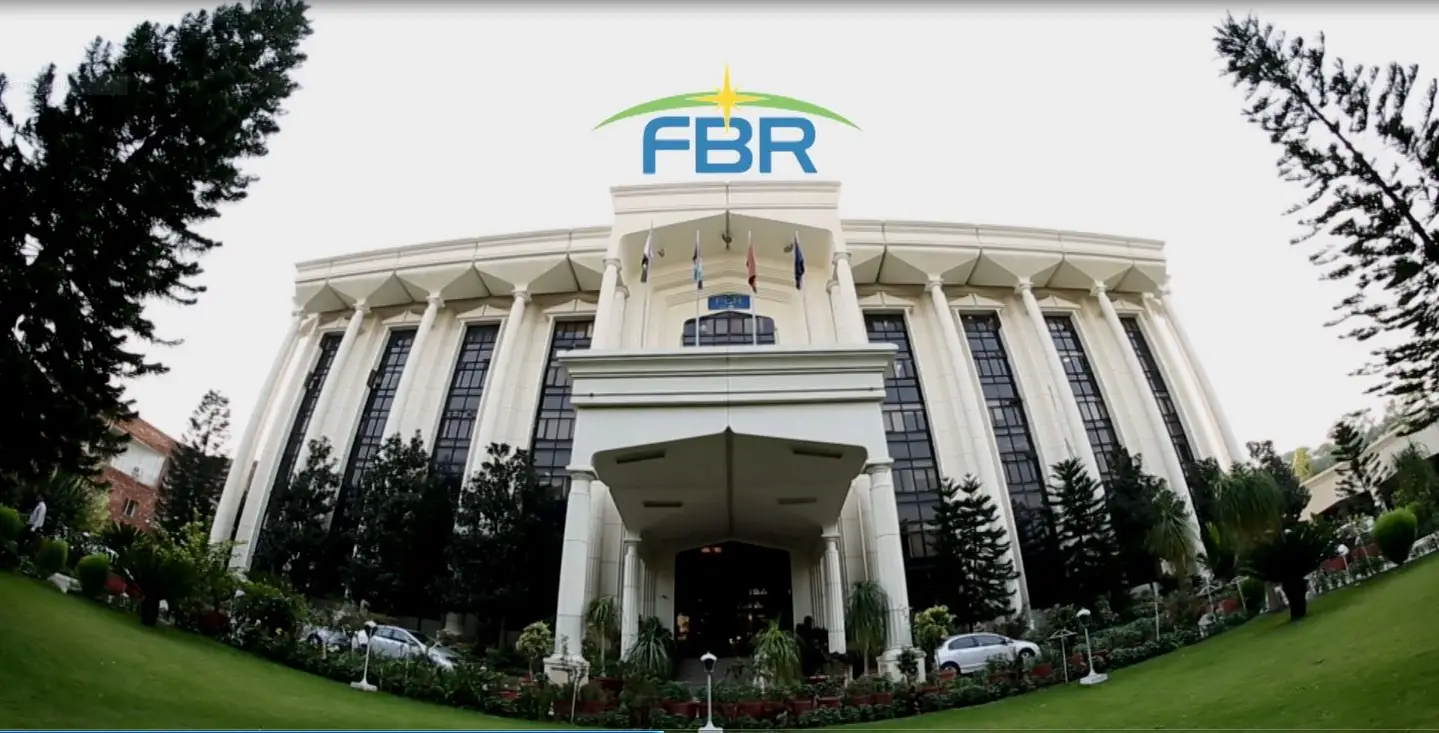
PESHAWAR — The Federal Board of Revenue (FBR) and the Institute of Chartered Accountants of Pakistan (ICAP) jointly organized a seminar on Tuesday, aimed at educating participants on the process of filing income tax returns for the tax year 2026. The event took place in Peshawar, bringing together tax professionals, accountants, and business owners to discuss the intricacies of tax compliance.
What Happened
The seminar, held at a local venue in Peshawar, was attended by a diverse group of stakeholders, including tax professionals, chartered accountants, and business representatives. The primary focus was to provide detailed guidance on the procedures and requirements for filing income tax returns, a critical component of ensuring compliance with Pakistan’s tax regulations.
During the event, experts from the FBR and ICAP delivered presentations highlighting the latest updates in tax laws and filing procedures. They emphasized the importance of timely and accurate tax return submissions to avoid penalties and legal complications. Attendees were given the opportunity to ask questions and seek clarification on various aspects of the tax filing process.
An official from the FBR stated, “The seminar is part of our ongoing efforts to raise awareness and provide support to taxpayers across the country. We aim to simplify the tax filing process and make it more accessible to everyone.”
ICAP representatives also stressed the role of chartered accountants in assisting businesses and individuals with their tax obligations. They encouraged participants to leverage professional expertise to navigate the complexities of tax compliance effectively.
Background
The Federal Board of Revenue is Pakistan’s premier tax authority, responsible for enforcing tax laws and collecting revenue for the government. The Institute of Chartered Accountants of Pakistan, on the other hand, is a leading professional body that regulates the accounting profession in the country. Both organizations have a history of collaborating on initiatives aimed at improving tax compliance and enhancing the understanding of tax laws among the public.
In recent years, the Pakistani government has been striving to expand the tax base and improve revenue collection. Seminars and workshops like this one are part of broader efforts to educate taxpayers and encourage voluntary compliance. The FBR has also been working to digitize the tax filing process, making it more efficient and user-friendly.
Why It Matters
The seminar holds significant importance for Pakistan’s economic landscape. With a low tax-to-GDP ratio, the country faces challenges in generating sufficient revenue to fund public services and infrastructure projects. By educating taxpayers and simplifying the tax filing process, the FBR and ICAP aim to increase compliance rates and broaden the tax base.
For businesses and individuals, understanding tax obligations is crucial to avoiding legal issues and financial penalties. The seminar provided a platform for participants to gain insights into the latest tax regulations and filing procedures, thereby reducing the risk of non-compliance.
Moreover, the collaboration between the FBR and ICAP underscores the importance of partnerships between government bodies and professional organizations in addressing complex issues like tax compliance. Such initiatives can lead to improved transparency and trust in the tax system, ultimately benefiting the economy as a whole.
Key Takeaways
- The FBR and ICAP organized a seminar in Peshawar to educate on income tax return filing.
- Experts provided guidance on the latest tax laws and filing procedures for the tax year 2026.
- The event aimed to increase tax compliance and broaden Pakistan’s tax base.
- Participants included tax professionals, accountants, and business owners seeking clarity on tax obligations.
- The seminar is part of broader efforts to improve revenue collection and economic stability in Pakistan.
Source Attribution
This article is based on official government statements, press releases, and public communications from relevant authorities.














