
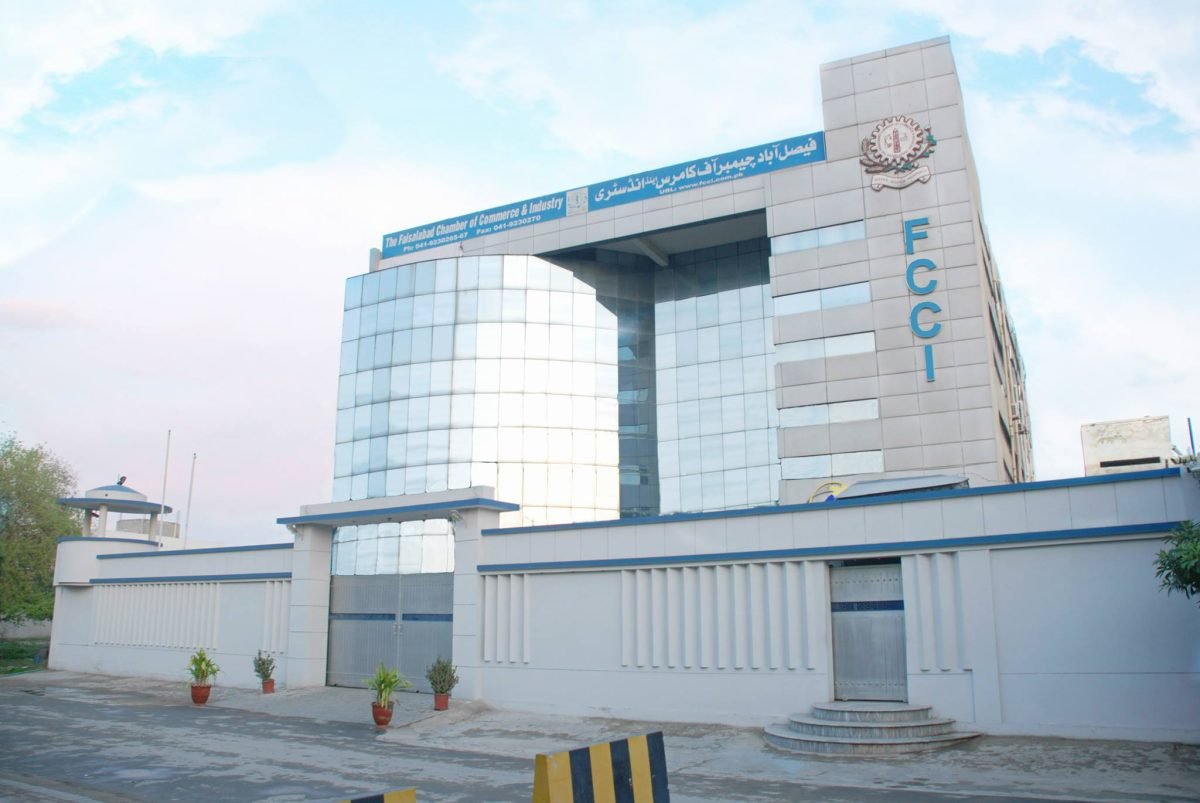
ISLAMABAD — Faisalabad Chamber of Commerce & Industry (FCCI) President Farooq Yousaf Sheikh has emphasized the critical need for enhanced air quality to ensure the health and well-being of future generations. Speaking at a recent meeting in Faisalabad, Sheikh highlighted the importance of a collaborative approach involving the government, the World Wildlife Fund (WWF), and the private sector to address this pressing environmental issue.
What Happened
During a session held at the FCCI headquarters, President Farooq Yousaf Sheikh addressed the growing concerns over air pollution and its detrimental effects on public health. He stated, “A better air quality is imperative for healthy generations.” Sheikh called for a joint effort between governmental bodies, non-governmental organizations like the WWF, and private enterprises to implement effective measures aimed at improving air quality across Pakistan.
Sheikh underscored the urgency of the situation by pointing to various studies that link poor air quality to respiratory diseases, cardiovascular problems, and other health issues. He argued that without immediate and concerted action, the health of Pakistan’s population, particularly children and the elderly, would continue to be at risk.
The FCCI president proposed several initiatives, including stricter regulations on industrial emissions, increased green spaces in urban areas, and public awareness campaigns to educate citizens about the importance of air quality. He also suggested leveraging technology to monitor air pollution levels and identify hotspots that require immediate intervention.
Background
Pakistan has been grappling with severe air pollution for years, with major cities like Lahore and Karachi often ranking among the most polluted in the world. Industrial emissions, vehicular exhaust, and the burning of agricultural waste are significant contributors to the country’s poor air quality. The government has implemented various policies aimed at reducing pollution, such as the introduction of Euro-V fuel standards and the promotion of electric vehicles. However, enforcement remains a challenge, and air quality continues to deteriorate.
The World Wildlife Fund (WWF) has been actively involved in environmental conservation efforts in Pakistan. Their initiatives include advocating for sustainable practices and supporting policies that aim to mitigate the effects of climate change and pollution.
Why It Matters
Improving air quality is not just an environmental issue; it has profound implications for public health, economic productivity, and social well-being. Poor air quality is linked to a range of health problems, which can lead to increased healthcare costs and reduced workforce productivity. For a developing country like Pakistan, these economic impacts can be particularly severe, hindering growth and development.
Moreover, addressing air pollution aligns with global efforts to combat climate change. As a signatory to the Paris Agreement, Pakistan has committed to reducing its greenhouse gas emissions and promoting sustainable development. Collaborative efforts to improve air quality can contribute to these international commitments, enhancing Pakistan’s standing on the global stage.
Socially, cleaner air can lead to improved quality of life for citizens, reducing the burden of disease and promoting healthier communities. This is particularly important for vulnerable populations, such as children and the elderly, who are more susceptible to the adverse effects of pollution.
Key Takeaways
- FCCI President Farooq Yousaf Sheikh calls for collaboration to improve air quality in Pakistan.
- Air pollution poses significant health risks, particularly to children and the elderly.
- Proposed initiatives include stricter emission regulations and increased public awareness.
- Improved air quality has economic, social, and international implications for Pakistan.
- Efforts align with global commitments to reduce greenhouse gas emissions.
Source Attribution
This article is based on official statements and public communications from the Faisalabad Chamber of Commerce & Industry and other relevant authorities.














