
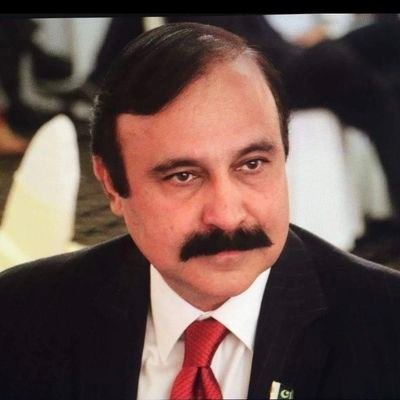
ISLAMABAD — The federal government of Pakistan has officially set aside a 2% employment quota for Persons with Disabilities, as confirmed by Federal Minister for Parliamentary Affairs, Dr. Tariq Fazal Chaudhry. This announcement was made on Friday in response to a Senate inquiry, highlighting the government’s commitment to inclusivity in the workforce.
What Happened
Dr. Tariq Fazal Chaudhry, in a written reply to a question posed in the Senate, detailed the federal government’s decision to reserve a 2% employment quota specifically for Persons with Disabilities. This policy is in alignment with the Islamabad Capital Territory (ICT) Rights of Persons with Disabilities Act, 2020, which was enacted on September 23, 2020. The Act mandates that the quota be calculated based on the overall sanctioned strength of an organization, rather than being applied to each Basic Pay Scale (BPS) individually.
The minister further elaborated that, following the Act’s provisions and the directives from the Prime Minister, the Establishment Division issued uniform guidelines to all ministries and divisions on June 18, 2021. These guidelines ensure the consistent application of the employment quota across all governmental bodies. Additionally, a letter dated July 21, 2026, was dispatched to all ministries and divisions, requesting updated information on vacant positions that fall under the prescribed 2% quota for Persons with Disabilities.
Background
The ICT Rights of Persons with Disabilities Act, 2020, represents a significant legislative effort to promote the rights and integration of Persons with Disabilities into the societal fabric of Pakistan. Prior to this, employment opportunities for individuals with disabilities were often limited, with no standardized quota system in place to ensure fair representation within the workforce.
This Act is part of a broader global movement towards inclusivity and equal opportunity, reflecting commitments made under international frameworks such as the United Nations Convention on the Rights of Persons with Disabilities, which Pakistan ratified in 2011. The establishment of a clear employment quota is a step towards fulfilling these international obligations and ensuring that Persons with Disabilities have access to meaningful employment opportunities.
Why It Matters
The allocation of a 2% employment quota for Persons with Disabilities is a crucial development in promoting inclusivity and diversity within Pakistan’s workforce. Economically, this initiative aims to empower a segment of the population that has historically been marginalized, thereby enhancing their economic independence and reducing reliance on social welfare systems.
Socially, the policy fosters a more inclusive society by recognizing the capabilities and contributions of Persons with Disabilities. It challenges prevailing stereotypes and encourages a shift towards a more equitable and empathetic view of disability. By integrating Persons with Disabilities into the workforce, the government is also setting a precedent for private sector employers to follow suit, potentially leading to broader societal changes in attitudes towards disability.
Politically, this move underscores the government’s commitment to upholding human rights and adhering to international standards. It also reflects a strategic alignment with global best practices, which can enhance Pakistan’s image on the international stage as a nation dedicated to inclusivity and equality.
Key Takeaways
- The federal government has reserved a 2% employment quota for Persons with Disabilities.
- This policy is based on the ICT Rights of Persons with Disabilities Act, 2020.
- Guidelines were issued to ensure consistent application across all ministries and divisions.
- The initiative aligns with international human rights commitments and promotes economic independence for Persons with Disabilities.
- It sets a precedent for inclusivity, potentially influencing private sector employment practices.
Source Attribution
This article is based on official government statements, press releases, and public communications from relevant authorities.














