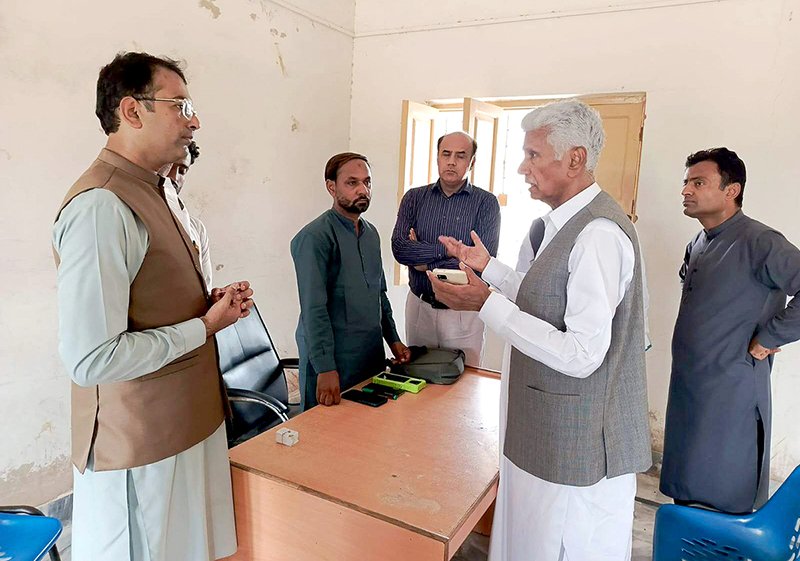
HYDERABAD — Ghulam Rasool Ahpan, the regional head of the federal Ombudsman secretariat, visited the Benazir Income Support Programme (BISP) registration center in Hyderabad on July 24 to assess the facility’s operations and address any challenges faced by the staff and beneficiaries.
What Happened
During his visit to the BISP registration center, Ghulam Rasool Ahpan engaged with both the staff and beneficiaries to understand the current operational dynamics and the issues encountered in the registration process. The visit aimed to ensure that the services provided by the BISP are efficient and accessible to the intended recipients. Ahpan emphasized the importance of transparency and accountability in the functioning of the registration centers to maintain public trust in the program.
Ahpan noted, “The BISP plays a crucial role in supporting vulnerable segments of society, and it is imperative that the registration process is smooth and efficient to maximize its impact.” He interacted with several beneficiaries who shared their experiences and concerns regarding the registration process and the disbursement of funds.
The visit also included a review of the technological systems in place at the center, with Ahpan highlighting the need for continuous upgrades to ensure the system’s reliability and security. He assured the staff that their feedback would be taken into consideration for future improvements and that any identified issues would be addressed promptly.
Background
The Benazir Income Support Programme, launched in 2008, is one of Pakistan’s largest social safety net initiatives aimed at providing financial assistance to low-income families. The program was established to mitigate the impact of inflation and economic challenges on the country’s most vulnerable populations. Over the years, BISP has expanded its reach and now serves millions of beneficiaries across Pakistan.
The federal Ombudsman secretariat plays a vital role in overseeing and ensuring the accountability of various government programs, including BISP. It acts as a bridge between the government and the public to address grievances and improve service delivery.
Why It Matters
The visit by Ghulam Rasool Ahpan underscores the ongoing efforts to enhance the efficiency and transparency of government welfare programs in Pakistan. As the country faces economic challenges, the role of BISP becomes increasingly significant in providing a safety net for those in need. Ensuring that the registration centers operate effectively is crucial to maintaining the program’s integrity and public confidence.
With rising inflation and economic instability, the demand for social assistance programs like BISP is likely to increase. The government’s commitment to improving these services reflects its recognition of the program’s importance in alleviating poverty and supporting economic stability. By addressing operational challenges and incorporating feedback from beneficiaries, the program can better serve its purpose and reach a larger segment of the population.
Moreover, the federal Ombudsman’s involvement highlights the importance of oversight in public programs, ensuring that they are implemented fairly and efficiently. This visit serves as a reminder of the need for continuous evaluation and adaptation of social welfare initiatives to meet the evolving needs of the population.
Key Takeaways
- Ghulam Rasool Ahpan, regional head of the federal Ombudsman secretariat, visited the BISP registration center in Hyderabad.
- The visit focused on assessing operational efficiency and addressing challenges faced by staff and beneficiaries.
- The Benazir Income Support Programme is a key social safety net initiative in Pakistan, aimed at assisting low-income families.
- Ensuring transparency and accountability in BISP operations is crucial for public trust and program effectiveness.
- The visit highlights the government’s commitment to improving social welfare services amid economic challenges.
Source Attribution
This article is based on official government statements, press releases, and public communications from relevant authorities.