
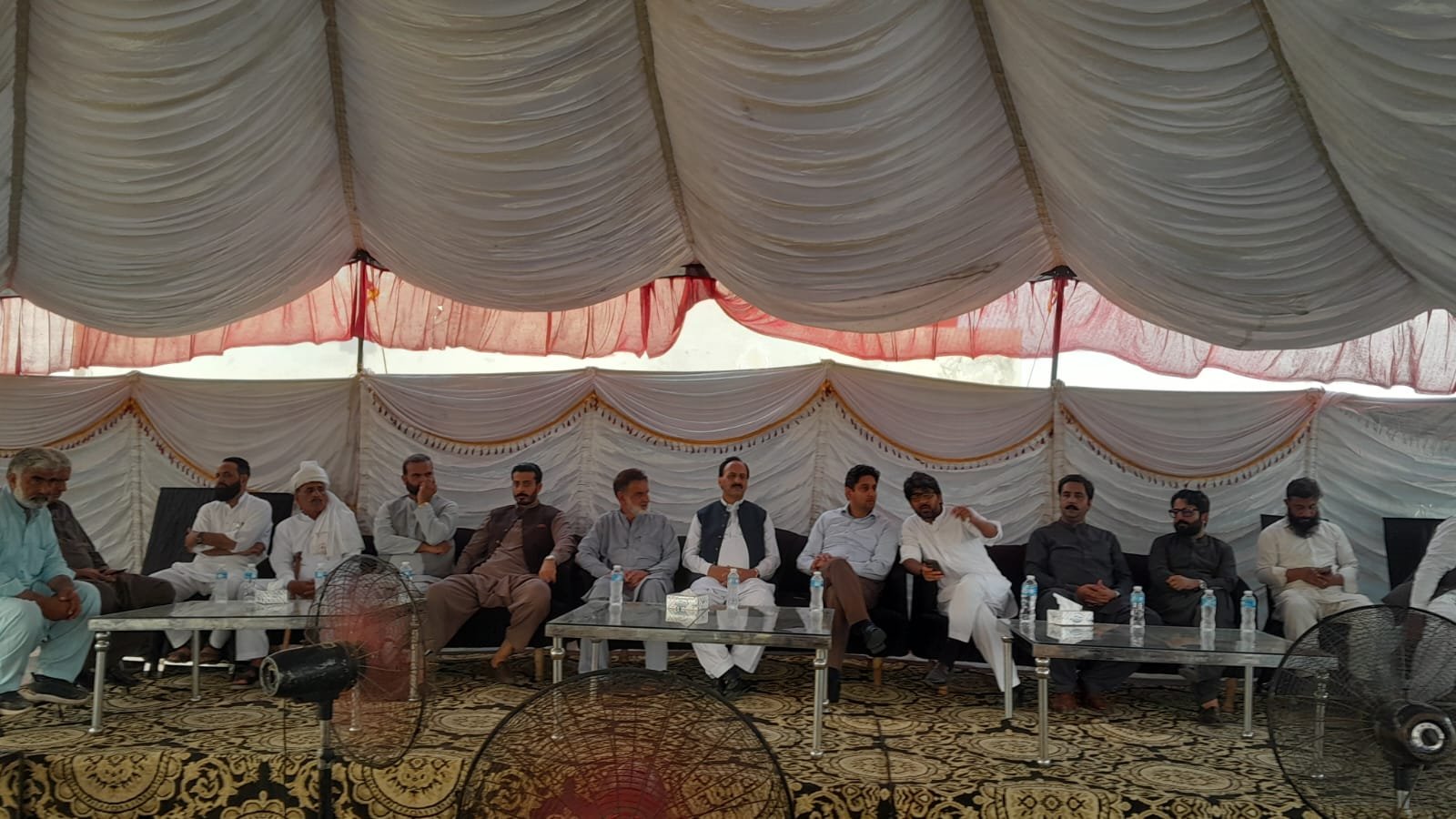
ISLAMABAD — The Federal Government Employees Housing Authority (FGEHA) has successfully retrieved 132 kanals of land in Sector G-15/3, Islamabad, and distributed allotment letters to 38 affected allottees. The initiative, directed by FGEHA’s Director General Captain (Retd.) Zafar Iqbal, marks a significant step in addressing the housing needs of government employees.
What Happened
In a ceremony held under the supervision of Captain (Retd.) Zafar Iqbal, the FGEHA distributed allotment letters to 38 individuals who had been affected by previous land acquisition issues in Sector G-15/3. This sector, located in the federal capital, has been a focal point for housing development aimed at accommodating federal government employees.
The event was organized to formally acknowledge the resolution of longstanding disputes over land allocation. The retrieval of 132 kanals of land is part of FGEHA’s broader efforts to ensure that government employees receive their rightful allotments. The Director General emphasized the authority’s commitment to resolving land disputes efficiently and ensuring transparency in the allotment process.
Captain (Retd.) Zafar Iqbal stated, “The distribution of allotment letters today is a testament to our dedication to fulfilling the housing needs of our employees. We are committed to ensuring that allottees receive their due rights without further delay.” The ceremony underscored the FGEHA’s ongoing initiatives to streamline housing allocations and address grievances related to land disputes.
Background
The Federal Government Employees Housing Authority was established to provide affordable housing solutions to federal employees across Pakistan. Over the years, the authority has faced challenges related to land acquisition and allocation, often due to legal and bureaucratic hurdles. Sector G-15/3, in particular, has been a site of contention, with numerous allottees awaiting resolution of their cases.
In recent years, the FGEHA has intensified efforts to recover disputed lands and expedite the allotment process. This initiative aligns with broader governmental policies aimed at improving living conditions for public sector employees and addressing the housing shortfall in urban centers like Islamabad.
Why It Matters
The recovery and distribution of land in Sector G-15/3 carry significant implications for the housing sector in Islamabad. Firstly, it highlights the government’s commitment to resolving land disputes that have historically plagued housing projects for federal employees. The successful retrieval of 132 kanals of land not only benefits the immediate allottees but also sets a precedent for future land recovery efforts.
Economically, the resolution of such disputes can lead to increased confidence in government housing schemes, encouraging more employees to invest in these projects. It also alleviates pressure on the housing market by providing more options for government employees, potentially stabilizing property prices in the area.
Socially, the distribution of allotment letters represents a step towards fulfilling the promises made to government employees, many of whom have waited years for their rightful allotments. This action can improve morale and trust in government institutions, as employees see tangible results from policy initiatives.
Politically, the move reinforces the government’s narrative of accountability and efficiency in public service delivery. By addressing the grievances of affected allottees, the FGEHA and the broader government demonstrate a commitment to transparency and justice in administrative processes.
Key Takeaways
- FGEHA successfully retrieved 132 kanals of land in Sector G-15/3, Islamabad.
- Allotment letters were distributed to 38 affected allottees in a formal ceremony.
- The initiative is part of ongoing efforts to resolve land disputes and streamline housing allocations.
- This recovery boosts confidence in government housing schemes and addresses housing shortages.
- The move underscores the government’s commitment to transparency and accountability.
Source Attribution
This article is based on official government statements and public communications from relevant authorities.














