
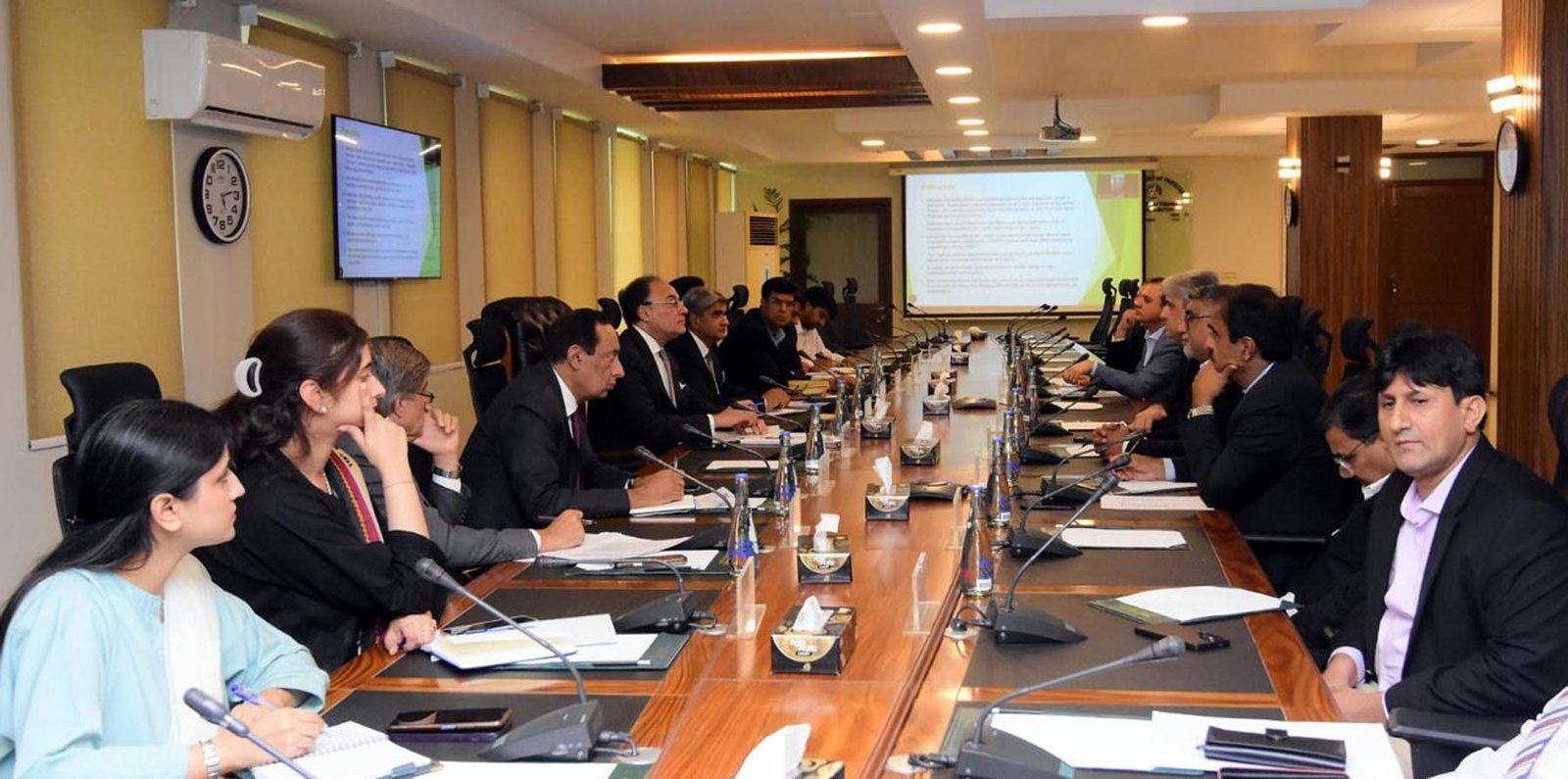
ISLAMABAD — Federal Minister for Finance and Revenue Senator Muhammad Aurangzeb chaired the first meeting of the Prime Minister’s Committee on Genetically Modified (GM) Corn on Thursday. The committee is tasked with conducting a comprehensive review of Pakistan’s policy on the commercialization of genetically modified maize, emphasizing an objective, science-based, and evidence-driven approach.
What Happened
The inaugural meeting, held in Islamabad, marked the beginning of a critical evaluation process concerning the introduction and commercialization of genetically modified maize in Pakistan. Minister Aurangzeb underscored the importance of a thorough review, directing the committee members to base their analysis on scientific evidence and factual data.
During the meeting, the committee discussed various aspects of GM maize, including its potential benefits and risks. The focus was on understanding the implications of GM maize on agriculture, food security, and the economy. The committee aims to develop a balanced policy that considers both the technological advancements in agriculture and the concerns related to health and environmental safety.
Minister Aurangzeb highlighted the need for transparency and inclusivity in the review process. He stated, “Our objective is to ensure that any policy decision regarding GM maize is in the best interest of our farmers and the nation. We must consider scientific evidence and the experiences of other countries that have adopted GM crops.”
Background
The debate over genetically modified organisms (GMOs) in agriculture has been ongoing globally, with countries adopting varying stances based on their agricultural needs and public opinion. In Pakistan, the introduction of GM crops has been a contentious issue, with stakeholders divided over its potential benefits and risks.
Historically, Pakistan’s agriculture sector has faced challenges such as low crop yields, pest infestations, and climate change impacts. Proponents of GM crops argue that genetic modification can enhance crop resilience, increase yields, and reduce reliance on chemical pesticides. However, critics raise concerns about the long-term environmental impacts, biodiversity loss, and potential health risks associated with GMOs.
The current policy review by the Prime Minister’s Committee is part of a broader effort to modernize Pakistan’s agricultural sector and align it with international standards. The committee’s findings will play a crucial role in shaping the future of GM crop commercialization in the country.
Why It Matters
The outcome of this policy review holds significant implications for Pakistan’s agricultural landscape and food security. With a growing population and increasing demand for food, enhancing agricultural productivity is a national priority. GM maize could potentially offer a solution by providing higher yields and reducing crop losses due to pests and diseases.
Economically, the adoption of GM maize could lead to increased agricultural exports, contributing to Pakistan’s GDP and foreign exchange reserves. However, it also requires careful consideration of market access, as some countries have strict regulations on GM imports.
Socially, the decision to commercialize GM maize impacts farmers directly. It could provide them with new opportunities to improve their livelihoods through higher productivity. However, it also necessitates education and support to ensure farmers can effectively manage GM crops and understand their implications.
Internationally, Pakistan’s stance on GMOs can influence its trade relationships and alignments with global agricultural policies. The review process and subsequent policy decisions will be closely watched by international stakeholders, including trading partners and environmental organizations.
Key Takeaways
- The Prime Minister’s Committee on GM Corn is reviewing Pakistan’s policy on genetically modified maize.
- The review emphasizes a science-based, evidence-driven approach to policy-making.
- GM maize commercialization could impact agricultural productivity, food security, and economic growth.
- The decision will affect farmers’ livelihoods and requires careful consideration of health and environmental factors.
- Pakistan’s policy on GMOs will influence its international trade relations and agricultural strategies.
Source Attribution
This article is based on official government statements, press releases, and public communications from relevant authorities.














