
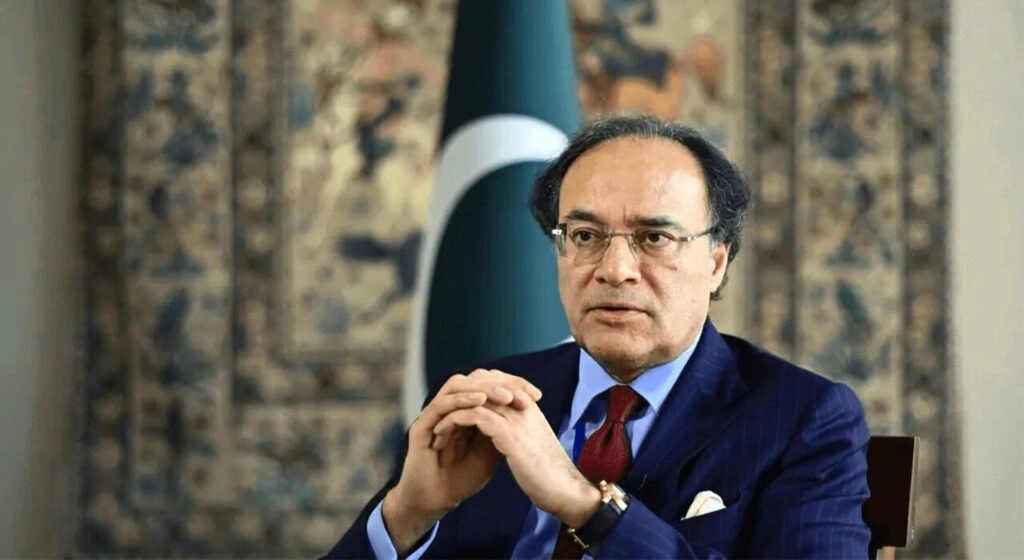
ISLAMABAD — On Wednesday, Finance Minister Senator Muhammad Aurangzeb presented the Appropriation Accounts for the Government of Pakistan for the fiscal year 2024–25, along with the Auditor-General’s audit reports for 2025–26, to the National Assembly. These reports are vital for maintaining transparency and accountability in public funds management.
Presentation Overview
Annually, the Appropriation Accounts and audit reports are presented as a standard procedure. This year, Finance Minister Aurangzeb fulfilled a constitutional requirement by laying these documents before the National Assembly. The Appropriation Accounts detail the financial allocations and expenditures for the fiscal year 2024–25, while the Auditor-General’s reports provide an independent assessment of funds utilization.
Emphasizing the importance of these reports for ensuring governmental accountability, Aurangzeb stated, “These documents are vital for assessing the financial discipline and management efficiency of various governmental departments.” The Public Accounts Committee will now review the reports to scrutinize any discrepancies or irregularities identified by the Auditor-General.
Significance of Auditor-General’s Reports
The Auditor-General’s reports are particularly significant as they highlight areas where financial practices may not align with legal and regulatory standards. This year’s reports are expected to cover a wide range of issues, from budgetary compliance to the efficiency of public spending.
Constitutional Framework and Historical Context
The practice of presenting Appropriation Accounts and audit reports to the National Assembly is rooted in Pakistan’s constitutional framework, which mandates transparency in public finance. The Auditor-General of Pakistan is responsible for auditing the accounts of federal and provincial governments and reporting findings to the legislature.
Historically, these reports have played a critical role in identifying financial mismanagement and corruption within government bodies. The Public Accounts Committee, a parliamentary body, examines these reports to ensure corrective measures are taken. Over the years, several high-profile cases of financial irregularities have been uncovered, leading to reforms and, in some cases, legal action.
Economic and Political Implications
These reports are a key component of Pakistan’s efforts to improve governance and financial transparency. In a country where public trust in government institutions is often low, they are essential for building confidence among citizens and international partners.
Economically, the audit reports ensure efficient use of public funds, crucial for a country facing fiscal challenges. Proper financial management can lead to better resource allocation, improved public services, and enhanced economic growth.
Politically, the reports serve as a tool for opposition parties to hold the government accountable. They provide a factual basis for debates on government performance and policy effectiveness, contributing to a more informed public discourse.
Internationally, adherence to transparent financial practices is vital for Pakistan’s relationships with global financial institutions and investors. Demonstrating a commitment to accountability can improve Pakistan’s credit rating and attract foreign investment, essential for economic stability and growth.
Key Takeaways
- Finance Minister Aurangzeb presented the Appropriation Accounts and Auditor-General’s reports to the National Assembly.
- The reports cover fiscal year 2024–25 and audit year 2025–26, focusing on financial management and government accountability.














