
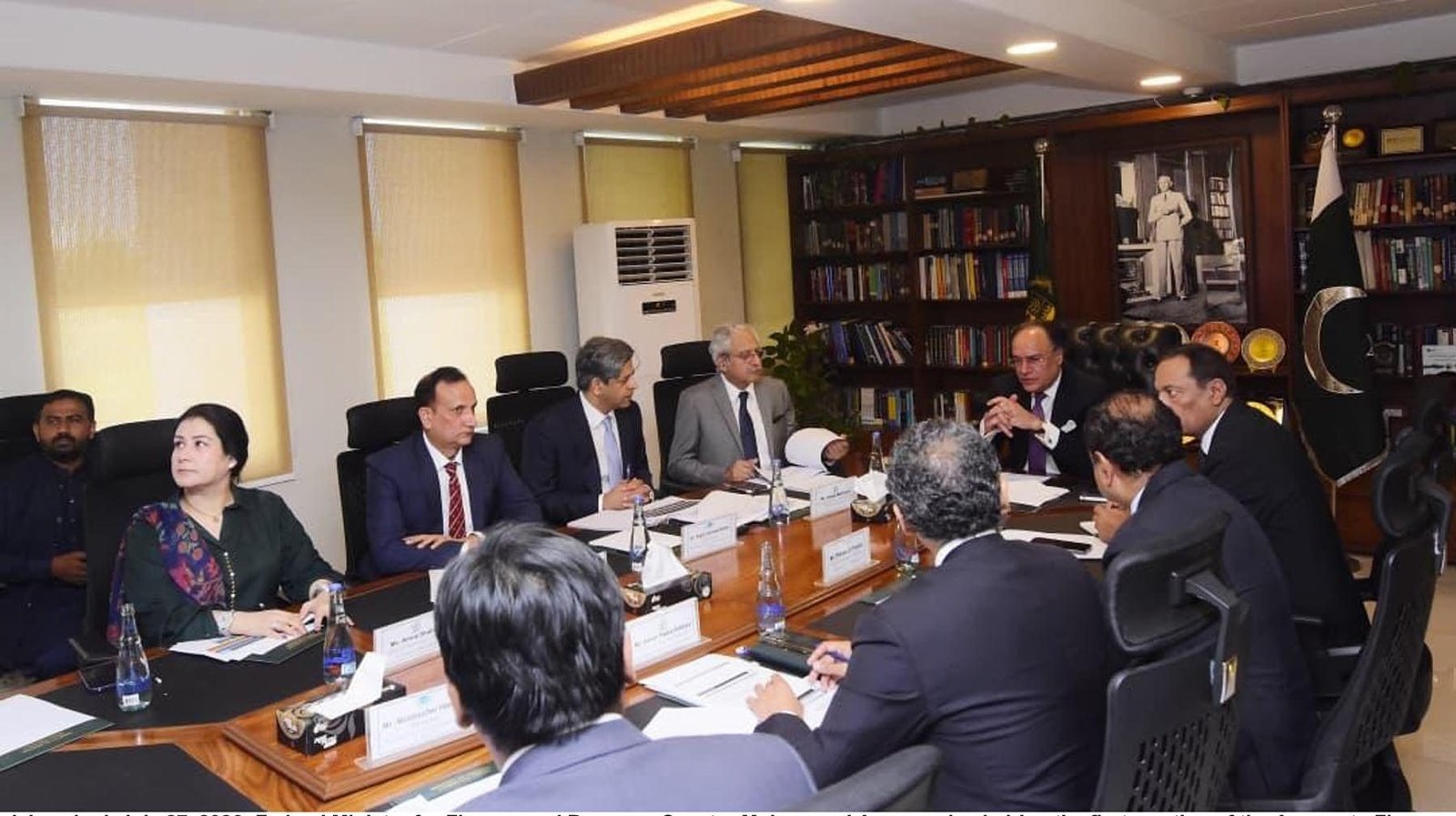
ISLAMABAD — Federal Minister for Finance and Revenue Senator Muhammad Aurangzeb chaired the inaugural meeting of the Access to Finance Steering Committee on Monday, emphasizing the need for expedited implementation of the Prime Minister’s Access to Finance Plan 2026–2028. The meeting, held in Islamabad, focused on enhancing affordable credit availability for vital sectors of Pakistan’s economy.
What Happened
During the meeting, Finance Minister Aurangzeb directed stakeholders to prioritize the swift execution of the Prime Minister’s Access to Finance Plan. The plan, spanning from 2026 to 2028, aims to bolster economic growth by improving access to affordable credit for key sectors including agriculture, small and medium enterprises (SMEs), and housing. The minister underscored the importance of this initiative in driving economic development and reducing poverty.
“The Access to Finance Plan is crucial for ensuring that our economic sectors receive the necessary financial support to thrive,” Aurangzeb stated. He urged committee members to identify and address any bottlenecks that could hinder the plan’s progress. The meeting brought together representatives from various financial institutions, government departments, and industry stakeholders to discuss strategies for effective implementation.
The committee explored potential policy adjustments and technological innovations that could facilitate greater financial inclusion. Discussions also highlighted the need for collaboration between public and private sectors to achieve the plan’s objectives. Stakeholders were encouraged to adopt a proactive approach in aligning their efforts with the plan’s goals.
Background
The Access to Finance Plan is part of a broader government strategy to enhance economic resilience and inclusivity. Historically, access to affordable credit has been a significant challenge for many sectors in Pakistan, particularly for SMEs and the agricultural sector. Previous initiatives have faced obstacles such as bureaucratic delays, lack of awareness, and inadequate infrastructure.
The government has been working to address these issues through various reforms and policy measures. The establishment of the Access to Finance Steering Committee marks a strategic step towards coordinated efforts in overcoming these barriers. The committee is tasked with monitoring progress, providing policy guidance, and ensuring accountability in the plan’s execution.
Why It Matters
The successful implementation of the Access to Finance Plan has far-reaching implications for Pakistan’s economy. By improving access to credit, the plan aims to stimulate growth in key sectors, thereby boosting employment opportunities and enhancing productivity. This is particularly significant for the agricultural sector, which employs a large portion of the population and is crucial for food security.
For SMEs, which are often described as the backbone of the economy, improved access to finance can lead to increased innovation, competitiveness, and market expansion. This, in turn, can contribute to a more diversified and resilient economic landscape. Additionally, the focus on housing finance is expected to address the country’s housing deficit, providing affordable housing solutions to a growing population.
On a broader scale, the plan aligns with Pakistan’s commitment to achieving sustainable development goals, particularly those related to economic growth, poverty reduction, and reduced inequalities. The emphasis on financial inclusion also supports the government’s vision of a more equitable society where all citizens have the opportunity to participate in economic activities.
Key Takeaways
- Finance Minister Aurangzeb chaired the first meeting of the Access to Finance Steering Committee, emphasizing swift implementation of the PM’s plan.
- The Access to Finance Plan 2026–2028 aims to improve affordable credit for agriculture, SMEs, and housing sectors.
- The plan seeks to address historical challenges in financial access through policy adjustments and technological innovations.
- Successful implementation could significantly boost economic growth, employment, and financial inclusion in Pakistan.
- The initiative aligns with Pakistan’s sustainable development goals and vision for an equitable society.
Source Attribution
This article is based on official government statements, press releases, and public communications from relevant authorities.














